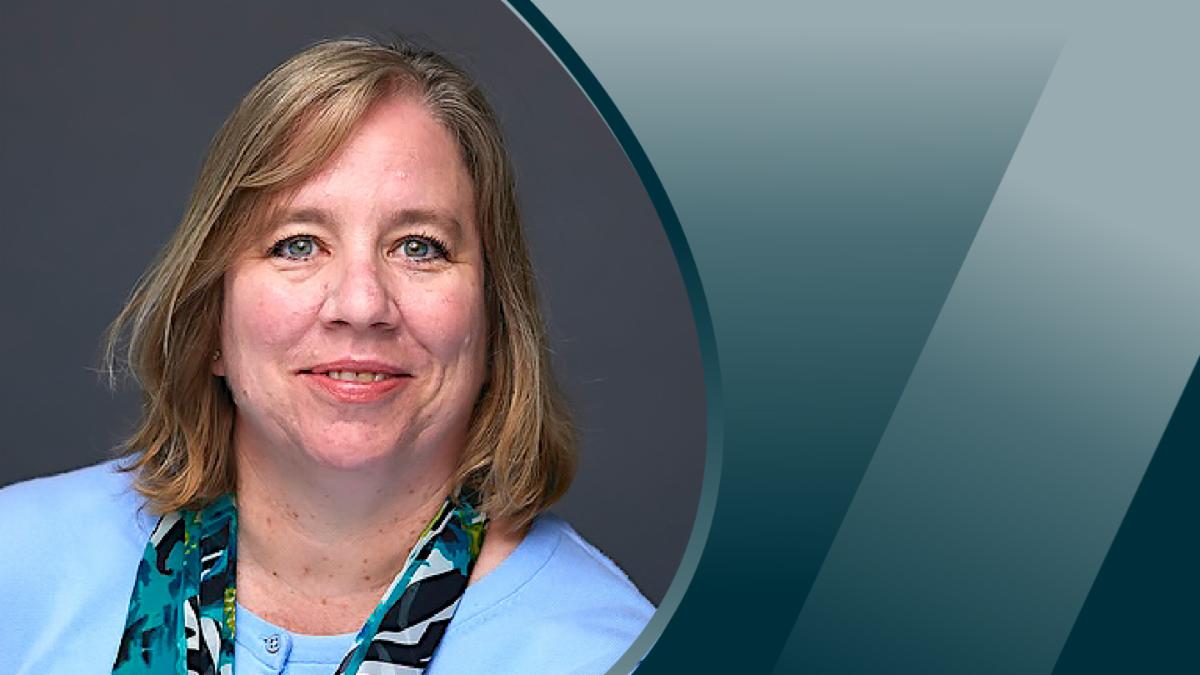
Dear Friends,


Last month our guest column discussed the Teaching Nursing Home Model which we are implementing through our Geriatric Workforce Enhancement Program funded by HRSA. This model uses an academic-clinical partnership to plan and provide a meaningful experience for nursing students in nursing homes. The care of people living in nursing homes is some of the most complex care nurses can give as people are living longer with chronic diseases and many also have dementia. Without a pipeline of nurses choosing to work in long-term care, our nursing homes cannot provide the level of professional care required by skilled nursing facilities. Student nurses need to have meaningful experiences in these settings so they understand the impact they could have working in that environment. 


After reading our column last month, Dr. Mathy Mezey, founding director of HIGN, reached out to me and offered to provide some historical background on the Teaching Nursing Home Model. Dr. Mezey developed this model in the 1980s and in her guest column this month she reminds us of the importance of such an experience for undergraduate nursing students. We are delighted to give our readers that additional perspective. 


Best wishes,

Tara

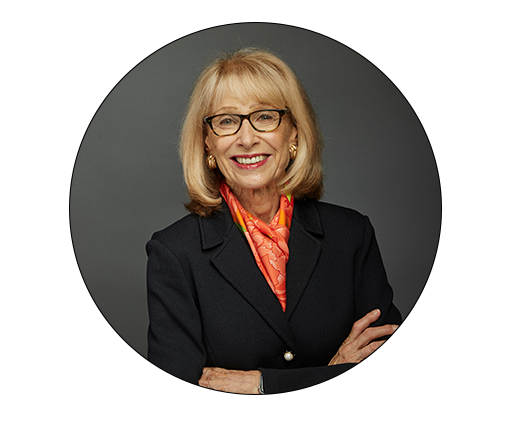
Tara A. Cortes, PhD, RN, FAAN, FGSA


Reflections on the

Teaching Nursing Home Model


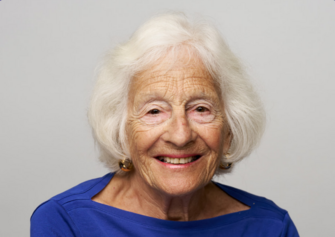
Mathy Mezey, EdD, RN, FAAN

Professor Emerita, NYU Rory Meyers College of Nursing


It is with great pleasure that I read

Dr. Donna McCabe’s excellent column “The Teaching Nursing Home” in the most recent edition of HIGN’s Newsletter (April, 2025).

As Dr. McCabe emphasizes, the current Teaching Nursing Home model initiatives build on work started in the 1980s. I was Director of the Robert Wood Johnson Foundation Teaching Nursing Home (RWJ TNH) from 1981-1987. I write this column to provide further context for the current TNH initiatives. 


The RWJ TNH was a 5 year, $5 million national initiative administered at the University of Pennsylvania School of Nursing. The program came on the heels of an influential book written by Bruce Vladeck, Unloving Care: The Nursing Home Tragedy (1980) that exposed extremely poor care in many of the nations’ nursing homes. The RWJ TNH built on the model linking Schools of Medicine with Veteran Administration Hospitals in order to expand clinical experiences for medical students and residents and improve care in VA Hospitals. The TNH was the first major clinical/research initiative funded by RWJ that was exclusively directed by nursing. 


The RWJ TNH involved 11 Schools of Nursing and nursing homes selected through a national competitive process. The goals of the program, similar to those laid out by

Dr. McCabe, were, on the nursing school side, to provide students with expanded and rich clinical experiences and to infuse the BSN curriculum with additional geriatric content. On the nursing home side, the goal was to improve staff preparation and raise the level of care in nursing homes. The model relied heavily on geriatric nurse practitioners who held joint faculty appointments in the school and clinical appointments in the nursing home. Some TNHs also used mental health nurse practitioners in dual school/home appointments. 


The RWJ TNH was rigorously evaluated. The evaluation showed both expanded geriatric content and courses in the participating Schools of Nursing and improved care in the nursing homes as compared to a matched control group (Shaughnessy & Kramer, Health Care Finance Review, 1995). The TNH also had the unmeasured but clearly evident outcome of creating a cadre of geriatric nurse faculty and researchers who subsequently committed their academic careers to care and research aimed at improving care in nursing homes.


In the 1990’s, the extraordinary support of geriatric nursing by the John A. Hartford Foundation, including funding to develop the Hartford Institute for Geriatric Nursing (HIGN) at NYU Meyers, served to expand on TNH outcomes to encourage required geriatric nursing courses and improved geriatric clinical experiences in BSN nursing programs.

But as Dr. McCabe points out, the outcomes achieved in the nursing homes were generally not sustained once TNH funding ended.  


Given the continued concern as to the quality of care in nursing homes, revitalizing the TNH concept detailed in Dr. McCabe's column has the potential to revitalize nursing education’s commitment to care of nursing home residents while providing nursing homes with the critical resources that they need to improve quality care. I look forward to an update on the outcomes of this initiative in future HIGN Newsletters. 

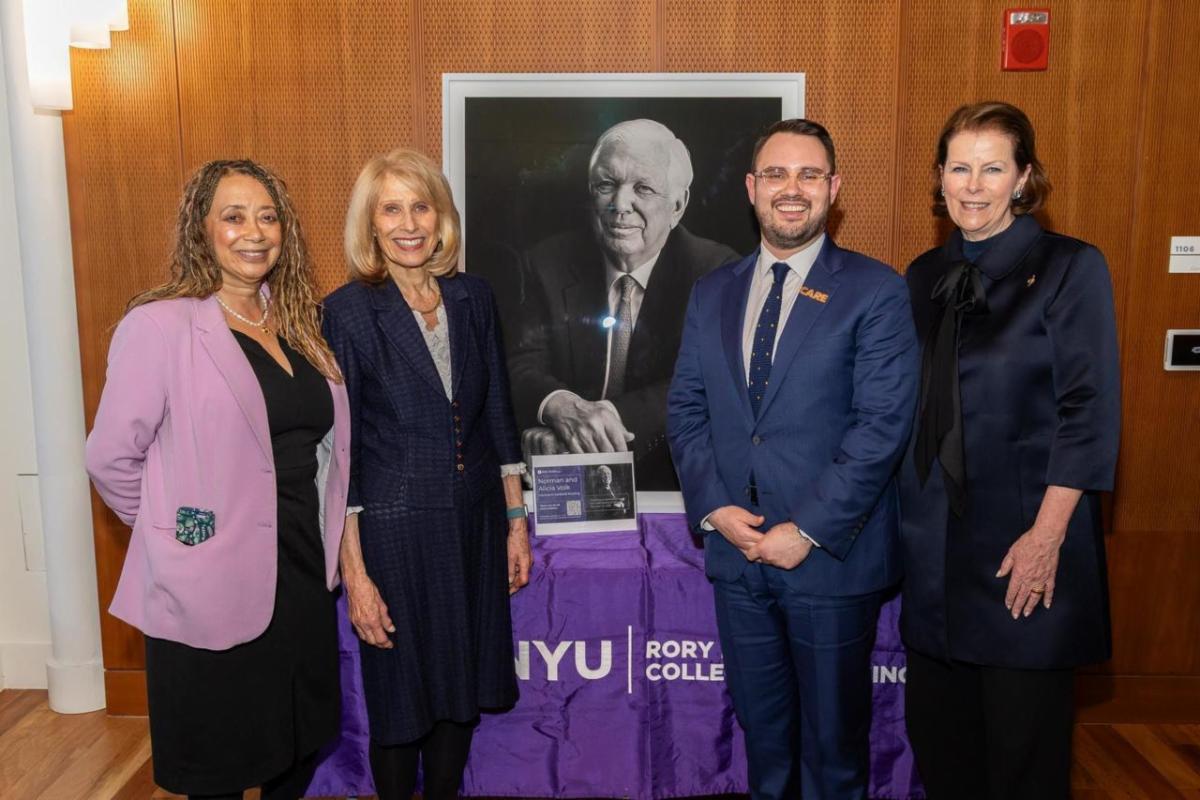
Honoring a Legacy


NYU Rory Meyers College of Nursing recently hosted the Norman and Alicia Volk Lecture in Geriatric Nursing, honoring Norman Volk's enduring legacy of compassionate care for older adults.

Global Climate Change, Natural Disasters and the Need For Preparedness Plans for Older Adults


Prof. Stacen Keating, NYU Meyers, wrote a column for McKnight's Long-Term Care news aimed to increase awareness about disaster preparedness and the critical importance of advance planning for individuals, especially vulnerable older adults, in the face of catastrophic events. 


Click here to read the full column.

FREE COURSE

Introducing the 4Ms: A Case Study for Direct Caregivers

Introducing the 4Ms: A Case Study for Direct Caregivers provides direct caregivers (home health aides, certified nursing assistants) with an introduction to the 4Ms framework. 


Direct caregivers will learn how the 4Ms are used to understand what is most important to older adults and to safely manage medication, assess changes in thinking or mood and support mobility.

HIGN Highlights


Prof. Ab Brody, will be speaking at the National Academy of Medicine on June 4-5 as part of the workshop "Strategies and Interventions to Strengthen Support for Family Caregiving and to Alleviate Caregiver Burden." Follow this LINK to learn more and attend either in Washington DC or via livestream. 


Prof. Tara Cortes will be speaking at Stakeholder Summit on NYS Nursing Workforce on June 9th in Albany on the HIGN/Meyers Nurse Residency Program in Long-Term Care.


Publications:


Blind, J., Keating, S.A., Moorehouse, A.M. & Klar, R.T. (2025). Chapter 25: Population and Public Health. In M.J Vetter & K.E. Zavotsky (Eds.) Advancing Evidence-Based Practice for Nursing and Healthcare Quality Improvement (2nd ed.). Philadelphia, PA: Elsevier Publishing.


Breder, K., Jacob, C., & Yu, V. (2025). Assessing Older Adults Who Have Experienced Homelessness: Findings from an Exploratory Study. Journal of Applied Gerontology, 0(0). DOI: 10.1177/07334648251333845


Eaton, J., Neller, S. A., Fernandez Cajavilca, M., Johnson, J. K., & Ellington, L. (2025). A Community-Based Approach to Refining the Enhancing Active Caregiver Training (EnACT) Intervention. Journal of Applied Gerontology, 0(0). DOI: 10.1177/07334648251336536


Ito, V., & Lim, F. (2025). The Impact of Team Teaching in Nursing Education: An Integrative Review. Nursing Education Perspectives, 10-1097.


Morgan, B., Brody, A.A., Chodosh, J., Karlawish, J., Ravitch, S., Massimo, L. & Hodgson, N. (In Press). “I’m His Brain”: A Qualitative Study of Care Partners Supporting the Inner Strength of Persons Living with Mild Cognitive Impairment. Alzheimer’s & Dementia. 10.1002/alz.70286


Xintong, L., Dreisbach, C., Gustafson, C.M., Murali, K.P.,Koleck, T.A. (2025). Prevalence of Multiple Chronic Conditions Among Adults in the All of Us Research Program: An Exploratory Analysis. JMIR Formative Research. (in press)


Presentations:


Keating, S.A. (2025, May 2). Using AI Tools Including Gemini and Notebook LM in a Community Health Class to Solve Regional Health Issues. 61st Annual Isabel Maitland Stewart Conference on Research in Nursing: The Impact of AI in Nursing Education, Research and Practice. Teachers College Columbia University, New York, NY. 


Keating, S.A., Egan, R., Cebert, M., Taylor-Smalls, S. & Steers, C. (2025, April 4). Integrating AI (Gemini and Notebook LM) within a Project Based Learning Experience to Address Public Health Issues [Conference Presentation]. New York University (NYU) Annual SoTL Symposium. 


Keating, S.A. & Capone, K. (2025, June 13, accepted). Developing Asynchronous Adult and Pediatric Oncology Nursing Courses for South African Partner Agencies. Oral Presentation session at the NYU Langone Health 28th Annual Nursing Science Conference. New York, NY. 


Murali, K.P. & Sadarangani, T.R. (2025). Domains of Caregiving Support Accessed by South Asians in Faith-Based Settings. Rutgers-NYU Center for Asian Health Promotion and Equity (CAHPE) 2025 Annual Retreat. New Brunswick, NJ.

Facebook  Twitter  Linkedin