|
National health awareness campaigns play a crucial role in our collective mission to combat gynecologic cancer. These dedicated days, weeks, and months serve as a platform to:
- increase public understanding
- promote preventive measures and research advancements
- advocate for those affected by cancer and related health conditions
- bring together patients, survivors, caregivers, and healthcare professionals around a common goal
Together, we have an opportunity to make a significant impact in our mission to educate, advocate, fundraise, and unite to reduce the burden of gynecologic cancer on individuals and families and across communities. Join us!
| |
Breast Cancer Awareness Month | |
|
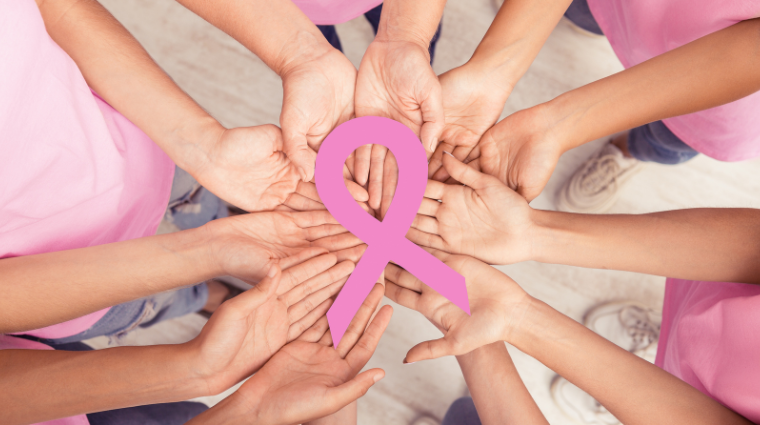
Breast Cancer Awareness Month is an annual acknowledgment of the impact of breast cancer and an opportunity to spread awareness about prevention, risk factors, symptoms, and more.
Many risk factors for breast cancer, such as hormonal imbalances, obesity, and genetics, are also associated with gynecologic cancers. Among these risk factors, family history of breast or ovarian cancer increases the risk of being diagnosed with breast cancer.
According to research presented at the 2024 Society of Gynecologic Oncology (SGO) Annual Meeting on Women's Cancer:
- First-degree family history of cancer is common in patients with stage one endometrial cancer. Breast, colon, and endometrial cancers were most frequently reported in mothers and sisters of endometrial cancer patients (Abdelrahman Yousif, MD, et al.).
- Population-based BRCA1 and BRCA2 genetic testing could possibly prevent 39,228 more breast and ovarian cancer cases and 4,619 breast and ovarian cancer deaths in Canada (Caitlin Fierheller, PhD, et al.).
- Based on the incidence of breast cancer among ovarian cancer patients with BRCA mutations, mammography should be performed routinely after ovarian cancer diagnosis (Wonduk Joo, MD, MBA, PhD, et al.).
This month, you can:
- Commit to monthly breast self-exams.
- Schedule your next clinical breast exam and mammogram.
- Prioritize an active and healthy lifestyle; join our Move4Her campaign and commit to doing a fitness activity for just five minutes daily to improve your health.
| |
|
Health literacy is the ability to obtain, understand, and use health information and services to make informed decisions about one's health. Individuals with higher health literacy are more likely to engage in preventive health practices, follow medical instructions, and manage chronic conditions effectively. This leads to improved health outcomes and reduced healthcare costs.
According to research presented at the 2024 SGO Annual Meeting on Women's Cancer:
- The readability of cervical cancer patient materials was considered very difficult according to patient rankings. To improve health literacy and foster quality patient-provider communication, making patient education materials accessible is important (Wafa Khadraoui, MD, et al.).
- Many gynecologic cancer patients may have trouble understanding information about gynecologic cancer clinical trials, which may, in turn, affect enrollment and participation (Julia Chalif, MD, et al.).
- Patients living in more educated areas (where <5% of adults lacked a high school degree) were 12.1% less likely to have late-stage endometrial cancer compared to less educated areas (Kristine Au, BS, et al.).
- Twenty percent of respondents cited understanding available options as a challenge when deciding whether to pursue fertility-preserving treatment (Alexa N. Kanbergs, MD, et al.).
To work towards enhancing health literacy in your community, you can:
-
Share resources: Host or share information about health-related workshops, webinars, and educational materials.
-
Keep it simple: When sharing information and resources, use plain language in a person or group's preferred language.
-
Ensure access: Walk an uncertain friend or loved one through the steps needed to use various health-related technologies, such as patient portals and health apps.
| |
World Mental Health Day | October 10 | |
|
World Mental Health Day provides an opportunity for individuals and organizations worldwide to come together to discuss mental health topics, reduce stigma, and promote mental well-being.
A cancer diagnosis can impact patients in many ways beyond the actual staging and treatment of the disease. After diagnosis, patients' mental health can be significantly affected by the physical and emotional stress associated with the disease, financial hardship, and social or relationship changes that occur.
Join us October 10 by taking the following actions:
-
Educate yourself: Take some time to learn about mental health issues, the signs of distress, and resources available for support. Example resources from the the FWC include a fact sheet called Psychosocial Issues and Survivorship: Your Guide and a free webinar called "All About Wellbeing: Balancing Your Mind, Body, and Spirit."
-
Start conversations: Initiate open conversations about mental health with friends, family, and colleagues. If you are supporting someone with a cancer diagnosis, access the FWC caregiver series "Compassionate Caregivers: Navigating Cancer's Challenges." This series discusses balancing your own mental health while offering support to loved ones who also may be facing challenges.
-
Practice self-care: Prioritize your own mental well-being. Practice stress management techniques, and seek help and support if you need it.
-
Spread awareness: Share our posts about World Mental Health Day on your social media platforms.
| |
Pronouns Day | October 18 | |
|
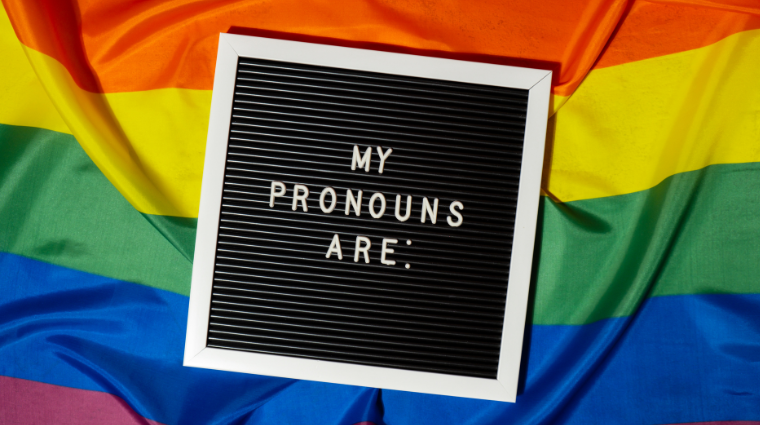
Pronouns Day, celebrated annually, is an opportunity to raise awareness and promote understanding of gender pronouns and their importance in fostering inclusivity and respect in society. This day serves as a platform for education, dialogue, and solidarity, specifically in the medical community where gendering individuals correctly can create safer healthcare spaces and better treatment and care.
Open dialogue on #PronounsDay helps break down the stigma surrounding gender identity and pronouns and promotes empathy and acceptance. For those who have not encountered the concept of gender pronouns before, Pronouns Day offers an excellent opportunity to ask questions and start learning.
Welcoming Spaces: Treating Your LGBTQ+ Patients is a free LGBTQ+ Cultural Humility training developed by the SGO and the National LGBTQ Cancer Network. It was designed for healthcare workers, specifically clinicians who treat gynecologic cancer in transgender and gender non-conforming patients, but this training contains valuable information for anyone committed to learning about gender pronouns and LGBTQ+ inclusivity.
| |
The FWC is the official foundation of the Society of Gynecologic Oncology. | | | | |