A Message from the Executive Director |
The National Indian Council on Aging (NICOA) held its national American Indian Elders Conference in Reno, Nevada on August 16-20, 2021. It was a long-awaited gathering for tribal elders from around the country. The elders renewed old friendships, made new ones and had an opportunity to learn what was happening in the field of aging. The last conference had been held in Pechanga, California in 2018. In the years since, Indian Country entered a new world with new issues and a re-awakening of how we, as American Indian and Alaska Natives, reshaped our own destinies.
In this new world, we have a silent enemy — the pandemic which we are still currently living through. In this new environment, Indian Country exercised their sovereignty in dealing with the pandemic; a dysfunctional government of last four years; and the realization of the priceless value of our tribal cultures, histories, wisdom and languages held by our elders. And finally, a new administration which shaped policies to repair bridges, repair highways, expand the internet and broadband to Indian Country.
We are now on the brink of a new year and at this time of year, we as Native people will offer prayers and perform blessing ceremonies that the new year which awaits us is a journey into wellness and peace. For the fortunate few that attended our conference, we hope it offered an opportunity to see old friends, make new friends and to remember those we have lost. For those who are waiting for the next conference, we wish you good health and may the spirit of the season envelop you and bring you joy in the years ahead.
To our tribal leaders who have remained steadfast and strong in taking care of our precious natural resource — our elders — we, at the National Indian Council on Aging, thank you. And to all who have taken care of and protected our elders in this new environment — Title VI directors, community health representatives, youths, law enforcement and many others — our appreciation and a heartfelt thank you.
It has been an honor to work with the NICOA staff, NICOA board, the national Indian organizations and the national aging network during the past three years. We have accomplished much, but much more remains to be done on behalf of our elders. The prayers and support you have provided is immeasurable and we look forward to your continued support and your contributions which have enabled us to advocate on behalf of our elders for the last 46 years.
May the new year and season bless you all!
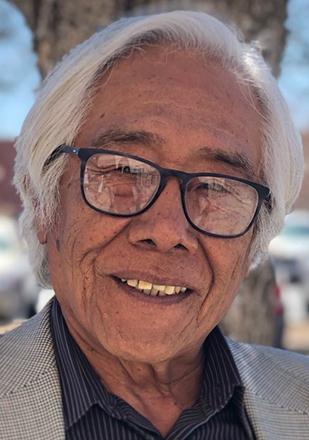
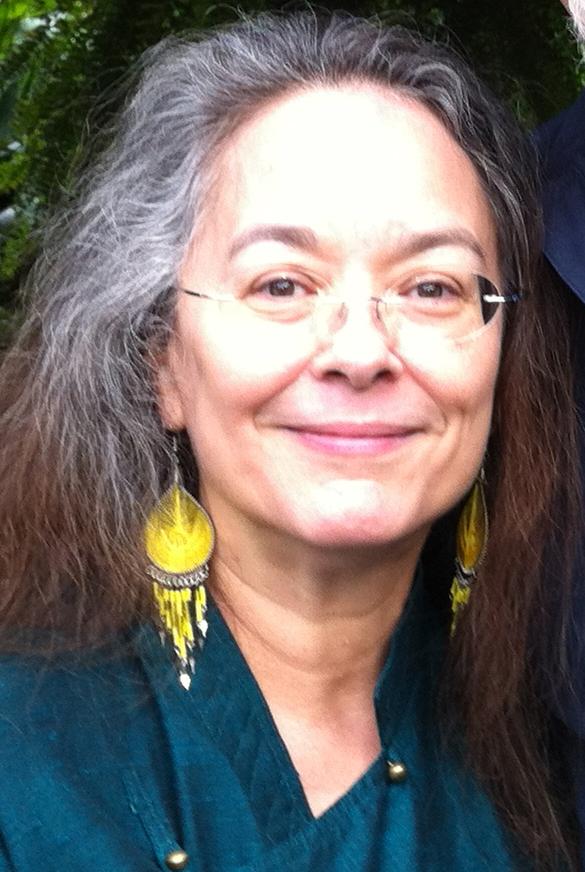
Larry Curley
Executive Director
|
|
|
|
Conversation with NICOA's Larry Curley: Improving Quality of Life for Older Native Americans through Caregiving |
Executive Director Larry Curley (Navajo) spoke with Native News Online about caregiving, COVID-19, and how NICOA is striving to meet the needs of elder American Indians and Alaska Natives across Indian Country.
Native News Online: What are the COVID-19 rates of Native American elders across Indian Country?
Larry Curley: I know they're higher than the general population. The vaccine is available in Indian Country through the Indian Health Service network. The access to the vaccine is there. So, I think that's one of the reasons why the vaccination rate is higher among our population than the general population.
They're still some of those crazy conspiracy theories that are out there that some tribal members are listening to. But I think for the most part, they're listening to their relatives, to their significant others, people that matter like the medicine men, and those people are saying, “Get your booster, get your flu shot as well.”
|
|
|
|
Native America Calling Interview with Larry Curley: Help for Family Caregivers |
At least 44 percent of American Indian and Alaska Native caregivers surveyed say they are the only person available to tend to their loved one. And at least eight out of 10 say their cultural commitment is an important factor in caring for an elder or someone else needing it.
But people don’t always have to take on giving care alone. Tribes and organizations offer a wide range of options to ease the burden. National Indian Council on Aging Executive Director Larry Curley speaks more about this.
|
|
|
|
Support for Caregivers, Elders Ensures Native Cultural Longevity by Executive Director Larry Curley |
At no other time in recent history have tribal leaders across Native America been challenged in ensuring the health and safety of Indian people. That challenge has been immense, and weariness has extended to those who care for our elders and their families.
Title VI of the Older Americans Act, drafted by the National Indian Council on Aging (NICOA) in 1978, established nutrition and supportive services for American Indians, Alaska Natives and Native Hawaiians. More than 250 tribes and tribal organizations use the funding for elder centers, meal delivery, referrals, transportation and personal care. Title VI was expanded to include caregiver support and grandparents caring for grandchildren. The program offers counseling, support groups, training, and respite or short-term care for an elder to relieve the primary caregiver. This can include adult day or home care, or care in a facility. These programs were created to keep families together, provide culturally relevant services and reduce medical costs.
Though many tribes have created elder programs, more can be done to aid caregivers. In a report published by the Diverse Elders Coalition in consultation with NICOA, more than half of caregiver focus group participants reported they were paying out-of-pocket expenses and had some or significant difficulty with coordinating or arranging services with doctors and social workers. About 45% of the responding caregivers, a majority of whom were women, stated they were the only one providing care, with some of them providing nearly 20 hours of care weekly.
|
|
|
|
While many people think of elders as retirees, the truth is millions of Americans age 55 and over work full or part-time jobs every day. According to the National Council on Aging (NCOA), the reasons they work are varied, but for many it’s a matter of necessity to remain financially secure and independent. Others work to stay active and engaged in their communities.
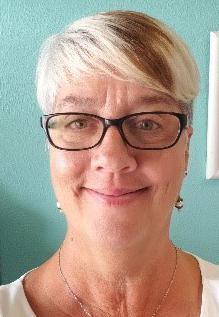
Sue Chapman
SCSEP Director
|
|
|
|
SCSEP Advertisement Airs in North and South Dakota |
Check out our new advertisement for the Senior Community Service Employment Program (SCSEP), airing in North and South Dakota! SCSEP is an on-the-job training and employment program designed to help those age 55 and older update their jobs skills, build work experience and confidence, and continue to have economic security and wellbeing.
Voiced: By Cindy Haderlie
|
|
|
|
Older Adults Equity Collaborative |
|
A Message from the Older Adults Equity Collaborative |
Happy New Year to all our friends and relations!
It must seem that nothing much is happening in D.C. these days, but there is a new law that went into effect on January 1, 2022, that I want to make sure everyone knows about. It is called the No Surprises Act, a consumer protection law that helps to control the practice of surprise medical billing. Many of us have been at the hospital coping with a difficult health crisis only to be presented with a bill for an astronomical amount, further adding to the family’s stress and financial hardships.
The Indian Health Service (IHS) provides health care to tribal communities around the country, but accidents and emergencies don’t always happen in a convenient location near an IHS clinic or facility. This law bans surprise billing for emergency and certain non-emergency services. It will require health providers and payers to resolve out of network disputes without involving the patient.
If a person doesn’t have insurance, the provider must share health care cost estimates with them. Uninsured or self-pay patients will also have access to a payment dispute resolution process. The short video about the law states that, “The No Surprises Act provides protection and assurance that life-saving care will not unexpectedly cost you your life’s savings.”
This law will not stop the high cost of healthcare in America but may help all of us make more informed choices. When looking up the reasons that people find themselves in financial hardship, medical expenses rank at the top with 66.5 percent of bankruptcies due to medical issues. Read more here:
|
And if you need help with a surprise bill or want to submit a complaint, call the consumer-friendly No Surprises Help Desk here: 800-985-3059. Hours: 8 a.m.-8 p.m. EST, seven days a week.
Be well and keep as much of your hard-earned money as possible! Here’s to starting the new year with energy and resolve! Please join us for new educational webinars. We have some interesting ones planned and will send invitations to our members. If you are not a member, please consider joining us!
Rebecca Owl Morgan
Eastern Band of Cherokee Indians
Older Adults Equity Collaborative Project Coordinator
|
|
|
|
The Fraud Landscape: Staying Safe as Scams Soar |
It seems that criminal scammers are everywhere – on your phone, online, in your email and text messages, and even at your door. The pandemic has emboldened them to go after stimulus checks, sell nonexistent but in-demand products, spread fake offers for treatments, and file for unemployment using stolen identities. But we’ve seen a remarkable spike in all scams – not just those related to COVID-19.
Listen in for a discussion on the evolving fraud landscape with Kathy Stokes and Amy Nofziger, co-leads of the AARP Fraud Watch Network. Learn about the latest, know what to watch out for, and hear harrowing stories of real fraud victims during this webinar.
|
Kathy Stokes is the director of Fraud Prevention Programs at AARP. She has worked in and around the financial security arena for most of her career and leads AARP’s efforts in helping members and other consumers spot and avoid scams. In addition, Kathy serves as a subject matter expert on Social Security for AARP’s consumer outreach activities.
Amy Nofziger is the director of Fraud Victim Support with AARP, a role she has held for nearly two decades. She leads a team of fraud specialists and dozens of volunteers who help victims of fraud through the AARP Fraud Watch Network Helpline. Her experience includes a term on Colorado’s Elder Abuse Task Force, during which the state passed a mandatory elder abuse reporting law. Due to her experience and expertise, she receives frequent public speaking invitations and has presented across the country and on television to consumers and professionals on consumer fraud. Amy is a Certified Fraud Examiner.
The AARP Fraud Watch Network is a free resource for all. With AARP as your partner, you’ll learn how to proactively spot scams, get guidance from our fraud specialists if you’ve been targeted, and feel more secure knowing that we advocate at the federal, state, and local levels to protect consumers and enforce the law.
|
|
|
|
Membership Available Online |
|
Membership with NICOA offers many valuable benefits. As a paid member you will receive NICOA’s online bimonthly newsletter, legislative updates on important issues and resolutions affecting elders, voting privileges for qualified members and discounted registration fees for qualified members to attend our biennial conferences.
Be an important part of a national membership network and become a NICOA member by applying online or by mail. |
|
|
|
Navigating LTSS: Home Health Care - February 24 |
You are invited to attend “ Navigating LTSS: Home Health Care,” the National Indian Council on Aging’s webinar about the Home Health aspect of long-term services and supports. Home Health is a way to receive medical care without having to leave your home.
Home Health was part of the law that was implemented with Medicare to help cover the healthcare needs of elders. To receive Home Health services, individuals must have difficulty leaving home, need skilled care, have a physician certify and review the plan of care and have a Medicare-certified agency delivering the services.
Register for our February 24 webinar to learn more about what Home Health is, who pays for it and what is covered under this benefit. Discover what is needed to set up Home Health as well as the differences between setting up an agency or utilizing an already existing agency.
|
|
|
|
Effective Communications Strategies Webinar |
In partnership with the National Indian Council on Aging, the Alzheimer’s Association offers this one-hour webinar “Effective Communications Strategies”. This free webinar will examine how communication changes for people living with Alzheimer’s and dementia as the disease progresses.
Valerie Tsosie (Navajo), an Alzheimer’s Association community educator, shares tips and strategies to help family caregivers stay connected and meet the needs of loved ones even when verbal communication becomes challenging or is lost completely. Participants will learn how to decode the verbal and behavioral messages delivered by someone with dementia, and identify strategies to help connect and communicate at each stage of the disease.
|
|
|
|
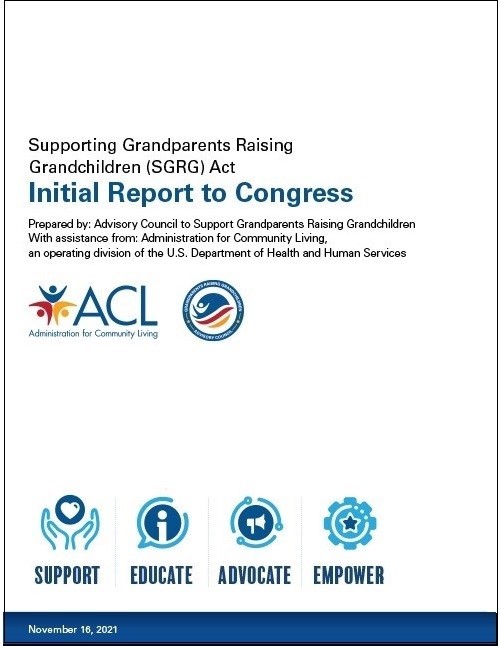
New Grandparents Raising Grandchildren Report and Recommendations for Improving Support to Kin and Grandparent Caregivers |
Late last year the Advisory Council to Support Grandparents Raising Grandchildren released its initial report to Congress. This report outlines the joys, challenges, gaps, and unmet needs faced by kin and grandparent caregivers. It also describes federal programs currently available to assist them and provides 22 recommendations for better supporting kinship families and grandfamilies. The recommendations will inform the development of the National Family Caregivi ng Strategy, which will include action steps to increase recognition and support for kin and grandparent caregivers.
The 22 recommendations fall under five priority areas:
-
Awareness of/Outreach to Kin and Grandparent Caregivers including increasing public understanding of the contributions kin and grandparent caregivers.
-
Kin and Grandparent Caregiver Engagement to better integrate kin and grandparent caregivers into the child’s care team.
-
Services and Supports for Kinship Families and Grandfamilies including increasing access to information, services, and supports like respite care, child care, counseling, and more.
-
Financial and Workplace Security for Kin and Grandparent Caregivers to promote policies that prevent them from being financially disadvantaged and adopting workplace policies, flexibilities, and practices that recognize their caregiving responsibilities.
-
Research, Data, and Evidence-Supported Practices to establish a national approach for obtaining, analyzing, disseminating, and applying relevant data on kinship families and grandfamilies.
|
|
|
|
New Booklet Helps Elders Stay Connected Through Technology |
The consumer-friendly booklet, available in English and Spanish — and customizable for your organization — includes information about platform and device options, as well as resources to help connect elders with technology and social engagement activities that match their needs and preferences. Share this new resource with the elders you serve so that they can learn about available technology options, how they can access technology and how technology can help them stay engaged and connected.
|
|
|
|
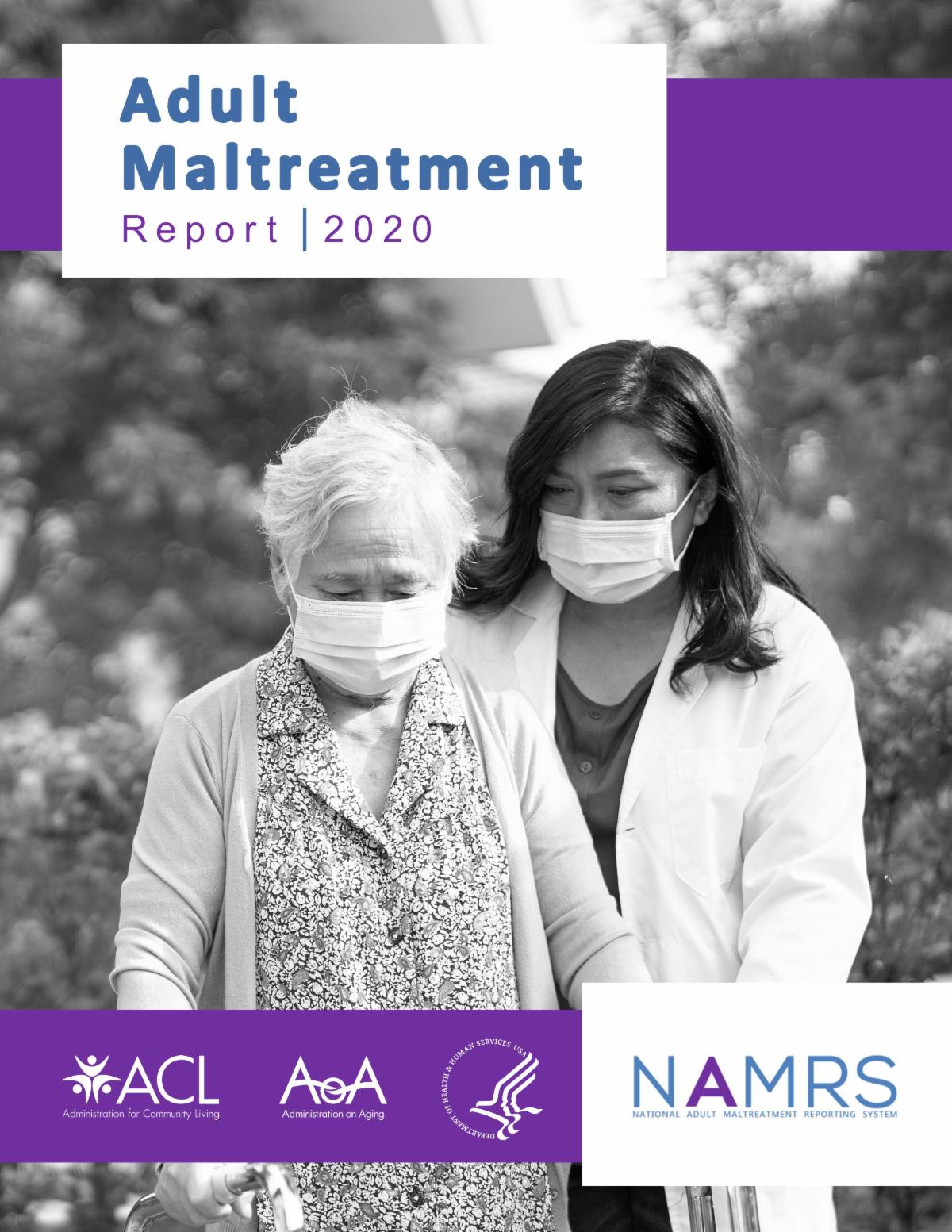
New Data from the National Adult Maltreatment Reporting System |
NAMRS collects quantitative and qualitative data on state adult protective services practices and policies, and the results of investigations into the maltreatment of elders and adults with disabilities. The report includes data on complaints received by adult protective services, types of allegations, outcomes of investigations, characteristics of alleged victims and perpetrators, and more.
In the 2020 reporting year, adult protective services programs received more than 1.3 million complaints of alleged adult maltreatment, a slight decrease compared to the previous year, potentially attributable to the COVID-19 pandemic.
The year five report includes data from every state and territorial Adult Protective Services system in the nation. This wide-spread voluntary participation reflects the value that leaders in the field see in collecting national data on adult maltreatment. The quantity and consistency of data submissions to NAMRS continues to improve with each passing year.
Understanding the nature and extent of adult maltreatment — and the ways adult protective services programs respond to it — is critical to enhancing the effectiveness of adult protective services programs. NAMRS has sparked significant improvements in adult protective services data collection and submission, and subsequently in the understanding of adult maltreatment.
In last year’s report, the Adult Protective Services Technical Assistance Resource Center began to look at the potential impact of the COVID-19 on adult maltreatment as reported to state adult protective services programs.
State adult protective services systems investigate reports of abuse and exploitation of elders and people with disabilities. They provide support and case-management and connect people facing abuse to a variety of protective, emergency, and support services. NAMRS is one of many ACL initiatives to build public and professional understanding about adult maltreatment and strengthen social supports to prevent it.
|
|
|
|
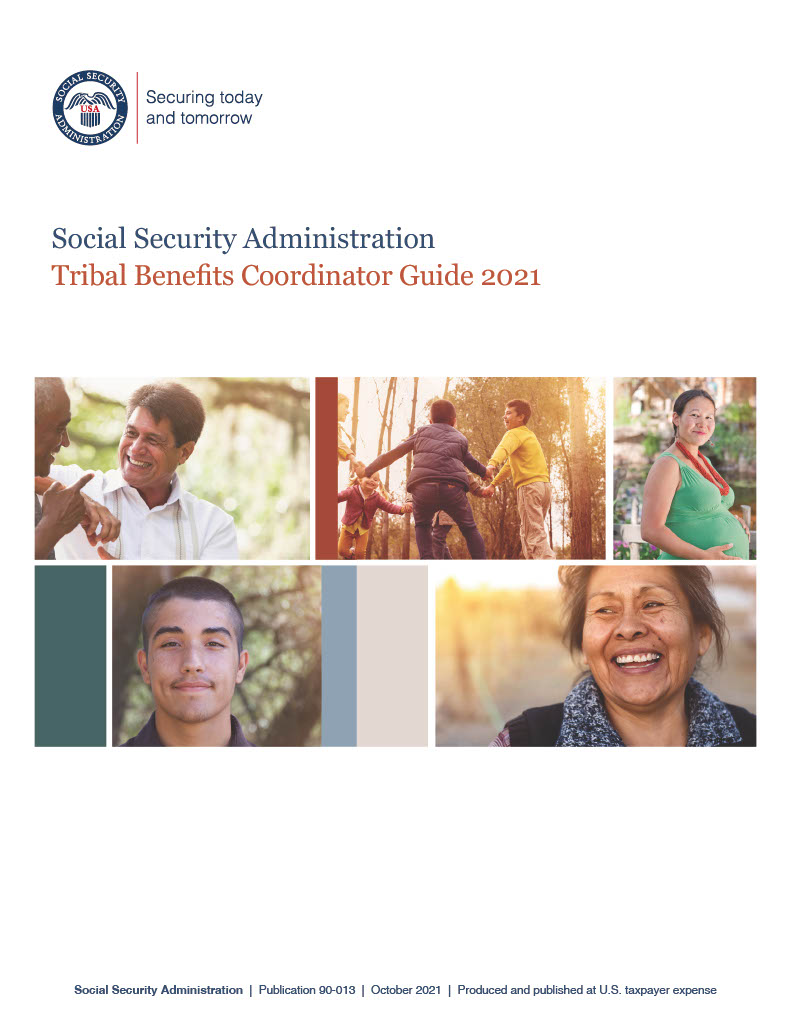
2021 Tribal Benefits Coordinator Guide Publication |
The latest edition of the Social Security Administration's Tribal Benefits Coordinator Guide includes policy updates and helpful information unique to American Indians and Alaska Natives. This guide can provide Tribal Benefits Coordinators an up-to-date picture of how Social Security serves Indian Country communities.
The Tribal Benefits Coordinator Guide is one way of providing the tools and resources specific to communities. This guide can serve as a valuable resource when discussing Social Security benefits, services, and policies. If you have suggestions for improvement or questions about information in the guide, please reach out to your local contacts or contact the Social Security Administration. |
|
|
|
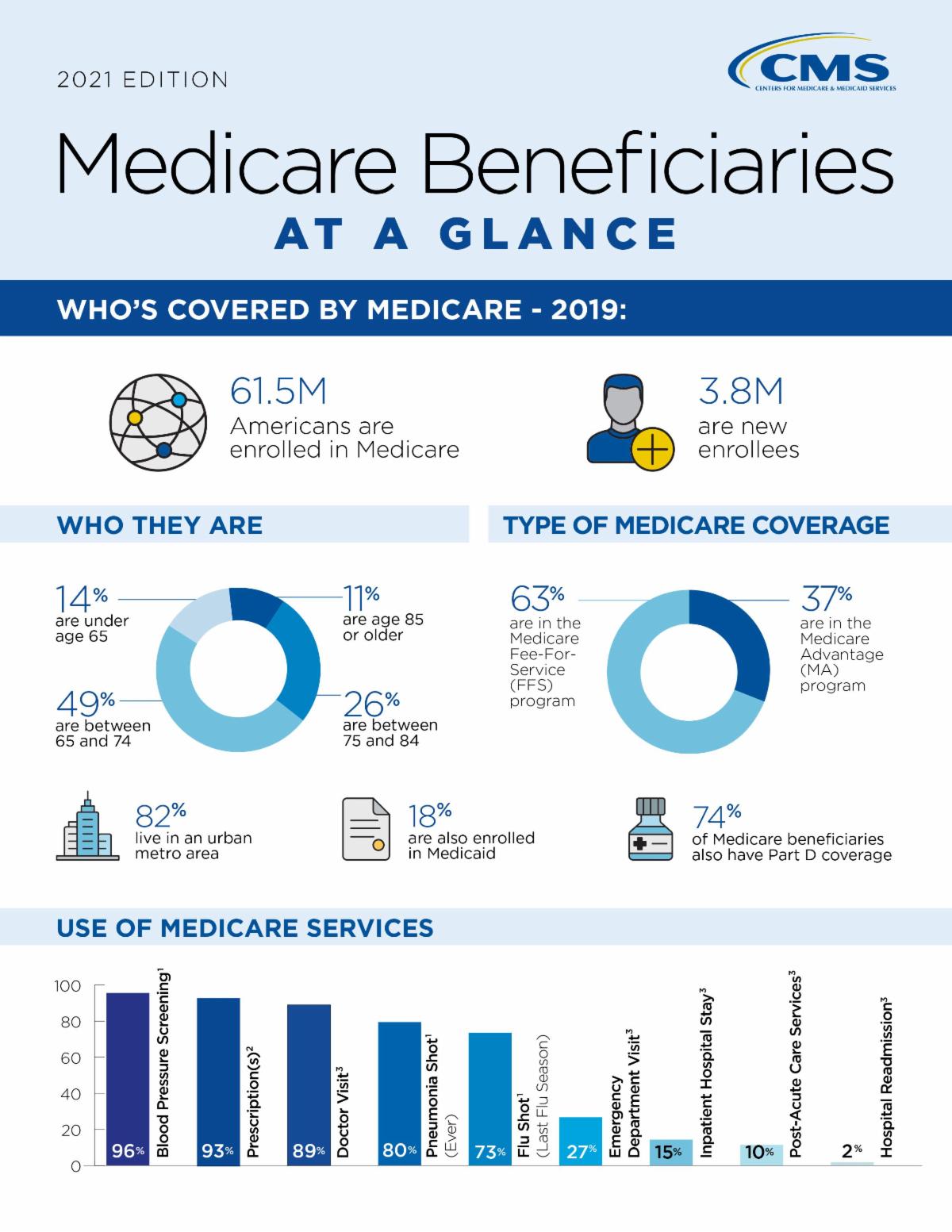
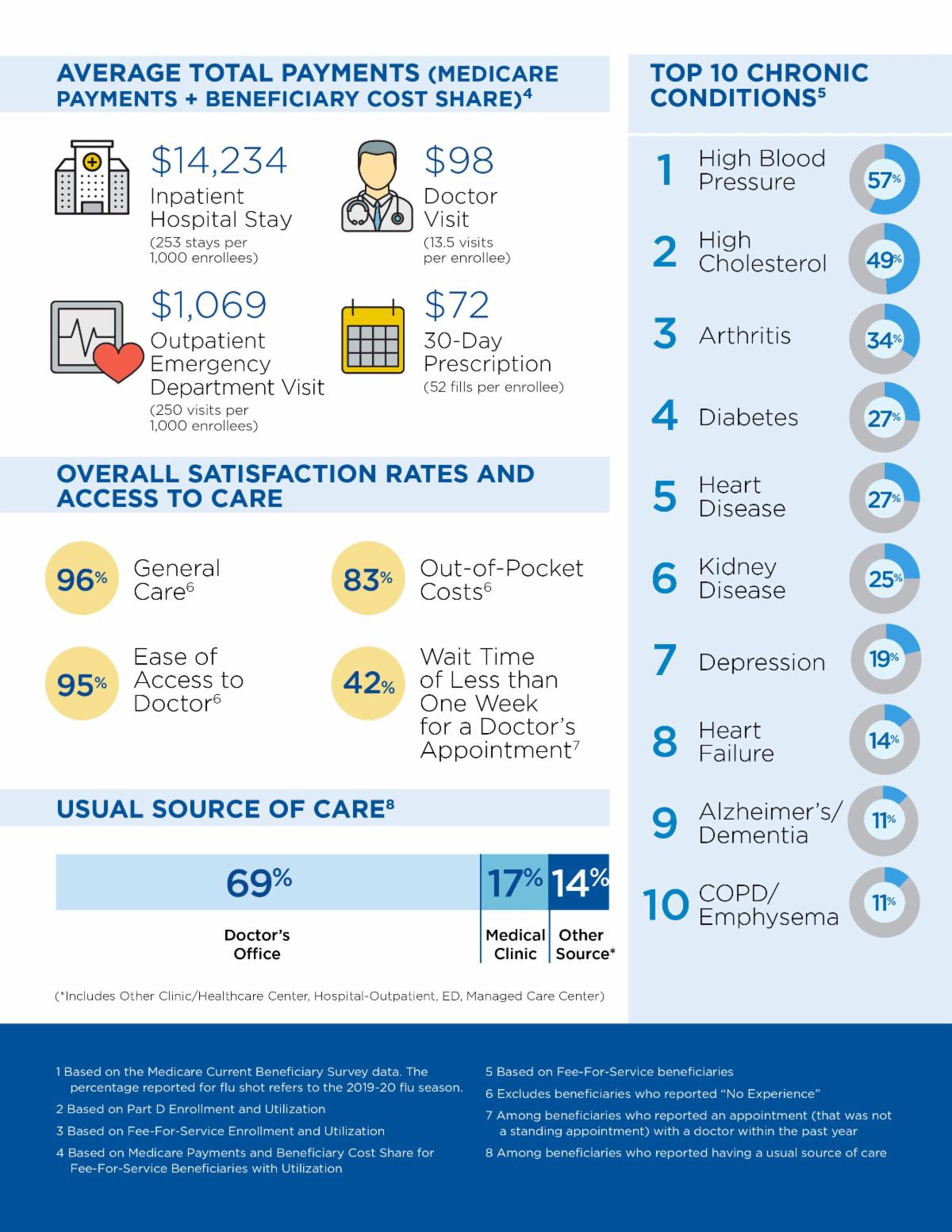
Medicare Beneficiaries at a Glance: 2021 Edition |
The Centers for Medicare & Medicaid Services (CMS) has developed the Medicare Beneficiaries at a Glance infographic, which provides a visual summary on Medicare beneficiaries, including types of coverage, utilization, average cost for specific services, top chronic conditions, beneficiary satisfaction and access to care, and usual source of care.
The data presented in the infographic are based on CMS administrative enrollment and fee-for-service claims data from the CMS Chronic Conditions Data Warehouse, as well as statistics collected from the Medicare Current Beneficiary Survey.
|
|
|
|
Tribes Are More Likely to Be the Victims of Scams |
U.S. Rep. Ben Ray Luján (D-NM) and Jerry Moran (R-Kan.) have introduced a bill that would direct the Federal Trade Commission (FTC) to study scams impacting American Indian and Alaska Native tribes and tribal members. The bipartisan legislation also requires the FTC to submit recommendations to Congress on policies to curb these deceptive practices. This study would be done in consultation with tribes and pueblos.
Tribal communities have long been the targets of fraud. Scammers often target vulnerable communities who receive trust or lawsuit settlement payments, like many tribes do, or tribal members in charge of investment committees. FTC data says that tribal members are more likely to be the victims of scams and are less likely to report scams than any other group, which makes them an even more attractive target for scammers.
|
|
|
|
5 Recent Tribal Newsletters |
|
|
|
ACL/NICOA Virtual Trainings | Tuesdays – April 19, 2022 |
Every Tuesday at 2 p.m. ET from now until April 19, 2022, the Centers for Medicare and Medicaid Services (CMS) will be hosting a virtual series in collaboration with the Administration for Community Living (ACL) and NICOA. This series will detail outreach and education on ACL and NICOA programs for tribal health care facility business staff and tribal patient benefit advocates. This webinar will also include education on understanding third party billing, reimbursement and benefits accessible to tribal health care facilities and beneficiaries.
Other subjects discussed will be CMS Tribal Affairs Updates, Clinical Documentation Improvement, Revenue Cycle Overview, State-Administered Programs, Home and Community Based Services, Medicare, Medicaid, CHIP and the Health Insurance Marketplace. The target audience for the webinar series are Benefits Coordinators, Patient Registration staff, Health Information Management staff, Purchased/Referred Care Staff, Long-Term Services and Supports Coordinators and NICOA members.
|
|
|
|
Webinar Series from CMS and NIHB for Tribal Leaders | Thursdays – April 21, 2022 |
It is more important than ever for tribal leaders to engage and learn from federal agencies and tribal organizations that impact the health of their people. These webinars will highlight the over 10 years of experience CMS and NIHB staff have in providing trainings to administrative staff at tribal health care facilities on the programs and benefits available through Medicare, Medicaid, CHIP, and the Health Insurance Marketplace.
Webinar topics will provide an overview of business staff needs and provide information to tribal leaders on a variety of related issues. The target audience for the webinar series are Tribal Leaders, Tribal Health Directors, Tribal Administrators, Tribal Council Members, Healthcare Administrators, Advocates and Partners.
|
|
|
|
Webinar on Health Equity and Data Tools from HHS | February 1 |
Specifically, this webinar will highlight HHS region 10 and the long standing health disparities that have been exacerbated there due to the COVID-19 pandemic. This webinar may be important for tribal communities and tribal health care facilities in Alaska, Idaho, Oregon, and Washington who have been significantly affected by the pandemic and who may benefit by the understanding of these health equity virtual tools.
|
|
|
|
Supreme Court to Consider Limiting Oklahoma Ruling |
The Supreme Court agreed this month to decide a question left open by its landmark 2020 decision declaring that much of eastern Oklahoma falls within an Indian reservation. The 2020 decision, McGirt v. Oklahoma, ruled that American Indians who commit crimes on the reservation, which includes much of Tulsa, cannot be prosecuted by state or local law enforcement and must instead face justice in tribal or federal courts.
The question the Supreme Court agreed to decide was whether non-Indians who commit crimes against Indians on reservations could be prosecuted by state or local law enforcement.
The court held in McGirt v. Oklahoma that part of the state once within the boundaries of the Creek Nation qualifies as Indian Country for the purposes of prosecuting major crimes. Since then, state courts have reached the same conclusion regarding the remainder of the Five Tribes in Oklahoma, meaning “almost 2 million Oklahoma residents — the vast majority of whom are not Native American — suddenly live in Indian Country for purposes of federal criminal jurisdiction,” the state wrote.
|
|
|
|
Washington Tribe Files 3rd Lawsuit Over City Dam |
The latest legal action is based on laws of nature, the tribal and Indigenous peoples’ centuries-old belief system and “customary law” rooted in the concept that nature can’t be owned and has rights of its own. In this case, the Sauk-Suiattle Tribe asserts the city’s dams harm salmon by cutting off access to miles of habitat. Salmon, according to the tribe, are akin to family members and are part of their worldview, and as such have rights that the tribe is responsible to protect.
The Skagit Project is one of the only hydroelectric facilities in the Pacific Northwest that does not include infrastructure known as fish passage. That means salmon and other species of fish have no way to reach above or below the massive dams.
Seattle’s dams are up for relicensing by the Federal Energy Regulatory Commission. In the years-long process so far, the Sauk-Suiattle and Upper Skagit Indian Tribes, as well as government regulators, Skagit County government and environmental nonprofits have criticized City Light’s reluctance to admit their dams hurt salmon, including species headed toward extinction. |
|
|
|
Tribes Sue to Protect the Gray Wolf |
Wisconsin is facing a federal lawsuit from six American Indian tribes that accuse the Department of Natural Resources (DNR) of violating treaty rights and endangering an animal they consider sacred. Under 19th-century treaties, the tribes retain rights to half of any wolves killed in territory they ceded to the United States. But rather than hunt wolves, the tribes want to protect them.
In a complaint filed last year, the tribes say the Natural Resources Board’s decision was a deliberate move to nullify the tribes’ share, failed to use “sound biological principles” in establishing the quota and is managing wolf hunting in a way that violates treaties of 1837 and 1842. |
|
|
|
Wild Gitigan Salad
For the salad:
- 4 sprigs fresh thyme
- 1½ cups whole wild rice
- 3 cups low-sodium vegetable broth
- 1 cup cooked black beans (if using dried beans, 1/3 cup dried yields 1 cup cooked)
- 2 bunches (about 8 cups) kale
- 1 cup baby tomatoes or ground cherries, rinsed and halved
- ½ cup grated pecorino Romano cheese or parmesan cheese
For the dressing:
- Juice of 1 lemon (about 2 tablespoons juice)
- 1 tablespoon fresh grated lemon zest
- ¼ cup extra virgin olive oil
- ¼ teaspoon salt & freshly ground black pepper
Cook the black beans. Either soak beans overnight or use the quick-boil method. Then, add beans to a pot of fresh water, and boil until done, about 1-2 hours. Set aside to cool.
Meanwhile, cook the wild rice. Rinse the rice well in a bowl of cold water and drain. Add rice, vegetable broth, and thyme to a pot and simmer for 20 minutes. Remove from heat and let the rice stand in the pot, covered, for 5 minutes. Remove the thyme stems and fluff the rice with a fork. Set aside to cool. Wash the kale and remove the ribs. Thinly slice the kale into ribbons. Using a salad spinner, spin until most of the water is gone.
In a large serving bowl, add the kale, a drizzle of olive oil, and a little salt. Massage the kale until it starts to soften and wilt, about 2 to 3 minutes. Set aside while you make the dressing. To make the dressing: In a small bowl, whisk together the lemon juice, lemon zest, salt & pepper, and ¼ cup of olive oil. To serve, add the wild rice, black beans, tomatoes or ground cherries, and sprinkle with cheese. Drizzle the dressing over top and toss to combine.
|
|
Green Chile, Chicken and Corn Soup
-
1 medium onion
-
2 whole cloves
-
5 cups beef broth
-
3 cups chicken broth
-
3 chicken breast halves, skinned
-
2 large baking potatoes, peeled and diced
-
2 anaheim chilies
-
2 3⁄4 cups fresh cut corn, about 4 ears
-
1 avocado, sliced
-
2 medium tomatoes, chopped
- salt and pepper
Peel the onion and stud with the cloves. Combine the onion, broths, chicken and potato in a Dutch oven; bring to a boil. Cover, reduce heat, and simmer 20 minutes or until the potato is tender.
Remove the onion. Remove the chicken, reserving the broth in the pan. Let the chicken cool, bone it, and chop the meat. Return the chicken to the pan; set aside.
Cut chiles in half lengthwis; remove seeds and membranes. Place chiles, skin side up, on an ungreased baking sheet; flatten with the palm of your hand. Broil 3 inches from the heat (with electric oven door partially opened) 6 minutes or until charred. Place chiles in ice water; peel and discard skins. Coarsely chop the chiles, and add to the reserved broth mixture.
Stir in corn; bring to a boil. Reduce heat and simmer, uncovered, 4 minutes or until the corn is tender. Taste your soup, and add salt and pepper as needed (depends on the broth you originally used).
Ladle soup into individual soup bowls. Top each serving with avocado slices and chopped tomato. Garnish, if desired with sour cream and fresh cilantro.
|
|
|
|
The National Indian Council on Aging, Inc. (NICOA) is a not-for-profit 501 (c)(3) charitable organization. Please consider adding NICOA to the charities you support.
NICOA needs your financial support as the advocacy and political work we do for our elders is not free. Grants that have helped fund NICOA are under threat in Washington, D.C., but you can help.
Your financial support will go directly to support our mission to improve health, social services and economic wellbeing for all American Indian and Alaska Native elders. Donations are tax deductible.
|
|
|
|
|
|
|
|