|
INVASIVE PLANT OF THE MONTH - WAVYLEAF GRASS
Good news first: As far as I know, there is not yet any Wavyleaf grass in Forest Lakes! The bad news: Wavyleaf grass is such a bad player that there is a hotline to report any sightings of it in Virginia! So bad that its Prism fact sheet is headlined in large bold red print: REPORT ALL SIGHTINGS of this Dangerous, Dreaded Invasive. Why so fearsome? It is a difficult-to-eradicate perennial that covers the forest floor, smothering native plants, including ferns and wildflowers, resulting in devastating loss of biodiversity in Virginia forests. Maryland is suffering from it already. so it makes sense to hold the line against it in Virginia in every way we can!
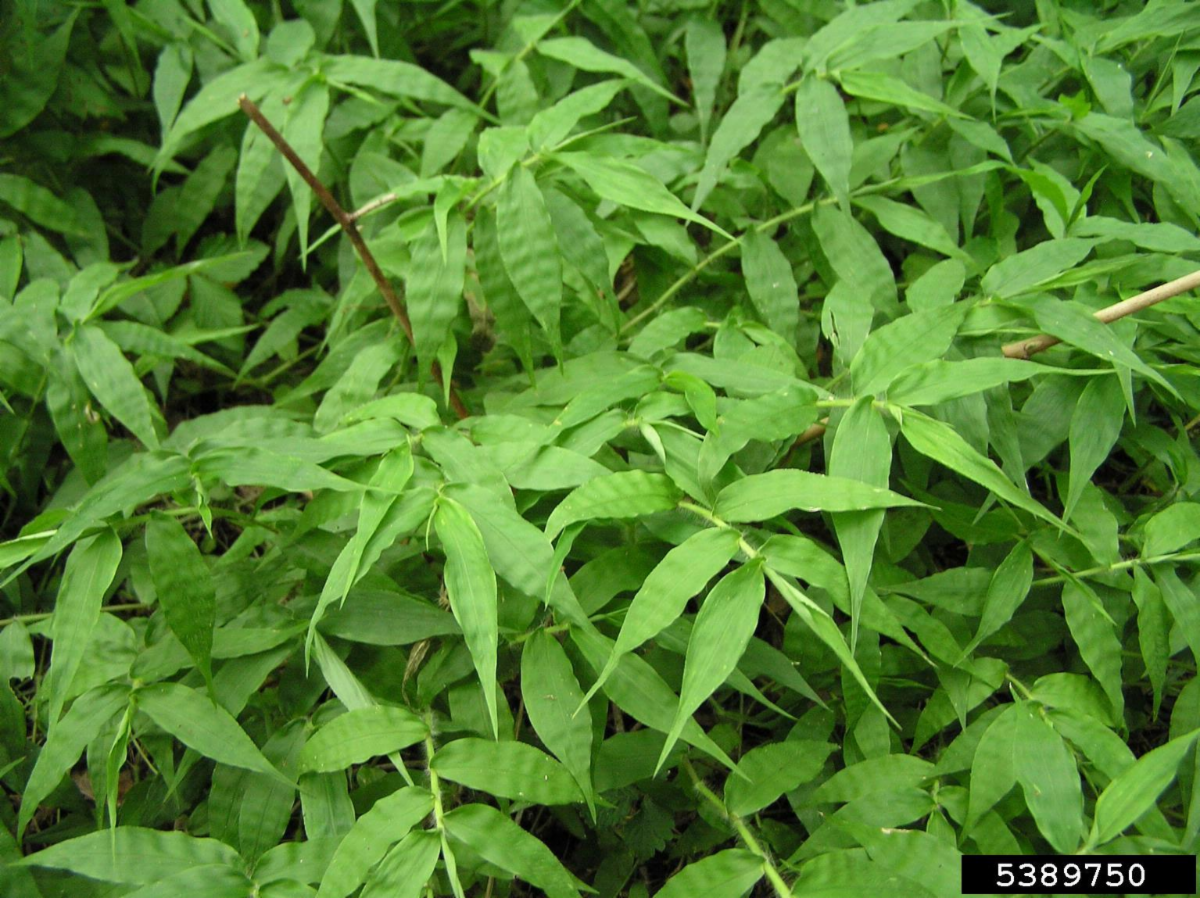
Wavyleaf grass is a relatively low creeping plant, usually less than 11 inches tall, with wavy leaves (ha! Surprise!), fine hairs on the stems, and sticky seeds that attach to anything. I mean ANYTHING, even rubber boots! Animals and people can easily, unknowingly spread hitchhiking seeds wherever they go from August through November, when the seeds abound. Wavyleaf grass loves shade and, unlike stiltgrass, which can spread in sun and shade, limits itself to the forest. Since it is a perennial, it doesn’t loosen its grip in areas where it has gained control, and even cutting it will not stop the spread. In fact, mowing it, which can send the seeds flying, seems to actually enhance its spread.
Control is really difficult. Pulling young plants in new areas can work, but you need to get all the roots, and place the plants in a bag or burn what you pulled. There are two herbicide treatments that work as well, and it is important to learn how and when to use them for Wavyleaf grass control.
What you can do:
1. If you see something that might be Wavyleaf grass anywhere, hop on the app from www.eddmaps.org, and follow the directions to upload a photo and send a GPS location. You can also do this with iNaturalist. There are some plants in our area that look similar, so checking ensures you are identifying the actual bad guy.
2. Once identified, do not walk through the areas, especially between August and November when it has gone to seed, as this can spread Wavyleaf to new locations.
3. Help Educate your friends and family.
4. Join the Forest Lakes Invasive Plant group (FLIP)!! Contact John Oliver at johndoliver@comcast.net
Kathy Smyth, FLIP Member
|