February 2025 Division Updates | |
|
Join us in welcoming our new Energy Equity Fellow, Owen Miller! Owen comes to us through the Greater Portland Council of Governments’ Resilience Corps program.
He will be serving as an Energy Navigator on the Southern Maine Energy Navigator Pilot Program, providing technical and financial assistance to homeowners as they complete energy upgrades to their homes. He is excited to have this opportunity to learn more about sustainable policy and to be a part of a community-based project. Owen attended college at the University of New Hampshire where he graduated with both a bachelor’s degree in Economics: Sustainability and Public Policy and a BA in Philosophy. Owen loves spending time outdoors and has been a hiker since he could walk. He also enjoys cooking new recipes and listening to new music in his free time.
| | |
Biddeford-Saco-Old Orchard Beach Transit Workshop | |
|
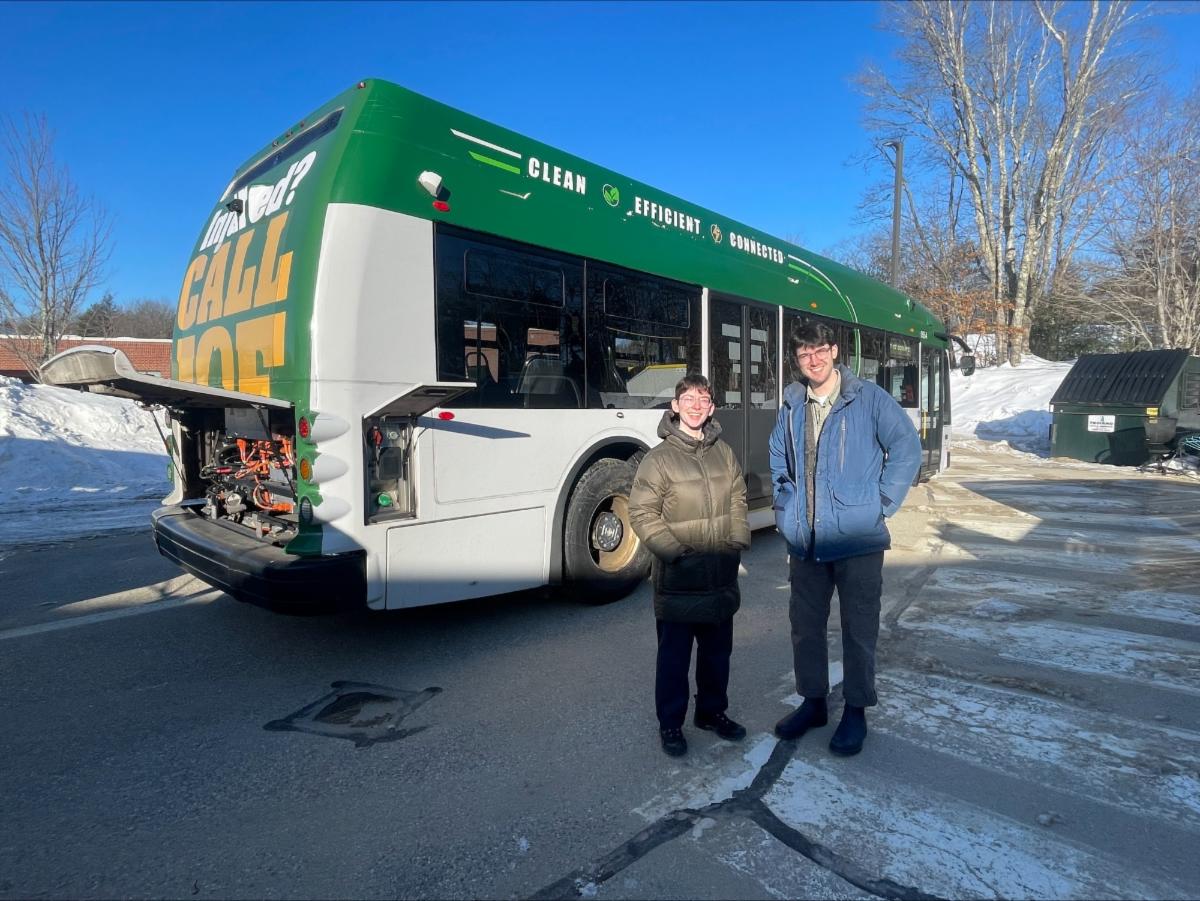
On February 19th, members of SMPDC’s Sustainability and Resilience staff attended an electric vehicle charging workshop hosted by Biddeford-Saco-Old Orchard Beach (BSOOB) Transit. BSOOB Transit is one of the first transit agencies in the state to integrate an electric bus into their fleet.
The workshop included a tour of the electric bus and an informative presentation about electric vehicle charging and technology. The workshop also included an overview of BSOOB Transit’s recent feasibility study for a microgrid bus facility, which would increase resilience and aid in emergency response by allowing buses to continue to run during power outages.
| | |
Energy Resilience Stakeholder Group Kicks Off | |
|
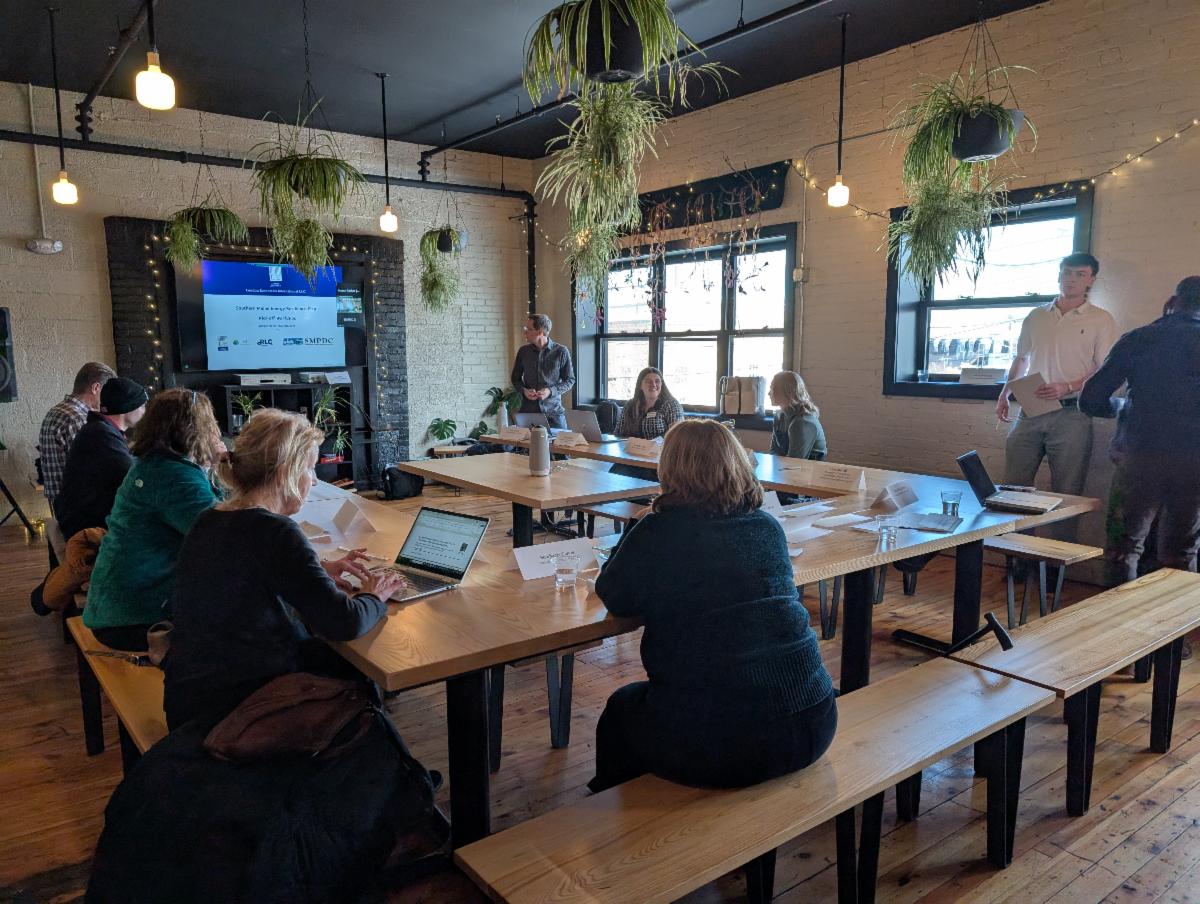
SMPDC hosted the first Southern Maine Energy Resilience Stakeholder Group meeting in mid-February in Biddeford. The stakeholder group is part of the Southern Maine Energy Resilience Plan Project. The eighteen-month planning process will identify energy reliability challenges, recommend local and regional resilience measures, and propose areas for cooperation and partnership.
The stakeholder group will ensure that the plan is responsive to the needs and priorities of the regions diverse spectrum of stakeholders that provide and use electricity and that respond to power outage events. The discussion included peoples’ personal experiences with power outages, local resilience initiatives that should be considered when writing the plan, and the vulnerability of the region’s critical infrastructure. The stakeholder group will meet four more times to discuss actions that can be taken to improve energy resilience in the region.
Going forward, the consultant team of London Economics International, RLC Engineering, and Consensus Building Institute to coordinate with state resiliency planning efforts, complete an analysis of the region’s grid reliability, and map out community engagement for the planning process.
| | |
Kennebunk River Study Begins | |
|
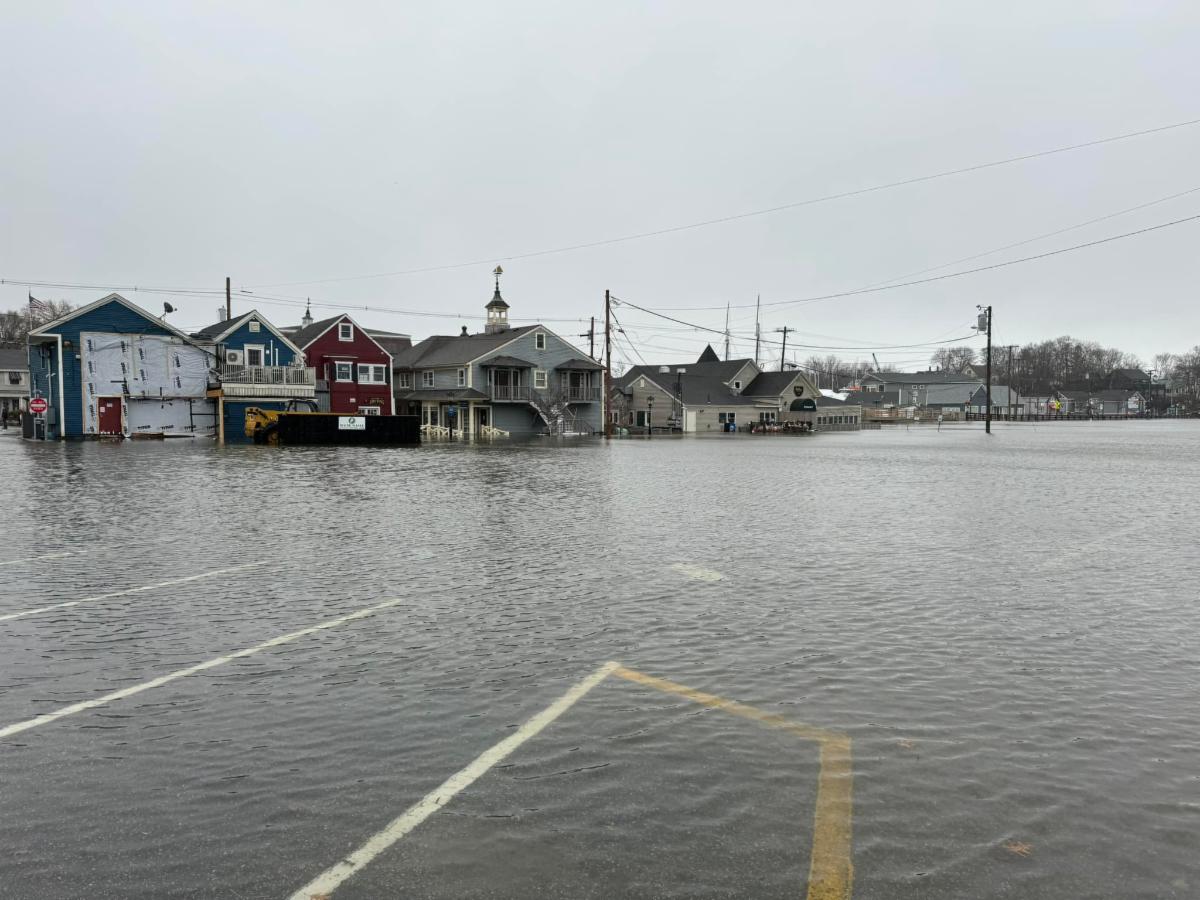
In March, the towns of Kennebunk and Kennebunkport, with support from SMPDC, will kick off a new project to collect data to inform future coastal resilience initiatives. This work comes in direct response to the increasing risk of tidal flooding, such as that which occurred during the winter storms last December and January.
Over the next 18 months, the project team will:
- Conduct hydraulic and hydrologic modeling to assess flood risk
- Deploy a tide gauge for real-time water level monitoring
- Assess and monitor water quality
- Engage with community members to better understand local concerns and needs related to flood vulnerabilities and adaptation options.
This project will gather and analyze essential baseline data on flood risk and water quality conditions, which the towns can use to determine adaptation and resilience actions, as well as inform policy decisions.
To learn more about this project, contact Abbie Sherwin, Resilience Division Director, at asherwin@smpdc.org.
| | |
University of New England Students Getting Involved in Local Climate Adaptation | |
|
This month, University of New England’s Climate Change Adaptation: Planning and Policy class hosted a panel about local climate adaptation planning. Karina Graeter, SMPDC's Sustainability Division Director, presented the Southern Maine CAP Cohort project and then joined a panel discussion along with community representatives from Kennebunkport and Kittery. The panel discussed the CAP Cohort project’s biggest success, challenges, and current implementation efforts.
Over the next several months, the students will work on group projects to help advance climate adaptation in southern Maine communities. Including:
-
Creating a coastal resilience webpage for Biddeford that contains information about existing efforts and accessible information for residents.
-
Developing outreach materials for the City of Biddeford to help inform residents about actions they can take to make their landscapes or yardscapes more resilient and sustainable.
-
Investigating the feasibility of developing a solar farm on a reclaimed dump for the Town of Kennebunkport.
-
Developing information to include in a Beach Management Plan for York County, Maine.
| | |
New Legislation Introduced to Help Mainers with Storm Preparedness | |
|
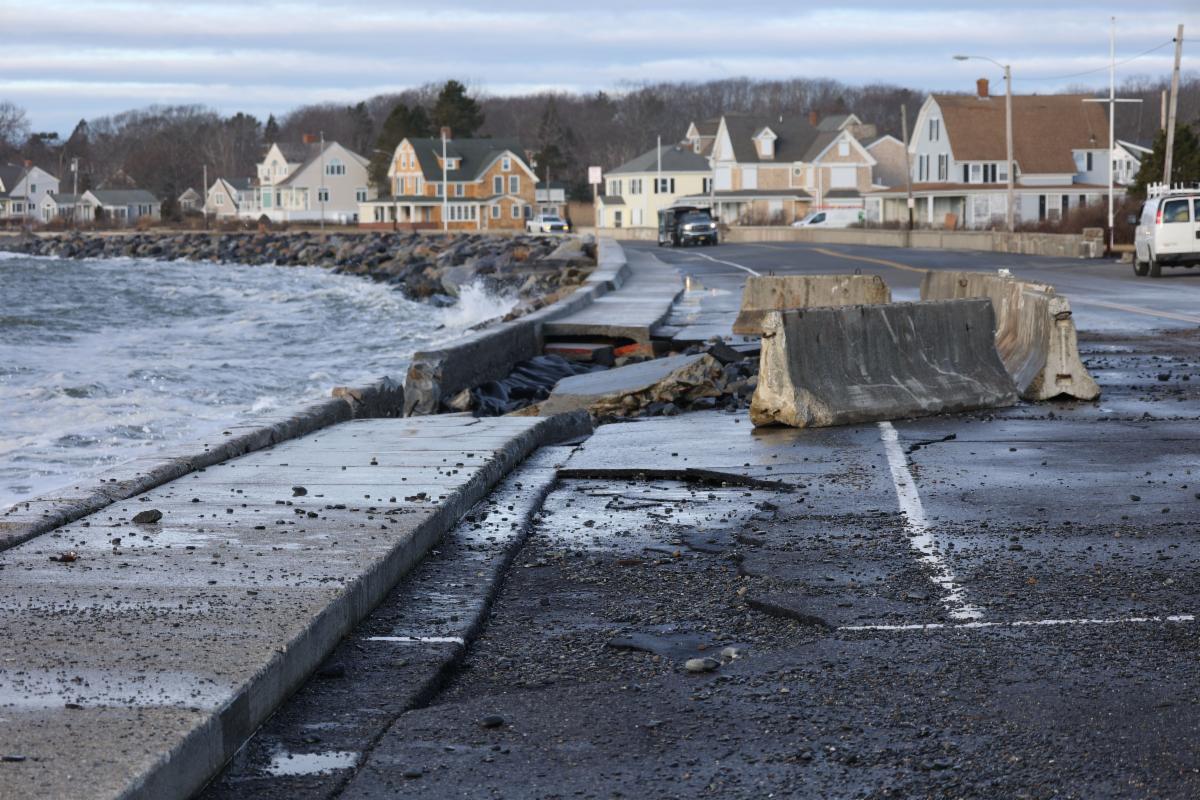
At the start of this year’s legislative session, Governor Mills introduced LD1: An Act to Increase Storm Preparedness for Maine’s Communities, Homes and Infrastructure. This bipartisan bill was developed in response to last winter’s devastating storms, which caused significant damage along the coast. If passed, this bill will aim to increase the emergency planning capacity at all levels of government in the state, increase coastal resiliency, and reduce storm-related costs for communities.
The bill features three major parts:
-
Establishing the Home Resiliency Program, which provides grants to homeowners for storm resilience upgrades like reinforcing doors and windows, flood proofing, and other reinforcements.
-
Improvements to the statewide and regional emergency communications systems by establishing a new state fund to match federal emergency funding and providing training and education for statewide emergency communications. This part of the bill also invests in two new staff positions at the Maine Emergency Management Agency (MEMA) to administer this new fund and implement the communications upgrades, respectively.
-
Establishing the State Resilience Office and transferring funding to flood preparedness initiatives in the state. The State Resilience Office is a new office within the Maine Office of Community Affairs (MOCA) that supports planning initiatives that reduce flood and storm related damage, protect infrastructure, and aid public safety.
| | |
Innovative Approach for Dune Resilience in Wells | |
Private property owners in Wells are using nature-based strategies to protect their sand dunes. Using nature-based strategies like those described below, property owners can restore dune systems and protect them from future damage. Click the video below from NewsCenter Maine for more information! | | |
|
-
The Maine Coastal Program, Maine Geological Survey, and the Department of Agriculture, Conservation, and Forestry’s Bureau of Resource Information and Land Use Planning are hosting a series of webinars about minimizing the impacts of natural hazards and enhancing community resilience. Topics include comprehensive planning, vulnerability assessments, infrastructure upgrades, and model zoning and ordinances. The latest topic was Demystifying Nature-Based Strategies. Watch past webinars here.
-
The Maine Council on Aging is hosting a summit titled Aging in a Changing Climate: Putting Experience into Action, which will explore the critical role of older adults in building climate-resilient communities. The event will highlight strategies for integrating older residents into climate planning and action. Participants will gain practical insights on leveraging their experience to develop community-based solutions, promote well-being, and ensure age equity in climate resilience efforts. The summit will take place over two days, April 9th from 9:00am to 12:30pm & April 10th from 12:30pm to 3:30pm, and does have a registration fee of $75. Learn more and register here.
-
Passivhaus Maine is hosting a webinar called Introduction to Deconstruction on Wednesday March 12th at 12:00pm. The webinar will discuss recommendations from Maine’s climate action plan on how to reduce embodied carbon through salvage and deconstruction; as well as the practices and programs Maine communities, homeowners, businesses and organizations can use to strengthen our economy and grow our workforce while supporting climate plan implementation. The webinar is free, but registration is required. Register here.
| | |
|
-
The next round of funding for several Federal Emergency Management Agency (FEMA) grants is now open. Applications for both the ‘Building Resilient Infrastructure and Communities’ (BRIC) grant and the ‘Flood Mitigation Assistance’ (FMA) are open, and the deadline to apply is March 7, 2025 by 5:00 pm. For more information on these grants, visit the Maine Emergency Management Agency (MEMA)’s website here. If your town would like assistance pursuing one of these opportunities, please feel free to reach out to SMDPC by emailing Melanie Nash at mnash@smpdc.org.
-
The York River Stewardship Committee has issued a Request for Proposals (RFP) and an accompanying Application Form for the second year of its York River Watershed Grants Program, made possible with funding from the National Park Service Partnership Wild and Scenic Rivers Program. Through this funding opportunity, the Stewardship Committee supports projects that implement the York River Watershed Stewardship Plan to protect or enhance watershed resources. Eligible applicants include watershed municipalities (town departments and town boards/committees) and community-based 501(c)(3) organizations. Statewide or regional 501(c)(3) organizations and government entities outside of the watershed communities of Eliot, Kittery, South Berwick, and York are also eligible to apply for projects that directly benefit York River watershed resources. Applications are due by April 16, 2025.
-
The American Association of Retired Persons (AARP) provides grants of up to $25,000 to support projects that benefit residents, particularly those aged 50 and older, in areas such as public spaces, transportation, housing, digital connectivity, and community resilience. Applications are due Wednesday, March 5. Learn more here.
-
The Piscataqua Region Estuaries Partnership (PREP) has announced their Request for Proposals for 2025-2026 PREPA Grants! Funding for each project ranges from $5,000-$25,000 in scope. The PREPA Grant Program is designed to help communities make big strides in protecting their natural resources and water quality, or in preparing for and adapting to climate change. This funding opportunity is available to any of the 52 towns in the Piscataqua Region Watershed in both Maine and New Hampshire. Applications are due March 31, 2025, and you can find more information here.
| |
Thanks for reading! Stay in touch- feel free to reach out to learn more, and be sure to follow us on social media. | |
Southern Maine Planning & Development Commission | Website
| |
| | | |