|
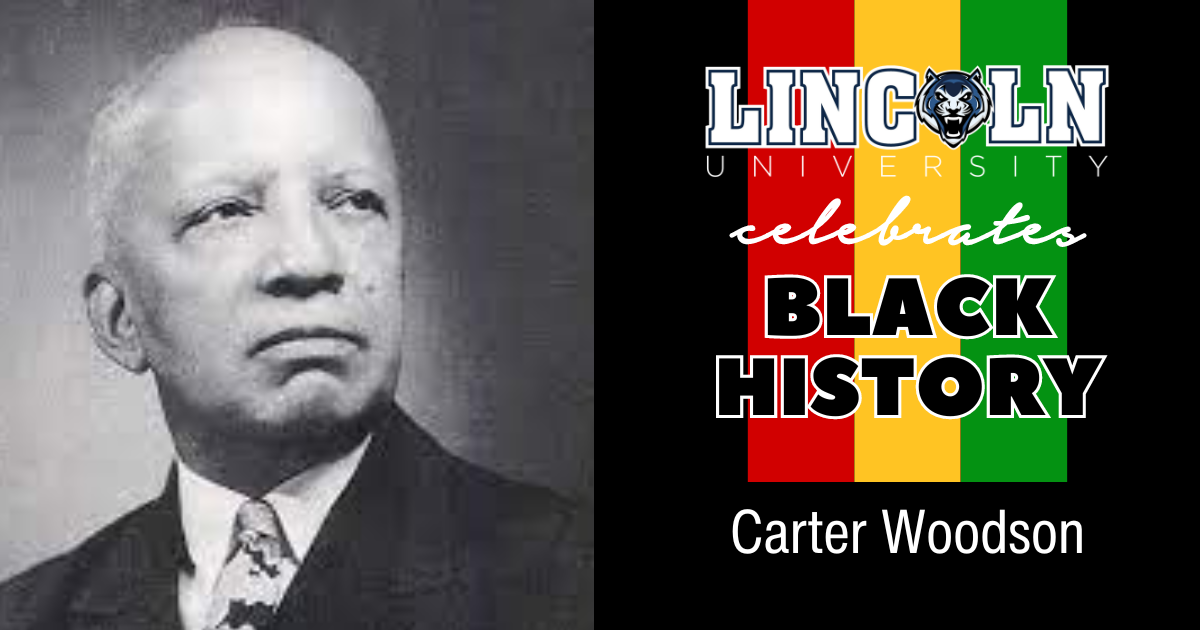
Carter G. Woodson
December 19, 1875 - April 3, 1950
“For me, education means to inspire people to live more abundantly, to learn to begin with life as they find it and make it better.”
Carter G. Woodson was a pioneering Black historian and author often referred to as the “Father of Black History.” Born in Virginia, Woodson dedicated his life to promoting the study and recognition of Black contributions to history. In 1926, he initiated the celebration of Negro History Week during the second week of February to coincide with the birthdays of Abraham Lincoln and Frederick Douglass. This concept evolved into Black History Month, which originated in February 1976.
Woodson founded the Association for the Study of African American Life and History and authored several influential works, including The Mis-Education of the Negro. Through his tireless efforts, Woodson significantly contributed to the acknowledgment of Black history and culture, leaving an enduring legacy in the field of Black studies.
Notable Achievements
-
Initiation of Negro History Week: In 1926, Woodson established Negro History Week, which later evolved into Black History Month. This annual observance played a role in raising awareness about Black history and achievements.
-
Founding ASALH: Woodson founded the Association for the Study of African American Life and History (ASALH) in 1915, an organization dedicated to researching, preserving and promoting Black history and achievements.
-
Authorship of The Mis-Education of the Negro: Woodson wrote the influential book, The Mis-Education of the Negro (1933), which critiqued the educational system’s neglect of Black history and advocated for a more inclusive curriculum.
-
Advancing Black Studies: Through his scholarship and advocacy, Woodson significantly contributed to the development of Black studies. He is often known as the “Father of Black History” due to his pioneering efforts in highlighting and promoting the study of Black history.
Learn more about Carter G. Woodson's legacy here.
|