|
Dear Health Gap Community:
Have you ever left a doctor’s appointment wishing you had asked one more question? October is Health Literacy Month, a time to help us feel more confident understanding health information, speaking up, and making informed decisions about our care.
In this week's video, I explain two terms that help us understand why health outcomes can differ from one community to another. I hope it helps make the conversation clearer for you and your loved ones.
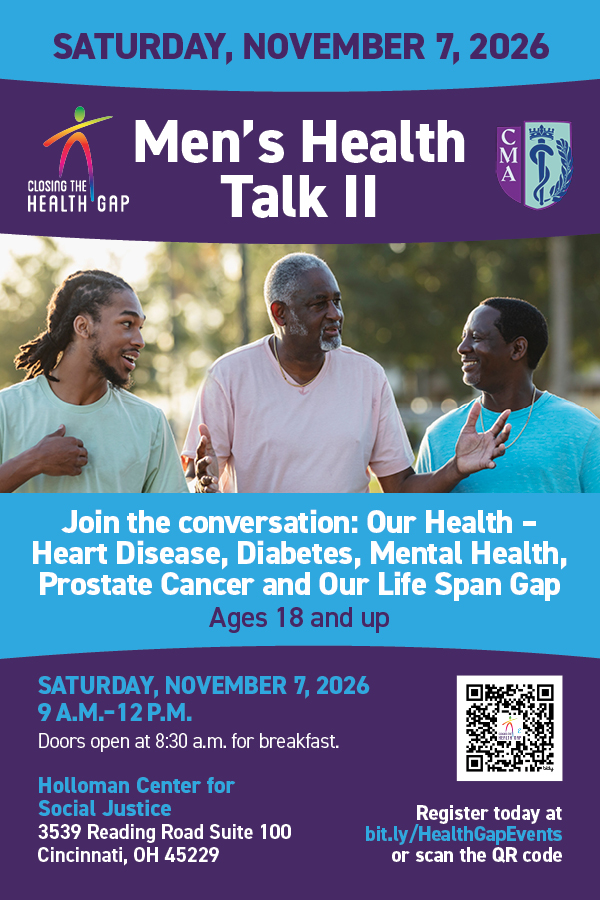
I also invite you to join us for our Men’s Health Talk on November 7. Understanding your risk factors can help you make better choices about your health. We’ll talk about wellness and the importance of preventive care with the men in our communities.
We Must Save Us! Blessings to you for a safe and healthy week ahead.
Renee Mahaffey Harris, MPH
President & CEO
| | |
October is Health Literacy Month!
At the Center for Closing the Health Gap, we believe that understanding your health is the first step toward taking charge of it. Health Gap CEO Renee Mahaffey Harris, MPH shares her insights about two important terms.
| | |
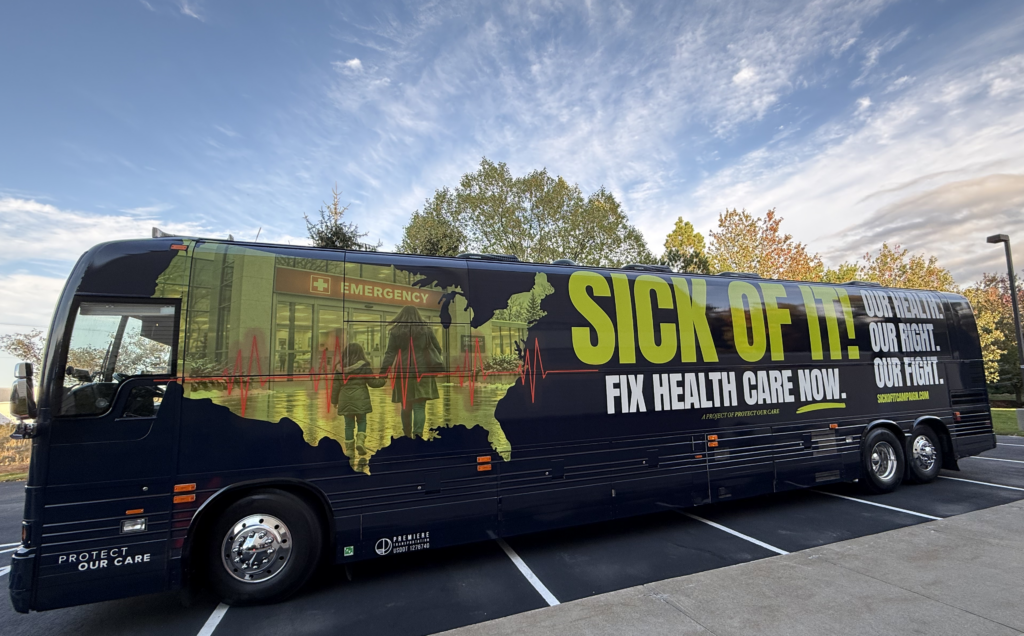
“Sick of It! Fix Health Care Now” Bus Tour Stops in Cincinnati, Features Health Gap CEO
This morning, Protect Our Care’s “Sick of It! Fix Health Care Now” bus tour stopped in Washington Park. Elected officials, health care advocates, and storytellers joined together to call out Donald Trump and Republicans in Congress for taking a wrecking ball to our health care system, giving voice to the millions of Americans who are rightfully sick of it. Hard-working families are fed up with the growing health care crisis after Trump and Republicans slashed more than $1 trillion from Medicaid and gutted Affordable Care Act (ACA) tax credits to bankroll tax breaks for billionaires and big corporations.
CINCINNATI, OHIO
WHO:
- Rep. Greg Landsman (D-OH-01)
- Renee Mahaffey Harris, President and CEO, Center for Closing the Health Gap
- Dr. Brian Hambley
- Diana Kinley, health care advocate
- Laura Packard, cancer survivor and health care advocate
WHERE: Washington Park
WHEN: Friday, October 16, 2026 at 8:30 AM
| |
Drivers of Black-White Disparities in Hypertension Risk After Pregnancy: Findings From CARDIA
Hypertension is the leading risk factor for cardiovascular disease, with disparities observed by race. Few studies have examined how intersecting social and sex-based biological determinants influence hypertension incidence among parous individuals and across racial groups. The objective of this study was to examine whether female-specific cardiovascular disease risk factors (eg, adverse pregnancy outcomes), individual-level (eg, education), and structural-level (eg, neighborhood) social drivers of health (SDoH), beyond traditional cardiovascular disease risk factors (eg, physical activity), explain the Black-White disparity in hypertension following pregnancy.
|
Breast cancer disparities can delay diagnosis and worsen outcomes, experts say
Breast cancer is the second most common cancer among women and accounts for about 1 in 3 new diagnoses of its type each year according to the American Cancer Society.
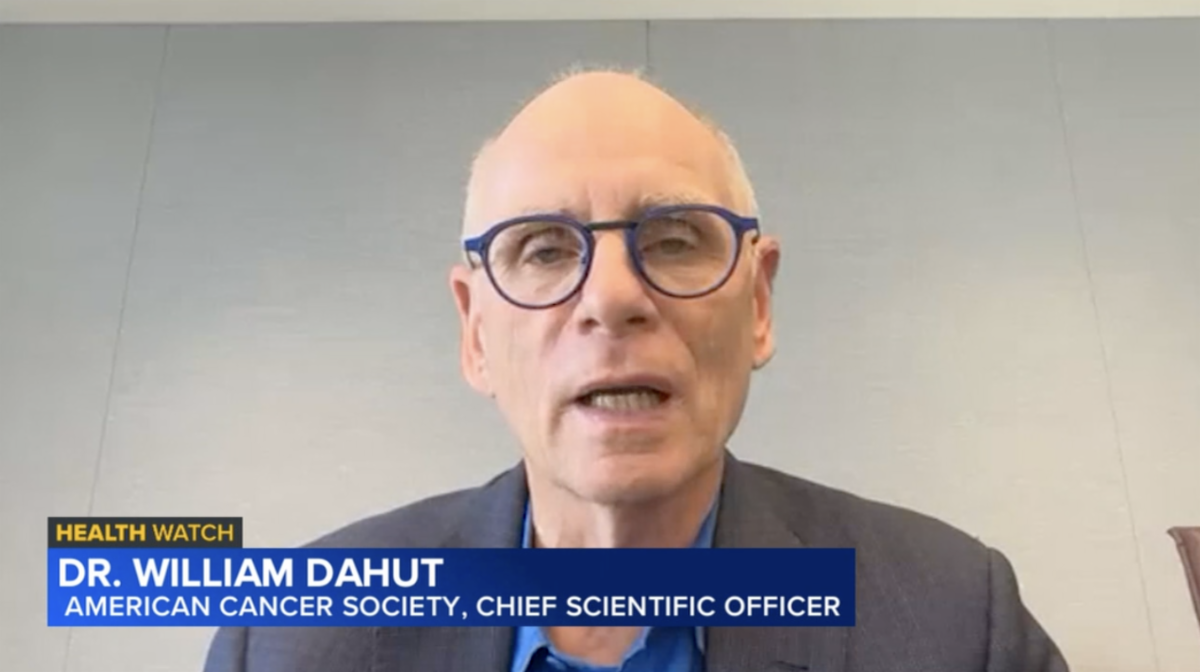
During Breast Cancer Awareness Month, experts are highlighting how cancer health disparities can affect identification, treatment and survival outcomes. Dr. William Dahut, chief scientific officer for the American Cancer Society, said early detection remains critical.
"We know if you find breast cancer early on, the outcome is significantly better," Dr. Dahut said.
Dr. Dahut encouraged women to be aware of changes in their bodies, take concerns seriously and seek medical attention when something does not seem right.
|
Closing the Health Literacy Gap in Blood Cancer Care
Health literacy in cancer care is increasingly being treated as something health systems build rather than a ready skill patients carry with them throughout their care journeys, a shift with practical consequences for how blood cancer specialists explain risk, clarify online misinformation, and move expertise close to patients’ homes. The scale of the problem is not small.
Healthy People 2030 now defines health literacy as the degree to which organizations enable people to find, understand, and use information and services, which places part of the burden on the institution instead of the individual.1 The Agency for Healthcare Research and Quality’s Health Literacy Universal Precautions Toolkit goes a step further, advising practices to assume any patient may have difficulty understanding health information and to confirm comprehension with techniques such as teach-back.2 A National Comprehensive Cancer Network webinar cited that nearly 9 in 10 American struggle to process complex medical information.
|
Boston aims to close its life expectancy gap by 2035
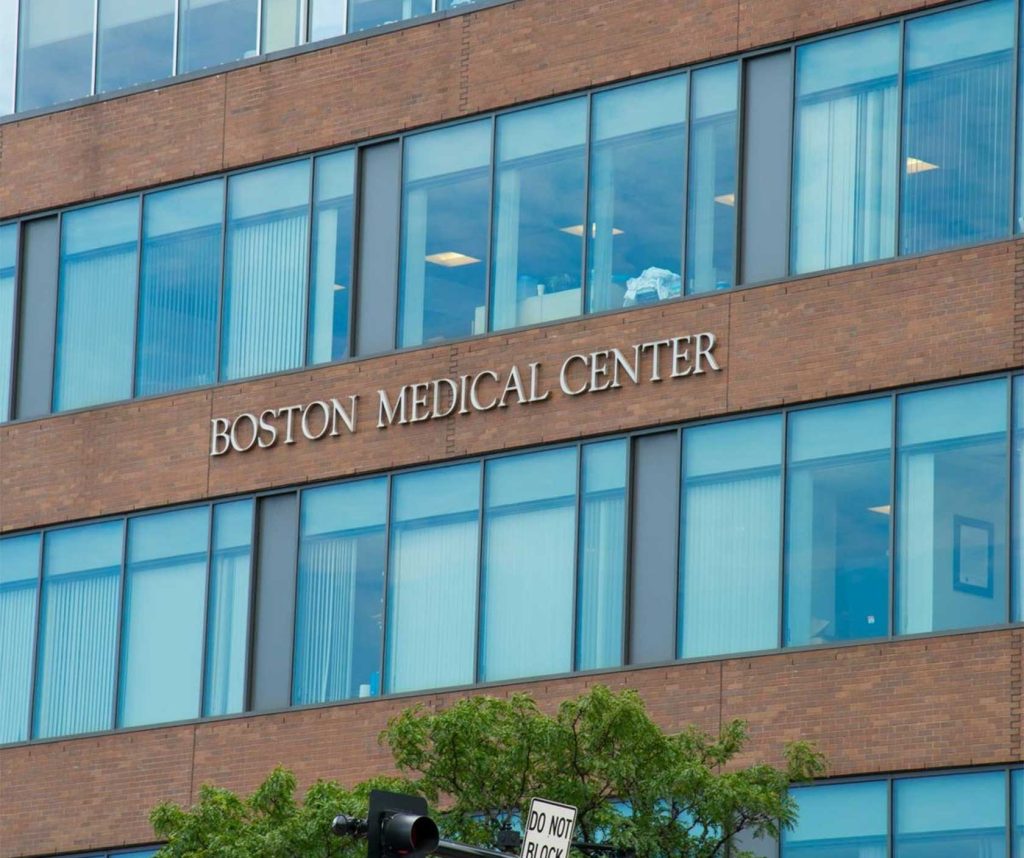
Boston has set a goal to close the life expectancy gap citywide by 2035, according to the Boston Public Health Commission’s Live Long and Well campaign. The gap is much older than the goal. A 2012 analysis found a 33-year difference in life expectancy between a census tract in Back Bay and one in Roxbury. The commission’s latest analysis puts it at 23 years, with Back Bay at 91.6 years and Roxbury at 68.8. The tracts are about two miles apart.
At the same time, another gap is growing. Black Bostonians lived an average of 76 years in 2023, six years fewer than white residents, up from a four-year gap in 2019. The metrics have alarmed local health leaders, who allude to the criteria as telling proof of larger disinvestments for Black, brown and low-income neighborhoods — from healthy food to access to transit and health care, or some of the social determinants of health.
| | | | |