DRUG & POISON INFORMATION CENTER | |
Save the Date: 2025 National Poison Prevention Week | |
Winter Safety: Ice Melt Products | |
|
Snow and ice can cause slippery surfaces during the wintertime, and ice melt products are designed to keep us safe. However, it’s important to take precautions when using these products. Ice melt products contain calcium chloride, potassium chloride, magnesium chloride, or a combination of these chemicals. Rock salt is a less expensive alternative which consists of sodium chloride (NaCl). It may also be harmful to children and pets if swallowed, so please keep the following safety tips in mind.
Image Credit: iStock
Children
Children are always exploring their world and love to put things in their mouth. Poison Control Centers gets many calls about children who put ice melting crystals into their mouths. With small amounts it is well tolerated, however if enough is swallowed these products may cause symptoms including irritation to the mouth or skin, rash, nausea, or vomiting. With significant amounts it can affect electrolyte balance and pose significant harm. To prevent exposure, keep all chemicals, including ice melt products, up and out of sight of children and make sure to remove shoes and vacuum promptly if salt or ice melt is tracked into the house.
Pets
Some ice melt products may claim to be pet-friendly, however many of these products may cause irritation to the pet’s paws and skin. Pets may also become sick from swallowing ice melt products and may develop vomiting or seizures. If your pet is outdoors and may have encountered ice melt products, the safest bet is to wipe off their paws as soon as possible. This may prevent them from licking their paws and swallowing some of the ice melt product as well as help prevent them from tracking the product into the house where it could be accidentally swallowed by a child.
Even though ice melt products keep us safe during winter weather, they come with risks. Always keep these products out of sight and out of reach of children and pets. If you suspect your child has consumed an ice melt product, call the Drug and Poison Information Center (DPIC) at 1-800-222-1222. Experts are available 24/7/365 to provide you with free, confidential advice.
If you suspect your pet has been exposed to an ice melt product, contact your veterinarian or the ASPCA 24-hour emergency Animal Poison Control Center at 1-888-426-4435 or the Pet Poison Helpline at 1-855-764-7661.
| |
Parents: Know the Dangers of Water Beads | |
|
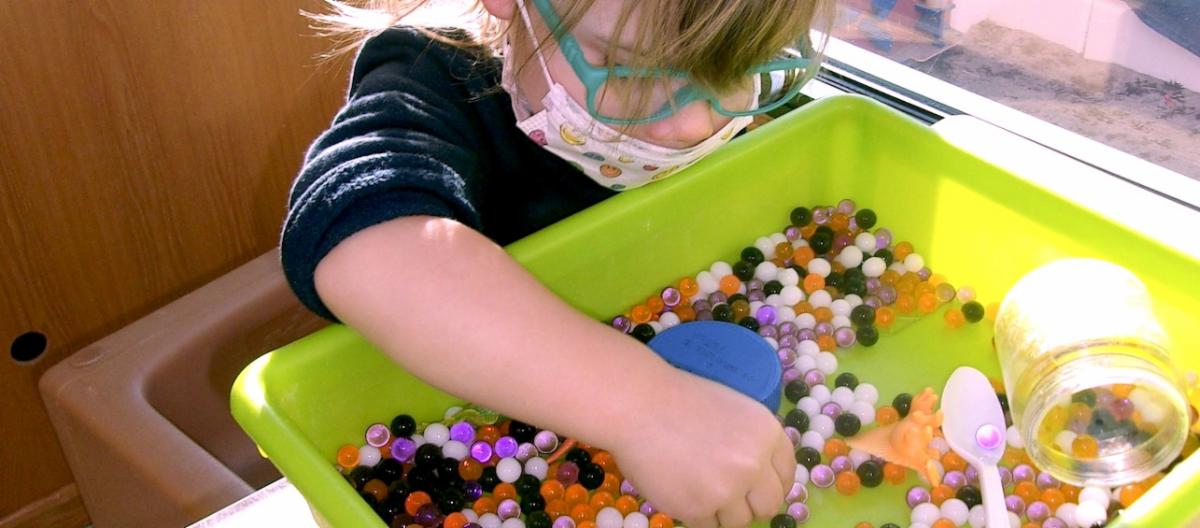
If you have a child under age 10, you’re probably familiar with water beads. Your child may have come home from day care talking about them. You may even have some in your own home. But as much as your child might enjoy them, they do come with serious risks to be aware of.
What Are Water Beads?
Water beads have become a popular children’s toy in recent years. They are heavily marketed as nontoxic and environmentally safe products. Often used in vases and floral arrangements for decoration, they are also now being used in sensory development activities in daycares, schools, and homes.These small, brightly colored, squishy balls start out as tiny beads that can look very much like candy. When placed in water, the beads grow. Keep them in water longer and they grow even bigger. In fact, they can expand up to 200 times their original size.
What Happens if a Child Swallows a Water Bead?
Over the past few years, there has been an increase in reported incidents of children swallowing water beads. This can have devastating results. If ingested, the beads rapidly absorb water from the body and continue to expand, which can cause an intestinal blockage requiring surgery.
There have also been reports of children with eardrum damage and hearing loss resulting from the water beads being placed in the ears and then expanding.
As a result, the United States Consumer Product Safety Commission (CPSC) has recalled several brands of jumbo water beads. In March 2024, the CPSC issued warnings about two brands of water beads (Jangostor & Tuladuo) due to high acrylamide content. However, other brands are still available for purchase both online and in retail stores. In the past five years, more than half of the cases that the Cincinnati Drug and Poison Information Center (DPIC) has managed have been ingestions in children ages 1-2.
Know the Risks Related to Water Beads
It is important to be aware of the hazards of accidental water bead ingestion and to consider the potential risks before using water beads as a sensory toy. Just because they are labeled as nontoxic does not automatically mean they are safe. Ingesting even a single water bead poses several potential dangers including choking, airway blockage, intestinal blockage, or even neurological damage.
Water beads are banned from Cincinnati Children’s due to safety concerns, however you may encounter them elsewhere, so it is important to keep the following guidelines in mind.
Rules for Using Water Beads
If your children have water beads, make sure to set up some ground rules to help keep the whole family safe. Talk to your child’s day care or school and make sure they know these rules as well:
- Use water beads only under appropriate adult supervision.
- Allow children to play with water beads only after the beads have fully expanded per the product instructions.
- Most popular brands of water beads are recommended for kids 5 years old and older.
If you suspect your child has ingested a water bead, contact the Drug and Poison Information Center (DPIC) at 1-800-222-1222. Our team of experts is trained to handle a variety of foreign body ingestions, and each case is handled uniquely depending on the specific situation. Call 911 immediately if your child cannot breathe, has blue lips, or is vomiting after ingesting water beads.
| |
Clean Up Tips for Household Mercury Products | |
|
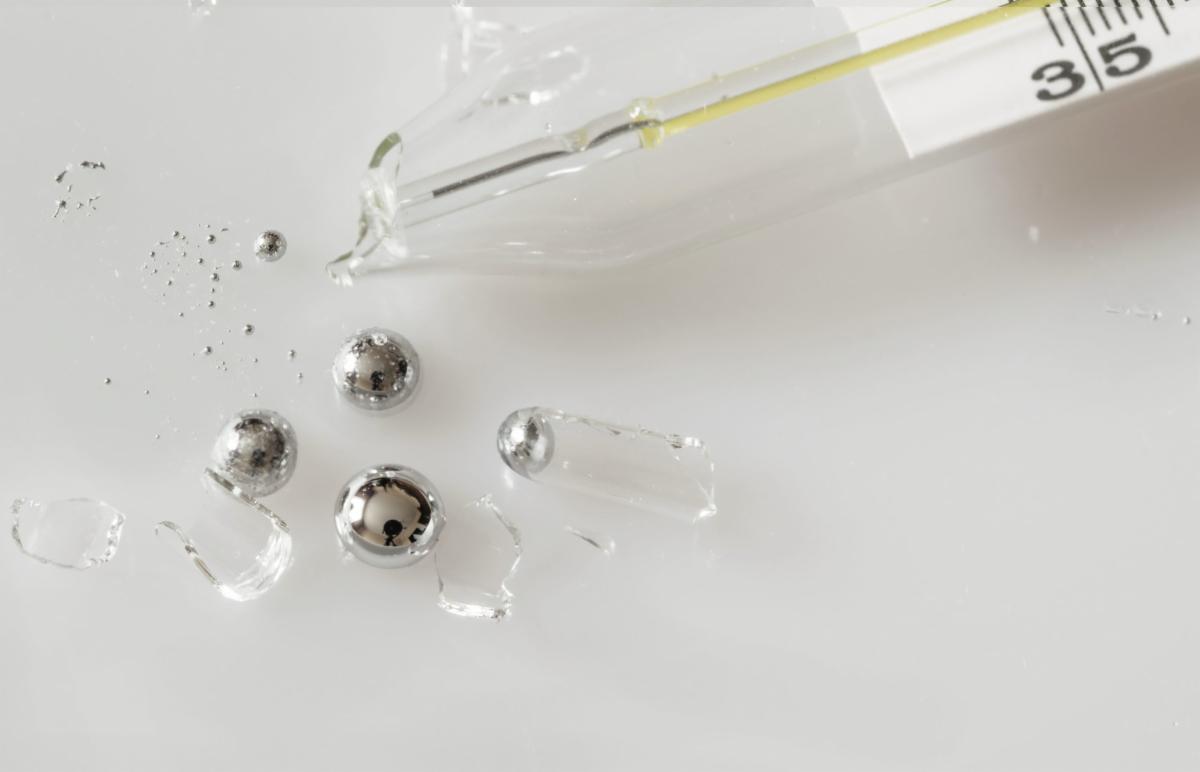
Some common household items may contain mercury including thermometers, CFL (compact fluorescent light) bulbs, antiques like barometers, older appliances, older automative supplies, electronics, dental amalgams, and thermostats. If a mercury containing product breaks, it’s important to know how to safely clean up the mercury spill.
Image Credit: Hazchem.com
Steps to Safely Clean Up a Small Mercury Spill in the Home
- Have everyone leave the room, including pets, and avoid stepping on any of the debris from the broken product.
- Open windows and doors leading to the outside, shut off any forced air heating and cooling, and stay out of the room for 15 minutes.
- Do not use a vacuum or broom to initially clean up the debris. Scoop up what you can with a stiff piece of paper or cardboard. Try to get the rest with sticky tape or damp paper towels.
- Put all debris in a sealed glass jar or sealed plastic bag and take the container outside.
-
Avoid vacuuming if possible. Vacuuming is not recommended unless broken glass remains after all other cleanup steps have been taken. NOTE: It is possible that vacuuming could spread mercury‐ containing powder or mercury vapor, although available information on this is limited.
- If vacuuming is needed to ensure removal of all broken glass, keep the following tips in mind:
- Keep a window or door to the outdoors open
- Vacuum the area where the product was broken using the vacuum hose, if available
- Remove the vacuum bag (or empty and wipe the canister) and seal the bag/vacuum debris, and any materials used to clean the vacuum, in a plastic bag
- Wash your hands with soap and water.
- If practical, continue to air out the room where the bulb was broken and leave the heating/air conditioning system shut off for several hours.
How to Safety Dispose of Mercury Containing Products
Check with your local government about disposal requirements in your area, because some localities require mercury products such as CFL bulbs (broken or unbroken) to be taken to a local recycling center. If there is no such requirement in your area, you can dispose of the materials with your household trash.
Some larger home improvement stores offer safe disposal stations for unwanted CFL lightbulbs. These are usually located near the main entrance. Alternatively, CFLs can be taken to your town’s hazardous materials collection site.
Disposal of household hazardous waste in Ohio is controlled locally, most often by the local/county waste management district. Contact your solid waste management district for a list of facilities that accept household hazardous waste.
For questions about mercury or the health effects of broken mercury containing products call the Drug and Poison Information Center (DPIC) at 1-800-222-1222. Help is free, confidential, and available 24/7/365.
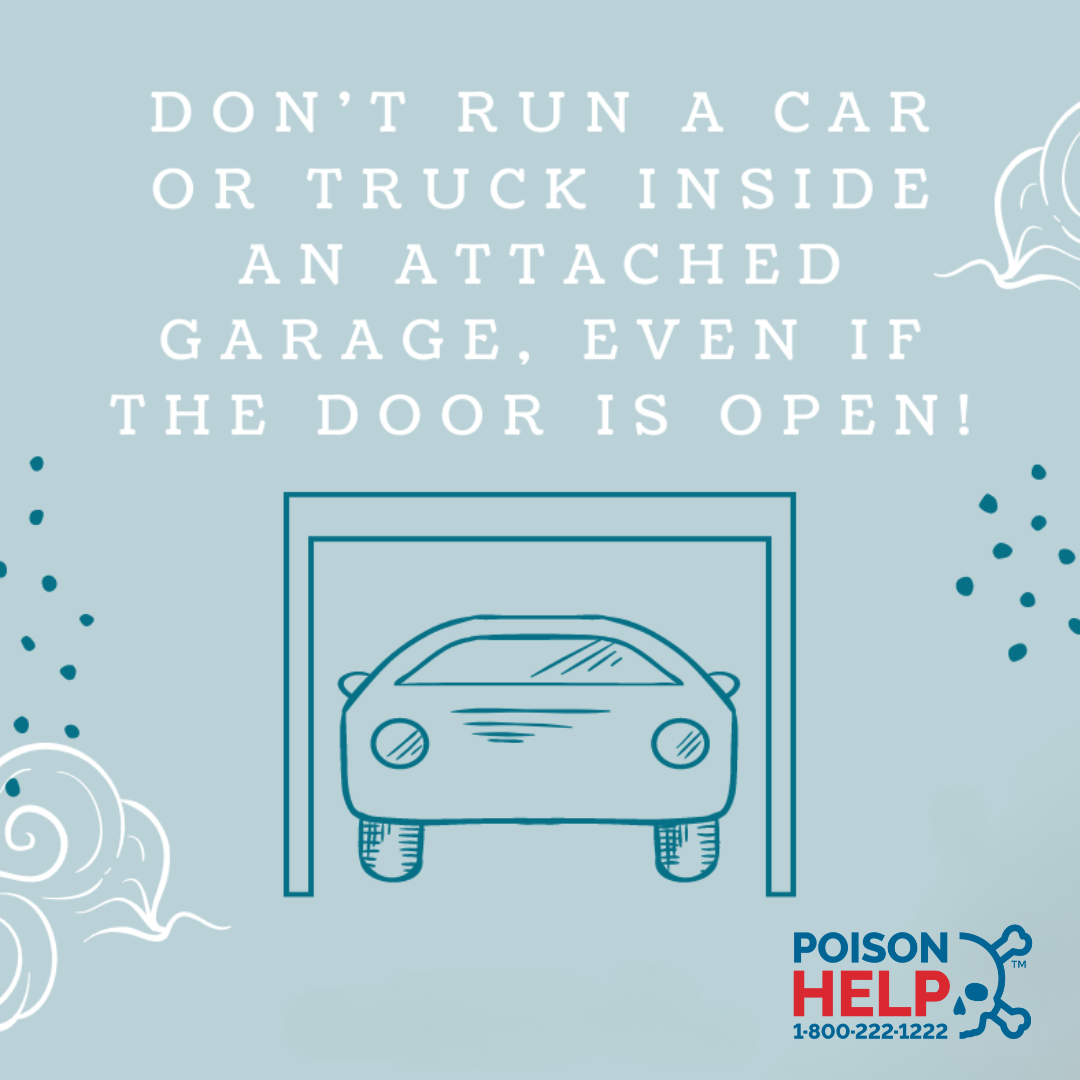
| Carbon Monoxide Safety Reminder | |
|
© 2025 By the Cincinnati Drug & Poison Information Center (DPIC)
Editors: Alysha Behrman RN, MSN, CSPI, OCPC, ICPS; Sheila Goertemoeller PharmD, DABAT, OCPC, ICPS ; Julia Conroy; Jewel Sisk; Jonathan Colvin, RN, MS; Shan Yin, MD, MPH
The opinions expressed herein are those of the contributing authors and do not necessarily reflect the views of the editor, publisher or supporting institutions. DPIC is a service of the Cincinnati Children’s Hospital Medical Center and Children’s Hospital Research Foundation. Services are also supported by: the US Department of Health and Human Services (HRSA), the Ohio Department of Health, Hamilton County Mental Health and Recovery Services Board, and the Ohio Department of Alcohol and Drug Addiction Services (ODADAS). Additional support for DPIC services is provided by Cuyahoga Department of Health and Human Services and additional member hospitals.
| | | | |