|
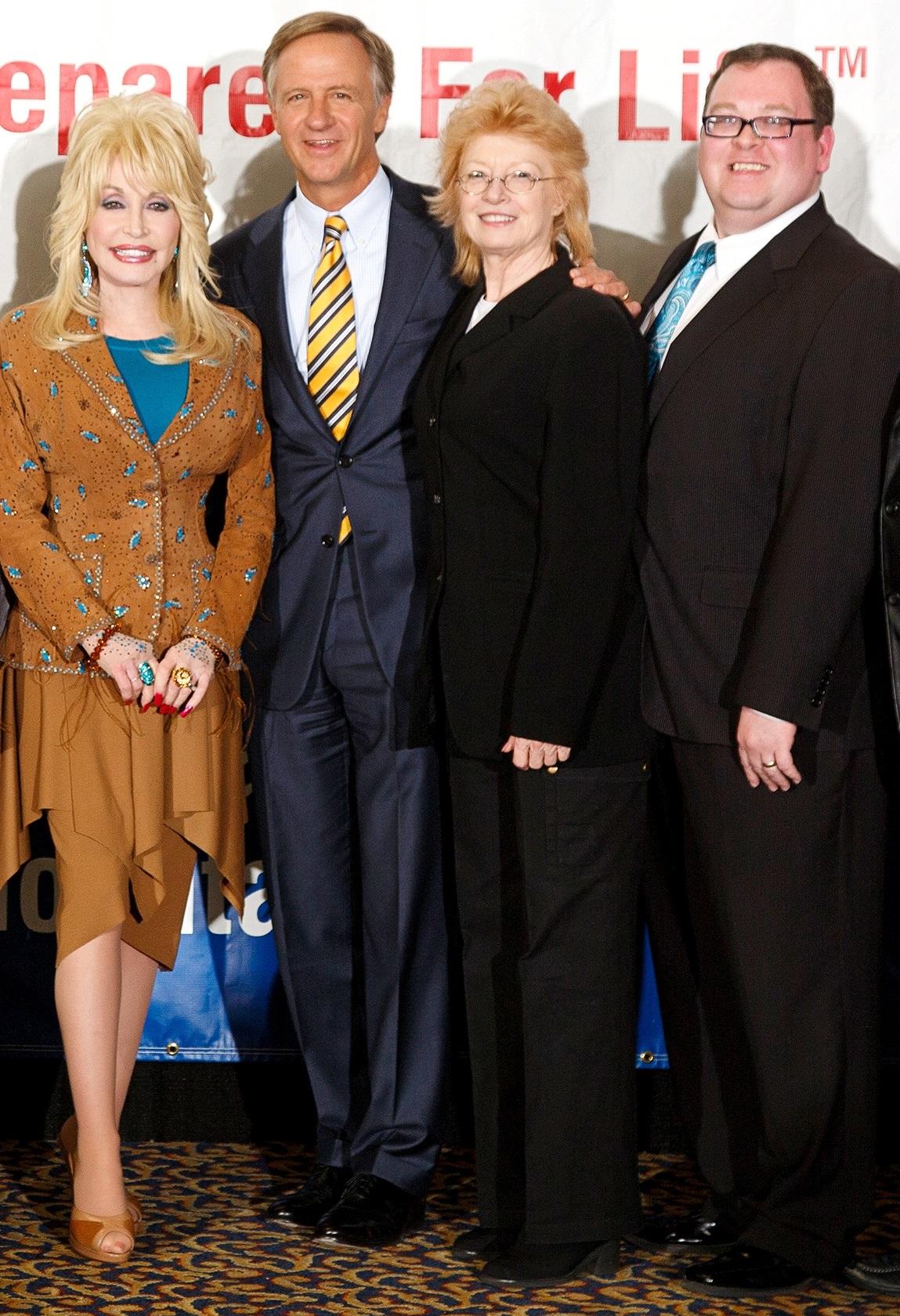
Those who know me well know that long before I began working in philanthropy, I "worked" for Dolly Parton. A lifelong fan, I’ve run her fan website for 30 years, about a decade of which she embraced it as her “official unofficial” site before launching her own.
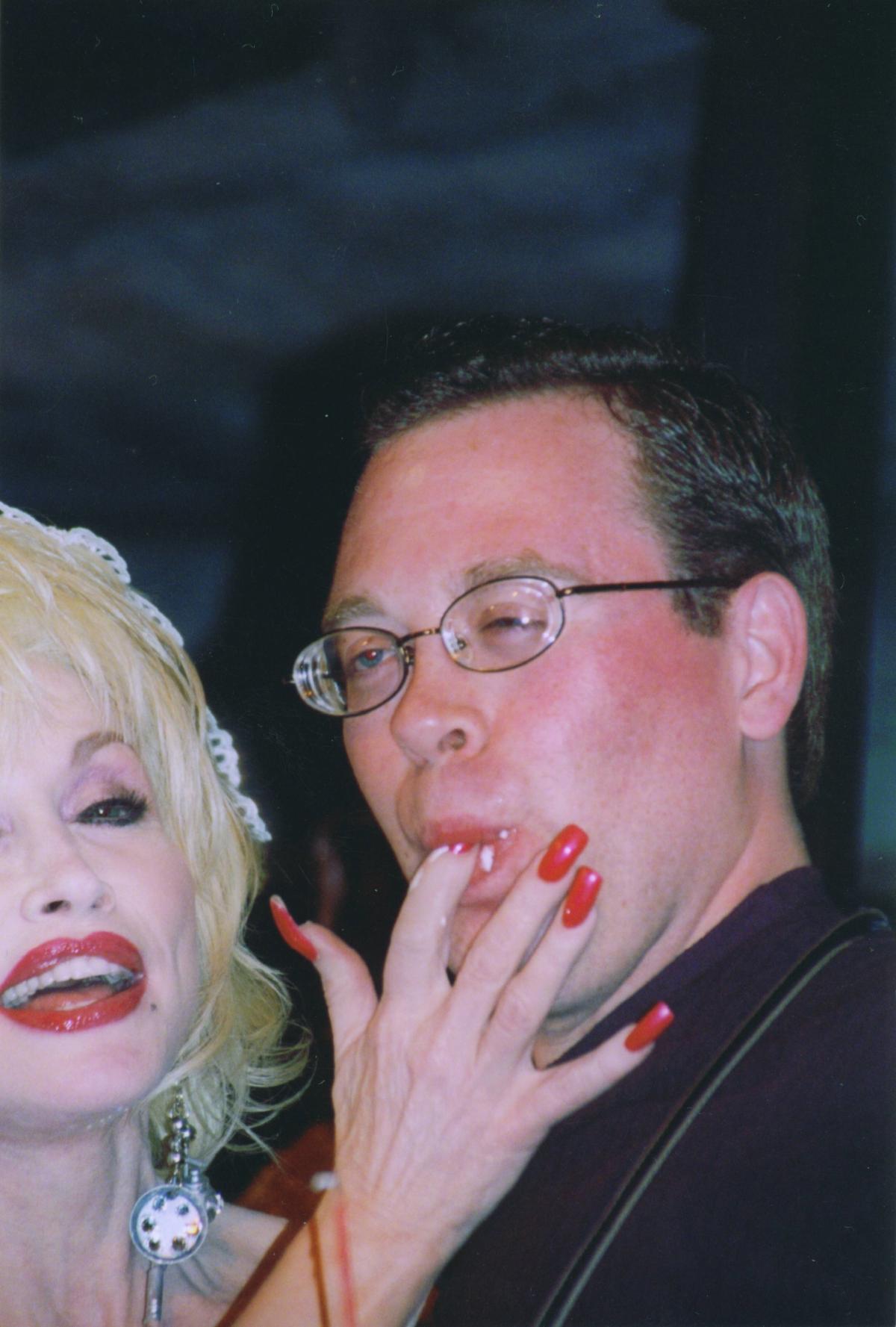
I had the privilege of meeting her and speaking with her many times over the years – she often joked that I knew more about her than she did, and she even finger-fed me banana pudding once. When my microphone went out while asking her a question at a Dollywood event, she responded: "You don't need a mic, Duane. You've got a big mouth like me!" She was always very kind, generous, and jovial with me, just as you'd expect her to be from her television appearances.
Beyond the songwriting, singing, and acting, Dolly taught me, and the world, about giving back, about radical love, and about standing up for what is right -- lessons that I use daily leading Community Shares of Greater Cincinnati as our local umbrella federation for social justice charities.
She was, in many ways, an unlikely social justice activist, often cloaking her advocacy in humor so her message could reach even hesitant ears.
She voiced support for marriage equality years before it became law by joking that gay couples should have every right to be just as miserable as straight married couples. She pushed back on anti-trans bathroom legislation with characteristic wit, saying if she had to pee, she’d pee where she needed and didn’t care who was in the next stall.
When asked about the Black Lives Matter movement, she put it plainly: “Of course Black Lives Matter! Do we think our little white asses are the only ones that matter?!” Even “9 To 5” shone a spotlight on gender inequity and unfair labor practices through clever wordplay.
Her allyship flowed from an unconditional love for people, seeing everyone as neighbors deserving of dignity and kindness, largely because of her faith rather than in spite of it.
"Find out who you are, and do it on purpose," she would say, or "whatever you are, be that -- everything else is just an act," signaling to generations of outcast kids, especially the queer and trans ones, that she loved us and we have the right to celebrate who we are: "If you're gay, you're gay. If you're straight, you're straight. And you should be allowed to be how you are and who you are."
Her activism also flowed into her art, often playing roles of empowered women on the big screen and small screen, recording protest songs like "Deportee (Plane Wreck At Los Gatos)" and "Where Have All The Flowers Gone," writing the workers' anthem "9 to 5," condemning sexual double standards in "Just Because I'm A Woman," and earning her second Oscar nomination for "Travelin' Thru," a trans-celebrating ballad based on the life experience of her longtime driver and friend whose gender affirming care she personally funded.
Her generosity was the stuff of legend. Through her Imagination Library, she helped distribute more than 330 million books to children worldwide. She funded early mRNA research at Vanderbilt that created the Moderna COVID-19 vaccine, saving countless lives.
She gave millions to pediatric healthcare, donated to numerous queer and AIDS causes, met each spring with families through Make-A-Wish and similar organizations, and supported environmental efforts including conservation programs at Dollywood to restore the American chestnut tree and protect non-releasable eagles.
After the Gatlinburg wildfires, she provided six months of direct financial support to nearly 1,000 families who lost their homes which academics used to study the effects of universal basic income. She contributed millions to disaster relief, including Hurricane Helene, and continually invested in her hometown: supporting schools, the arts, college scholarships, healthcare, food access, children’s activities, senior activities, and more.
And much of her giving, by design, was done quietly and without public knowledge or recognition.
When she died last month at 80, the sense of loss was profound—not just for an extraordinary artist, but for a shining example of what it means to be a good human being.
She managed to stand up for marginalized communities while remaining beloved across political and social lines, a rare and powerful legacy.
The outpouring of grief was extraordinary. The world turned pink in her memory. Locally, even the Hamilton County Courthouse and the Cincinnati sign blushed for her, among other landmarks here and worldwide.
Dolly’s music may have been the soundtrack to our lives, but her life was a soundtrack for our souls.
Be like Dolly. Love, advocate, and give. May her memory be not only a blessing, but a call to action for all of us to do better. As she said, she simply hoped to inspire people to “Dream more, learn more, care more, and be more.”
We will always love Dolly.
-- T. Duane Gordon, Community Shares of Greater Cincinnati CEO
Give here.
|