County Newsletter from the Commissioners’ Office Edition 34

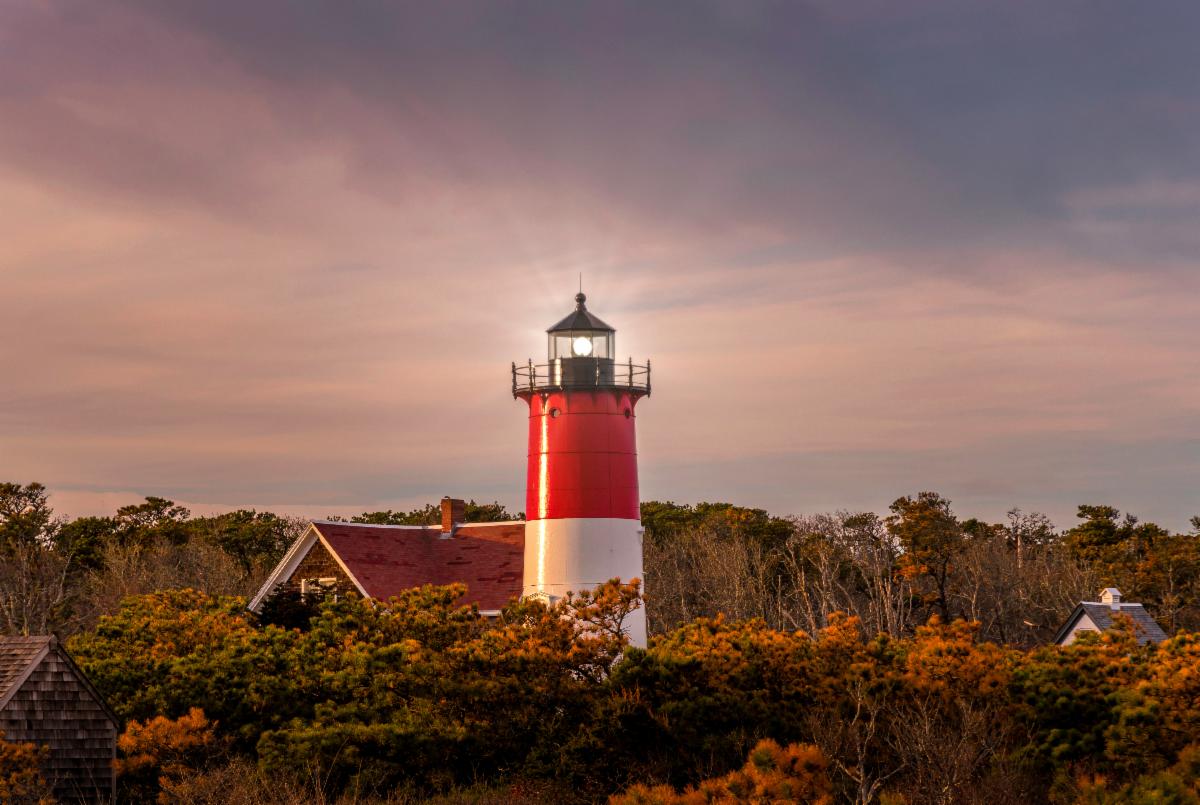
Nauset Lighthouse in Eastham at sunset.

In Eastham, a Local Meeting with Regional Implications


At the March 25 meeting in Eastham, the Barnstable County Board of Regional Commissioners continued its series of meetings held in towns across Cape Cod. The initiative is designed to visit all 15 towns and hear directly from local officials about the issues they are facing.


The next meeting in the community will take place in Wellfleet in April. Details will be posted on the Meeting Center calendar as they become available.

⬆️ Watch Highlights from the March 25th Meeting in Eastham ⬆️

In Eastham, the conversation focused on rising costs — wastewater, infrastructure, and municipal services — and the challenge of maintaining operations with limited staffing and resources. Presentations from the Cape Cod Commission followed, covering the draft Climate Action Plan and current Level 2 drought conditions.

Understanding Current Drought Conditions on Cape Cod


Cape Cod remains in a Level 2 – Significant Drought, based on a combination of indicators: precipitation, groundwater levels, and streamflow.


At the March 25 Commissioners' meeting, Tim Pasakarnis, Water Resources Analyst with the Cape Cod Commission, provided this update and outlined what current conditions mean for the region.


On Cape Cod, those indicators carry particular weight. The region depends entirely on a sole-source aquifer — a system that responds slowly and unevenly to changes in weather and demand.


Even when water is present, it is not always accessible where it is needed.

Demand rises in the summer. Recharge does not always keep pace. What happens now carries forward.


The takeaway was direct: conservation is not seasonal. It is ongoing.


Watch the 8-minute presentation from Tim Pasakarnis above.

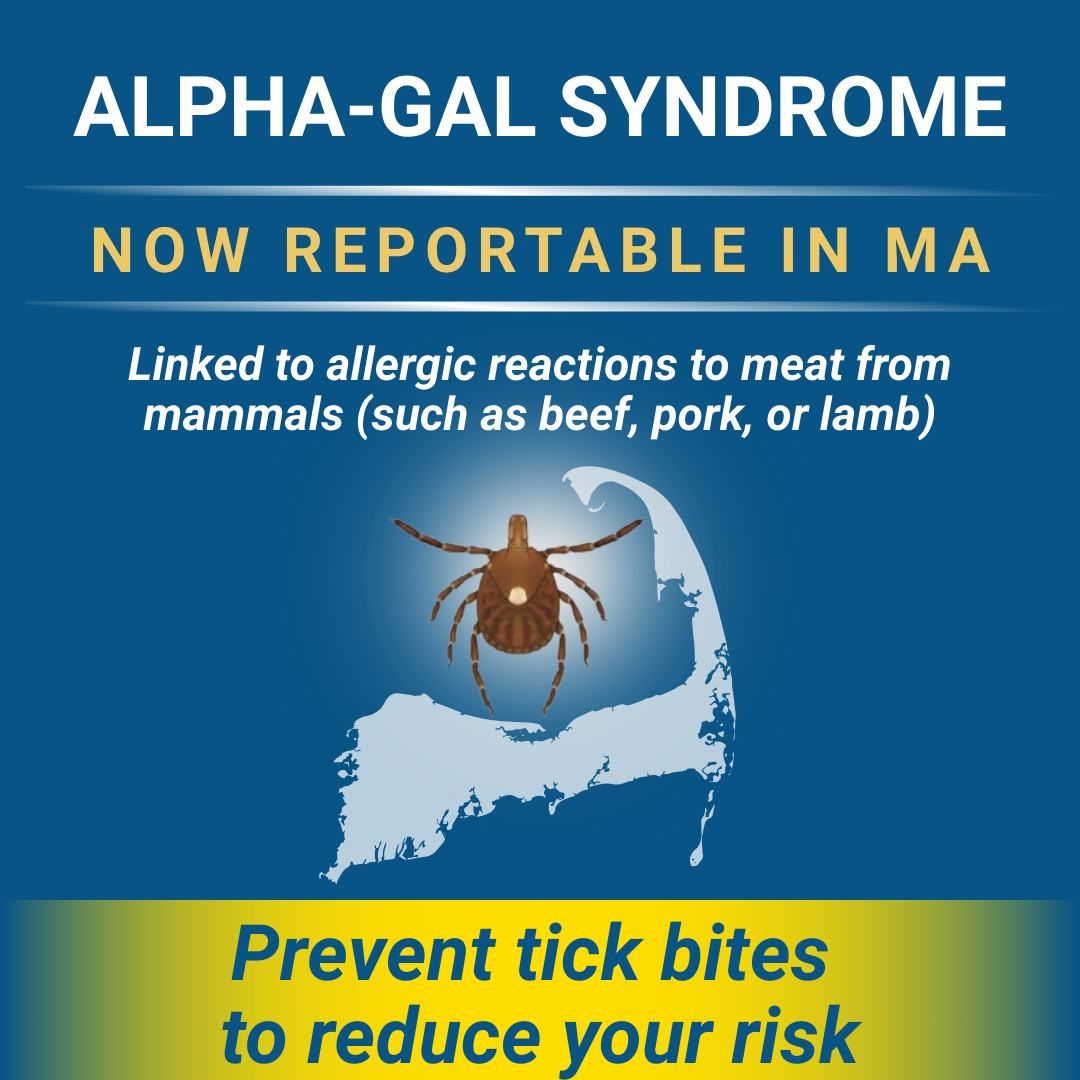
Alpha-gal Syndrome, a Tick-Related Meat Allergy, Now Reportable in Massachusetts

This month, Massachusetts designated Alpha-gal Syndrome as a reportable condition — a shift that moves the issue from anecdote to data.


The condition, associated with bites from the lone star tick, has been present on Cape Cod since 2015 and is becoming more common in parts of the region.


Reportability allows public health officials to track confirmed cases, identify patterns, and respond with greater precision.


It reflects a broader shift as well: conditions tied to environmental change are becoming part of routine public health monitoring. Learn more and find out how you can protect yourself from tick-borne illnesses.


Looking Beneath the Surface: Groundwater on Cape Cod

In March, the Massachusetts Alternative Septic System Test Center (MASSTC) marked National Groundwater Awareness Week with a closer look at groundwater on Cape Cod.


The program featured groundwater experts Denis LeBlanc, Scientist Emeritus, and Marcel Belaval, Deputy Director, of the U.S. Geological Survey’s New England Water Science Center.


Their presentation explained how groundwater moves through the Cape’s sandy soils — how it connects across the landscape and why it matters. On Cape Cod, groundwater supplies drinking water and supports rivers, ponds, wetlands, estuaries, and coastal waters.


What happens below ground shapes conditions above it.


For those unable to attend, the full presentation is available online. Attendees described it as clear, engaging, and helpful in understanding how the region’s water system works.

Mashpee Wampanoag Tribe Supports

Regional Shelter Preparedness

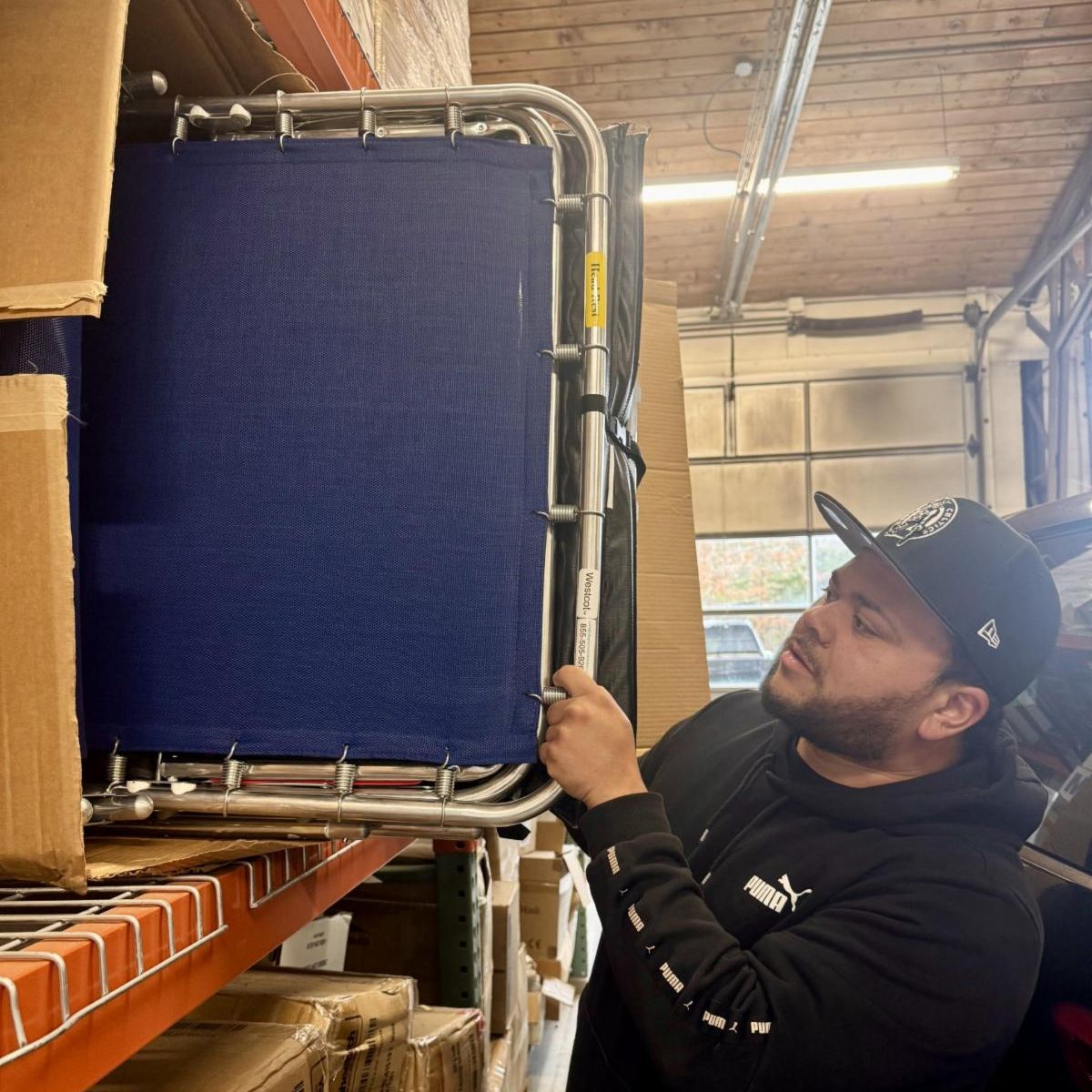
Emergency Management Assistant Adam Jonas Jr. displays the donated cots that will be incorporated into the County’s shelter system.

Following Blizzard Hernando, Barnstable County’s emergency shelter system expanded with the addition of 72 cots donated by the Mashpee Wampanoag Tribe.


The donation followed coordination during the storm, when the Tribe opened its Community & Government Center as a warming center and overnight shelter for Upper Cape residents.


The cots expand shelter capacity across the region and reflect continued coordination between the Tribe and Barnstable County.


Barnstable County recognizes the Mashpee Wampanoag Tribe’s Emergency Management Department for its support.

A Program Growing Alongside Need

The Cape Cod and Islands SHINE Program continues to expand

The Cape Cod and Islands SHINE Program continues to expand. In 2025:


  • Nearly 4,000 residents sought assistance during Medicare Open Enrollment
  • More than 7,000 residents were served overall
  • Outreach reached nearly 2,400 people across more than 40 events


The numbers reflect a steady trend: navigating health insurance is becoming more complex.


SHINE’s role is to make those decisions clearer — through consistent, local, and volunteer-supported guidance.


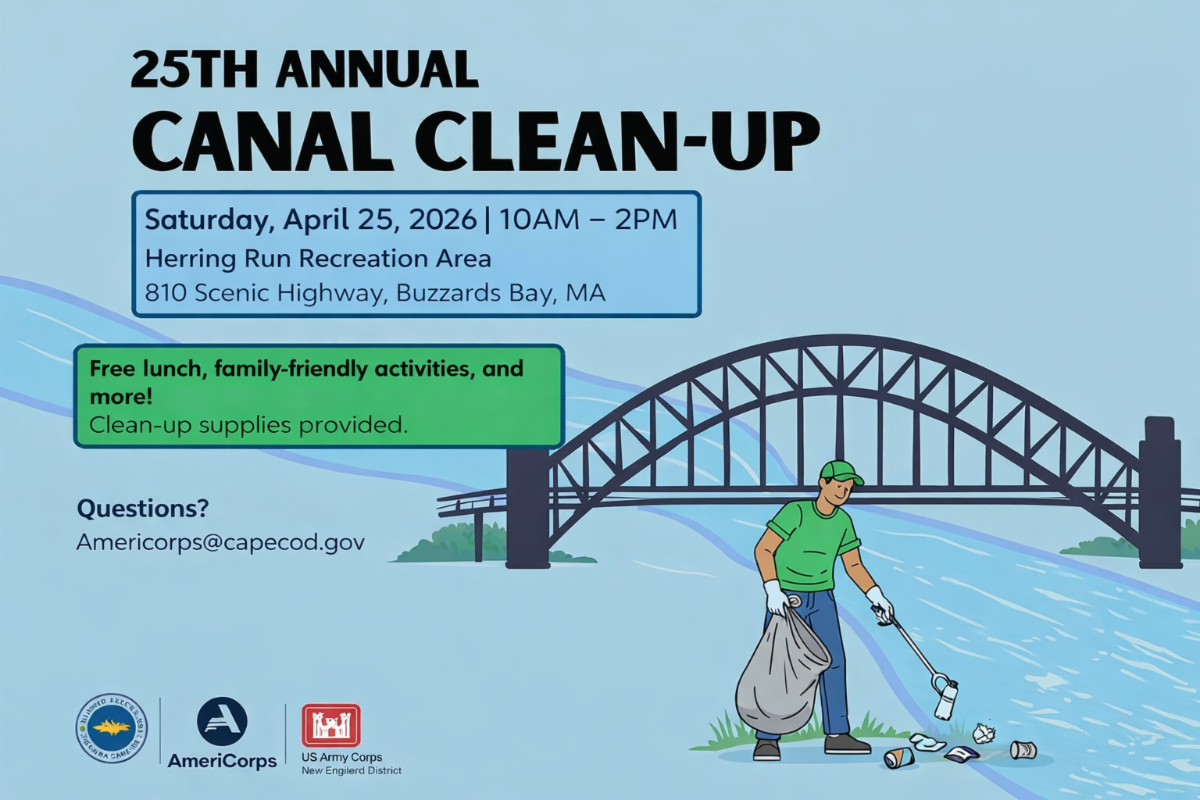
Cape Cod Canal Clean-Up Returns April 25


The 25th Annual Cape Cod Canal Clean-Up will take place on April 25, bringing volunteers together to remove debris, protect wildlife, and maintain one of the region’s most visible waterways.


Hosted by AmeriCorps Cape Cod and the U.S. Army Corps of Engineers, the event continues a long-standing regional effort tied to Earth Day.


4-H Program Seeks Volunteers Across Cape Cod

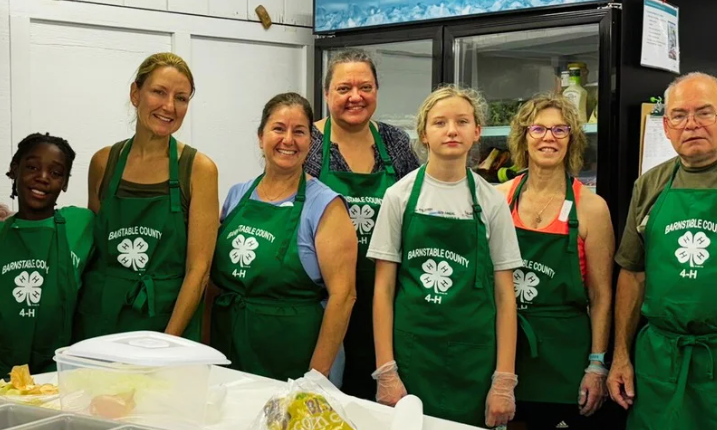
The County’s 4-H program is seeking volunteers to support youth development across Cape Cod.


Opportunities range from leading clubs to assisting with events or sharing practical skills. Volunteers help create a structured environment where young people build confidence, explore interests, and gain hands-on experience.


Stay Connected with Barnstable County!

• View Commissioners' meeting agendas, packets, and livestreams at capecod.gov.

• Follow Barnstable County on social media for timely updates.

• Many County departments also offer their own newsletters with program updates, events, and resources. Click here to view the full list and subscribe to the newsletters that interest you.

Barnstable County | 3195 Main Street | Barnstable, MA 02630 US

 
Constant Contact