Degas
with Associate Curator Kate Kunau
|
|
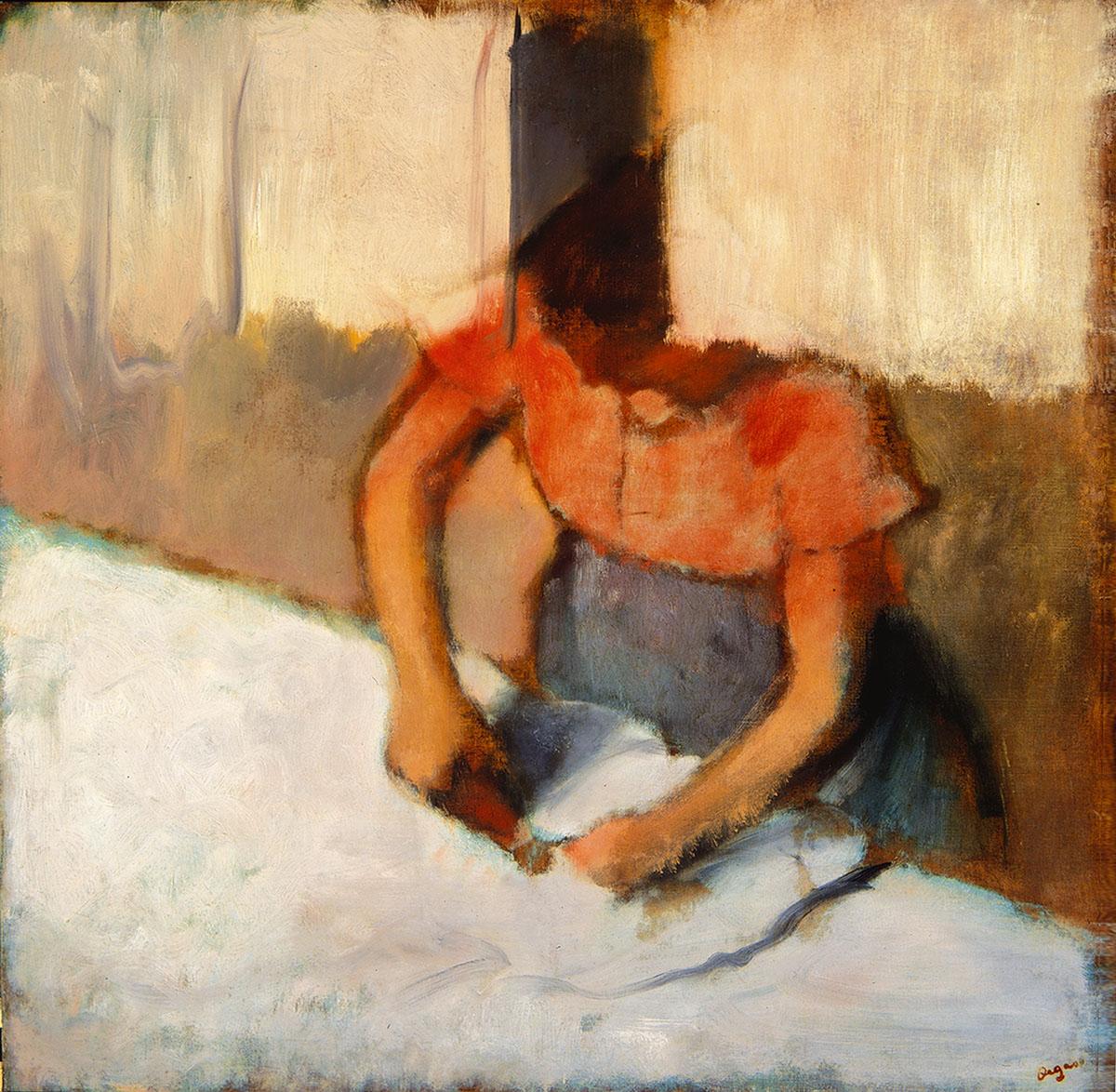
The Laundress Ironing (La Blanchisseuse Repassant)
by Edgar Degas
|
|
Edgar Degas,
The Laundress Ironing (La Blanchisseuse Repassant),
about 1882 – 1886
oil on canvas, gift, Miss Martha Elizabeth Dick Estate, Reading Public Museum, Reading, Pennsylvania, 1976.45.1.
|
|
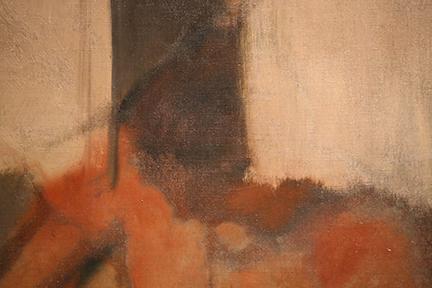
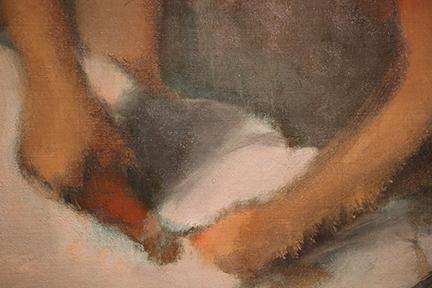
In this painting, Degas incorporates many of the compositional devices evident in the non-western tradition that were being used by the Impressionists, such as the oval shape created by the laundress’ arms, the radical cropping and strong diagonal of the up-slanted work table, and the use of curtained veil around her face. These pictorial elements contribute to the feeling of claustrophobia and confined surroundings.
The screen of drying clothes also produces a feeling of anonymity, with the laundry blocking the viewer from clearly seeing details of her face. The vibrant colors and loose brushstrokes which Degas employs, provide pictorial intensity which echoes the steamy atmosphere in which the women worked. This painting exemplifies Degas’ move away from his early detailed works to his later style, which is bolder and more painterly
For more information on laundresses, dial (319) 313-3327 and enter 1#.
|
|
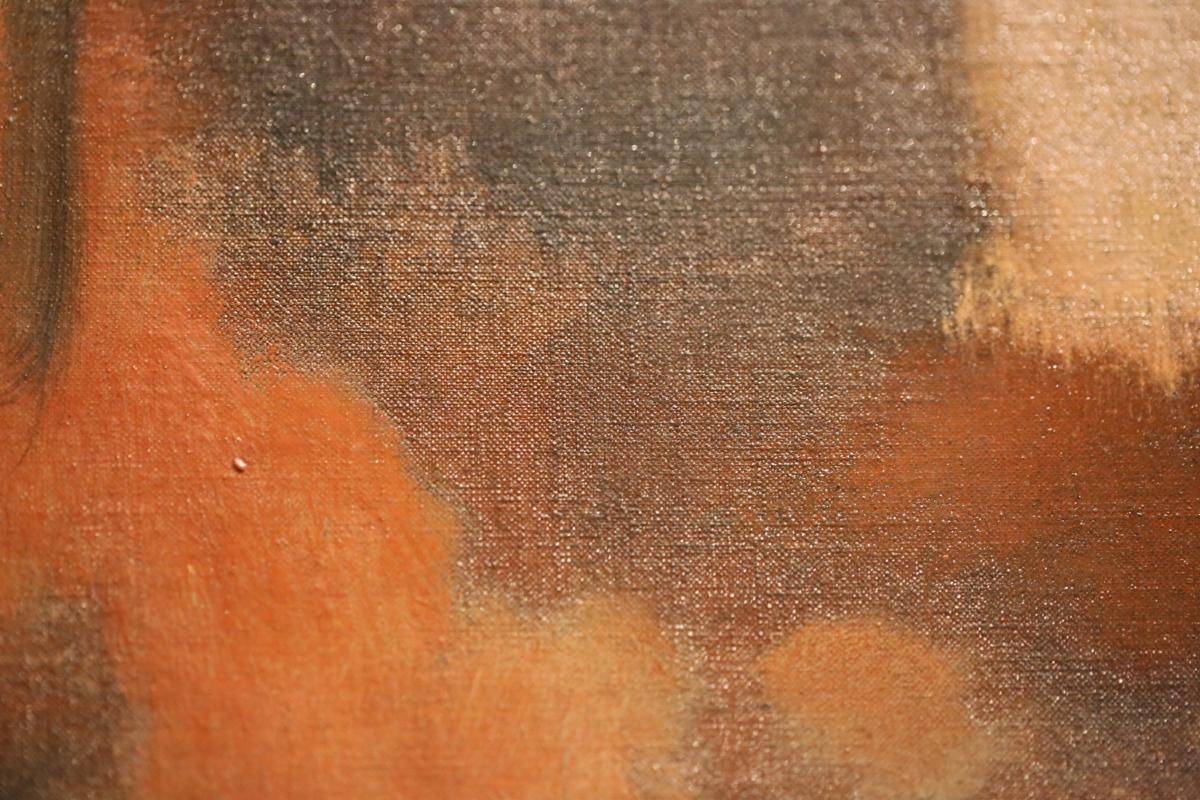
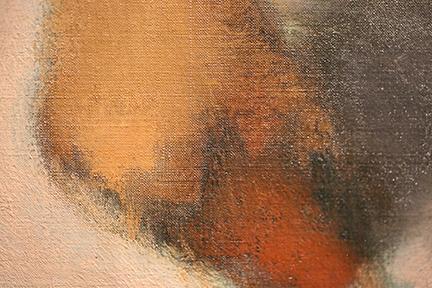
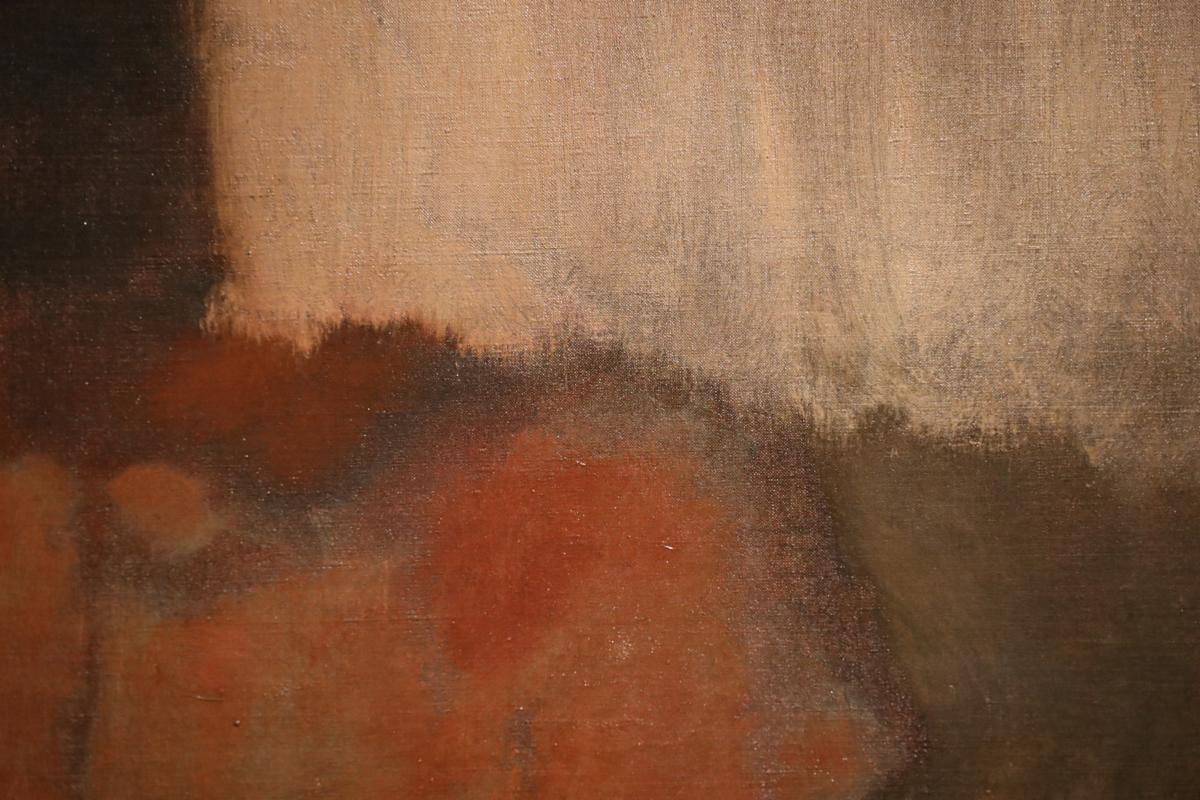
Macro of curtain and head.
|
|
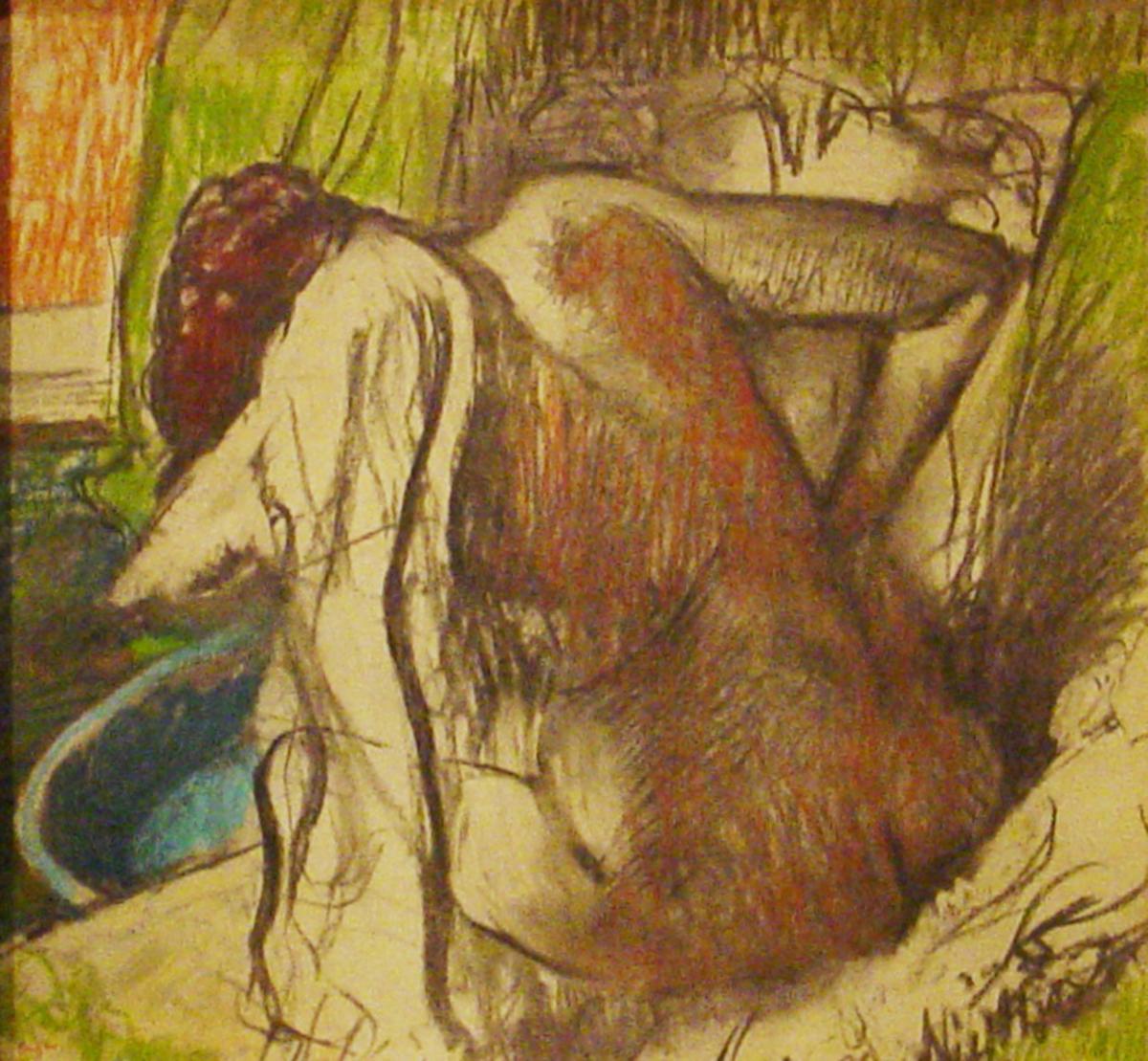
The Bather (La Baigneuse)
by Edgar Degas
|
|
Edgar Degas,
The Bather (La Baigneuse),
about 1895, pastel and charcoal on paper, Bequest, Henry K. Dick Estate, Reading Public Museum, Reading, Pennsylvania, 1954.36.1.
|
|
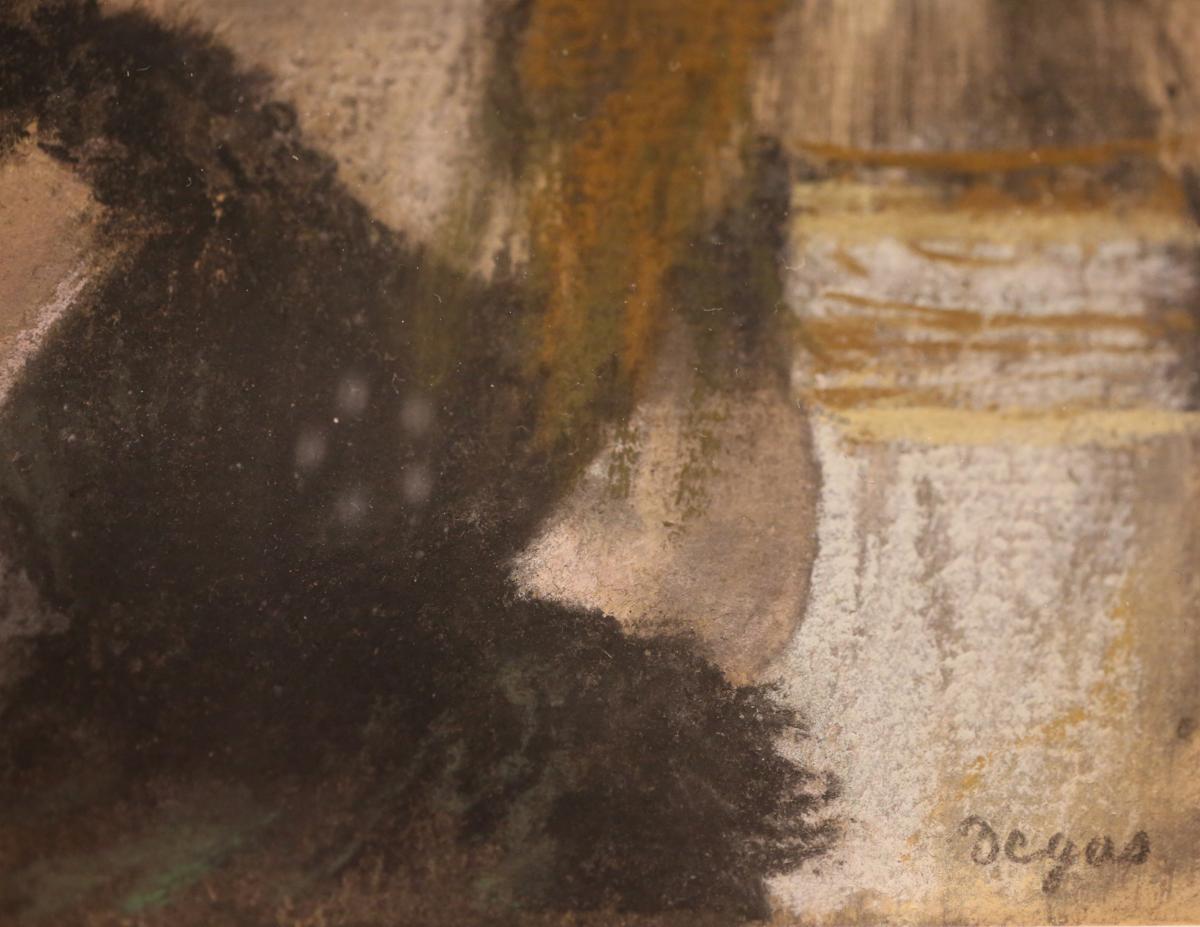
In the last two decades of his career, Degas’ depictions of contemporary bathers were among his favorite subjects, second only to his studies of dancers. Both series allowed the artist to evoke the expressiveness of the human figure and specifically to render the female body in a variety of poses and environments, from public performances on stage to private moments after a bath.
The theme of women at their bath appealed to Degas as both an opportunity to engage in methodical studies of an individual subject and, on occasion, to present distinctly modern women in domestic environments. This work exemplifies a statement made in 1886 by art critic Théodore Duret, who wrote that the artist:
has found new situations for the nude, in interiors, among rich fabrics and cushioned furniture. He has no goddesses to offer, none of the legendary heroines of tradition, but the woman as she is, occupied with her ordinary habits of life of the toilette.
|
|
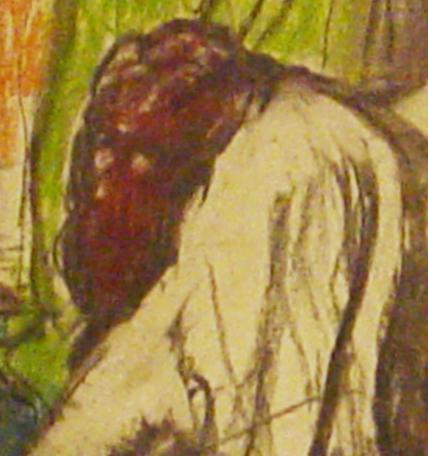
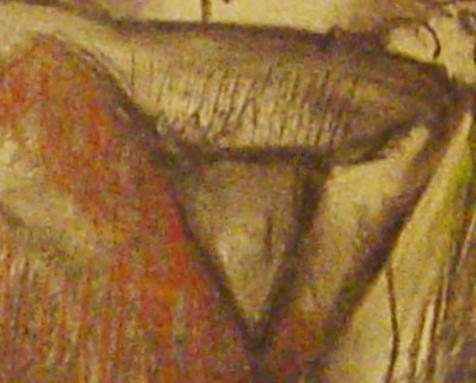
Detail of head and towel.
|
|
The Singer (La Chanteuse)
by
Edgar Degas
|
|
Edgar Degas,
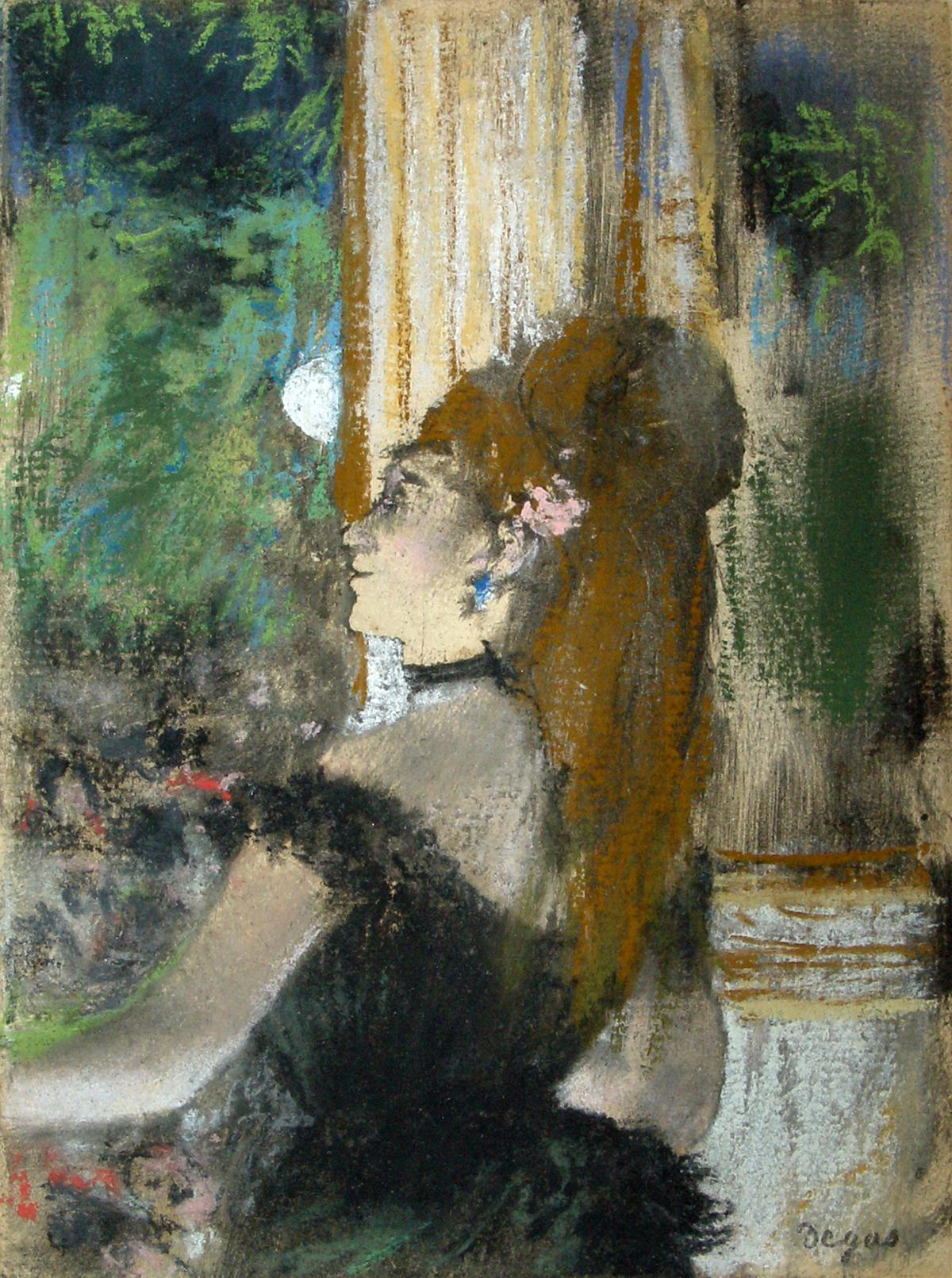
The Singer (La Chanteuse)
,
about 1877 – 1878, pastel over monotype on paper, Gift, Miss Martha Elizabeth Dick Estate, Reading Public Museum, Reading, Pennsylvania
1976.46.1.
|
|
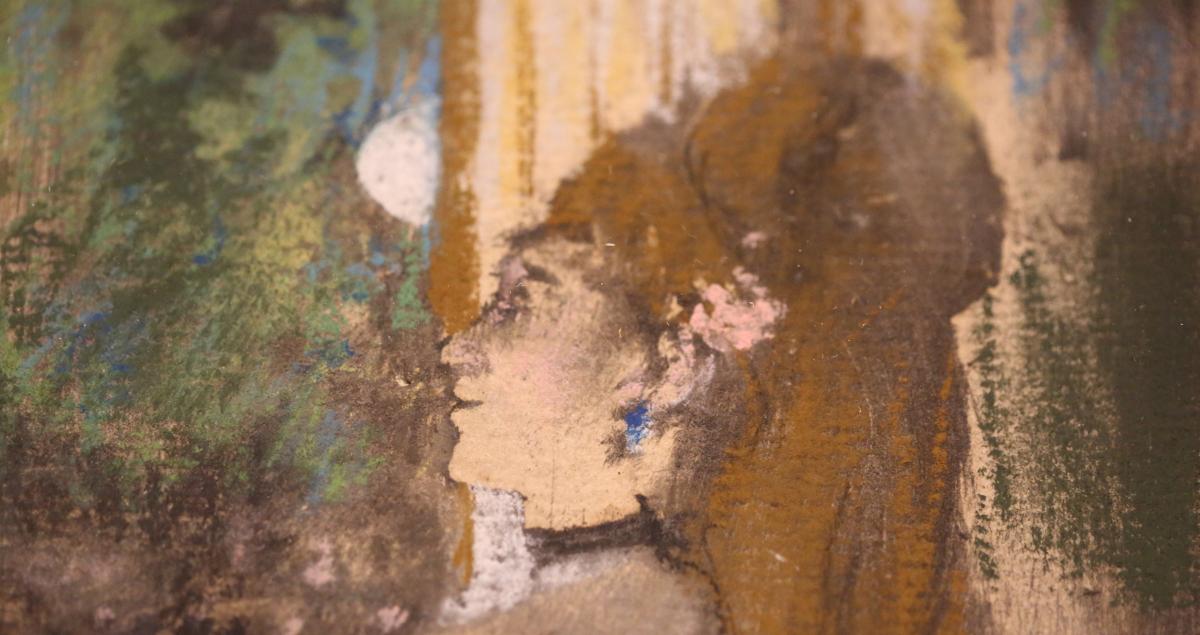
Dating from the period of the third Impressionist exhibition, this small pastel over monotype — a highly experimental medium for the artist— shows a chestnut-haired performer in an elegant interior decorated with a fluted column, mirrors, and white globe lights. The work belongs to his body of work featuring the 'café-concert' which were part of the broader theme of the contemporary street culture of Paris and its popular entertainments.
For more information on café concerts, dial (319) 313-3327 and enter 15#.
|
|
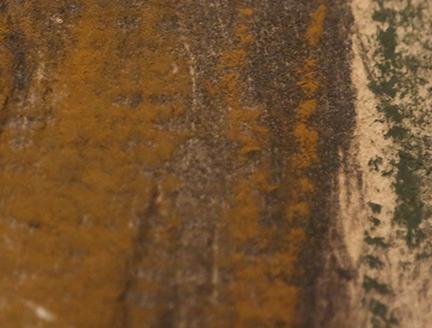
Detail of head and background.
|
|
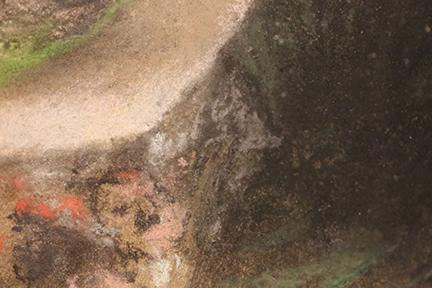
Detail of arm and flowers.
|
|
The Cedar Rapids Museum of Art | 319-366-7503 | info@crma.org | www.crma.org
|
|
|
|
|
|
|