Discoveries

March 2026

In the latest issue of Discoveries:

Discovering a genetic disease

Demonstrating a computational model that measures telomeres

Automating the analysis of genome sequencing

Understanding the causes of liver damage

Revealing how ovarian cancer outmaneuvers the immune system

Celebrating 50 years of discovery


Scientists discover a new genetic disease that causes premature aging and cognitive deficits

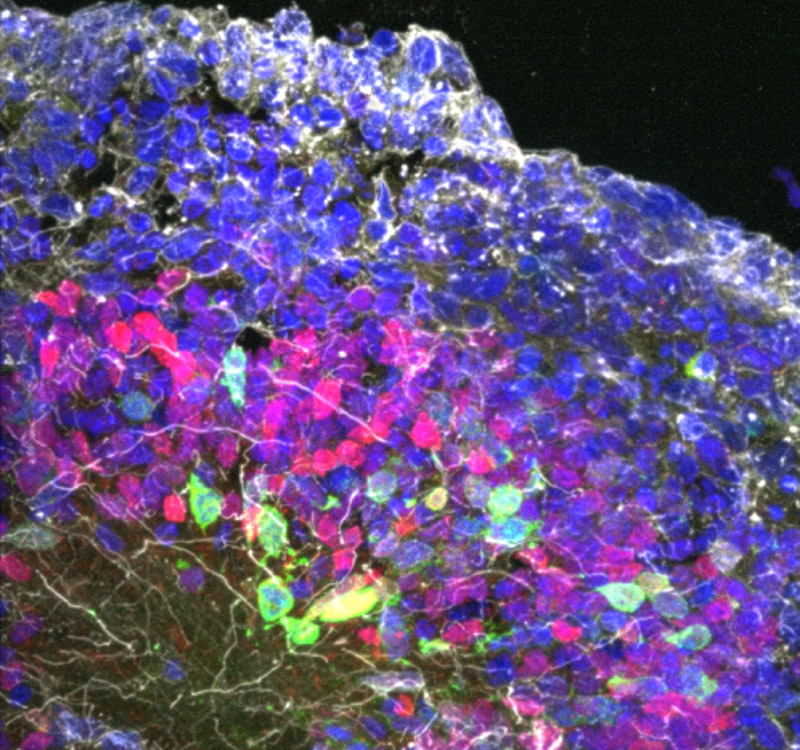
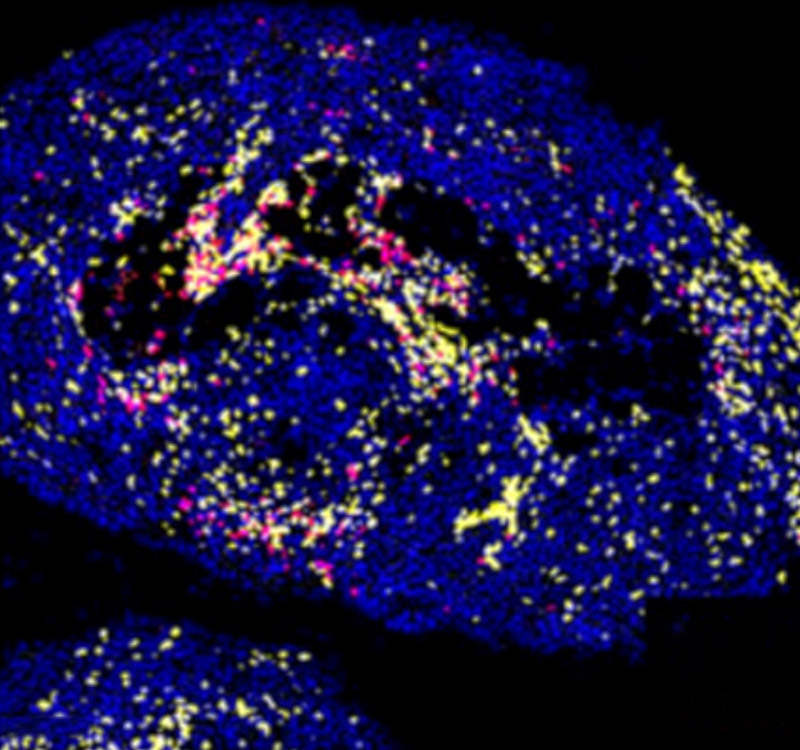
The Zhang lab and an international team of collaborators combined genome sequencing with cellular reprogramming to identify the gene mutation responsible for a newly discovered disease and to study how it causes the symptoms observed in patients.

The scientists studied brain organoids derived from patients suffering from a newly discovered genetic disease. These organoids had a more disorganized structure and fewer properly patterned developing nerve cells than healthy controls, suggesting impaired brain development. Image credit: Fang Yuan, Su-Chun Zhang, Sanford Burnham Prebys.

Computational model measures key aging metric from routine biopsies

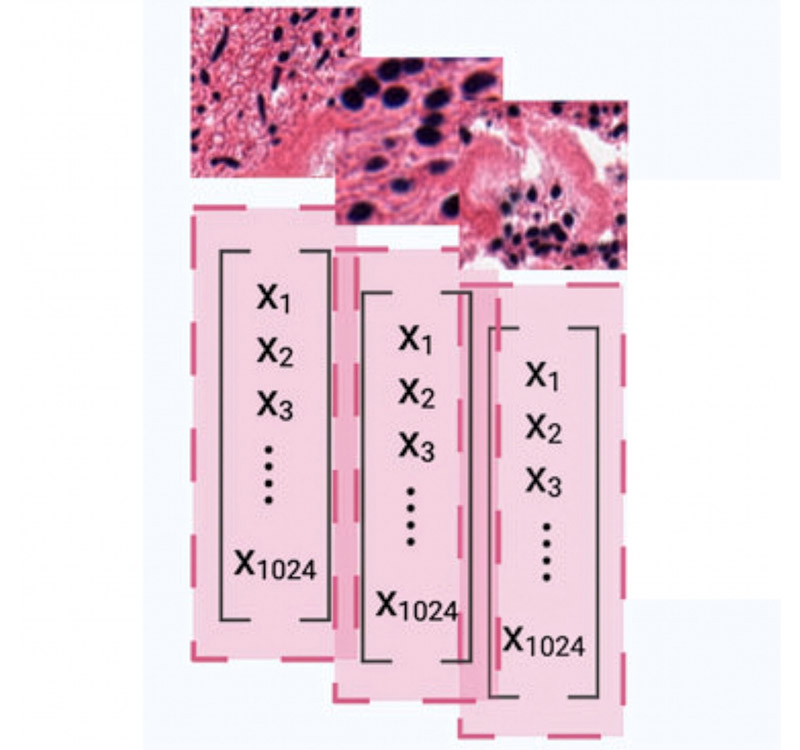
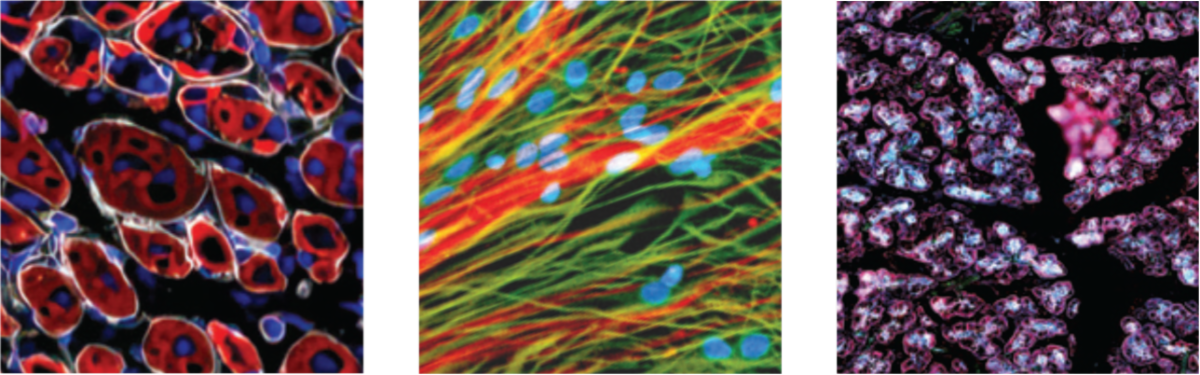
The Sinha lab developed a new computational tool that infers changes occurring at the ends of chromosomes. It does so by detecting structural alterations in cells and tissues captured in images of medical biopsies.

The central thesis of TLPath is that telomere length can be determined from cell and tissue shape. Trained on more than 5,000 whole-slide images across 919 individuals and 18 organs, TLPath uses machine learning to detect architectural changes in tissues due to aging. These morphological features were used to accurately predict telomere length in 11 tissues and outperformed chronological age. Image credit: Anamika Yadav, Kyle Alvarez, Sanju Sinha, Sanford Burnham Prebys.

New computational biology tool automates and standardizes genome sequencing analysis

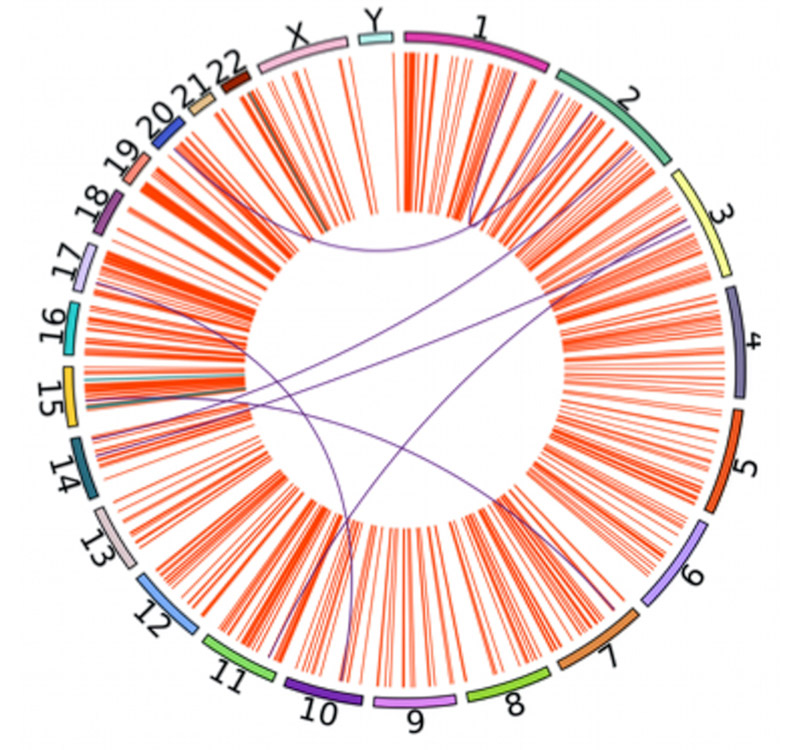
The Boutros lab recently published results from building and testing a new computational tool for tackling massive, complex genome sequencing datasets. The resource, named metapipeline-DNA, may help standardize sequencing data analysis across different research labs.

This illustration demonstrates how metapipeline-DNA processes raw genome sequencing data. It begins by aligning the sequence of DNA base pairs to a reference genome. Then produces sets of detected variants and other genetic and evolutionary features. Image credit: Yash Patel, Sanford Burnham Prebys.

Living LARP6: How a protein plays an oversized role in liver fibrosis

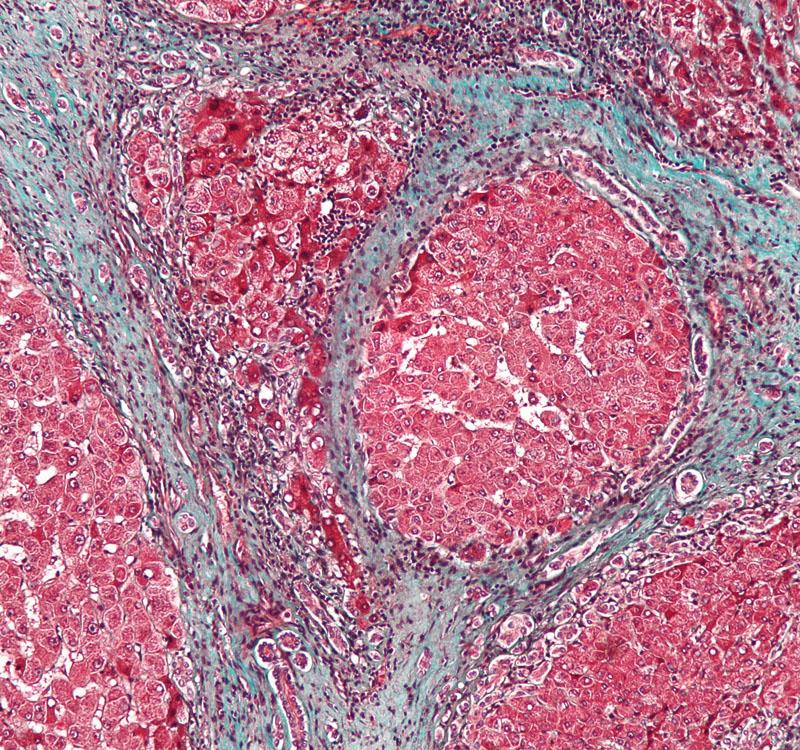
Metabolic syndrome can cause liver damage and resulting fibrosis or scarring, which impairs organ function and can lead to cirrhosis, cancer and failure. A new study from the Brenner lab further illuminates the function of a protein that plays a key role in regulating fibrosis development and represents a potential therapeutic treatment.

In this stained sample of liver tissue with cirrhosis, bands of fibrotic scarring are shown in blue.

Overcoming ovarian cancer’s resistance to immunotherapy

The Tharp lab collaborated on a study showing how ovarian cancer evades the immune system. The preclinical results suggest the need to test combination therapies using focal adhesion kinase inhibitors, chemotherapy and immunotherapy.

This figure shows the results of treating an aggressive, chemotherapy-resistant ovarian mouse tumor model with an FAK inhibitor and/or a chemotherapy called Pegylated liposomal doxorubicin or PLD. Compared with untreated mice labeled as vehicle (Veh), the combined treatment led to controlled tumor growth while modifying the immune response to increase the infiltration of T and B cells. Image credit: David Schlaepfer, Kevin Tharp.
 

Philanthropy

Join us in reflecting on our 50th anniversary and a bright future

We are celebrating 50 years of discovery at Sanford Burnham Prebys and we’d like to invite you to celebrate this milestone anniversary with us. For more than half a century, Sanford Burnham Prebys has been shaped by bold ideas, dedicated scientists and a shared commitment to discovery—we hope these upcoming events inspire you with our past and excite you for our future.

Discovery Series: Inside the Science

Discovery Series: Inside the Science of Heart Disease

Wednesday, April 15, 2026 • 3:00 p.m.

The Vic Memorial Auditorium

Our Discovery Series program offers a behind-the-scenes look at cardiovascular research at Sanford Burnham Prebys Medical Discovery Institute.


Attendees will come away with a deeper appreciation of the science behind cardiovascular health and the promise it holds for tackling the number one cause of death in the United States.

50th Anniversary Illumination Gala

50th Anniversary Illumination Gala

October 3, 2026

Join us in celebrating 50 years at our Illumination Gala. Together, we’ll celebrate five decades of incredible achievements and the visionary thinkers and partners who got us here. Our science is fueled by a passion to transform lives.


Come help us celebrate those who dedicated their brilliance, heart and vision to making it possible.


For more information, please contact giving@sbpdiscovery.org.

Celebrating 50 years of discoveries

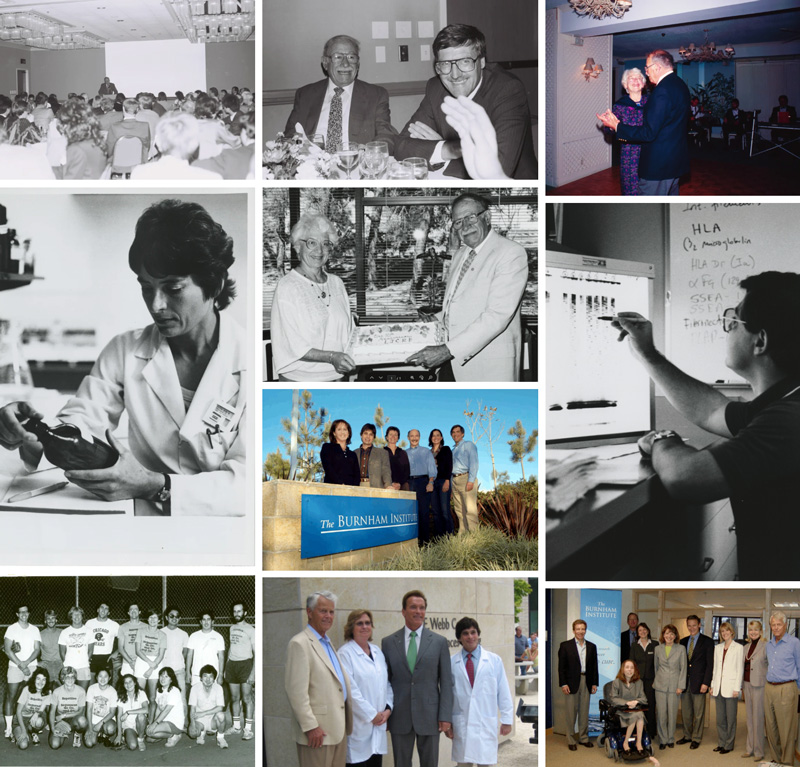
View photos from five decades of research and education

This year marks 50 years of Sanford Burnham Prebys. 🎉🎉🎉


Our photo gallery offers a behind-the-scenes look at the people behind the discoveries. It includes our founders, faculty members, postdoctoral researchers, graduate students and community supporters. See who has helped us translate science into health for 50 years and counting.

In the News

‘A novel approach’: Sanford Burnham Prebys celebrates 50 years of medical exploration

From its beginnings as a small cancer research foundation to a leading biomedical institute, Sanford Burnham Prebys marks 50 years of collaborative discovery.

Science in Pictures

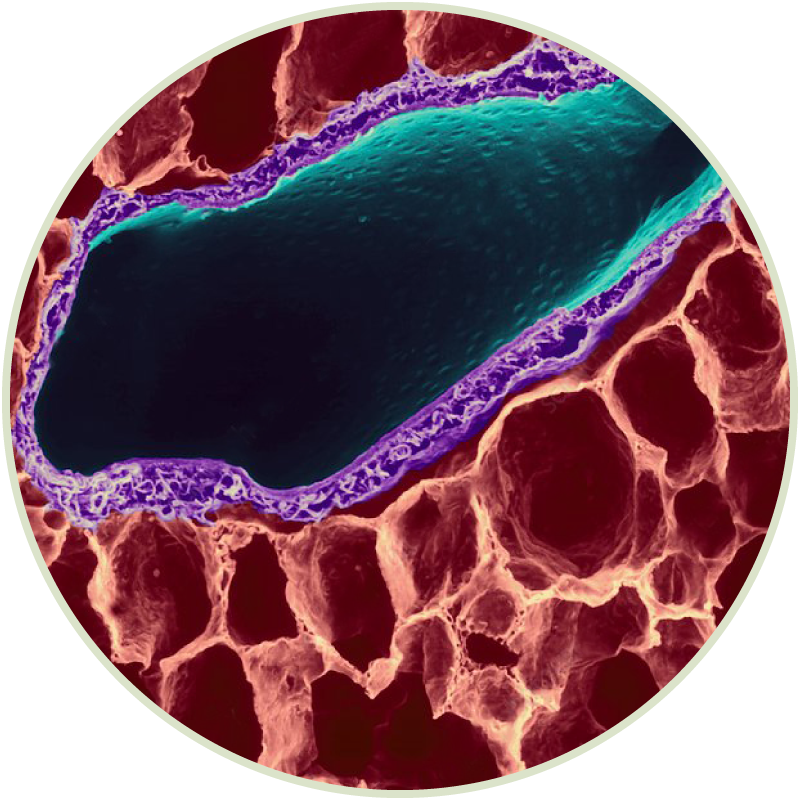
Colorized scanning electron micrograph of human lung tissue, depicting alveoli and bronchus. Lung alveoli are tiny, grape-like sacs, numbering in the millions, where essential gas exchange (oxygen/carbon dioxide) occurs. The bronchus is a major airway that branches from the trachea to conduct air into the lungs. Image courtesy of Ali Erturk, Munich, Germany.

LinkedIn    Facebook    Instagram    YouTube    Bluesky

Sanford Burnham Prebys | 10901 N Torrey Pines Road | La Jolla, CA 92037 US