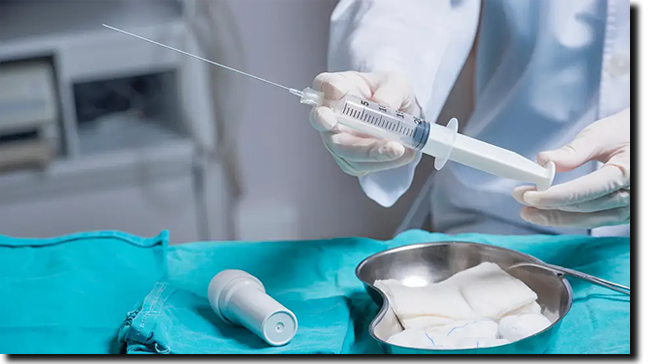
Prosecutors called shots a "dubious attempt at pain management"
Ray Anthony Shoulders, PA, allegedly submitted $788,000 in fraudulent claims to Medicare and took in more than $614,000, mostly for "Cell Genuity" injectable products.
Even though Medicare would not reimburse for these products, Shoulders reportedly came up with a scheme to get them covered because patients initially weren't sold on paying more than $800 per injection out of pocket, according to the DOJ.
|
|
Last week, CMS released its CY2024 proposed rules for physician fee schedule, ambulatory surgery center, and hospital outpatient prospective payment systems schedules. We provided you with our initial high-level summaries for each rule and highlights.
There is some good news, significant amounts of bad news, and potentially ugly news in this proposed fee schedule.
Our initial high-level summaries of each rule, and highlights on key proposals can be found here (the potential 2% sequester cut and the 4% American Rescue Plan Act of 2021 cut for physicians and ASCs are not included).
Below are additional links for fee schedules and payment rates.
|
|
ASIPP is reviewing the proposed rules in depth and will follow up with additional detail. Let us know if you have any questions.
|
|
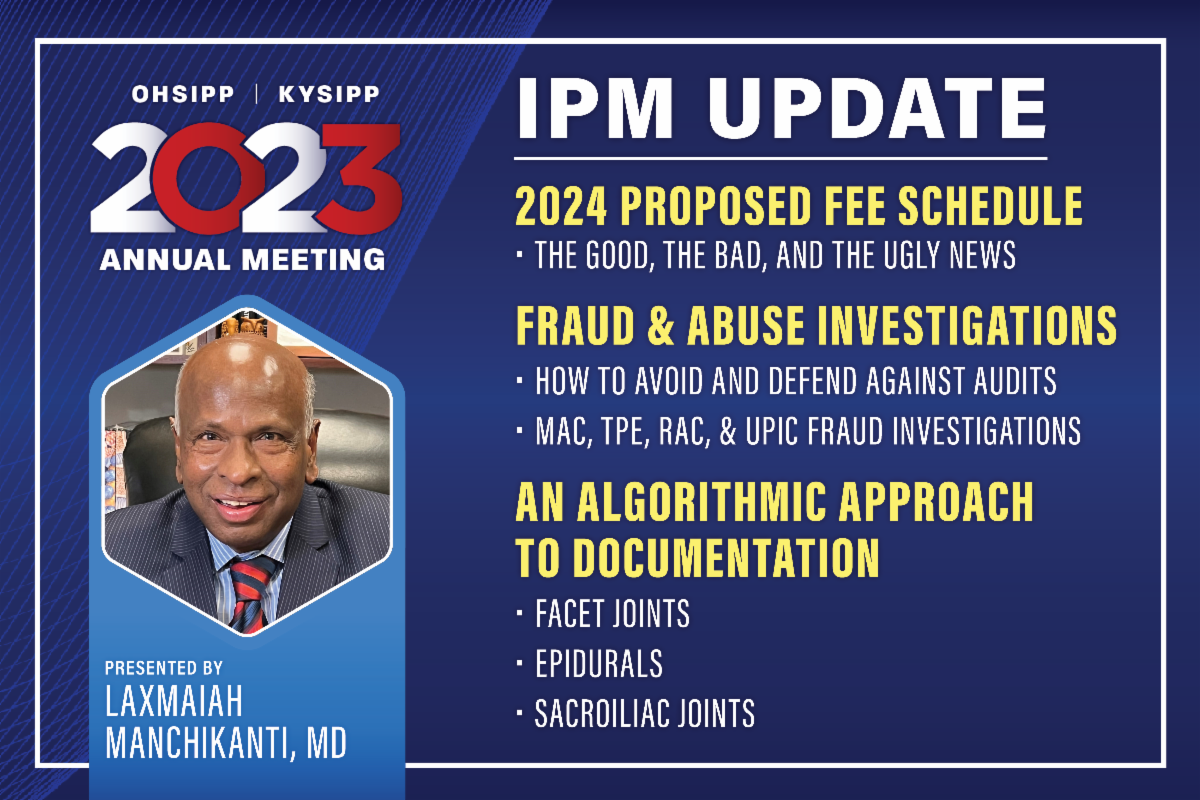
Join us August 18-20 for the 2023 OHSIPP-KYSIPP Annual Meeting in Cincinnati, OH, where cutting-edge advancements in interventional pain management will take center stage.
This premier event will delve into the most pertinent topics in the field, including the latest updates on the 2024 Proposed Fee Schedule, ensuring you stay at the forefront of the industry's changes. Gain invaluable insights from experts as they share best practices on navigating fraud & abuse investigations, safeguarding your practice's integrity. Enhance your expertise by honing your documentation skills for facet joints, epidurals, and sacroiliac joints, ensuring precision and compliance in your procedures.
Don't miss this unique opportunity to network, learn, and collaborate with industry leaders. Secure your spot now and be part of shaping the future of IPM!
|
|
While health awareness may be rising in the United States, some key indicators of personal health and well-being are heading in the opposite direction. Chronic pain is one such phenomenon. Not only has chronic pain been shown to be on the rise overall for U.S. adults, but it has also increased most for individuals from lower socioeconomic backgrounds who have less access to care.
The continuous barrage of pain takes a toll not only physically, but also mentally. Those living with chronic pain often find it harder to maintain relationships and a healthy social life, to concentrate on work and to pursue other life goals. Worse yet, chronic pain is often associated with long-term dependence on opioid medications, for lack of other treatment options effective at reducing pain.
Enter a new form of chronic pain treatment: conversational AI for mental health. I'm part of this growing industry and often talk with healthcare leaders about the potential benefits and challenges of using conversational AI for mental health. If you’re considering employing conversational AI in your work, here’s what you need to know:
|
|
Clinical reviewers often couldn't distinguish AI from human-generated notes
ChatGPT generated clinical notes on par with those written by senior internal medicine residents, according to a study that suggested the technology might be ready for a larger role in everyday clinical practice.
Grades given for clinical notes on history of present illness (HPI) differed by less than 1 point on a 15-point composite scale between the senior residents and an earlier version of ChatGPT (mean 12.18 vs 11.23, P=0.09), according to Ashwin Nayak, MD, of Stanford University in California, and coauthors.
However, the resident-written HPIs were given higher mean scores for their level of detail (4.13 vs 3.57, P=0.006), the researchers reported in a research letter in JAMA Internal Medicine.
|
|
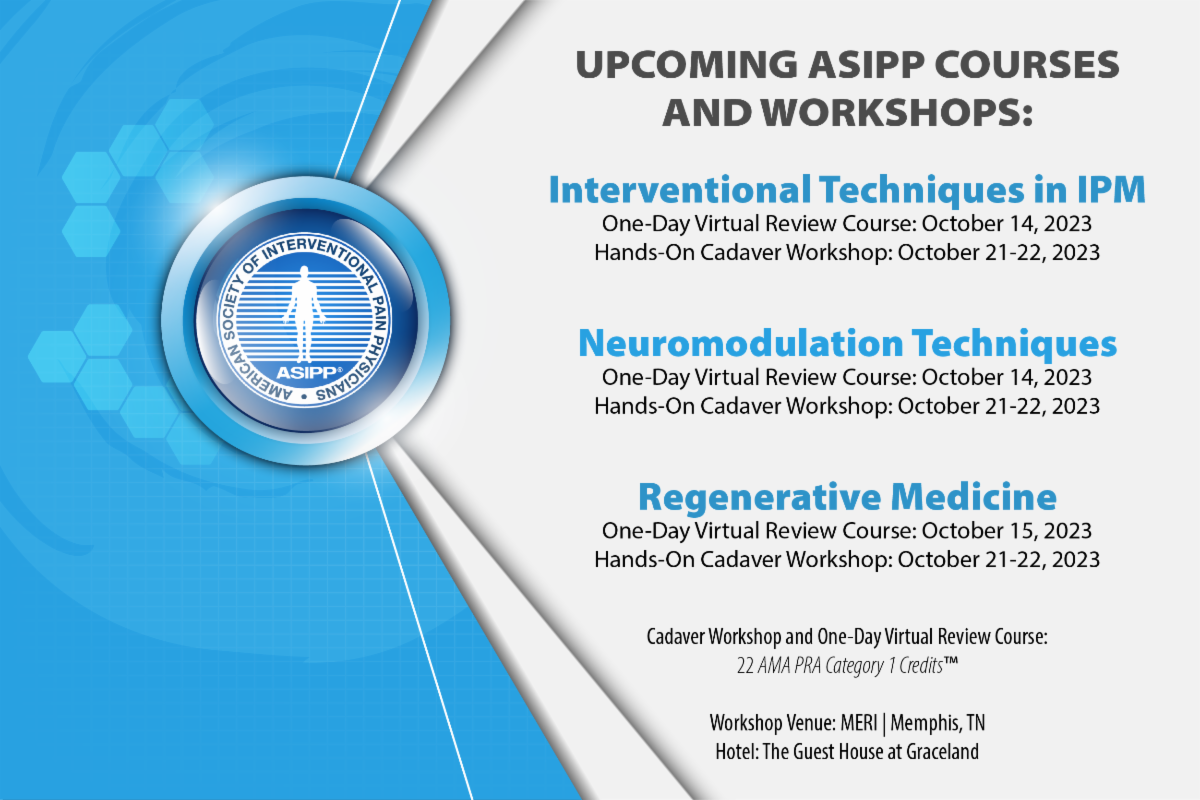
Interventional Techniques in IPM
Review Course & Cadaver Workshop
|
|
Regenerative Medicine
Review Course & Cadaver Workshop
|
|
Hearing loss is more than a marker for dementia risk, it appears
Cognitive decline in older adults with dementia risk factors was slower when they wore hearing aids in a randomized trial.
But no benefit from hearing aids was seen in otherwise similar individuals without risk factors for dementia, the results indicated.
Among at-risk individuals, cognitive decline was reduced by 48% over 3 years of follow-up in those assigned to wear hearing aids relative to a control group given general health advice, according to Frank Lin, MD, PhD, of Johns Hopkins University in Baltimore, and colleagues.
In a different segment of the trial sample comprising healthy older people, though, use of hearing aids did not affect participants' cognitive trajectory.
|
|
Without biomarkers, primary care doctors correctly identified Alzheimer's in about 55% of cases
A blood test may improve the accuracy of Alzheimer's diagnoses in primary care, data from the BioFINDER Primary Care study suggested.
Primary care physicians correctly identified the presence of Alzheimer's-related changes or correctly diagnosed Alzheimer's disease in approximately 55% of cases without blood biomarker results, reported Sebastian Palmqvist, MD, PhD, of Lund University in Sweden, in a presentation at the annual Alzheimer's Association International Conference. A blood-based biomarker test correctly identified Alzheimer's in more than 85% of cases.
Without blood tests, primary care physicians proposed treatment plans that led to 50% of true Alzheimer's cases not receiving symptomatic treatment, and 30% of non-Alzheimer's cases incorrectly receiving symptomatic Alzheimer's treatment.
|
|
Virtual
ABIPP Part I; ABIPP Path - Combined DCCPM/CSM virtual exam; ABIPP Competency Exam in IPM; ABIPP Competency Exam in Regenerative Medicine
Memphis, TN
ABIPP Part II - Practical Portion; ABIPP Competency Exam - Practical Portion; ABIPP Regenerative Medicine Competency Exam - Practical Portion
|
|
Half said they ditched their antidepressant mostly due to side effects
Discontinuation or dosage change of selective serotonin reuptake inhibitors (SSRIs) may be more common than one would think, according to a qualitative study of online drug reviews.
Out of 667 SSRI reviews posted to an online health forum by patients or caregivers, 335 posts were about discontinuing their medication -- the most common type of medication change, reported Su Golder, PhD, of the University of York in England, and colleagues.
The most common reason for discontinuing SSRIs was adverse events, which was cited 231 times. Among the seven SSRIs included -- escitalopram (Lexapro), sertraline (Zoloft), citalopram (Celexa), paroxetine (Paxil), fluvoxamine (Luvox), vortioxetine (Trintellix), and fluoxetine (Prozac) -- discontinuation rates ranged from 41% to 54% among the WebMD health forum reviews.
|
|
In an abrupt turn, Stanford president and renowned neuroscientist Marc Tessier-Lavigne announced Wednesday that he will step down as the university’s leader. His resignation came after he learned the results of an extensive investigation into his past research, which confirmed data manipulation in scientific papers that he co-authored and found that he took insufficient steps to correct them.
The nearly 100-page investigative report was released by a special committee of Stanford’s Board of Trustees. The report, authored by a former federal judge and an outside panel of scientists that reviewed a dozen papers Tessier-Lavigne co-authored before becoming Stanford’s president, concluded that he did not personally engage in scientific misconduct.
The panel found numerous issues, however, with five studies in which Tessier-Lavigne was a major contributor, including evidence of data manipulation in scientific images. While the report concluded that it would not have been reasonable to expect Tessier-Lavigne to catch these errors prior to publication, he failed to promptly correct or retract studies once problems were later flagged. In light of his discussions with the panel, Tessier-Lavigne’s statement and the report indicate that he is now planning to retract three studies and to correct two others.
|
|
For some people, revascularization to improve symptoms or help survival also endorsed
Since May, physicians in 21 states are no longer being asked broad mental health or substance abuse questions when they apply for a medical license. That's a major shift that could ease doctors' concerns about seeking treatment, according to the Dr. Lorna Breen Heroes' Foundation, a physician burnout prevention group that tracks such changes.
The foundation was named in honor of Lorna Breen, MD, an emergency medicine physician in New York City who died by suicide in April 2020 as the pandemic unfolded. The rate of suicide among physicians is twice that of the general population.
"The issue is not whether a physician may have had a serious or a mild mental illness...but whether they have any disabilities that may affect their current work," said Peter Yellowlees, MD, distinguished professor of psychiatry at the University of California, Davis. "Asking about any past mental illness episodes, which may have occurred years previously...is simply discriminatory and is an example of the stigma associated with mental disorders."
|
|
Early in the COVID-19 pandemic, doctors started to notice something striking. For what was originally described as a respiratory virus, SARS-CoV-2 seemed to have a strong effect on the brain, causing everything from loss of taste and smell and brain fog to, in serious cases, stroke.
NYU Langone Health, a New York city research hospital, started collating those anecdotes in hopes of better understanding how the virus affects the brain and nervous system. Years later, the project has morphed from focusing solely on acute symptoms to also tracking the long-term neurologic issues that some people with Long COVID experience, says program director Dr. Sharon Meropol.
|
|
- ASIPP Members Only Site Information - |
|
-
To log in for the first time you will need to click “forgot password” at the bottom of the login window.
- Check your email and then log in as directed.
-
If you have problems logging into your account, click here.
|
|
Pain Medicine Case Reports (PMCR) and Editor-in-Chief Alaa Abd-Elsayed, MD, PhD would like to invite you to submit case reports and case series to the PMCR journal. Your article will be published free of charge.
Open access journals are freely available online for immediate worldwide open access to the full text of published articles. There is no subscription fee for open access journals. Open access journals are no different from traditional subscription-based journals: they undergo the same peer-review and quality control as any other scholarly journal.
Interested in becoming a member of the PMCR Editorial Board?
Editorial board members are asked to review 2-6 manuscripts per year. Please submit your most up-to-date CV to sgold@asipp.org for consideration.
For more information or to submit your articles, click here.
|
|
| CASE REPORT |
Christian Roehmer, MD, Dianne Lou, MD, PhD, Christopher Sobey, MD, and Jeremy Walker, MD
Abstract
BACKGROUND: Peripheral nerve stimulation (PNS) may be an effective treatment for neuropathic pain syndromes of the extremities, even after conventional neuromodulation techniques have failed.
CASE REPORT: A 71-year-old man with a history of postlaminectomy syndrome presented with chronic left-sided leg pain after receiving no relief after undergoing multiple neuromodulation modalities. The patient subsequently underwent a successful sciatic nerve PNS trial, followed by implantation, achieving 90% pain relief after 6 weeks.
CONCLUSION: We describe a case where PNS was successful in treating chronic neuropathic extremity pain after traditional neuromodulation therapies had failed. Further studies are warranted to assess the role of PNS within the treatment paradigm for refractory neuropathic pain.
KEY WORDS: Chronic pain, neuromodulation, peripheral nerve stimulation
|
|
| ANIMAL STUDY |
Ling-Jun Xu, MD, Jing Wang, MD, Yu-Dan Li, BS, Kai-Feng Shen, PhD, Xing-Hui He, BS, Wei Wu, BS, and Cui-Cui Liu, MD
Abstract
BACKGROUND: Clinically, neuropathic pain is a severe side effect of oxaliplatin chemotherapy, which usually leads to dose reduction or cessation of treatment. Due to the unawareness of detailed mechanisms of oxaliplatin-induced neuropathic pain, it is difficult to develop an effective therapy and limits its clinical use.
OBJECTIVES: The aim of the present study was to identify the role of sirtuin 1 (SIRT1) reduction in epigenetic regulation of the expression of voltage-gated sodium channels 1.7 (Nav1.7) in the dorsal root ganglion (DRG) during oxaliplatin-induced neuropathic pain.
STUDY DESIGN: Controlled animal study.
SETTING: University laboratory.
METHODS: The von Frey test was performed to evaluate pain behavior in rats. Real-time quantitative polymerase chain reaction, western blotting, electrophysiological recording, chromatin immunoprecipitation, and small interfering RNA (siRNA) were used to illustrate the mechanisms.
RESULTS: In the present study, we found that both the activity and expression of SIRT1 were significantly decreased in rat DRG following oxaliplatin treatment. The activator of SIRT1, resveratrol, not only increased the activity and expression of SIRT1, but also attenuated the mechanical allodynia following oxaliplatin treatment. In addition, local knockdown of SIRT1 by intrathecal injection of SIRT1 siRNA caused mechanical allodynia in naive rats. Besides, oxaliplatin treatment enhanced the action potential firing frequency of DRG neurons and the expression of Nav1.7 in DRG and activation of SIRT1 by resveratrol reversed this effect. Furthermore, blocking Nav1.7 by ProTx II (a selective Nav1.7 channel blocker) reversed oxaliplatin-induced mechanical allodynia. In addition, histone H3 hyperacetylation at the Nav1.7 promoter in DRG of rats following oxaliplatin treatment was significantly suppressed by activation of SIRT1 with resveratrol. Moreover, both the expression of Nav1.7 and histone H3 acetylation at the Nav1.7 promoter were upregulated in the DRG by local knockdown of SIRT1 with SIRT1 siRNA in naive rats.
LIMITATIONS: More underlying mechanism(s) of SIRT1 reduction after oxaliplatin treatment needs to be explored in future research.
CONCLUSIONS: These findings suggest that reduction of SIRT1-mediated epigenetic upregulation of Nav1.7 in the DRG contributes to the development of oxaliplatin-induced neuropathic pain in rats. The intrathecal drug delivery treatment of activating SIRT1 might be a novel therapeutic option for oxaliplatin-induced neuropathic pain.
KEY WORDS: SIRT1, neuropathic pain, dorsal root ganglion, NAV1.7 voltage-gated sodium channel, oxaliplatin
|
|
| RETROSPECTIVE REVIEW |
Albert Leung, MD, Samar Alhaqab, BA, Alphonsa Kunne, BA, Dillon Leung, BA, Paul Krug, DNP, and Shahrokh Golshan, PhD
Abstract
BACKGROUND: Transcranial magnetic stimulation (TMS) and transcutaneous magnetic stimulation (tMS) offer a novel noninvasive treatment option for chronic pain. While the recent COVID-19 pandemic caused by the SARS-CoV-2 virus resulted in a temporary interruption of the treatments for patients, it provided an excellent opportunity to assess the long-term sustainability of the treatment, and the feasibility of resuming the treatments after a brief period of interruption as no such data are available in current literature.
METHODS: First, a list of patients whose pain/headache conditions have been stably controlled with either treatment for at least 6 months prior to the 3-month pandemic-related shutdown was generated. Those who returned for treatments after the shutdown were identified and their underlying pain diagnoses, pre- and posttreatment Mechanical Visual Analog Scale (M-VAS) pain scores, 3-item Pain, Enjoyment, and General Activity (PEG-3), and Patient Health Questionnaire-9 scores were assessed in 3 phases: Phase I (P1) consisted of a 6-month pre-COVID-19 period in which pain conditions were stably managed with either treatment modality; Phase II (P2) consisted of the first treatment visit period immediately after COVID-19 shutdown; and Phase III (P3) consisted of a 3-4 month post-COVID-19 shutdown period patients received up to 3 sessions of either treatment modality after the P2 treatment.
RESULTS: For pre- and posttreatment M-VAS pain scores, mixed-effect analyses for both treatment groups demonstrated significant (P < 0.01) time interactions across all phases. For pretreatment M-VAS pain scores, TMS (n = 27) between-phase analyses indicated a significant (F = 13.572, P = 0.002) increase from 37.7 ± 27.6 at P1 to 49.6 ± 25.9 at P2, which then decreased significantly (F = 12.752, P = 0.001) back to an average score of 37.1 ± 24.7 at P3. Similarly, tMS (n = 25) between-phase analyses indicated the mean pretreatment pain score (mean ± standard deviation [SD]) increased significantly (F = 13.383, P = 0.003) from 34.9 ± 25.1 at P1 to 56.3 ± 27.0 at P2, which then decreased significantly (F = 5.464, P = 0.027) back to an average score of 41.9 ± 26.4 at P3. For posttreatment pain scores, the TMS group between-phase analysis indicated the mean posttreatment pain score (mean ± SD) increased significantly (F = 14.206, P = 0.002) from 25.6 ± 22.9 at P1 to 36.2 ± 23.4 at P2, which then significantly decreased (F = 16.063, P < 0.001) back to an average score of 23.2 ± 21.3 at P3. The tMS group between-phase analysis indicates a significant (F = 8.324, P = 0.012) interaction between P1 and P2 only with the mean posttreatment pain score (mean ± SD) increased from 24.9 ± 25.7 at P1 to 36.9 ± 26.7 at P2. The combined PEG-3 score between-phase analyses demonstrated similar significant (P < 0.001) changes across the phases in both treatment groups.
CONCLUSIONS: Both TMS and tMS treatment interruptions resulted in an increase of pain/headache severity and interference of quality of life and functions. However, the pain/headache symptoms, patients’ quality of life, or function can quickly be improved once the maintenance treatments were restarted.
KEY WORDS: Pain, headache, transcranial magnetic stimulation (TMS), transcutaneous magnetic stimulation (tMS), COVID_19 pandemic
|
|
ASIPP is now in collaboration with Curi Medical Liability Program
Since this malpractice insurance program officially launched in November 2018, ASIPP has signed up hundreds of providers with an average savings of 30%. This is professional liability insurance tailored to our specialty and will stand up for us and defend our practices.
Curi is a full-service advisory firm that serves physicians and their practices. Their valued advice is grounded in your priorities and elevated in your outcomes. They are driven by a deep understanding of your specific circumstances in medicine, business, and life. To read a few important points to keep in mind about the program, including discounts, administrative defense, cyber coverage, aggressive claims handling, and complimentary risk management CME activities, visit our website.
|
|
ASIPP® has formed a partnership with Henry Schein and PedsPal, a national GPO that has a successful history of negotiating better prices on medical supplies and creating value-added services for independent physicians. Working with MedAssets, PedsPal provides excellent pricing on products like contrast media that alleviate some of the financial pressures you experience today.
|
|
ASIPP® is now offering our members the benefit of a unique revenue cycle management/ billing service.
We have received a tremendous amount of interest in the ASIPP® billing and coding program.
Click here to learn more about the negotiated rate for practices and more!
|
|
|
up-to-date news related to you, your practice, and your patients!
|
|
|
|
|
|
|