LET'S DEFINE "WELLNESS":
WE NEED SPECIFIC LANGUAGE
WHEN IT COMES TO MENTAL ILLNESS
By Cynthia Chazen
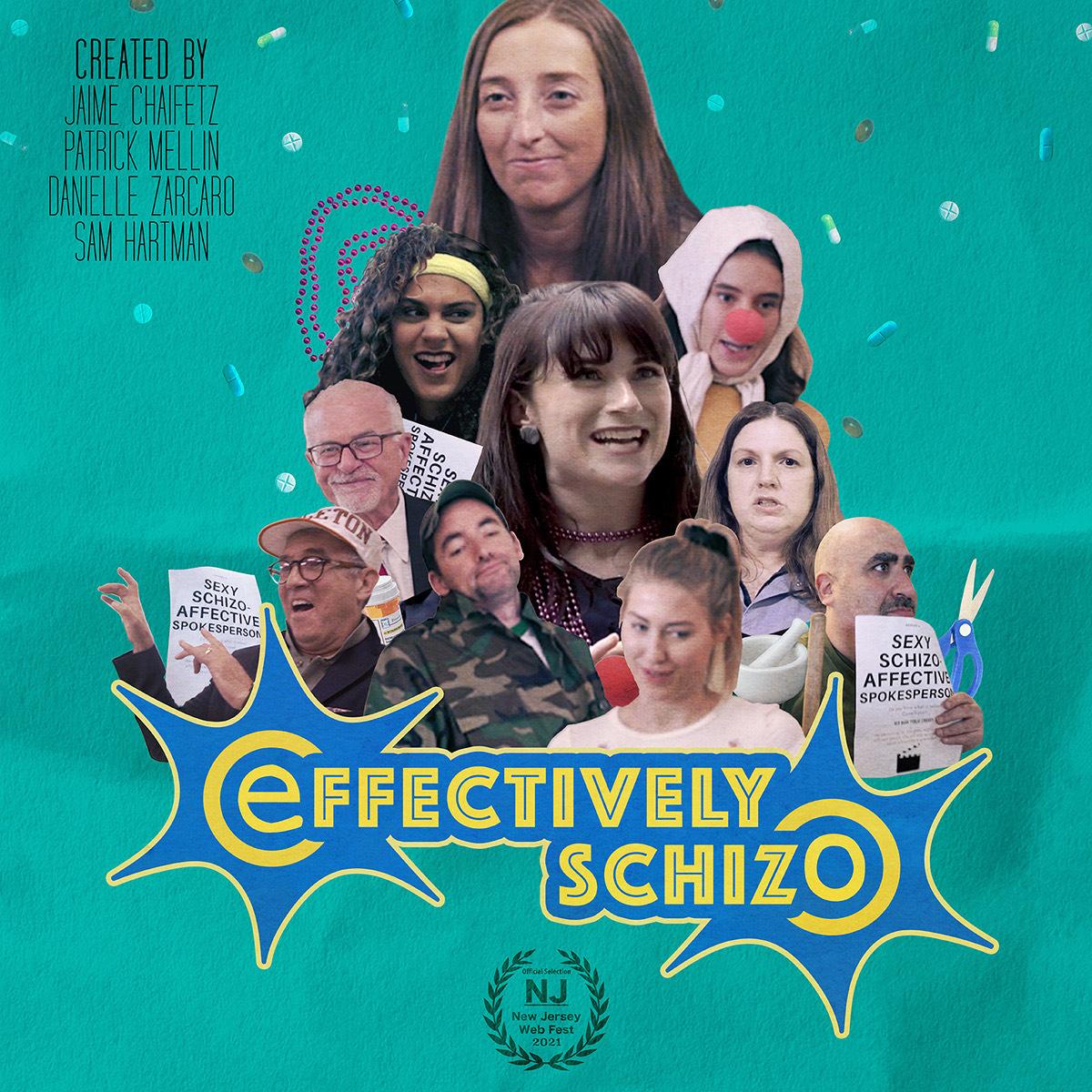
No one wants to say "mental Illness." So it got softened behind a parade of euphemisms for millennia. No one was ever mentally ill, unless they were in an "insane asylum." Remember when movie stars suffered "exhaustion," neurotic 1950s businessmen had "nervous breakdowns," and Victorian Age ladies suffered from "hysteria"? Children were just termed "difficult." Happily, most stigmatizing language has recently discontinued; and we all chose to stop that.
We have the power to change the way we speak about mental illness, and ask for greater clarity.
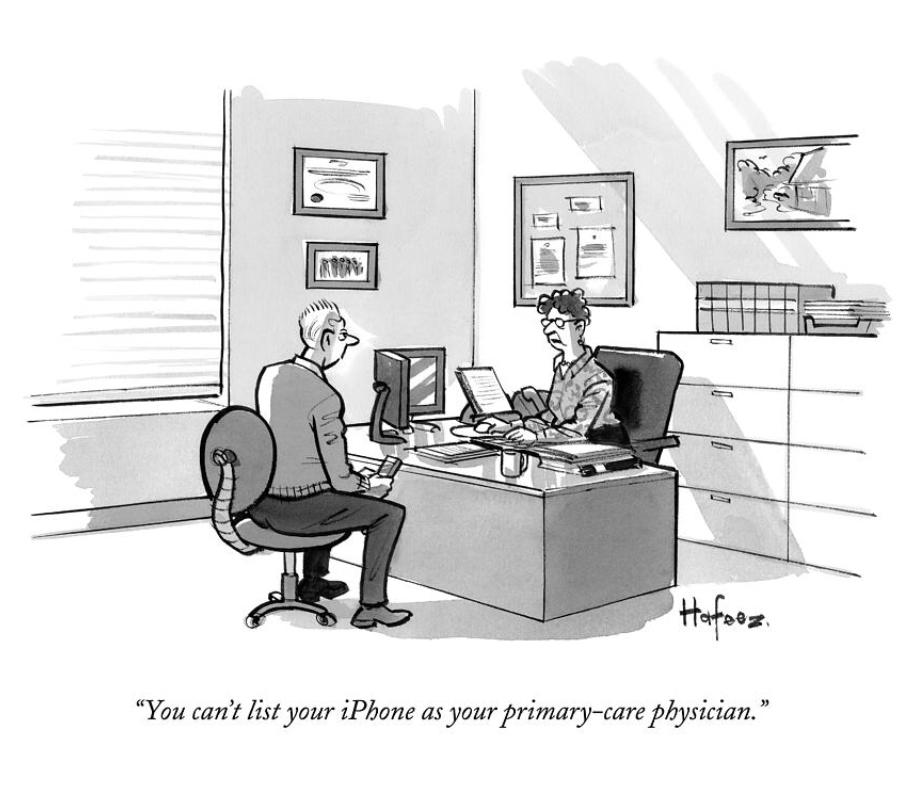
Regrettably, some language surrounding mental illness remains murky. Most people prefer the more positive term "mental health" over the more clinical, and exact, "mental illness." So, "mental health" has come to mean many things: mental illness, medical treatments, personal well-being, etc. Clinicians, government, and community centers still avoid the term "mental illness." No one wants to pull up and park in front of a "Mental Illness Center." Celebrities with clinically mild mental illness (i.e. anxiety, depression), or clinically severe mi (i.e. depression, bipolar disorder) now speak out frequently, but still obfuscate their condition by misusing terms to share the news with the public.
Nowadays, celebs "practice self-care" instead of being exhausted." Using such vagaries protects their privacy, and that is their right. For example, no one knows for sure what Britney Spears suffers from. Simone Biles pulled out of the Olympics citing her "mental health," but soon after blamed a balance condition nicknamed "the twisties" as the real reason she sat out. Ok. It's just that half of the truth and euphemisms spread a lot of misinformation, while the conversation around mental health is at a high point in the media. We need more advocates who will educate, like Olympic swimmer Michael Phelps, who was clear as the water about his depression.
Would it further de-stigmatize mental illness if we all used the same terminology?
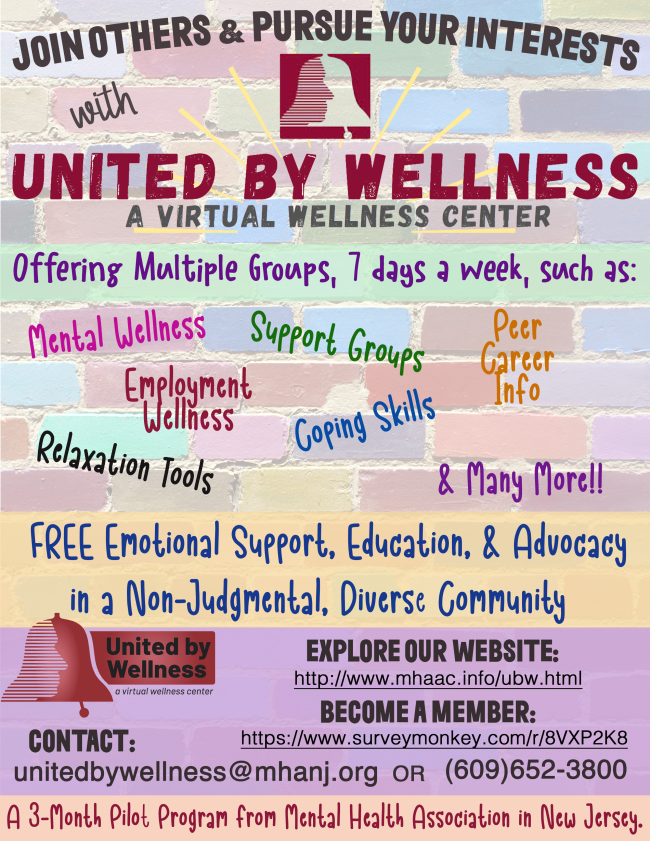
It probably won't happen. When language surrounding mental illness and behavioral health (another euphemism) reflects the co-opting and bastardization of clinical terms by the general public, it's up to professionals to educate and clarify. "Wellness" provides a perfect example. In the mental health field, "wellness" means evidence-based treatments that provide non-medical care. Therapy, psychiatric help, and medications are medical treatments under the umbrella of behavioral healthcare. Detox is a medical procedure. But peer counseling, family or nutrition education, stress management, and self-help groups fall under the wellness umbrella. Yoga, Reiki, and smoothies at the gym are just plain ol' "self-care." It's a real jungle of terminology. Grrrr.
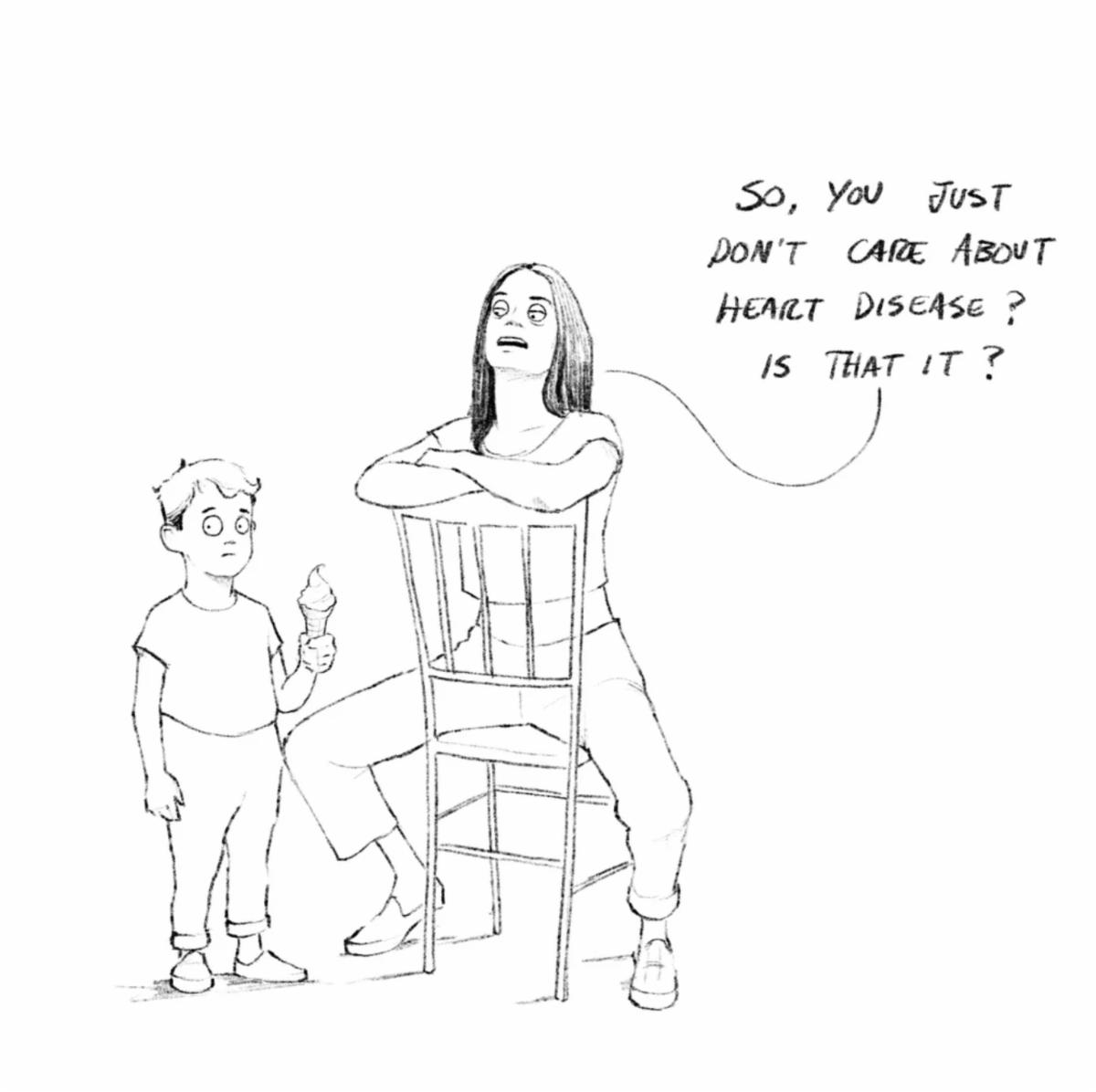
Professionals should aim to be precise with their language. Everyone else has to pause, or ask for better context to make sure they clearly understand messages regarding "mental health." In this issue, we take a look at wellness in NJ. What do you think of the way mental illness is being discussed in media, sports, entertainment, or behavioral health contexts? Is it always clear?