Program Newsletter | 1st Quarter, 2023

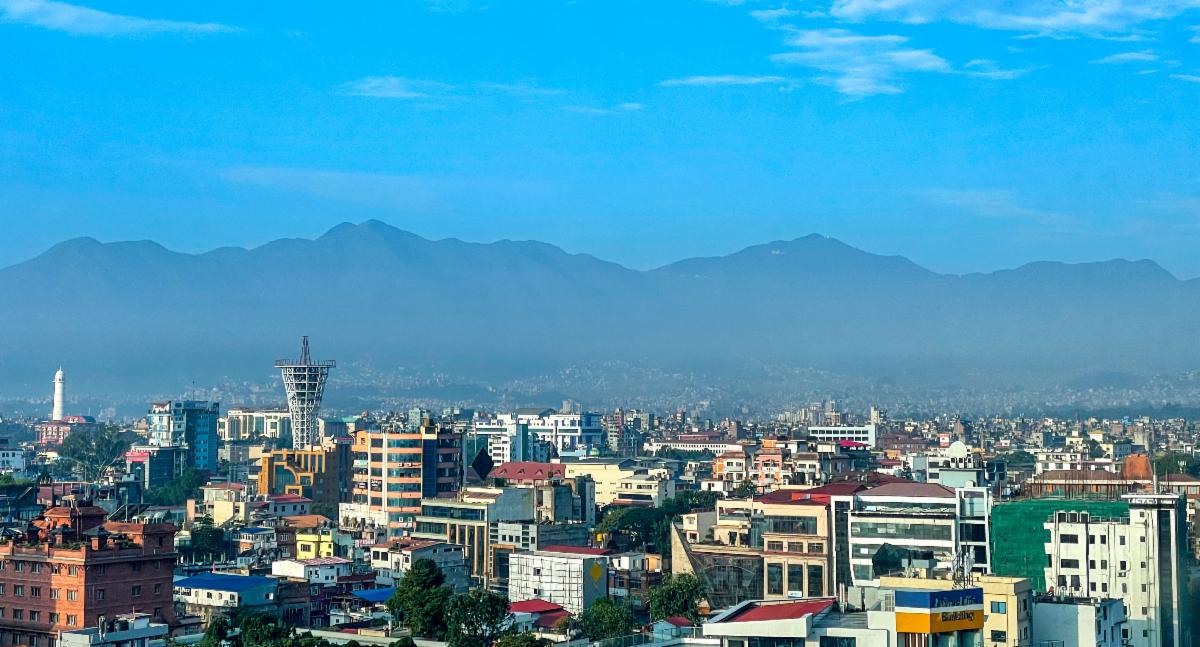
Kathmandu, Nepal’s capital, is slowly recovering from the wrath of the 7.8 magnitude earthquake in 2015.

Program Update

HHI Resilient Communities Expands to Nepal

The HHI Resilient Communities program enters a brand-new and exciting phase in 2023. The program will now carry out research and learning initiatives on climate change and disaster resilience in Nepal in addition to the Philippines.


Similar to the Philippines, Nepal is disproportionately vulnerable to disasters. Flooding in the lowlands, droughts, landslides, and glacial melt in the highlands are some of Nepal's major climate-related challenges. Nepal is still making progress toward a full recovery eight years after the 7.8 magnitude earthquake, which claimed thousands of lives and destroyed thousands of buildings in Kathmandu and nearby towns.


"The program’s expansion to Nepal provides an opportunity to better understand how different kinds of communities experience disasters in diverse geographic settings. The inclusion of Nepal into the research agenda also creates an excellent opportunity for shared learning and networking of disaster management professionals in both countries," says Dr. Vincenzo Bollettino, HHI Resilient Communities Program Director.

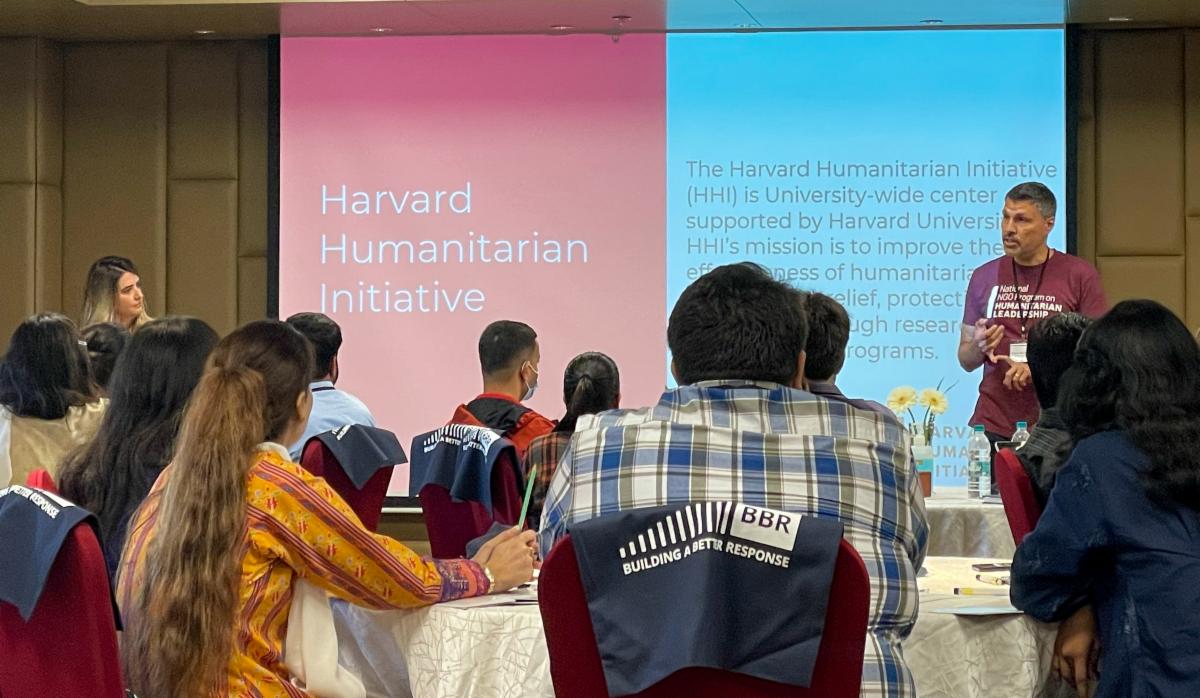
Dr. Vincenzo Bollettino speaks at a workshop with humanitarian workers held in Kathmandu on October 4, 2022.

In late 2022, our team conducted its first scoping trip to Nepal to identify pertinent players in the disaster preparedness and response system. To better understand how communities and local actors may prepare for and reduce the effects of climate-related risks, we strive to map the existing evidence base and identify areas of future research. Understanding the elements that now support or impede disaster preparedness in communities that are most at risk will be one of our goals. 


To inform practice and policy on disaster response and preparedness measures, we will share the data we collect and evaluate with local organizations and community members, as we are doing in the Philippines. Additionally, we regard the expansion into Nepal as a fantastic chance to apply what we have learned in the Philippines and to further develop the network between the two nations that enables information sharing and mutual learning. We will keep you posted on all our activities in both Nepal and the Philippines in the coming months!


Upcoming Research & Reports


Perspectives from MHPSS Providers on Mental Health amid COVID-19


We partnered with the Philippine Psychiatric Association and the Psychological Association of the Philippines and conducted a study on “COVID-19-related Mental Health Challenges and Opportunities Perceived by Mental Health Providers in the Philippines.” The research assesses the psychosocial impacts of the COVID-19 pandemic as reported by licensed mental health providers in the Philippines. The findings will be published and shared with you soon.


Pinoy Resilience Scorecard

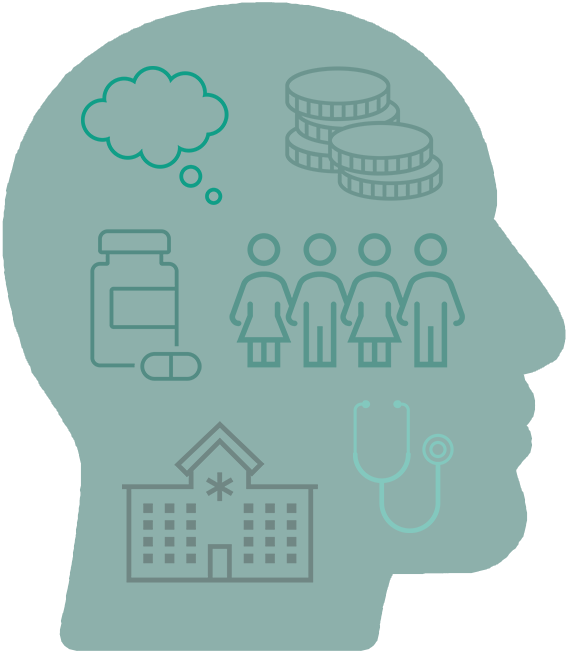
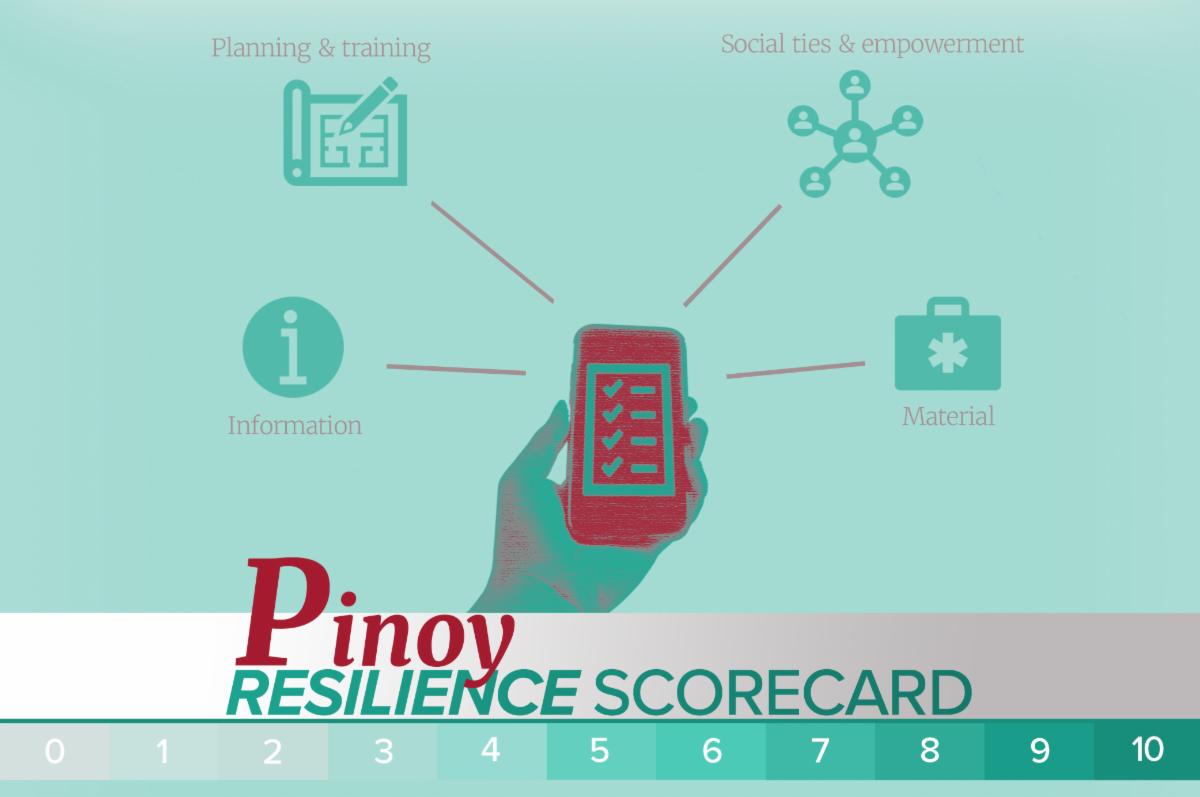
This year, we will be launching the “Pinoy Resilience Scorecard,” an online scorecard that aims to develop a general description of the disaster preparedness and resilience of Filipinos at the individual level. The scorecard will also present information on how each person’s score compares with the rest of the respondents, and provide resources that the respondents can access to help them improve their preparedness and resilience to disasters.


Furthermore, the study's findings are intended to assist researchers, NGOs, and government agencies in better understanding the resilience of individual Filipinos and determining which aspects of resilience require more assistance in the form of knowledge, financial investments, social empowerment, training, and capacity building.


More information on the scorecard will be shared with you soon. Do you think this scorecard can help your work or your organization’s programming? Feel free to send us a note.

Faculty Spotlight

Dr. Vincenzo Bollettino promoted

at Harvard School of Public Health!


Congratulations to Dr. Vincenzo Bollettino on being named Senior Research Scientist in the Department of Global Health and Population at Harvard T.H. Chan School of Public Health. Dr. Bollettino is the Program Director of the HHI Resilient Communities.


In his new role as Senior Research Scientist, Dr. Bollettino will serve as the principal investigator for research on disaster resilience and preparedness in the Philippines and Nepal. He also leads research related to the work of the National NGO Program on Humanitarian Leadership. 


Disaster resilience, humanitarian action, civil-military participation in emergencies, and humanitarian leadership are among the professional specialties and research interests of Dr. Bollettino. He has worked in administration, teaching, and research at Harvard University for the last twenty years of his career. He has taught courses at the Harvard Extension School on research design, peacebuilding, and international politics.


Dr. Bollettino serves as an Advisory Committee Member of the MSF Speaking Out Case Studies. He was previously a board member of ELRHA (Enhancing Learning and Research for Humanitarian Assistance), and former president of the ACF International Scientific Council (Action Against Hunger). He graduated from the University of Colorado with a Doctorate in International Studies and International Security.

Learn More & Connect with Dr. Bollettino

Latest Findings

Civil-Military Coordination in DRRM

By Vincenzo Bollettino

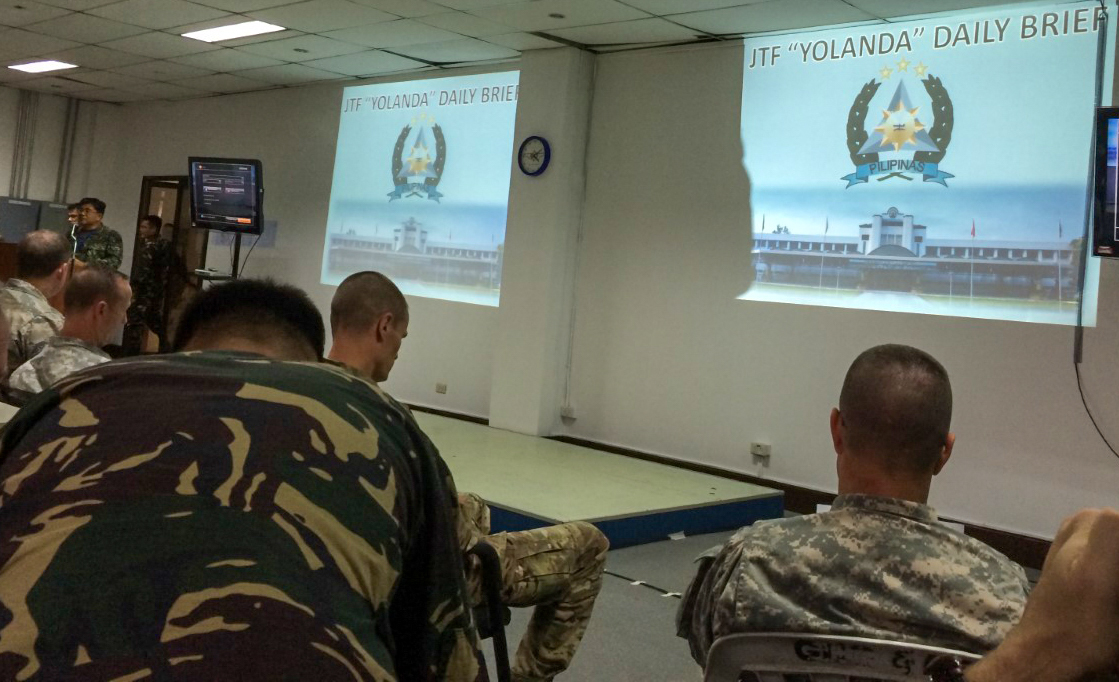
We conducted research on civil-military coordination, which revealed significant challenges in protecting the integrity of independence of both military and humanitarian actors in areas impacted by both conflict and disaster. The research identified the need for principled humanitarian civil-military coordination to avert threats to both humanitarian aid workers and disaster-affected populations. These findings are relevant not only in the Philippine context but also throughout Southeast Asia where the use of the military in disaster response is common. An article sharing these findings, “Climate Change and Civil-Military Coordination in the Philippines: How climate change disasters will impact aid delivery in areas affected by conflict,” was published in the Climate, Disaster and Development Journal.


Leadership in Coastal Communities

By Mark Daza

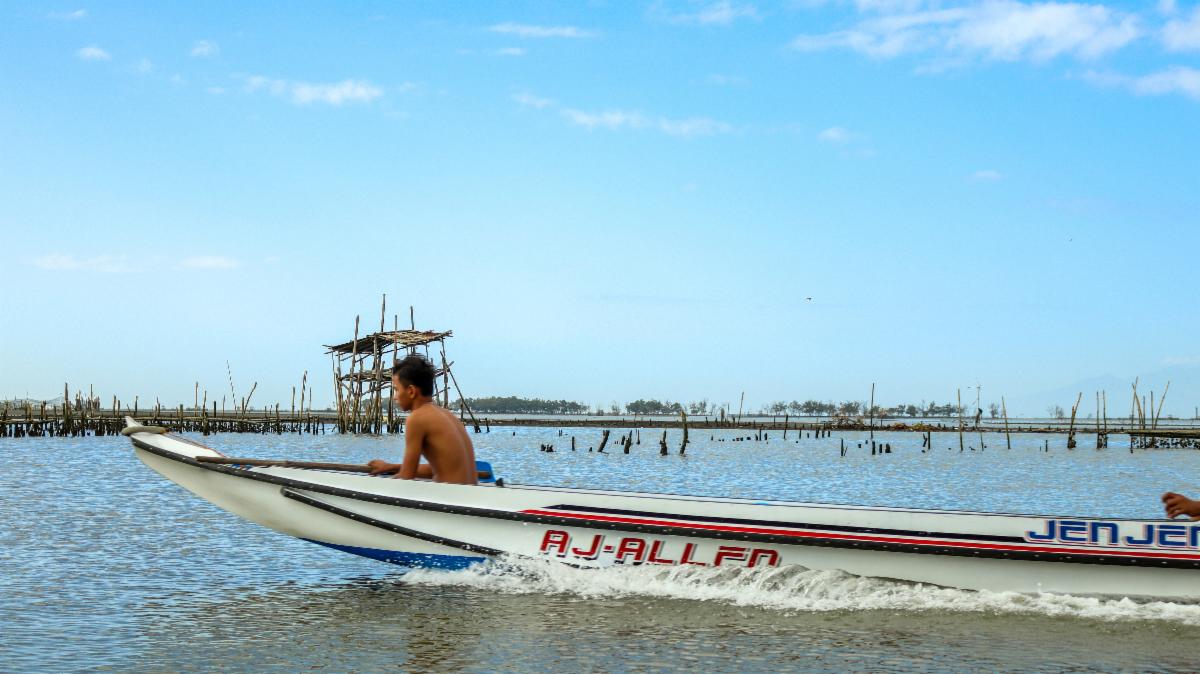
To further our intensive participatory action research in coastal communities and gain a better understanding of how local leadership can support coastal community adaptation to climate change, we teamed up with Dr. Mark Abenir, a local faculty member from Ateneo de Manila University. In a joint publication “Community-based leadership in disaster resilience: The case of small island community in Hagonoy, Bulacan, Philippines," it was found that communities with strong leadership who were able to influence local policies and link their communities to national resources would be best positioned to adapt to and better prepare for the effects of climate change. The report also revealed factors hindering community resilience in small island communities such as limited resources and few policies supporting the implementation of community-based disaster risk reduction and management (CBDRRM).


Upcoming Event

Harvard Humanitarian Initiative’s (HHI) Humanitarian Response Intensive Course (HRIC) and Simulation are back in person and will be held in Cambridge, MA from April 18–30, 2023!

Learn More
 

Keep in Touch

Thank you for reading! We hope you found the information we shared to be helpful and informative.


Never hesitate to get in touch with us at mdaza@hsph.harvard.edu if you have any comments, ideas, or suggestions for topics we should cover in future issues. We always value your input and strive to make each issue better than the last. Keep an eye out for our next newsletter, which will contain even more exciting content. Enjoy your day until then!


Share this newsletter via:

LinkedIn LinkedIn Post
Join Our Mailing List

Connect with us

Facebook  Twitter  Instagram  Web