Welcome to the University of Oklahoma Carceral Studies Consortium Newsletter. The Carceral Studies Consortium strives to build a community for intellectual exploration that includes faculty, staff, graduate students, community members, practitioners, and organizers.
Carceral Studies is concerned with the independent function and nexus of the political and social systems that organize, shape, sustain, and entrench practices of punishment, surveillance, incarceration, and harm.
|
|
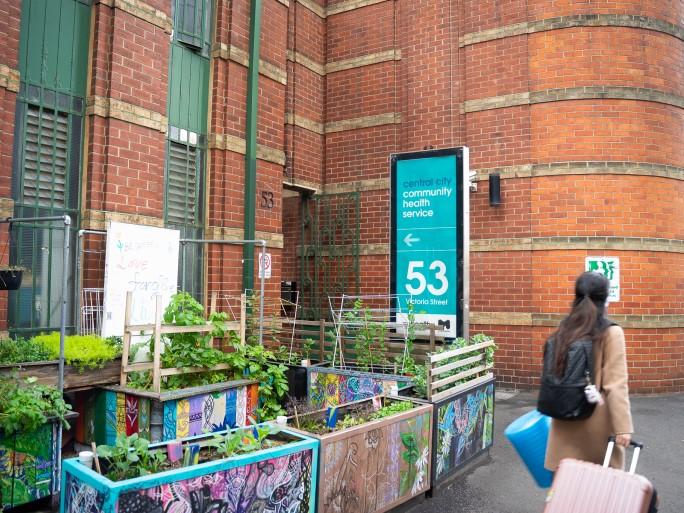
Examining social issues through the perspective of a single variable is often ill-suited for a proper understanding and solution to a problem. Nicole Bartholomeusz explains a more holistic remedy is one that “takes a ‘social determinants approach’ to healthcare delivery, recognizing that if other factors that are underscoring the health issue – such as the lack of a home – are not addressed, the health will not improve.” Applying the concept of social determinants to incarceration highlights a clear cycle of homelessness, imprisonment, and recidivism. In fact, in places such as Victoria, Australia, “one in four inmates [were] homeless the month before entering prison” and “a third of those leaving prison [became] homeless.” High rates of housing instability are not the end of this cycle, however, as those that are homeless after their release are likely candidates for recidivism. Julie Edwards relates such a connection to the lack of government assistance for formerly incarcerated persons coupled with the disruption of connections to their housing and social relations. Andrew, a formerly incarcerated person, explains that the cycle of prison and recidivism is one that he has experienced continuously. Still, the only way to break free was “a good support network” that would include counselors as well as working opportunities. However, Andrew stated that the process is “so much easier when you are housed.”
|
|
Fairfax County Sheriff's Office |
|
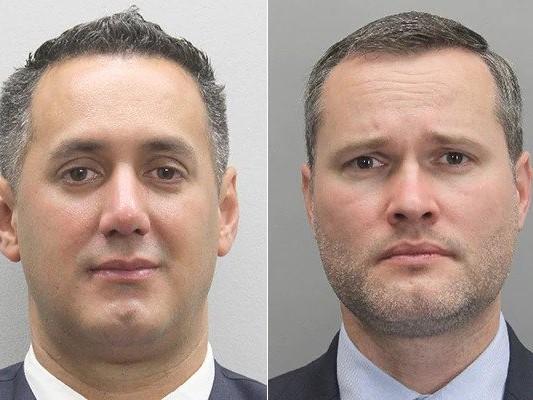
In 2017, officers Alejandro Amaya and Lucas Vinyard shot Bijan Ghaisar during a “stop-and-go chase.” The officers are facing manslaughter charges, but their defense team believes that “they are entitled as federal officers to immunity from local prosecutors” who are “not entitled to second-guess the [officers’] split-second judgments.” Additionally, the legal representation for the officers stated that the incident was “within the bounds of their training,” which includes their approach of Ghaisar’s vehicle with their weapons drawn based on the concept of “when in doubt, pull it out” regarding their weapon management. Nevertheless, local prosecutors continue to push for accountability by citing “recent Supreme Court precedent emphasiz[ing] the state’s right to protect public safety as it sees fit without interference from the federal government” and the suspect weapon management training.
|
|
A scene from Unapologetic
|
|
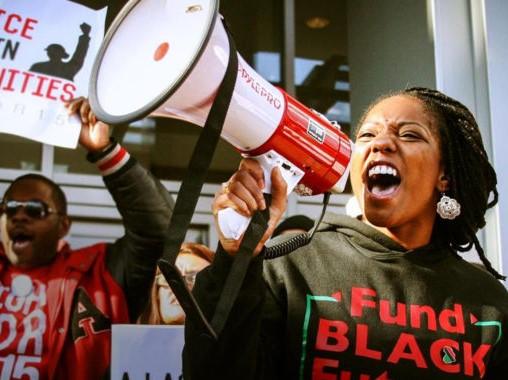
Unapologetic pulls back the curtain on the role of the activist as it explores how “the people in the streets are ordinary folks struggling with ordinary life.” The documentary highlights two Black women activists that pursue their goals through different pathways. Janae Bonsu is a community organizer with a group called Black Youth Project 100 while also completing her Ph.D. Bonsu’s path is juxtaposed with Ambrelle Gambrell’s method of reaching community transformation through being a raptivist (a rapper involved in political or social activism). Gambrell connects with those that have been affected by the carceral system through an elevation of “the voices of young, Black and queer women.” According to Jacqueline Luqman, Bonsu and Gambrell depict how activism is not a lifestyle but their “whole life” as their work is paramount to their survival in a society that targets them. Although the film tackles many topics relating to race, sexuality, politics, and incarceration, Unapologetic excels at providing a “much-needed expose into the actual lives of actual activists.”
|
|
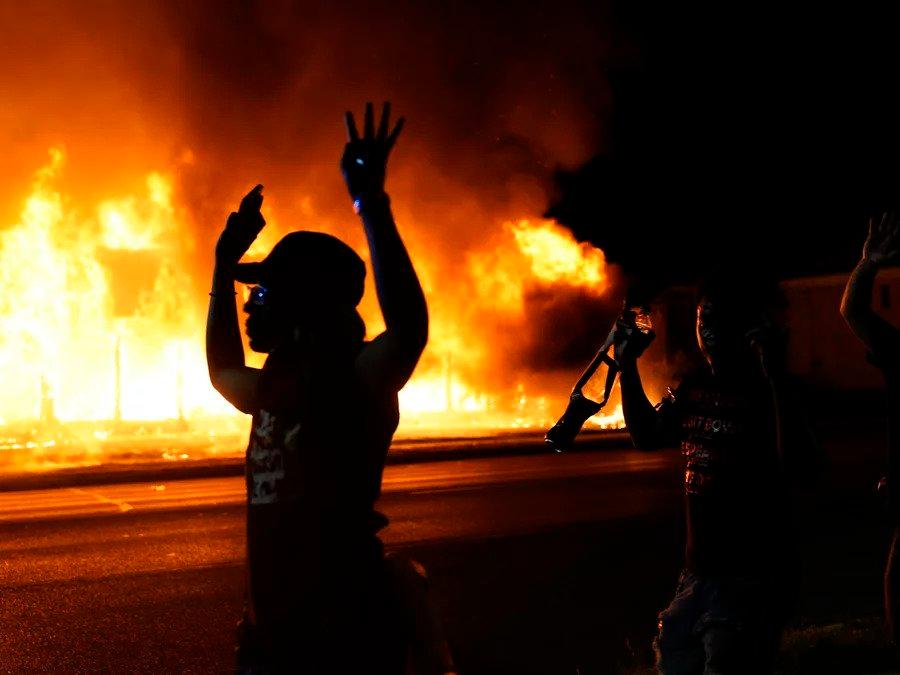
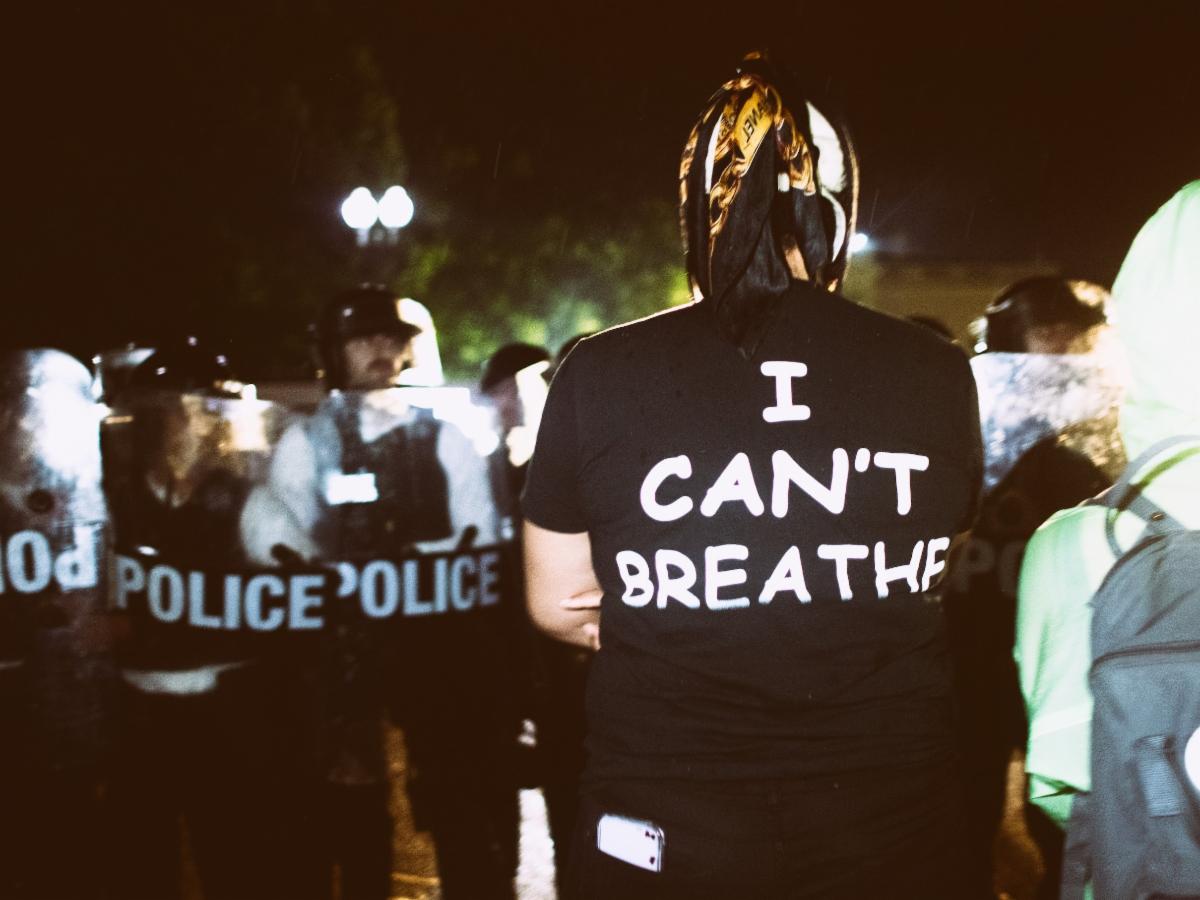
The Movement for Black Lives has issued a report titled Struggle for Power: The Ongoing Persecution of Black Movement by the U.S. Government, examining historical and ongoing efforts to deconstruct Black freedom movements through policing. Policy research coordinator Amara Enyia states that legal tactics have attempted to negate constitutional rights as “the U.S. government has continued to persecute the Black [Lives Matter] movement by surveillance, by criminalizing protests, and by using the criminal legal system to prevent people from protesting and punishing them for being engaged in protests by attempting to curtail their First Amendment rights.” Although law enforcement is often present at protests, the report differentiates the use of police aggression by comparing events such as the COVID-19 protests and the BLM protests after the death of George Floyd. The report highlights racial disparities in arrest rates, as the proportion of Black arrests is “dramatically overrepresent[ed]” when examined as the “proportion of Black defendants compared to the proportion of Black people in the United States,” but the charges levied against the defendants are often entirely false or at least “greatly exaggerated.” Nevertheless, Makia Green of the group Harriet’s Wildest Dreams remains motivated despite over-policing: “regardless of how we are often painted, activists are people who have the audacity to believe that we can live in a better world, where people are safe, where people are not afraid of being murdered by the police.”
|
|
Johnny Silvercloud / Shutterstock |
|
Tim Wise makes the case that law enforcement agencies and their supporters justify police shootings by using data to claim that the victims were armed. Wise states that “according to this narrative, if the decedent was carrying a weapon of some kind, their shooting was acceptable.” Therefore, any individual possessing a possible weapon is assumed to be guilty of intent to use such force against an officer regardless of the circumstantial factors related to the interaction. However, "weapons” can include “rocks, baseball bats, scissors, and hammers, along with guns and knives,” as well as vehicles or toy guns. Using data from the Washington Post, Wise explores how the many contextual details are ignored or falsified to justify shootings through a portrait of officer self-defense. Wise concludes that the honesty of law enforcement is of principal concern as “to reflexively believe the police when they say someone was armed or threatening them is believe cops have little incentive to lie. But in fact, their careers and freedom hinge on making every use of lethal force justifiable to their departments, the public, the prosecutors, and the courts.”
|
|
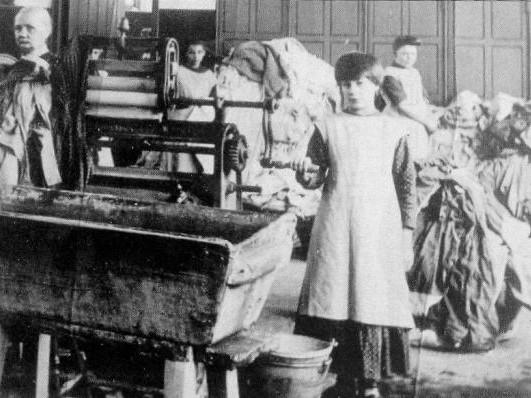
Sarah-Anne Buckley maps the carceral state of Ireland through the institutionalization and reformation of women and children. The Magdalene laundries, private-run catholic institutions, are an example of an institution that detained vulnerable women and subjected them to emotional and physical abuse as well as identity theft. Industrial schools were another form of state control that absorbed orphaned or deserted children and could also remove children from their parents for “child neglect,” which as Buckley notes, “was a very broad category.” Those in industrial schools also faced abusive conditions and even death. Finally, Buckley argues that the carceral state in Ireland extended formal punishments to control social behavior that was more stigmatizing than illegal, such as conception outside of marriage. Buckley explains that this extension of the state’s power has only now started to be slowly deconstructed as Ireland decouples itself from the harsh conditions and influence of the Catholic Church in policing social standards.
|
|
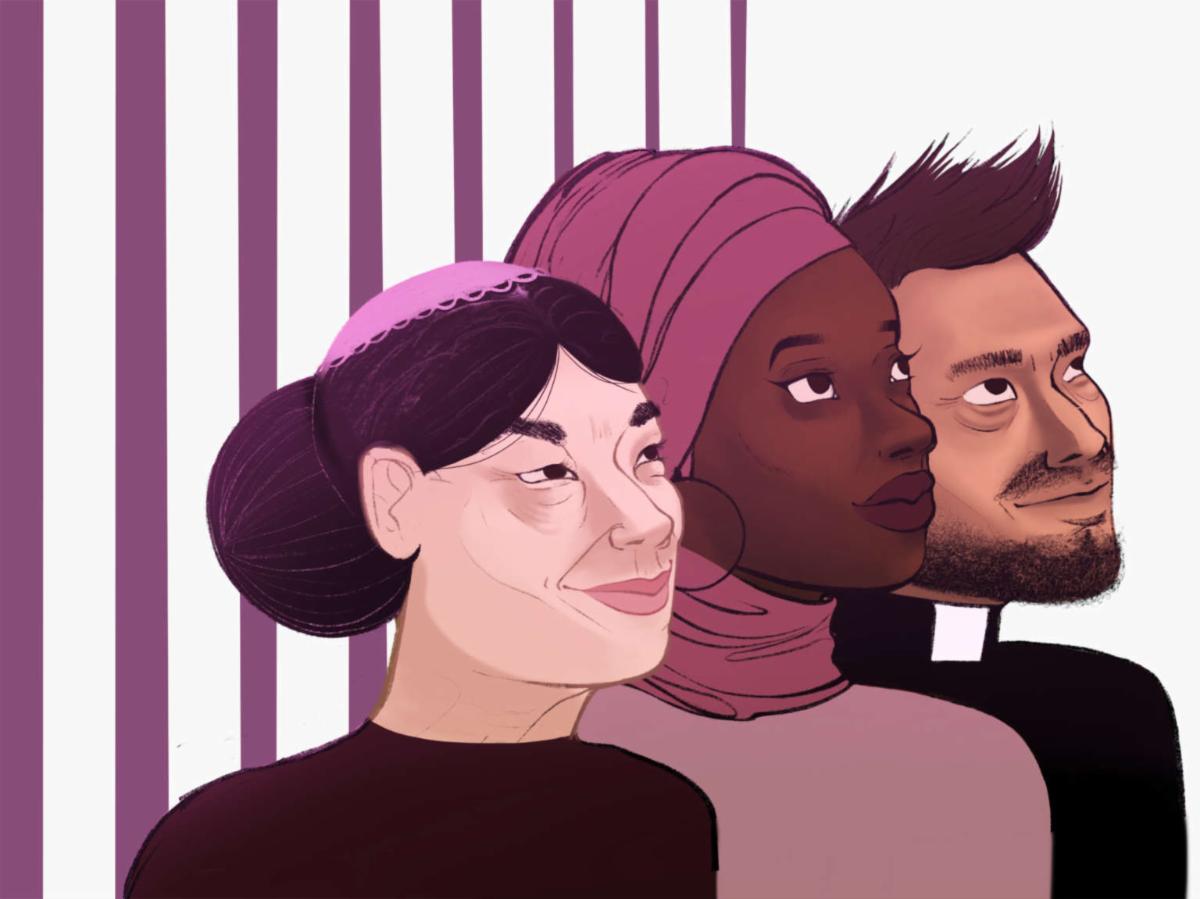
According to Lauren Walker, although “mainstream media often highlight religious conservatives who spend their time calling for more state violence and punishment, there are religious people in the U.S. who are doing quite the opposite.” These religious people of multiple faiths create liberation theologies that unite in their belief of an “account[ability] to the oppressed” and the commitment “to the abolition of oppressive systems, like the carceral state.” Liberation theologies deconstruct the actions of the carceral state by connecting abolition to the principles of their different faiths. Nabihah Maqbool explains this relation by stating, “I cannot separate Islam from liberation. Truly living the values of Islam should require us to push for justice, to be anti-racist and to free ourselves and our communities from the false god of capitalism.” In this way, the diverse unification of different faiths find pathways to abolition through moral obligations to “[repair] harms, [restore] relationships and [rebuild] individuals and communities for social thriving beyond policing, prisons and punishment.” Liberation theologies attempt to counteract a continued focus on religious conservatives by utilizing “their faith as a guide…struggling for a better, more just world.”
|
|
Announcements & Opportunities |
|
OU PolicyMap Trial
OU Libraries is currently offering a trial subscription to the program PolicyMap until November 23, 2021. PolicyMap enables users to interact with data and mapping tools with indicators that include demographics, jobs, housing, crime, quality of life, education, socioeconomic factors, and much more. Some data sources include the Census Bureau, Department of Homeland Security, and Center for Disease Control Behavioral Risk Factor Surveillance Survey. If you would like to see OU subscribe to this program, it is important to try it out and respond to the feedback survey as soon as possible.
|
|
|
ABOUT
The Consortium Newsletter will offer a roundup of a few selected articles that reflect today’s news, organizing, and thinking related to the carceral state. We understand that freedom work is built on education and engagement. Education requires an understanding of contemporary issues informed by their historical context. We hope that these curated articles will help you analyze the issues that we face and understand the community that we strive to construct.
Join the conversation!
We encourage feedback, suggestions, and article suggestions. Please reach out to carceralstudies@ou.edu with any ideas, thoughts, or recommendations.
If anyone you know is interested in receiving this newsletter and other information from the Carceral Studies Consortium, please forward them this email and they may click this link to subscribe.
|
|
Land Acknowledgment
The University of Oklahoma is on the traditional lands of the Caddo Nation and the Wichita & Affiliated Tribes. This land was also once part of the Muscogee Creek and Seminole nations. It also served as a hunting ground, trade exchange point, and migration route for the Apache, Cheyenne, Comanche, Kiowa, and Osage nations. Today, 39 federally-recognized Tribal nations dwell in what is now the State of Oklahoma as a result of settler colonial policies designed to confine and forcefully assimilate Indigenous peoples.
|
|
The University of Oklahoma is an equal opportunity institution. ou.edu/eoo |
|
|
|
|
|
|