Product Design | Audio Electronics | Acoustics | DIY | Audio Innovations
|
|
Flexound Augmented Audio Unveils Pulse Seats for Personal Immersive Experiences |
Flexound Augmented Audio, the company from Finland that is exploring the fully combined potential of haptics and wireless audio in consumer products, is also developing multisensory solutions for cinema, gaming, and therapy. After exploring the technology in commercial movie theaters, Flexound has now introduced the Pulse seat that offers an affordable and captivating home cinema experience, easily scaling to large multi-seat rooms . Read More
|
|
|
|
|
Via Licensing Launches MPEG-H 3D Audio Licensing Program |
Looking at differentiated spatial audio designs? Via Licensing Corp. announced the creation and availability of an MPEG-H 3D Audio patent pool with eight participating members. These initial participants include Dolby, ETRI, Fraunhofer, Orange, Royal Philips, Sony Group Corp., VoiceAge, and WILUS. The new pool enables manufacturers, developers, and implementers to license MPEG-H 3D Audio standard essential patents under fair and reasonable terms. Read More
|
|
Maxim Integrated Introduces New Low Power Class D/G Amplifier for Always-On Speakers |
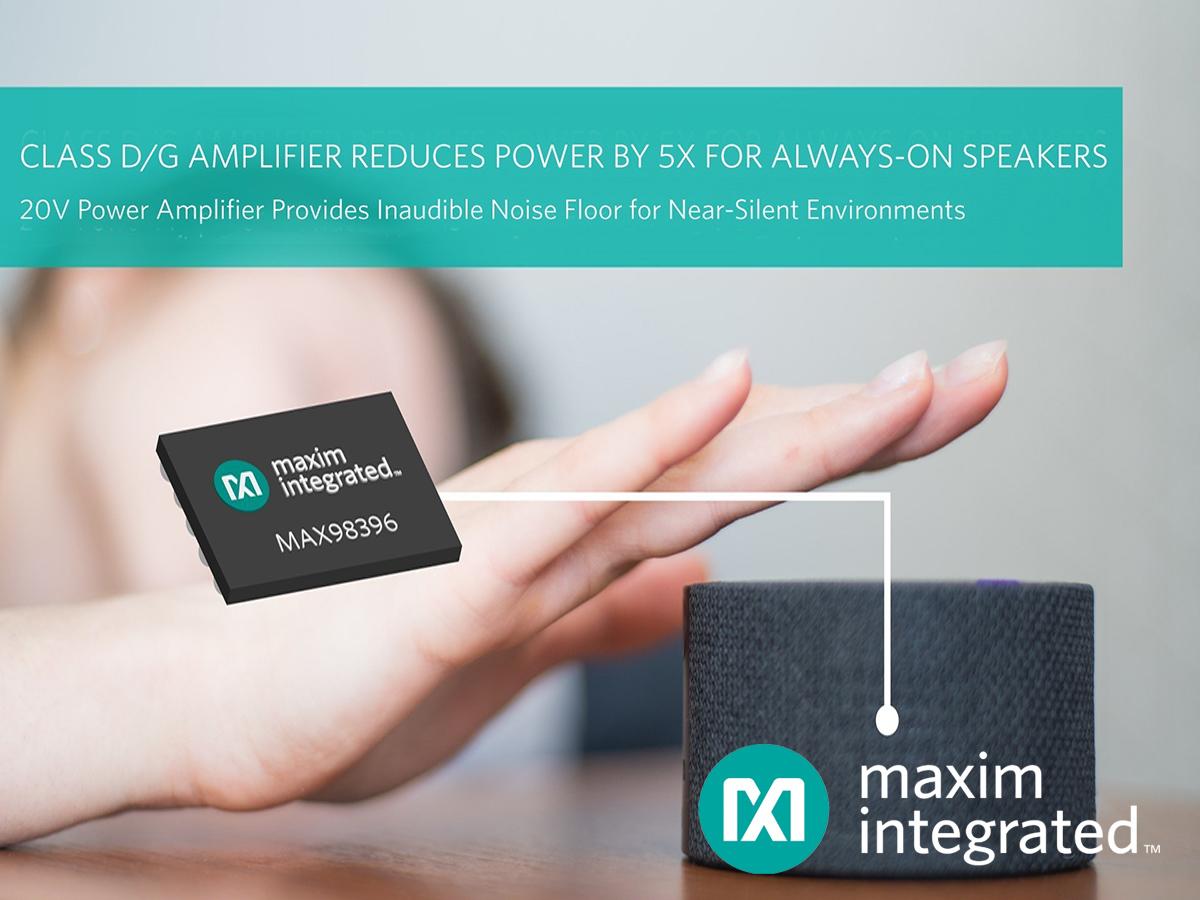
Maxim Integrated Products, unveiled the MAX98396 Class D/G speaker amplifier, which the company claims to have the industry's lowest noise and lowest quiescent power consumption, nearly 50% lower power than similar amplifiers. The 20V digital input MAX98396 amplifier provides speakers with an inaudible noise floor, enabling placement in near-silent environments and offers 12.7mW of quiescent power to meet power compliance regulations for always-on portable Bluetooth and smart speakers . Read More
|
|
|
|
|
Bluesound Professional Launches BSP200 PoE Network Streaming Speaker |
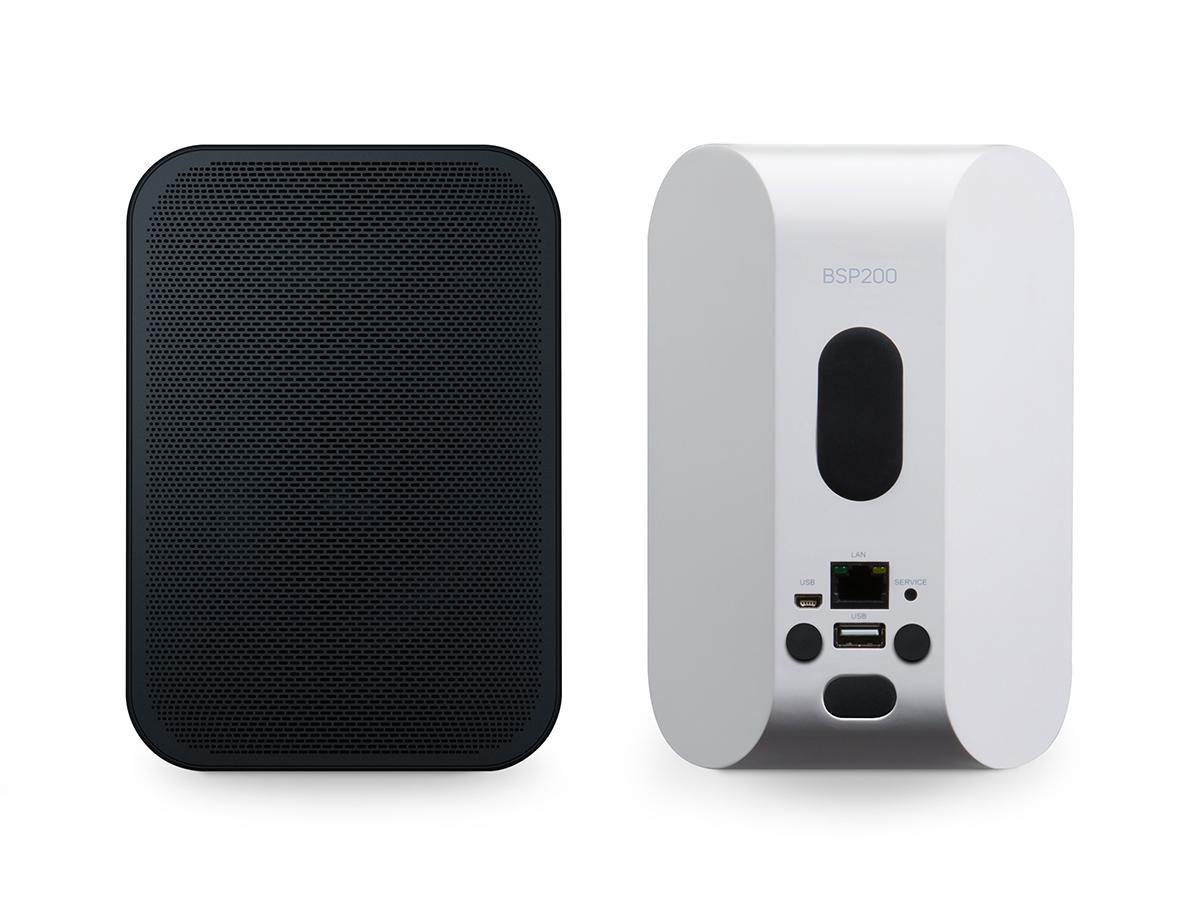
Bluesound Professional continues to expand its premium distributed audio ecosystem for commercial spaces, now adding the BSP200 network streaming speaker. The BSP200 is an all-in-one PoE solution featuring the convenience of precision BluOS app control, streaming, and connectivity, with superior sound quality when compared to standard installation speakers. Offered in a choice of white or black matte finish, the BSP200 is now shipping in North America and globally in July 2021. Read More
|
|
Powersoft Strengthens T Series Amplifier Platform with Two New Models |
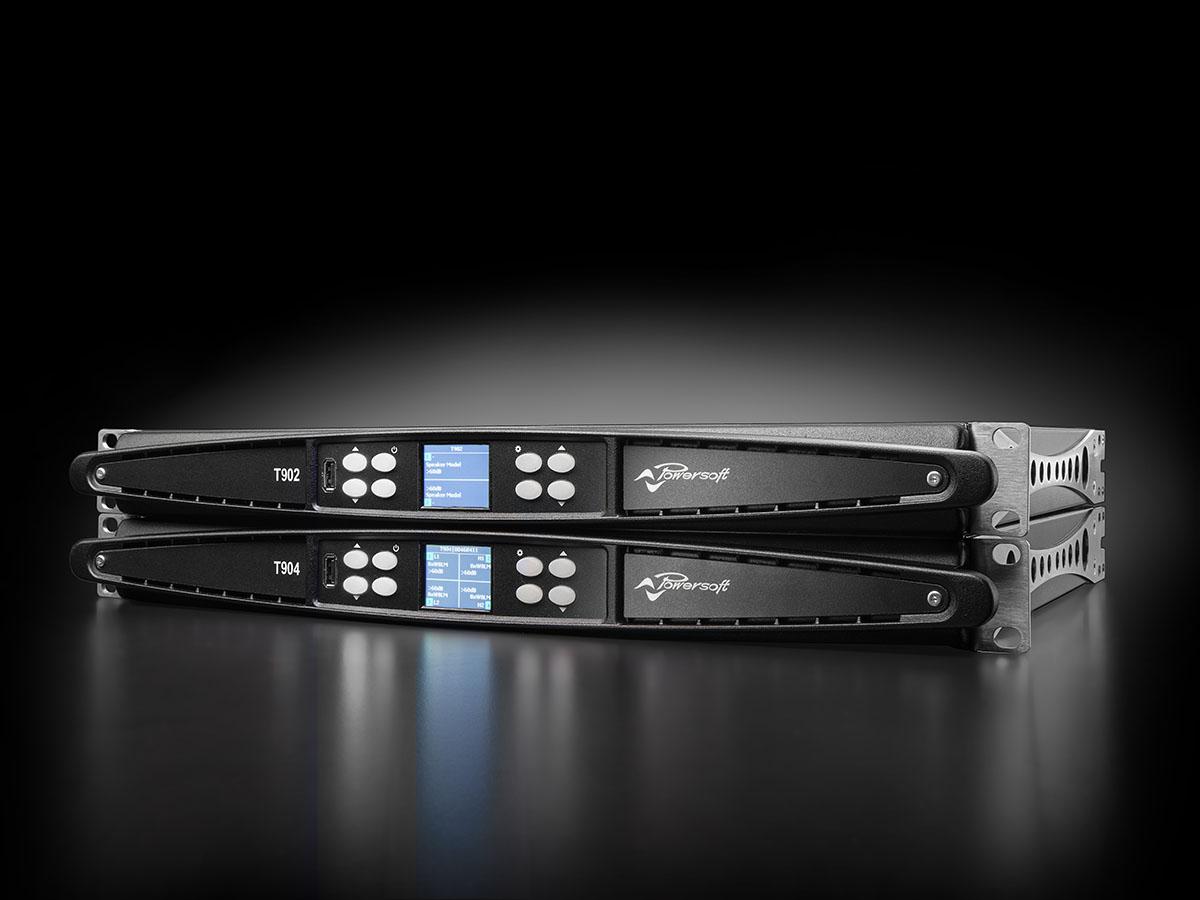
Powersoft has announced two additions to its T Series of touring and live sound amplifiers. The two new T902 and T904 1U models complete the line of T Series amplifiers, offering higher output possibilities. The T902 features high rail voltage and peak current on the outputs and is ideal for driving large 4-ohm subwoofers or two- and three-way line sources. The T904 is designed to power bi-amped systems like stage monitors, two-way point source speakers, and two-way line sources. Read More
|
|
|
|
|
Precision Devices Unveils Seismic Product Expansion with New 24” and 21” Sub Bass Woofers |
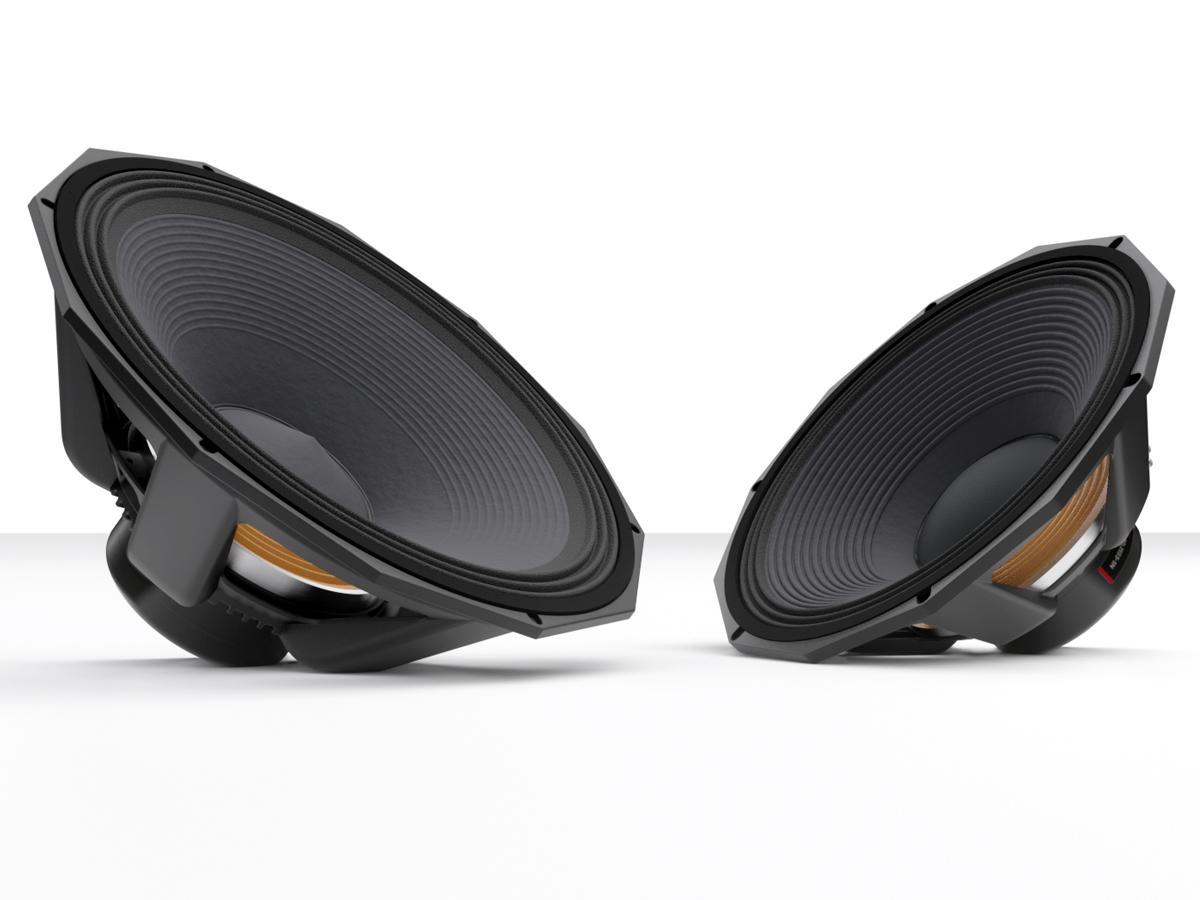
British manufacturer of professional audio transducers Precision Devices announced the release of two large-sized sub bass drivers. The new PD.24603BR and PD.2155-1N were developed with the support of the latest Klippel KA3 measurement systems and further ongoing research into performance optimized magnetic assembly design, cone geometry, and suspension technology. The result is defined by Precision Devices as a dynamic and powerful line-up of new flagship products . Read More
|
|
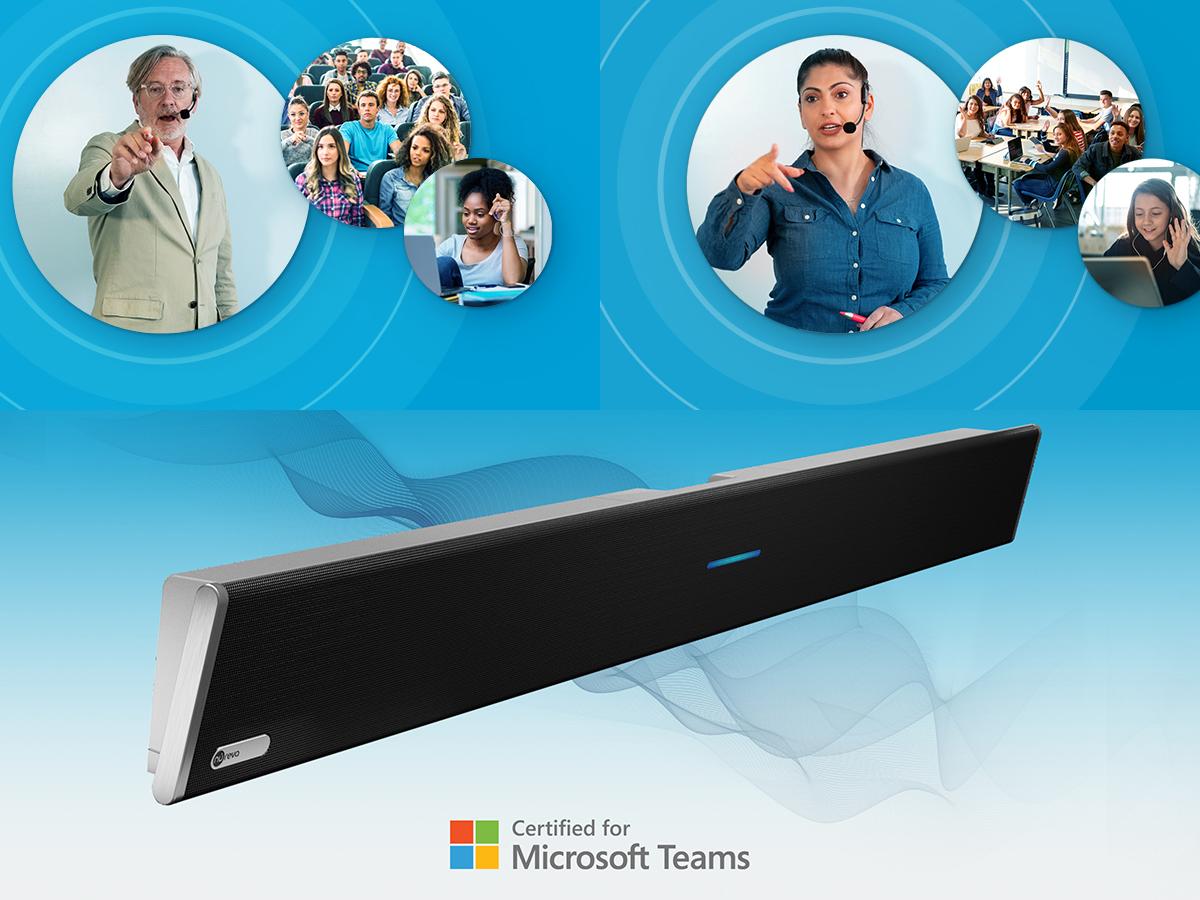
Nureva Improves Audio Conferencing Systems with New Voice Amplification Mode |
Nureva's HDL300 and Dual HDL300 audio conferencing systems now offer in-room amplification of an instructor or presenter’s voice improving the experience in hybrid environments. In-person participants in classrooms and meeting rooms can hear more clearly with voice amplification and full-room microphone pickup simultaneously, without compromising the excellent audio experience for those who are remote . Read More
|
|
|
|
|
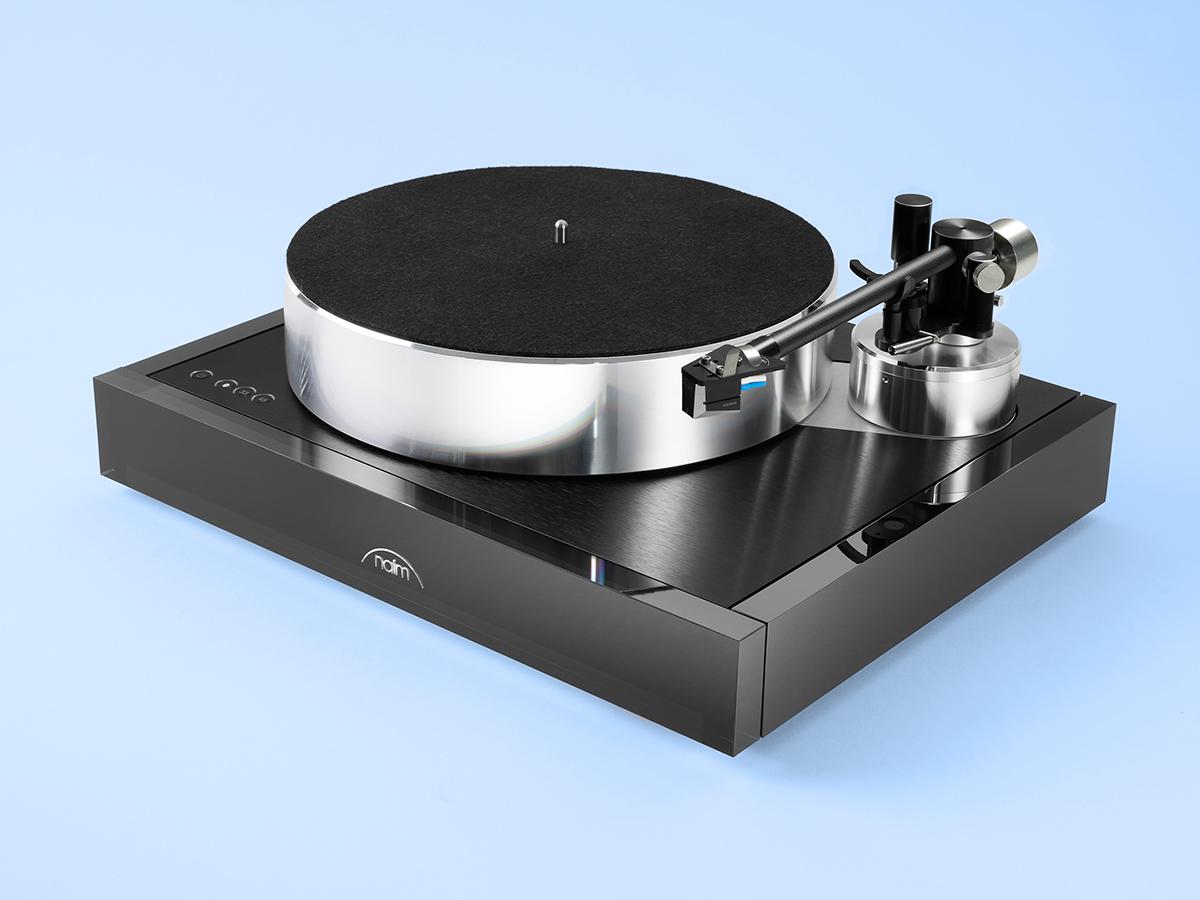
Naim Audio Launches Limited-Edition Solstice Turntable |
Renowned worldwide these days for its cutting-edge integrated digital audio systems, Naim Audio has placed considerable resources to design a very sophisticated vinyl reproduction system. In fact, the new Naim Solstice is the first turntable in the British brand’s almost 50-year history. It comes with a next-generation version of its own Naim Aro tonearm, an Equinox MC cartridge, external Solstice Series Phono Stage, and dedicated Power Supply boxes. Only 500 sets will be built of this Solstice Special Edition package . Read More
|
|
Editor's Desk
J. Martins
(Editor-in-Chief)
|
Qualcomm Snapdragon Sound
Questions, Development, Audio Momentum and the Market
|
|
|
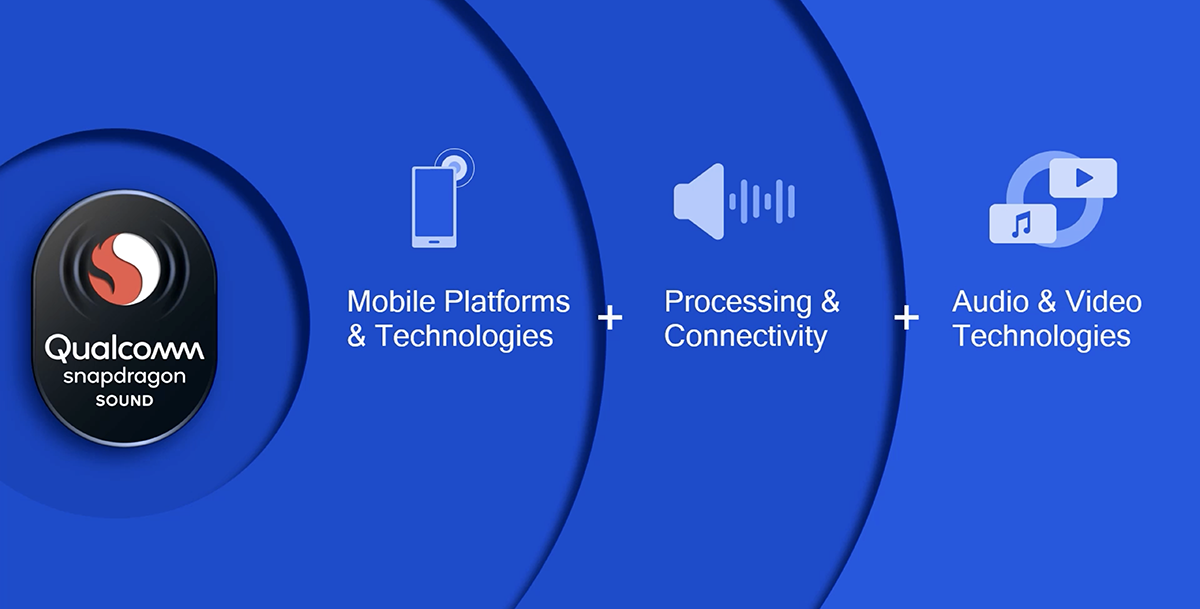
In early March this year, following a series of announcements in development platforms and solutions for wireless audio, Qualcomm announced Qualcomm Snapdragon Sound, a new end-to-end approach to promote high-resolution digital audio and enhanced voice communications across devices. The systems' approach combines and optimizes multiple Qualcomm technologies for mobile platforms, processing, connectivity, plus the latest aptX Adaptive audio technologies needed to improve the sound experience for consumers.
Qualcomm has been extremely successful in its approach to deliver the technology platforms that manufacturers and brands need for smartphones, tablets, wearables, true wireless earbuds, and with it, expand the adoption of its key underlying audio technologies, which include the aptX family of codecs (now available in a more evolved combination with aptX Adaptive), combined with TrueWireless Mirroring, Active Noise Cancelation, aptX Voice, and new 3D/spatial audio tools. Everything needed for a manufacturer dependent on Google's Android OS to deliver solutions that seem to compete head to head with what Apple offers - differentiated with a more complete set of features and options for developers.
The Snapdragon Sound audio systems also are intended to foster the evolution toward high-resolution audio transmission and 32kHz super wideband voice quality, or what Qualcomm now calls aptX Voice. This means taking all current Snapdragon mobile processors, Qualcomm's Aqstic Audio Codec and Aqstic Smart Speaker Amp, all its Bluetooth Audio QCC SoC families (QCC514x, QCC515x, and QCC30XX), and the before mentioned audio technologies, to enable a new generation of products that all support better quality audio.
|
|
Snapdragon Sound brings together the very best audio, connectivity, and mobile innovations from Qualcomm Technologies and is designed to deliver high-resolution music, crystal-clear voice calls, and lag-free gaming — all with superior connectivity and extended battery life. |
|
You can read all the details of that announcement in our original article here. But even after you read it, there are a lot of details missing and more importantly, the feeling that something more important is coming. Of course Qualcomm was not going to disclose it before the official announcements - likely for the end of this year or early 2022. After discussing the topic with a few audio product developers, I decided to contact Qualcomm with the main questions they had about Snapdragon Sound. And received (some) responses, which came, as expected from Jonny McClintock, Director of aptX Sales & Marketing at Qualcomm, someone we normally would interview anyway at one of the many trade shows where Qualcomm exhibits.
I thought I should share those replies with our readers first-hand, before diving further into a dedicated article for the magazine.
|
|
Jonny McClintock is Director of aptX Sales & Marketing at Qualcomm, and this photo was taken at CES 2020, the last time we were able to meet in person. |
|
Question 1: How can manufacturers and new brands benefit from the Qualcomm Snapdragon Sound?
Qualcomm: Currently with Bluetooth there is a huge variation in the user experiences between devices. There are so many different components and technologies that need to work together to deliver audio over Bluetooth between the earbud and phone (i.e., the SoC, the connectivity, the OS, and the audio codec). Consumers aren’t currently getting a consistent wireless audio experience due to this huge range of options. With Qualcomm Snapdragon Sound, we are addressing these disparities and ensuring that the end user has a consistently exceptional wireless experience, essentially we have designed Snapdragon Sound to deliver a wired audio experience wirelessly, whether it’s for gaming, listening to music, or making calls.
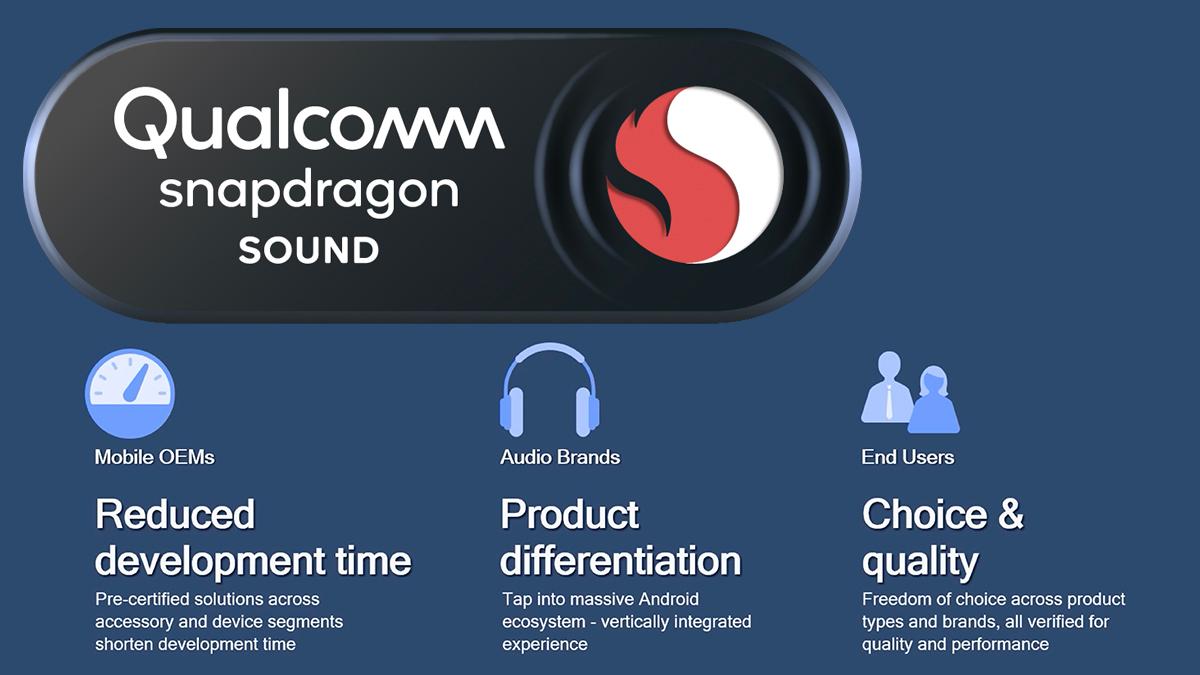
By focusing on the complete end-to-end audio system, as opposed to a single device, we are able to deliver innovation that solves these consumer pain-points across the entire audio chain. We think audio is the next “battleground” for mobile, just as a camera is a key differentiator today. For our mobile customers, Snapdragon Sound provides an opportunity to differentiate with great performing sound, coupled with seamless out of box experiences. Pre-certified solutions across device segments will also help them get to market fast with reduced development time and cost. Audio OEMs will be better positioned to compete with vertically integrated ecosystems, enabling them to tap into a massive Android ecosystem.
Snapdragon Sound will make it easy for consumers to identify the products that sound best together while expanding their choice. Our comprehensive interoperability test program is central to this. Each and every device that carries the Snapdragon Sound branding will be rigorously tested for performance across latency, voice call quality, music quality, and robust connectivity.
We have several partners in the overall Qualcomm Snapdragon Sound supply chain and we will issue these details in due course.
|
|
Snapdragon Sound is an optimized chain of technologies and software that supports premium sound across the audio chain, from the mobile device to wireless earbuds or headphones. |
|
Question 2: Product certification in a dedicated test facility in Taiwan is mentioned. What exactly should developers look for before submitting their products for certification? Does this apply to both source and sink designs? Any pre-certified modules available? Who are the partners?
Qualcomm: We will release the test criteria to developers so they can clearly understand what is expected, such as THD+N, SNR, Frequency Response, latency (WALT and “tap to tone”), and robustness.
Both Source and Sink devices will be tested for Qualcomm Snapdragon Sound.
Question 3: Other than TWS earbuds, what types of audio products are the target use cases? Considering the integration with Qualcomm Aqstic DAC, designed to support formats of up to 384kHz 32-bit PCM and DSD, are we talking about dedicated portable DACs, hi-res players, and media servers, as well?
Qualcomm: In the short term, the focus is Android handsets to earbuds and headsets. Looking down the road wherever content is being shared wirelessly and that puts Smart Watches, PCs TVs, Automotive, and AR/VR as target devices. We have a comprehensive roadmap for Snapdragon Sound and have made significant investments to deliver new feature sets to continually improve the wireless audio experience.
|
|
Qualcomm aptX Adaptive audio supports 24-bit/96kHz audio transmission quality, robust connectivity to minimize audio dropouts and glitching, and latency of <90ms for lag-free gaming. The Adaptive concept allows Qualcomm to expand support for higher-quality transmission over Bluetooth. |
|
Question 4: Considering Bluetooth devices with aptX Adaptive. What will be the differences in source and sink designs - proportional cost, size, and power constraints?
Qualcomm: The Source side, in the first wave, will be largely Smartphone-centric whereas the Sink devices will be earbuds. Part of the tangential value of an integrated approach of Qualcomm Snapdragon Sound will be battery saving, which is consistent on SOCs on both sides of the Bluetooth audio equation.
Question 5: 24-bit/96kHz audio transmission over Bluetooth. Is Qualcomm considering any support for a lossless option as part of the aptX Adaptive platform? Or a new compressed option of high-resolution audio over Bluetooth?
Qualcomm: Technically the aptX Adaptive codec was designed to be scalable and has the capability to provide CD Lossless. Given the heat in the market for Lossless, it would be brilliant if Qualcomm Snapdragon Sound can deliver the “last yard” via Bluetooth. Today, 24-bit/96kHz is available via Qualcomm Snapdragon Sound and with QHS delivering more data throughput along with additional robustness we’re excited about the future possibilities.
Question 6: Does Snapdragon Sound consider support for other wireless transmission options, such as Wi-Fi?
Qualcomm: Currently we are focused on Bluetooth and see the possibility to delivering high-quality, stable audio with minimal lag to ensure an optimum user experience.
|
|
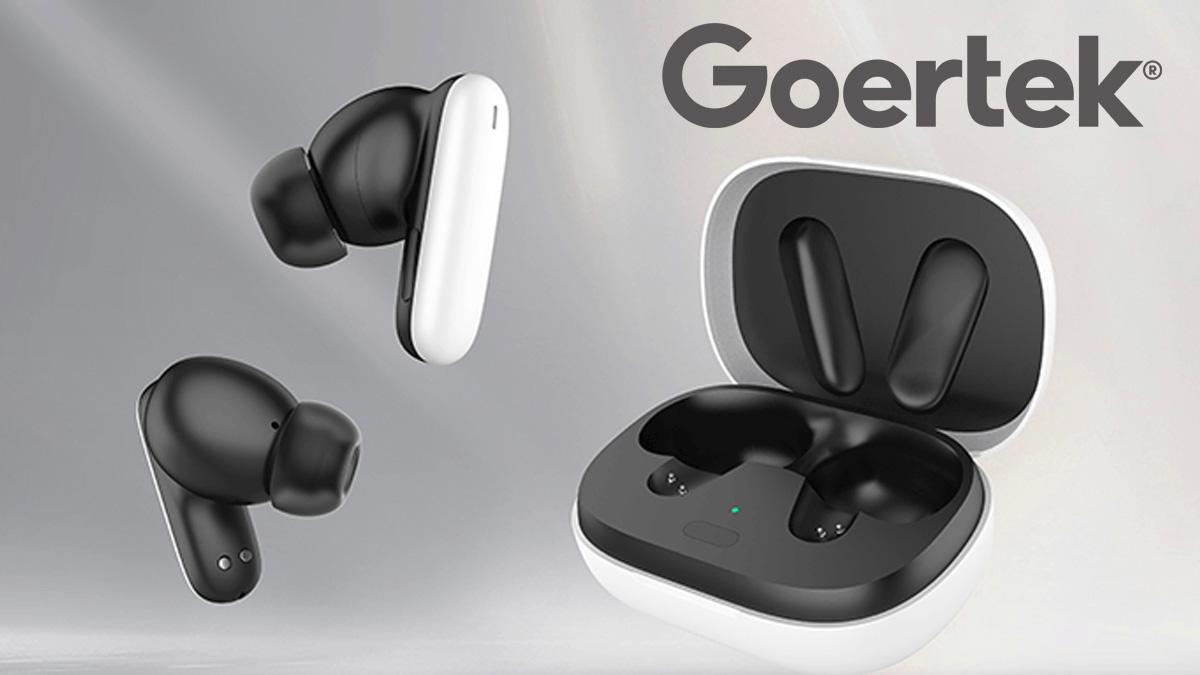
Qualcomm Snapdragon Sound technology generated excitement in the consumer electronics industry. To help OEMs quickly and cost-effectively design Snapdragon Sound optimized earbuds — and to meet ever-evolving and demanding next-generation use cases — Goertek announced its Rox reference design for true wireless earbuds. This is the first reference design that can support Snapdragon Sound technology, including aptX Adaptive, aptX Voice (32kHz wideband for calls), and is built on the flagship Qualcomm QCC5141 Bluetooth Audio SoC, elevating the true wireless experience |
|
Question 7: What is the upgrade path for Bluetooth LE Audio?
Qualcomm: For LE Audio to be supported, it needs to be on the source device – such as a smartphone or laptop – as well as the audio accessory. We already have platforms available for both source and accessory today that are designed for the forthcoming LE Audio standard. These include our Qualcomm QCC305x SoCs for true wireless earbuds, and our Qualcomm Snapdragon 888 Mobile Platform.
The Bluetooth SIG has yet to fully ratify the LE Audio standard, but we are pleased to be working with them and are excited about the new era for Bluetooth audio. Looking ahead, we continue working to deliver highly-integrated, dual-mode Bluetooth technologies, with robust support for the LE Audio use cases.
Qualcomm Snapdragon Sound is an evolving technology and an exciting roadmap. We’ll be doing everything we can to ensure the consumer can enjoy content wirelessly via Bluetooth as they did with the old audio cable.
|
|
Build a Discrete High Output Current Buffer with JFET Input
By Dimitri Danyuk
|
|
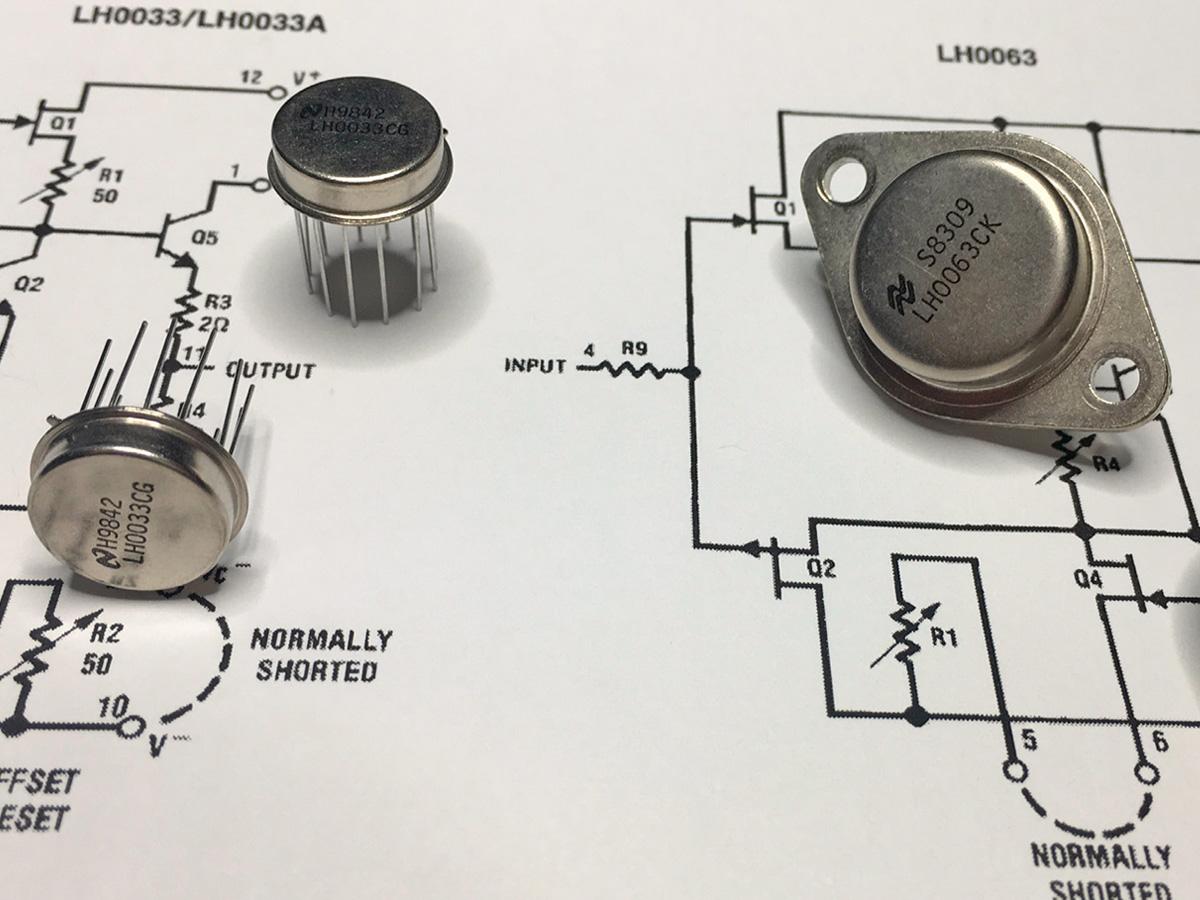
This article explores ways to provide better isolation between input and output terminals and lower input noise current using JFETs from Linear Integrated Systems. For unity-gain buffer applications there are many open-loop IC buffers on the market based on bipolar technology. They are mostly complementary emitter followers connected in series. With the appearance of complementary JFETs from Linear Integrated Systems, it is possible to construct a discrete buffer with JFET input. The n-channel LSK189 (or the LSK489, which is dual version of the LSK189) and the p-channel LSJ289 (or the LSJ689, which is a dual version of LSJ289) are used in this design. This article was originally published in audioXpress, March 2019. Read the Full Article Now Available Here
|
|
The AT60NC-4 AMT Tweeter from SB Acoustics’ Satori Line
By Vance Dickason
|
|
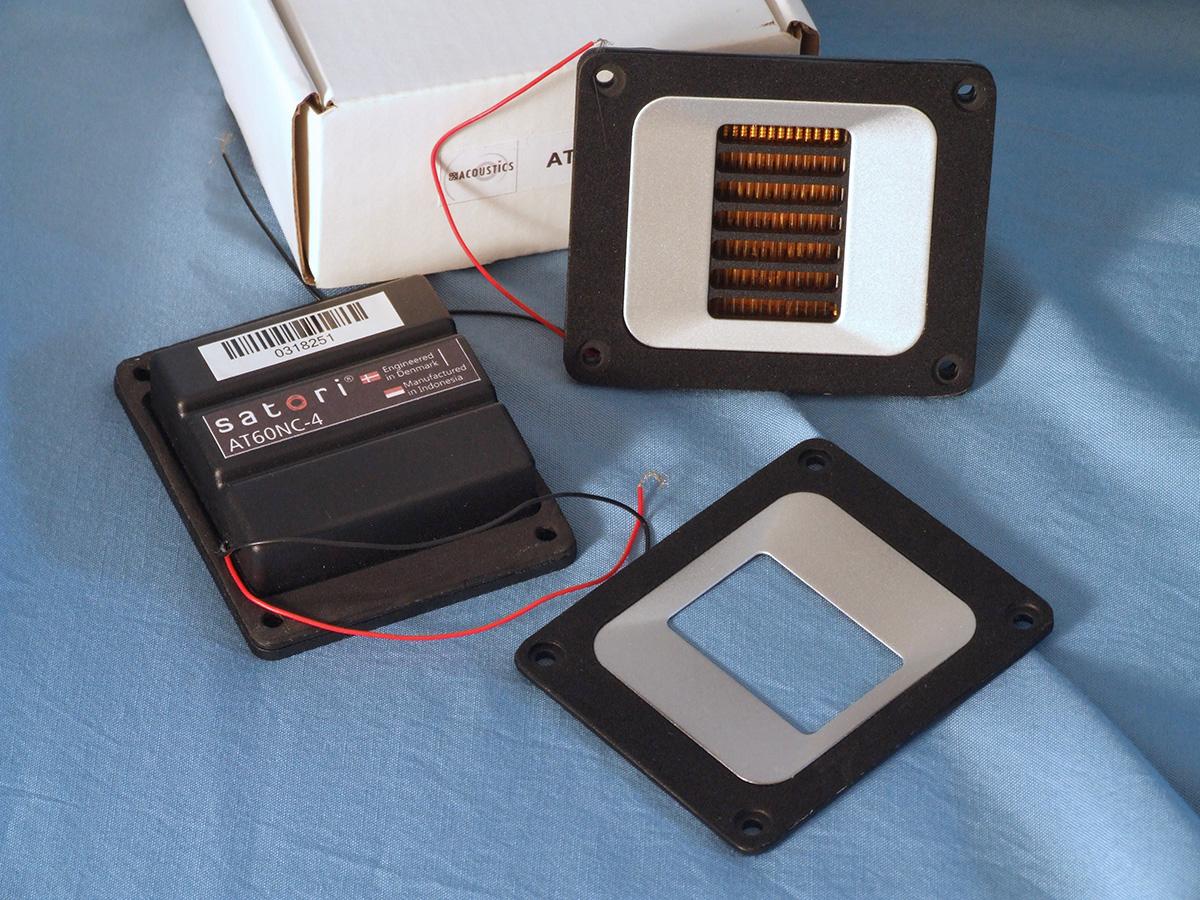
This Test Bench focuses on the new AT60NC-4 AMT tweeter from SB Acoustics’ Satori Line. This new high-frequency driver follows the recent “renaissance” of Air Motion Transformer (AMT or Air Velocity Transformer aka AVT) over the last several years, and we now find AMTs used not only in home audio (MartinLogan, Wharfedale, Emotiva), but also in pro sound, in both studio monitors (Adam, Presonus, HEDD, Eve Audio, etc.) and AMT drivers for PA applications, such as the Beyma TPL-200/H. The Satori AT60CN-4 is targeted at high-end audio applications, designed in Denmark by Danesian Audio and manufactured by SB Acoustics in its purposely built Satori assembly in Indonesia. Its features include a damped foil and Kapton 43mm × 29mm pleated AMT diaphragm, an optimized rear chamber, two-part face plate, 91dB sensitivity, and a diaphragm area (Sd) of 12.6 cm2, just somewhat smaller area than a 30mm dome tweeter. See how it measures! This article was originally published in Voice Coil, March 2021. Read the Full Article Now Available Here
|
|
Audio Product Design | DIY Audio Projects | Audio Electronics | Audio Show Reports | Interviews | And More
Don't Have a Subscription?
|
|
Industry News & Developments | Products & Services | Test Bench | Acoustic Patents | Industry Watch | And More
|
|
Advancing the Evolution
of Audio Technology
audioXpress features great articles, projects, tips, and techniques for the best in quality audio. It connects manufacturers and distributors with audio engineers and enthusiasts eager for innovative solutions in sound, acoustic, and electronics.
Voice Coil, the periodical for the loudspeaker industry, delivers product reviews, company profiles, industry news, and design tips straight to professional audio engineers and manufacturers who have the authority to make powerful purchasing decisions.
The Loudspeaker Industry Sourcebook is the most comprehensive collection of listings on loudspeaker material in the industry. Purchasers and decision makers refer to the guide for an entire year when making selections on drivers, finished systems, adhesives, domes, crossovers, voice coils, and everything in between.
© 2021 KCK Media Corp. All Rights Reserved.
|
|
|
|
|
|
|