REMINDER: YOUR SUBMISSIONS ARE ENCOURAGED | | I know that at the end of January, I announced that the Flock would be going dark for the last week of each month. Still, with the total lunar eclipse, the Jewish observance of Purim, and the Hindu festival Holi coming up next week, I couldn't resist putting out an abbreviated issue of the Flock this week. | |
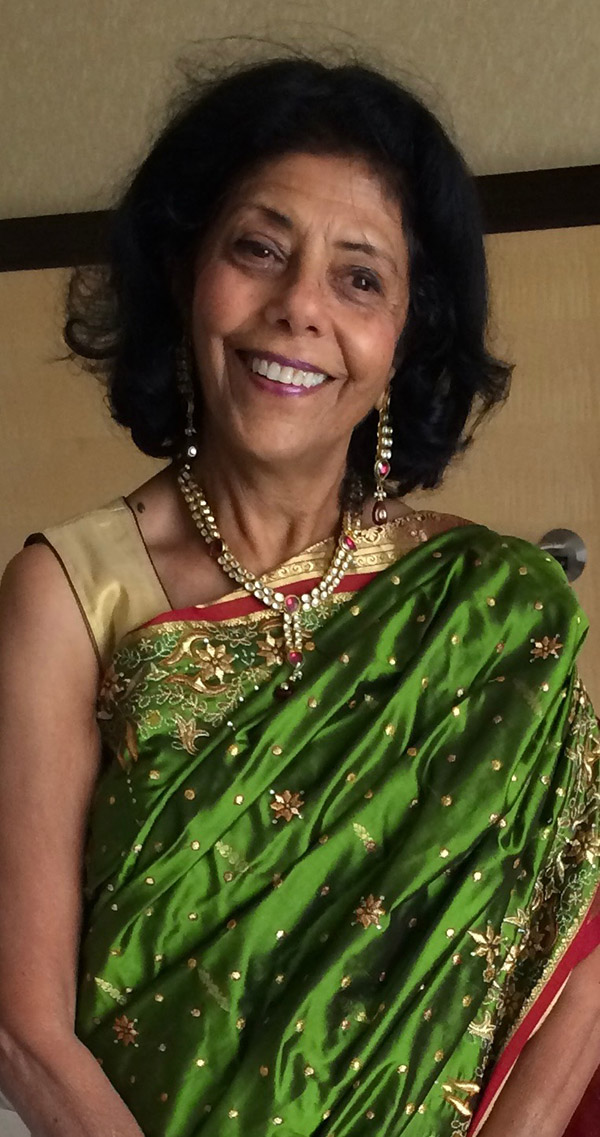
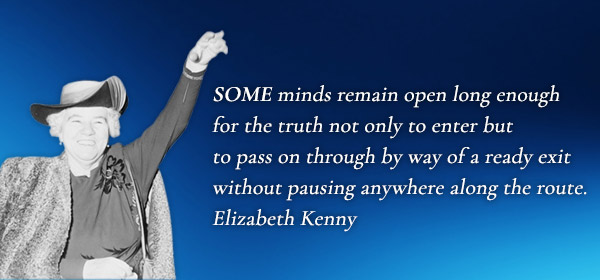
1. Bindu's Corner: This week, Bindu has brought us thoughts on the Vedanta philosophy and a quote from Australian bush nurse and pioneer of physical therapy, Elizabeth Kenny.
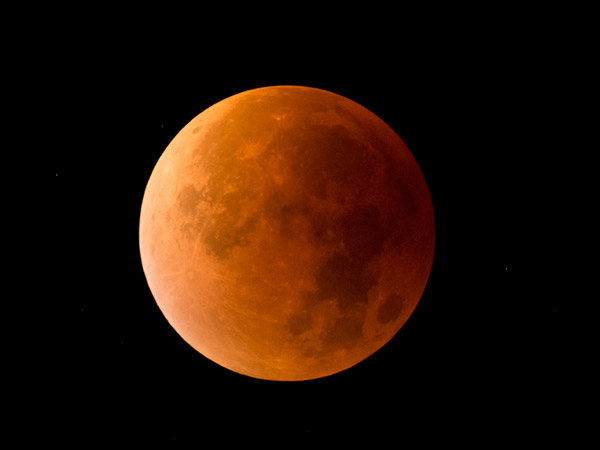
2. The Heavens: I don't want anyone to miss the upcoming blood Moon and total lunar eclipse Tuesday evening, so I'm reposting last week's NASA article with everything you need to see the lunar eclipse.
3. Purim: Monday at sundown marks the start of the one-day Jewish holiday celebrating the Biblical account of the deliverance of the Jews of ancient Persia, as told in the Book of Esther.
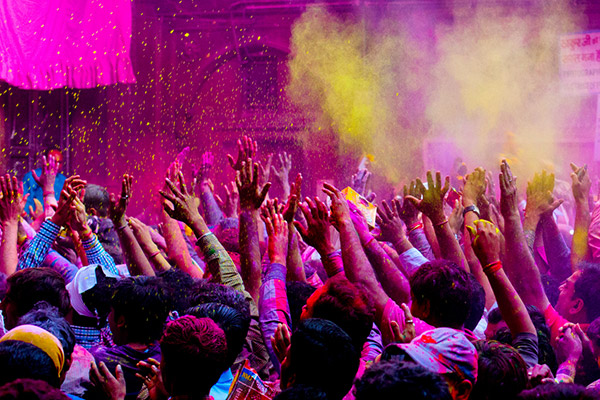
4. Holi: The Hindu festival of colors and love, welcoming spring, starts Tuesday night with traditional bonfires, then on Wednesday it explodes into joyful crowds shrouded in clouds of bright colors.
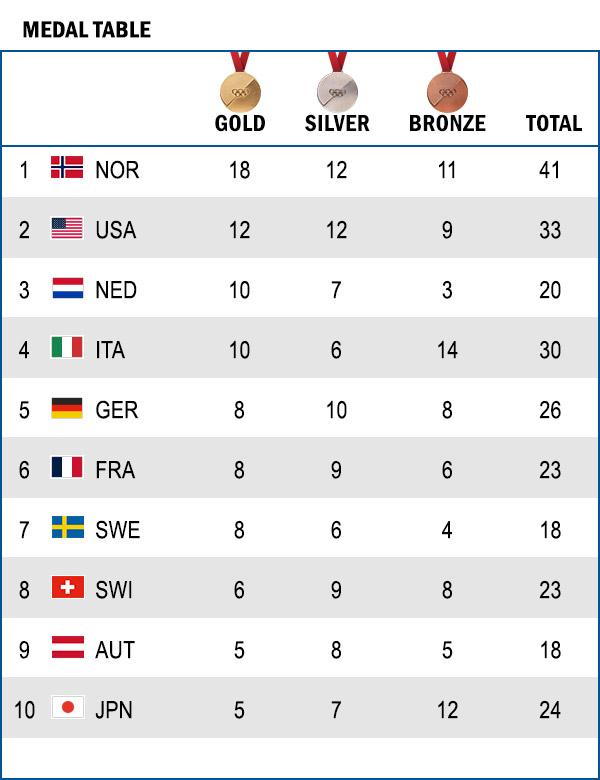
5. Winter Olympics: Milan Cortina 2026 is officially over. Team USA had a great Olympics, setting two new team records with 12 gold medals and a total count of 33 medals. I have the final medal count for the top ten countries.
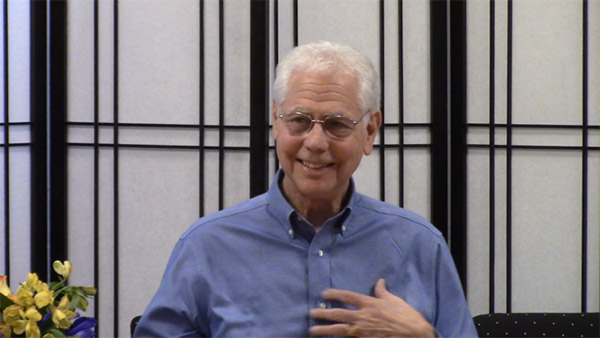
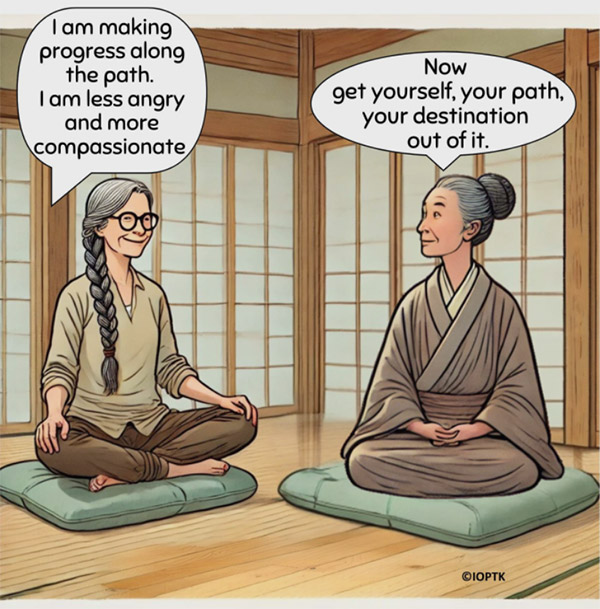
6. Hayward M. Fox, Ph.D.: I am capping off February with one more post from Dr. Fox's blog. PLease enjoy his gentle wisdom.
| | Another week has gone by, and all of Tucson is still waiting for Nancy Guthrie to come home. Don't give up. I am again asking all Flock readers to please keep praying for Nancy Guthrie and her safe return to the Guthrie family. | | Now, to this week's Flock. | | 1. Bindu's Corner: The Vedanta Philosophy | | Thank you, Bindu, for these wonderful thoughts. | | The Vedanta philosophy teaches that we are not bound by the five senses. We only know the present, and neither the future nor the past. But as the present signifies both past and future, and all these are only demarcations of time, the present also would be unknown if it were not for something above the senses, something independent of time, which unifies the past and the future in the present. It is our soul. | |
2. The Heavens: The Blood Moon March 3, 2026
| | I hope everybody gets to see Tuesday night's total lunar eclipse and blood Moon, so I'm reposting this NASA guide to the eclipse from last week's Flock. The March full moon is the last full moon of winter in the Northern Hemisphere and marks the transition from winter to spring. Both the Hebrew and Hindu calendars base their months on lunar cycles, and March's full moon is an important factor in setting the dates of their respective spring holidays, Purim and Holi. | | March 2026 Total Lunar Eclipse: Your Questions Answered | | From: NASA, By: Caela Barry, January 29, 2029 | |
Why is a lunar eclipse sometimes called a “blood Moon”?
During a total lunar eclipse, the Moon appears dark red or orange. This is because our planet blocks most of the Sun’s light from reaching the Moon, and the light that does reach the lunar surface is filtered through a thick slice of Earth’s atmosphere. It’s as if all of the world’s sunrises and sunsets are projected onto the Moon.
How does a lunar eclipse work?
A lunar eclipse occurs when Earth passes directly between the Sun and Moon, casting a gigantic shadow across the lunar surface and turning the Moon a deep reddish-orange. This alignment can only occur during a full Moon phase.
How can I observe the eclipse?
You can observe a lunar eclipse without any special equipment. All you need is a line of sight to the Moon! For a more dramatic observing experience, seek a dark environment away from bright lights. Binoculars or a telescope can also enhance your view.
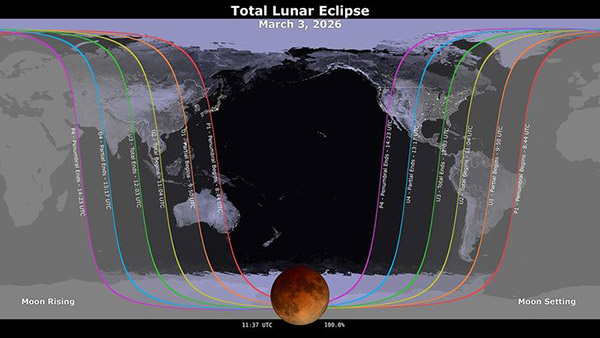
On March 3, totality will be visible in the evening from eastern Asia and Australia, throughout the night in the Pacific, and in the early morning in North and Central America and far western South America. The eclipse is partial in central Asia and much of South America. No eclipse is visible in Africa or Europe
| | Map showing where the March 3, 2026 lunar eclipse is visible. Contours mark the edge of the visibility region at eclipse contact times, labeled in UTC. | | |
What else can I observe on the night of the eclipse?
As Earth's shadow dims the lunar surface, constellations may be easier to spot than they usually are during a full Moon. At the time of the eclipse, the Moon will be in the constellation Leo, under the lion's hind paws.
Several days later, on March 8, look for a “conjunction” of Venus and Saturn: from our perspective on Earth, these two planets will appear close to each other in the sky (though they’ll still be very distant from each other in space).
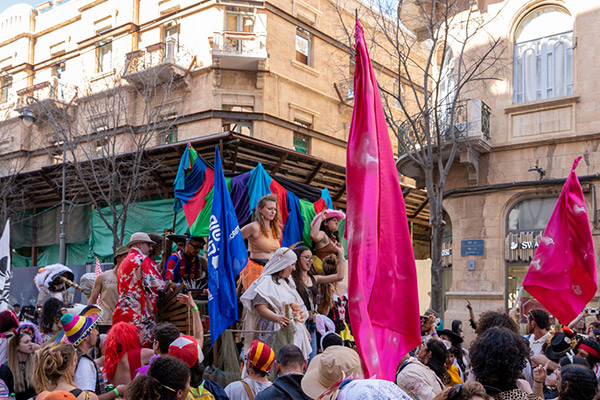
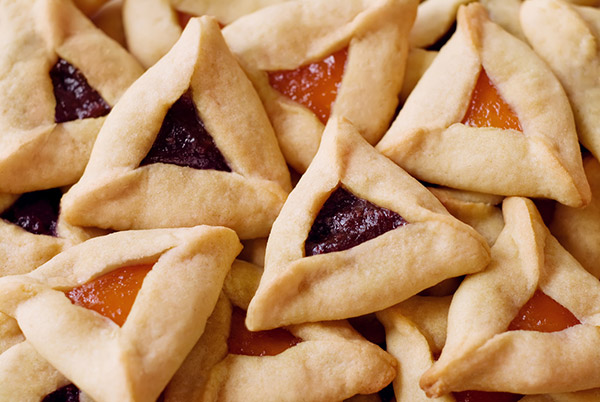
| | March 3, 2026 Total Lunar Eclipse: Telescopic View | | 3. Purim: March 2 – 3, 2026 | | The Jewish holiday Purim, sometimes called the Jewish carnival, begins this Monday, March 2nd, at sundown and concludes Tuesday, March 3rd, at nightfall. Purim is a festive holiday celebrated with the reading of the megillah of Ester, festivities, charity for the poor, gift baskets for friends, celebratory meals, light-hearted costumes, and a traditional three-sided pastry, hamantaschen. | | |
Purim is one of the most joyous and fun holidays on the Jewish calendar. It commemorates a time when the Jewish people living in Persia were saved from extermination.
Purim Customs and Observances
Purim is celebrated on the 14th day of Adar, which is usually in March. The 13th of Adar is the day that Haman chose for the extermination of the Jews, and the day that the Jews battled their enemies for their lives. On the day afterwards, the 14th, they celebrated their survival. In the walled city of Shushan, where Mordecai and Esther lived and where much of the story takes place, deliverance from the massacre was not complete until the 15th of the month, so in cities that were walled in the time of Joshua (such as Jerusalem) or are believed to have been walled at that time (such as Jaffa and Tiberias), Purim is observed for two days, the 14th and the 15th. The 15th is referred to as Shushan Purim, referring to that city. When the 15th falls on a Shabbat, as it did in 2025, Shushan Purim is only partially observed on the 15th (because some of Purim's observances would violate Shabbat), and observance is extended to the 16th, a three-day Purim! Note that this is never a problem for the 14th because, due to the calculation of the Hebrew calendar, the 14th can never fall on Shabbat.
In leap years, when there are two months of Adar, Purim is celebrated in the second month of Adar, so it is always one month before Passover. The 14th day of the first Adar in a leap year is celebrated as a minor holiday called Purim Katan, which means "little Purim." There are no specific observances for Purim Katan; however, a person should celebrate the holiday and should not mourn or fast. Some communities also observe a "Purim Katan" on the anniversary of any day when their community was saved from a catastrophe, destruction, evil or oppression.
The word "Purim" means "lots" and refers to the lottery that Haman used to choose the date for the massacre.
The Purim holiday is preceded by a minor fast, the Fast of Esther, which commemorates Esther's three days of fasting in preparation for her meeting with the king.
The primary commandment related to Purim is to hear the reading of the book of Esther. The book of Esther is commonly known as the Megillah, which means scroll. Although there are five books of Jewish scripture that can be referred to as a megillah (Esther, Ruth, Ecclesiastes, Song of Songs, and Lamentations), this is the one people usually mean when they speak of The Megillah. It is customary to boo, hiss, stamp feet and rattle gragers (noisemakers) whenever the name of Haman is mentioned in the service. The purpose of this custom is to "blot out the name of Haman."
In addition, we are commanded to send out gifts of food or drink, and to make gifts to charity. The sending of gifts of food and drink is referred to as shalach manos (lit. sending out portions). Among Ashkenazic Jews, a common treat at this time of year is hamentaschen (lit. Haman's pockets). These triangular fruit-filled cookies are supposed to represent Haman's three-cornered hat.
| | |
It is customary to hold carnival-like celebrations on Purim, to perform plays and parodies (called in Yiddish a Purim Shpil, rhymes with peel), and to hold beauty contests. I have heard that the usual prohibitions against cross-dressing are lifted during this holiday, but I am not certain about that. Americans sometimes refer to Purim as the Jewish Mardi Gras, and certainly it is similarly festive, but the meaning is very different.
Purim is not subject to the sabbath-like restrictions on work that some other holidays are; however, some sources indicate that we should not go about our ordinary business on Purim out of respect for the holiday.
| | Book of Esther Summary: A Complete Animated Overview | | 4. Holi: March 3 – 4, 2026 | | Holi, the Hindu festival of colors, love, and the arrival of spring, is celebrated across all of India and throughout much of the Indian diaspora. You can find Holi celebrations in most large U.S. and European cities. Look for one near you, dress appropriately (natural fibers tend to be more stain-resistant than synthetics), and be ready for a fun time. | | Holi 2026
A Festival of Colors That Marks Spring and New Beginnings | | |
What Is Holi?
Holi—also known as the “Festival of Colors”—is a spring festival celebrated primarily by Hindus, though its themes of joy, renewal, and community resonate widely. It’s the biggest festival on the Hindu calendar after Diwali.
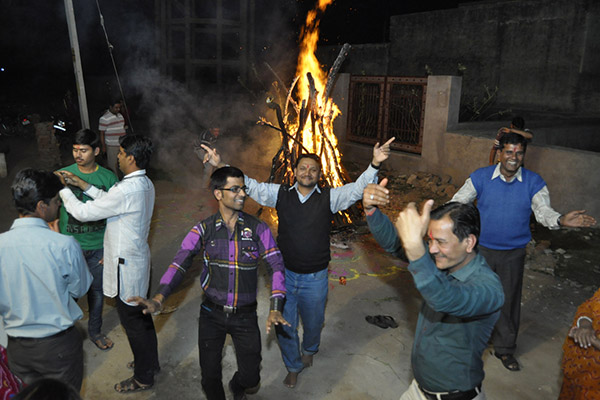
It’s a time for laughter, connection, and cultural celebration. People gather in open spaces, streets, and temple courtyards to throw colored powders (gulal), spray water, dance, and sing.
The festival also holds spiritual significance. According to cultural sources like the Hindu American Foundation (HAF), Holi symbolizes the triumph of good over evil, the arrival of spring, and the renewal of relationships. While its stories are rooted in Hindu mythology, the celebration’s playful, inclusive nature makes it accessible to everyone.
When Is Holi 2026?
Holi is celebrated over two days in most regions of India and around the world, with each day having its own traditions. In 2026, Holi falls on Tuesday, March 3, and Wednesday, March 4.
The festival is timed around the Full Moon (Purnima) in the Hindu month of Phalguna, which usually falls in late February or March. In Hindu tradition, each lunar day is called a tithi, and Purnima is the 15th tithi, or Full Moon day. Holi is celebrated on this day, which is considered especially auspicious for renewal, social gatherings, and joyous celebration.
| | The festival begins on the evening of the Full Moon night (March 3) with Holika Dahan and a bonfire to celebrate the burning of the demoness Holika. | | Then, on the day after the evening of the Full Moon (March 4), the main Holi festival, called Rangwali Holi, takes place. This is the Festival of Colors. | | Holi Festival Of Colour | Planet Earth II | Cities Behind The Scenes | |
5. Winter Olympics: Final Medal Count
| | This is the final medal table for the top 10 competing countries at the Milan Cortina 2026 Winter Olympics. Team USA had its best Winter Olympics performance ever, setting team records with 12 gold medals and 33 total medals. Congratulations! | |
6. Hayward M. Fox, Ph.D.: From Dr. Fox's Blog
| | Another gentle lesson from Dr. Fox's blog. Please visit Dr. Fox's website at the Institute of Personal and Transpersonal Knowledge and explore his past blog posts, guided meditations, and study guides. | | These Flock regulars are always here for you: | | Don't Be Shy: Share Your Stories! | | I'm looking forward to sharing more of your personal stories - oral, written, or otherwise, as we enter our third year. I'd so love to present them to The Flock, hit a mailbox below to share your story. | | Subscriptions & Idea Submissions
Reminder: Your submissions are always welcomed. | | |
Feel free to forward this email to a friend. If this was forwarded to you and you would like to receive your very own Flock Newsletter, you can sign up here. If you have any questions or suggestions for future Flock resources, don't hesitate to contact me.
Your fan and friend,
Beth
| | | The information and materials contained or referenced in this newsletter are for informational purposes only and not intended to be a substitute for professional medical advice, diagnosis, or treatment. Always consult a physician or other qualified medical professional with any questions you may have regarding a medical condition or treatment and before beginning a new health care regimen. Do not disregard professional medical advice or delay seeking medical advice or care based on anything contained in this newsletter. | | | | |