SCDES Supported State's
Winter Weather Emergency Responses
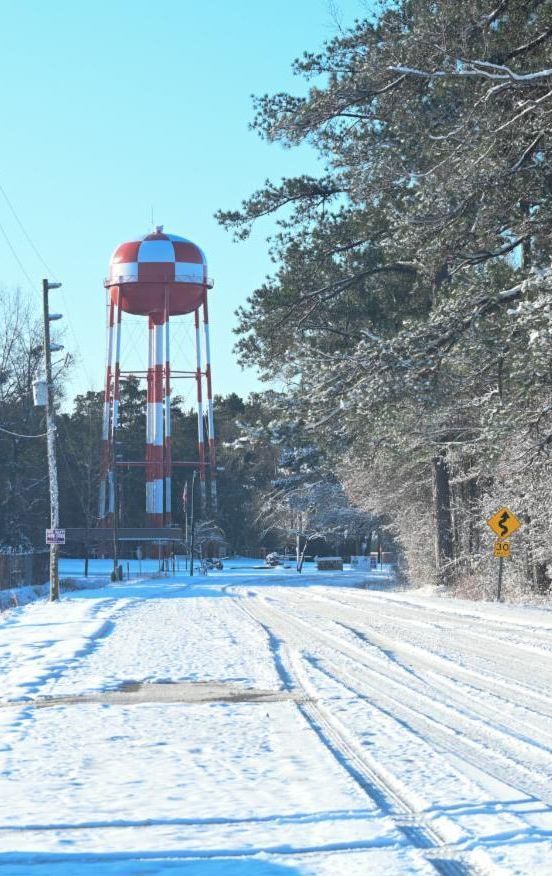
January brought back-to-back winter storms to South Carolina. As part of the State Emergency Response Team (SERT), SCDES supported statewide preparations and response efforts led by the S.C. Department of Emergency Management. SCDES proactively communicated with drinking water and wastewater utilities about preventing service disruptions, staff communicated with local officials to activate storm-debris drop-off sites as needed, and we provided important information to septic tank and private well owners to help minimize potential impacts from freezing weather.
SCDES is proud to work alongside fellow state agencies and the Governor's Office to coordinate emergency responses that prioritize the protection of South Carolinians, their properties and the environment.
| | | Nominate a 2026 SCDES Community Star! | | |
SCDES is now accepting nominations for its Community Star award, which recognizes businesses, organizations, schools and individuals that demonstrate an exceptional commitment to protecting South Carolina’s natural resources. From sustainability efforts to environmental education, these leaders show how local action creates lasting impact.
Who can be nominated: anyone positively impacting the natural environment within their communities including self-nominations.
Nomination period: February 1–28, 2026
Recognition includes: media coverage, digital badges, certificates, window stickers and a
formal award presentation with SCDES Agency Director Myra Reece.
Submit nominations: Complete the Community Star Award Nomination Form by Feb. 28.
| | |
Review the 2026 Aquatic Plant Management Plan
SCDES and the S.C. Aquatic Plant Management Council invite the public to review the draft 2026 Aquatic Plant Management Plan, which outlines strategies for managing native and non-native aquatic plants in public waters.
The plan identifies problem areas, sets management objectives, and updates plant control guidelines. Over 45 years, the program has managed more than 211,500 acres of invasive aquatic plants. Visit des.sc.gov/invasiveweeds for more.
| | | |
Free Radon Test Kits Available for South Carolinians
January was National Radon Action Month — the perfect time to protect your home and family by testing for radon. In South Carolina, you can request a free radon test kit from SCDES.
Radon is a naturally occurring, invisible, odorless and tasteless gas that is dissipated in outdoor air but can reach harmful levels when trapped inside a building. Radon forms from the natural breakdown of uranium in soil, rock and water and can enter homes through cracks and holes in foundations, construction joints and plumbing fixtures.
Radon is the second-leading cause of lung cancer in the United States after smoking, and the health risks from radon are even greater for smokers.
Make your home a safe place, request your free radon test kit from SCDES today and take the first step toward protecting your loved ones. Visit SCDES's radon page to learn more.
| |  | |
SCDES Launches Local Government Emergency Operations Dashboard
SCDES unveiled a new Local Government Emergency Operations Dashboard, an Esri-based tool designed to enhance communication and coordination during storm events.
Developed through the Coastal Program’s NOAA 309 enhancement strategy, the dashboard provides real-time updates and reduces workload for staff while delivering faster, more accurate information to local governments and property owners.
The dashboard allows users to explore information by county, beach, and structure type, and to review post-event damage status. This innovative tool strengthens collaboration between SCDES and local governments, helping streamline recovery efforts and improve response efficiency after storms.
| | | |
ADV Dashboard Update
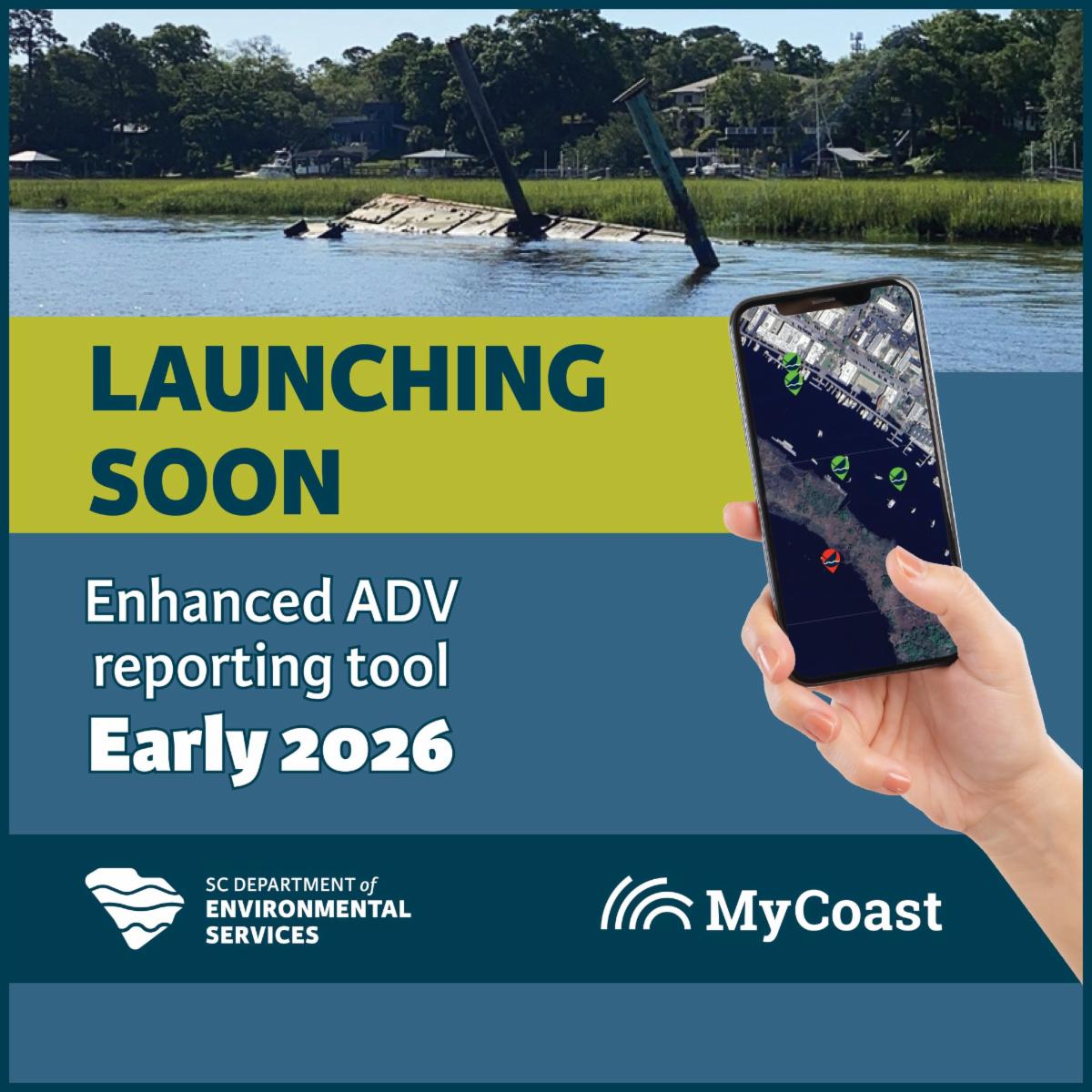
The Bureau of Coastal Management is enhancing its Abandoned and Derelict Vessels (ADV) Dashboard. Users can soon view a map of submitted boats, check the status of reported ADVs, see removal numbers by location, and submit new ADV reports.
Each report is reviewed by coastal managers and routed to key partners to address ADVs and help protect waters of the state and our coastal environment. Download the MyCoast SC App today!
| | | | |
SCDES Water Resources Staff Conduct Spring Water Quality Study
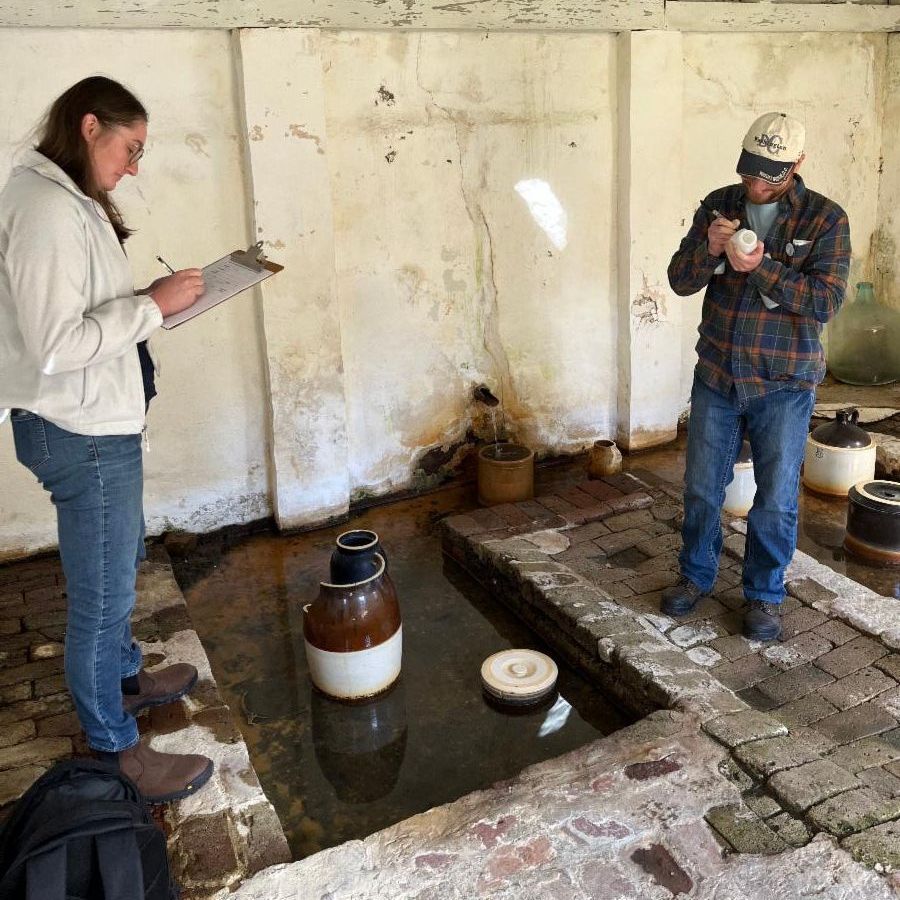
SCDES's Water Resources Division staff have been hard at work updating water quality data for springs across South Carolina.
This study, which began last October, will continue into spring 2026 and includes numerous sites throughout the Piedmont and Coastal Plain.
SCDES staff members, including Hydrologist Alexis Modzelesky, have been out in the field collecting water samples and monitoring conditions to ensure accurate, up-to-date information.
| | |
Improving Transparency through Technology
SCDES's Office of Technology is advancing application modernization and completing the enterprise-wide implementation of ePermitting to improve how the public accesses the services we offer. We are also moving to OnBase for electronic document management, creating a stronger foundation for future public access to documents and information. Together, these efforts support greater transparency and a more accessible digital government.
| | |
Is Your School “WIINing” the Fight Against Lead?
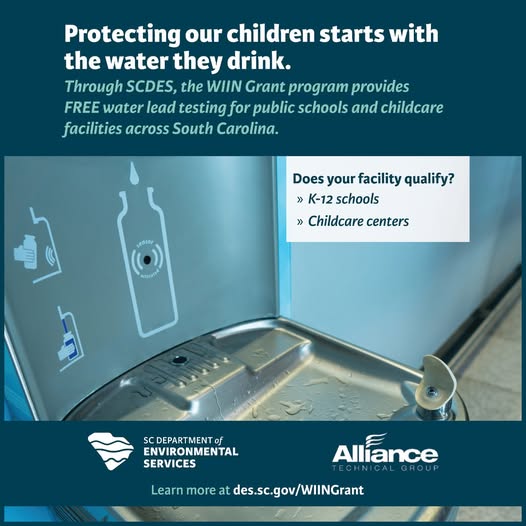
Every child deserves safe drinking water, and your school’s water shouldn’t be a guessing game. SCDES is helping schools and childcare facilities protect students through the WIIN Grant program, which offers free lead testing for drinking water.
✅ Zero cost: All testing and analysis are fully funded by the EPA.
✅ Expert support: SCDES guides you through every step of your results.
✅ Real solutions: From simple flushing techniques to full station replacements, we help ensure your water is safe.
The program prioritizes older buildings and facilities serving our youngest learners (Pre-K–5). Protecting children starts with the water they drink — let’s make sure it’s safe. Visit des.sc.gov/WIINGrant to learn more.
| | |
Good to Know: Tips for a Healthy Environment and Home
To help residents make small, meaningful changes, SCDES has launched “Good to Know: Tips for a Healthy Environment and Home,” a public education initiative focused on simple, actionable habits anyone can adopt.
January's Good to Know tip: Cutting food waste at home isn’t complicated. Small, everyday habits — checking the fridge before cooking and freezing leftovers — can help households save money while keeping food waste out of landfills. Reducing food waste also lowers greenhouse gas emissions and supports a healthier environment for our communities. Additionally, planning “leftover night” meals and composting unwanted food can make a real difference over time. Even starting with one new habit can help food waste reduction feel manageable and sustainable.
Find our monthly Good to Know tips online at des.sc.gov/GoodtoKnow.
| | | | |
SCDES Spotlights Agency's Law Enforcement Officers
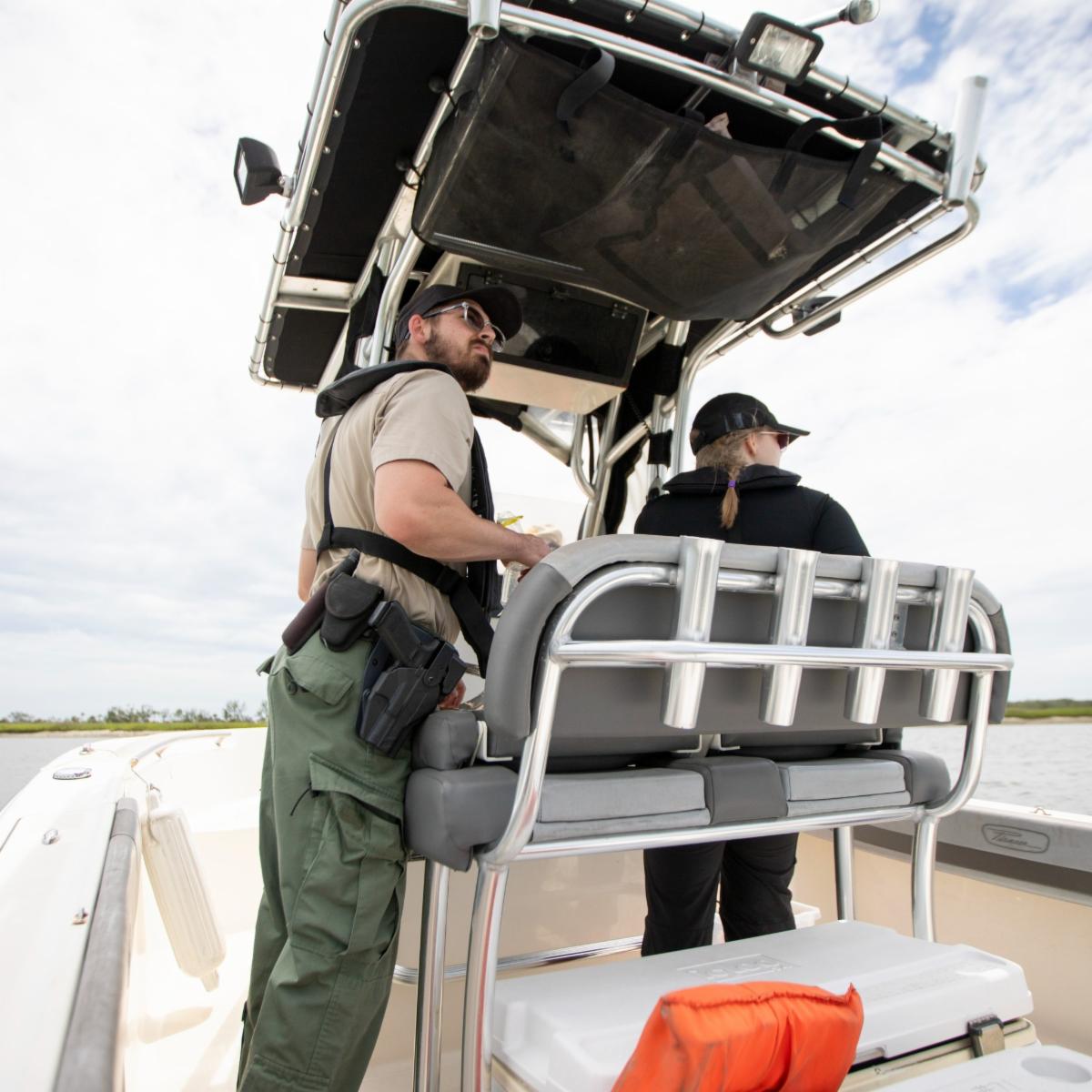
On Jan. 9, which was National Law Enforcement Appreciation Day, SCDES spotlighted its law enforcement officers for their dedicated service.
SCDES's Office of Law Enforcement officers are certified Class 1 Police Officers with statewide authority to investigate environmental crimes, make arrests, and execute search warrants. Through the Office of Criminal Investigations, our special investigators pursue serious violations of state and federal environmental laws, often uncovering complex fraud and related criminal activity and work closely with prosecutors to hold offenders accountable.
We also recognized our Shellfish Sanitation Program law enforcement team, a 10-officer unit that patrols shellfish harvesting waters, inspects processors and transporters, and helps protect public health along South Carolina’s coast and beyond.
| | | |
Looking ahead:
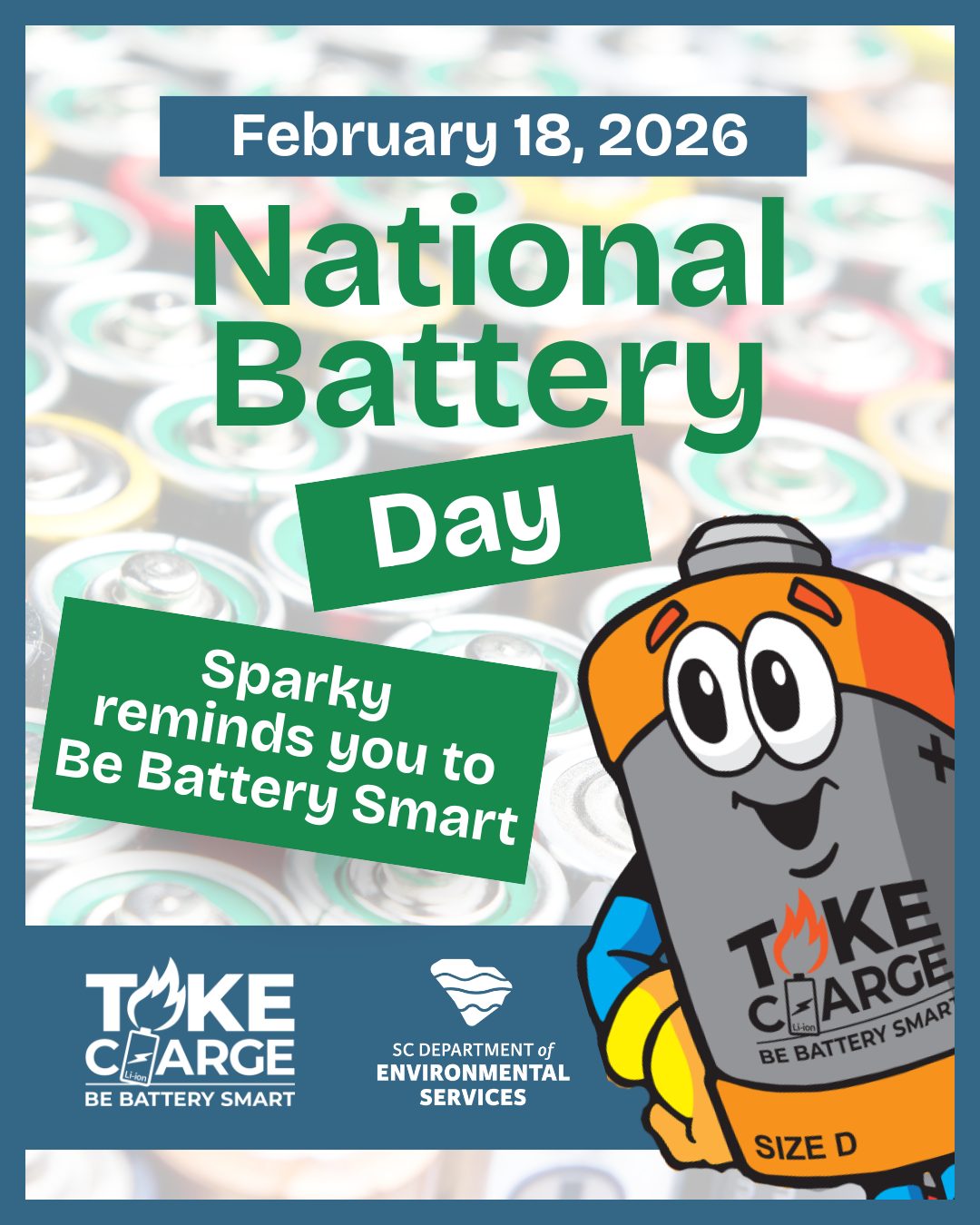
Feb. 18 is National Battery Day
National Battery Day is coming up on Feb. 18, a day to draw attention to the safety hazards posed by common household batteries. SCDES encourages South Carolinians to “Take Charge: Be Battery Smart” and learn about the importance of properly using and recycling household batteries.
Batteries are necessary for many household essentials and have become an essential part of everyday life. While household batteries are safe to use when following the manufacturer’s instructions, batteries that are damaged or improperly stored, used or disposed of — particularly rechargeable lithium-ion batteries —can explode or catch fire. And, small button batteries can be choking hazards for children.
Find important information, resources and more at bebatterysmart.com.
| | | Where Passion Meets Preservation | | As the state agency that protects and preserves South Carolina's environment, SCDES seeks talented individuals to join our team. We are scientists, engineers and inspectors as well as collaborators, educators, and public servants who work to ensure all South Carolinians have a healthy environment. | | | | |