|
Welcome to the latest CMHIS Community Connect newsletter, your bimonthly source for tools, insights, and opportunities to strengthen mental health practices.
In this issue, we highlight Mental Health Awareness Month; the Program Sustainability Assessment Tool (PSAT); upcoming national Navigating the Now and Core Topics events; and a Hub spotlight on a national learning session, “Evaluations that Matter: Turning Program Evaluation into Insight and Action.”
This edition also features the latest story in our series, “Success Stories From the Field: Sustaining Mental Health Service Delivery,” highlighting how a school district in Chadron, Nebraska, used Project AWARE funding to strengthen and sustain support for students’ mental health.
Each issue brings practical examples and timely resources to support your work. As always, CMHIS is here to support a connected community advancing accessible, effective mental health care.
| | |
Dear Colleagues,
May is Mental Health Awareness Month, and this month, we want to take some time to discuss supporting mental health through connection, community, and implementation.
SAMHSA’s theme this year is “See the Person. Support the Journey,” which encourages us all to recognize that real people with real lives, hopes, and goals experience mental health challenges every day. SAMHSA also reminds us that “during every stage of recovery and wellness, it is important to approach each person’s journey with dignity and understanding.”
One of the most important things about mental health journeys is that they are not linear. People need strong support networks, caring relationships, and organizations that collaborate to provide services that are not only effective but also tailored to the needs of the people they aim to serve.
That is where implementation science can support better mental health. Whether it’s by developing an understanding of what barriers a community faces when accessing mental health services, supporting better systems to deliver services, or finding ways to implement sustainable evidence-based and community-defined evidence practices, implementation science plays a crucial role in improving mental health care for the people who need it.
At CMHIS, we are proud to work with dedicated individuals and organizations focused on improving how mental health care is delivered. By sharing what we learn and working together, we can continue to support communities and improve mental health care for everyone.
| | |
The Program Sustainability Assessment Tool
The Program Sustainability Assessment Tool (PSAT) is designed to help programs assess and strengthen their capacity for long-term sustainability. The PSAT helps individuals and teams better understand the factors that influence sustainability, assess current sustainability capacity, review results through a customized sustainability report, and develop action plans to sustain programs over time.
Recently, CMHIS incorporated the PSAT into its Project AWARE and TISS Sustainability Planning Learning Community for school-based mental health grantees. Throughout the learning community, grantees used the PSAT to reflect on their programs’ sustainability strengths and areas for growth, guide sustainability planning discussions, and identify actionable strategies to sustain their work over time. The tool provided a structured framework to help grantees think beyond short-term implementation and plan for long-term impact.
CMHIS also offers additional resources to help organizations plan for and assess program sustainability, including the Sustainment Measurement System Scale (SMSS), on its Sustaining Service Delivery page.
| | At CMHIS, all of our learning opportunities and resources are free. | | Navigating the Now: Advancing Access To Mental Health Services Through Single-Session Interventions | | |
May 21–June 18, 2026 | National Event
9–10 a.m. PT, 10–11 a.m. MT, 11 a.m.–noon CT, noon–1 p.m. ET
Join the Pacific West Hub for the next installment of Navigating the Now, which will explore how single-session interventions can expand access to mental health support. This 3-part series will examine practical approaches for delivering brief, evidence-informed interventions that can reduce barriers to care and increase accessibility across settings and populations. Note: Attendance for Session 3 is contingent on attending or watching the content from Sessions 1 and 2.
| | Core Topic Series: How Leaders Can Improve Workplace Climate for Successful Implementation of Mental Health Practices | | |
June 22 & 29, 2026 | National Event | Hosted by the Pacific West Hub
12:30–1:30 p.m. PT, 1:30–2:30 p.m. MT, 2:30–3:30 p.m. CT, 3:30–4:30 p.m. ET
Leadership and organizational climate play a critical role in successful implementation efforts. This national Core Topics series will explore how leaders can strengthen workplace environments to support implementation, improve staff engagement, and increase sustainability of mental health practices.
| | Core Topic Series: What Is Adaptation and Why Does It Matter? Guidance for Adapting Mental Health Practices and Programs | | |
June 24–July 22, 2026 | National Event | Hosted by the Pacific West Hub
1–2 p.m. PT, 2–3 p.m. MT, 3–4 p.m. CT, 4–5 p.m. ET
Adaptation is often necessary when implementing evidence-based practices in real-world settings. This 3-part series will provide guidance on how and why adaptations are made, considerations for maintaining fidelity, and strategies for adapting programs to better fit community and organizational needs.
| | East Coast Hub: Evaluations that Matter | | |
June 30, 2026
10–11 a.m. PT, 11 a.m.–noon MT,
noon–1 p.m. CT, 1–2 p.m. ET
The East Coast Hub is hosting a new national learning session focused on helping organizations better understand and use program evaluation in community and behavioral health settings.
Evaluations that Matter: Turning Program Evaluation into Insight and Action is a no-cost, beginner-level session designed for individuals who are new to program evaluation or interested in strengthening how evaluation findings inform programs, initiatives, and organizational decision-making.
Participants will explore why program evaluation matters, practical strategies for translating evaluation findings into meaningful action, and common barriers that can limit the impact of evaluation efforts. The session will also examine how organizations can move beyond data collection to use evaluation as a tool for learning, improvement, and decision-making.
An optional 25-minute facilitated breakout session will follow the main 60-minute presentation for participants interested in deeper discussion and applied learning with peers.
This session is open nationally to all states and territories.
| |
Supporting Behavioral Health Service Systems at Historically Black Colleges and Universities (HBCUs)
SAMHSA recently brought cross-campus teams from 10 historically Black colleges and universities together for a two-day Policy Academy for Student and Campus Wellness to strengthen campus behavioral health systems and services and improve crisis response capabilities. Teams learned about best practices for building service infrastructure, strategic planning, and implementing and sustaining services.
CMHIS’ East Coast and Southwestern Plains Hubs came together with the Crisis Systems Response Training and Technical Assistance Center (CSR-TTAC) to support participating teams and will provide one-on-one consultation and several peer learning sessions over the coming months.
| | Building Change From the Bottom Up: Success in Sustaining School Mental Health in Nebraska | | |
CMHIS is excited to bring you the third story in its campaign, “Success Stories From the Field: Sustaining Mental Health Service Delivery.”
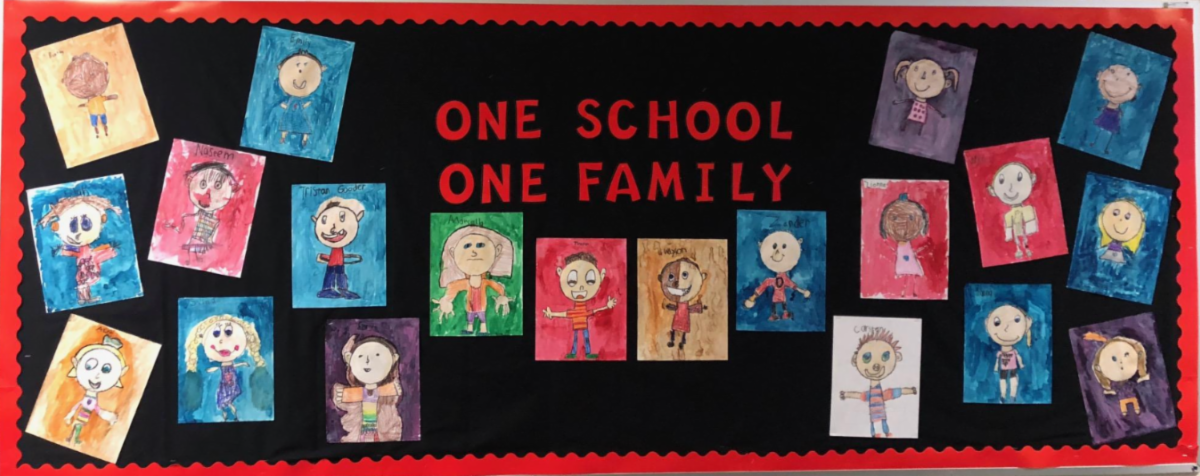
In Chadron, Nebraska, Principal Libby Mack has successfully leveraged Project AWARE grant funding to build foundational, sustainable change in support of students’ mental health. Through funding and sustainability planning, the district has increased access to school counseling services, transformed on-campus spaces to support students’ mental health needs, and integrated regular assessments to identify areas where students need additional support. In addition to these structural changes, expanded training in trauma-informed approaches to education has encouraged cultural shifts in Chadron that have outlasted the grant funding.
“I think the title of the AWARE grant is so spot on. It’s like, we are now aware. We are now aware as building personnel. We are now aware, as an administrative team, what’s important for funding, what’s important for training and what’s going to help our families become aware of better support for kids.” — Principal Libby Mack
| | Read the full story to learn more about how Chadron’s school district has built change from the bottom up to improve students’ mental health. | | |
We’d love to hear from you! Is there something you want us to cover in an upcoming CMHIS newsletter? Send us your thoughts, stories, or feedback.
What to Expect Next Month
In June, you’ll receive the newsletter from your local Hub, with updates and highlights from your bi-region.
We’ll be back in July with more CMHIS news, stories, and insights. In the meantime, feel free to visit our website, send us an email, or follow us on LinkedIn.
Request Support
The Center for Mental Health Implementation Support (CMHIS) and our bi-regional Hubs offer assistance to grantees funded by SAMHSA’s Center for Mental Health Services and any organizations that oversee or directly provide mental health services. We can help your organization or system improve the delivery of mental health care by supporting you in preparing for, implementing, and sustaining effective prevention, treatment, and recovery programs and services.
Please review our guidelines and submit a request.
| | This project is supported by Grant Number SM090078 from the Substance Abuse and Mental Health Services Administration (SAMHSA) of the U.S. Department of Health and Human Services. Its contents are solely the responsibility of the authors and do not necessarily represent the official views of SAMHSA/HHS or the U.S. Government. | | | | |