November 20, 2025

ALI Perspective


The Administration’s tariff policies, which were intended to spur U.S. manufacturing and move production back to the United States, have coincided with a decline in American manufacturing. Manufacturing and manufacturing employment fell in October for the eighth straight month, as production continued to slide and factories continued to lay off workers. Employers shed 12,000 manufacturing jobs in October according to the Bureau of Labor Statistics while payrolls in the sector have shrunk by 42,000 since April, according to a new analysis from the Center for American Progress based on US government labor data. 


The analysis finds that manufacturers have struggled with the ever-changing tariff landscape that has been a drag on businesses and consumers. American manufacturing depends on imported inputs, such as steel and raw materials, which are now more expensive. Restrictions on immigration have also impacted certain industries that rely heavily on immigrant labor. This year's tariffs and immigration restrictions have accelerated businesses' adoption of robotics and AI, continuing the six-decade decline in manufacturing employment, largely due to increased productivity and automation.


As expected, the Administration's efforts to reshore almost everything are proving counterproductive. America must support domestic production of high technology and other products key to our national and economic security. However, ALI believes that the U.S. must restore collaborative relationships with its allies and work with them to create resilient supply chains. The U.S. should return to “friendshoring” and “nearshoring” production of many items that are important but cannot be effectively manufactured domestically. 

ICYMI

U.S.- China Technology Competition: AI, Biotechnology, Semiconductors, and Quantum Webinar

ALI convened four experts for a robust conversation on U.S.-China competition. William Hannas (Georgetown), Melanie Hart (Atlantic Council), Jimmy Goodrich (RAND Corporation), and Constanza M. Vidal Bustamante (CNAS) discussed the status of U.S.-China competition in AI, biotechnology, semiconductors and quantum.


While the U.S. maintains a narrow lead in each technology, that advantage is at risk, as the U.S. unwinds decades of federal investment in research, partnership with universities, and limits high-skilled immigration. Meanwhile, China is rapidly expanding its investment in all of these technologies, focusing on both research and implementation. China is also combining technologies, like AI, biotech, and robotics, in ways that the U.S. is not. 


In China's 15th 5-year plan, President Xi wrote that China has to pursue “extreme measures” to innovate across all aspects of the supply chain, mandating that Chinese industry must see tangible success in these technologies over the next five years.


Historically, America's open innovation ecosystem has surpassed China's top-down strategy. However, given current cuts to R&D, combined with limits on high-skilled immigration, U.S. technology leadership is at risk.


Coming Up

  • ALI will host a conversation with key members of Congress, along with leading thought leaders and stakeholders on strategies to develop a new tariff agenda for the future as an alternative to the Administration's current chaotic tariff policies.
  • ALI is planning a launch for its Revitalize America project in early 2026--stay tuned for upcoming details!

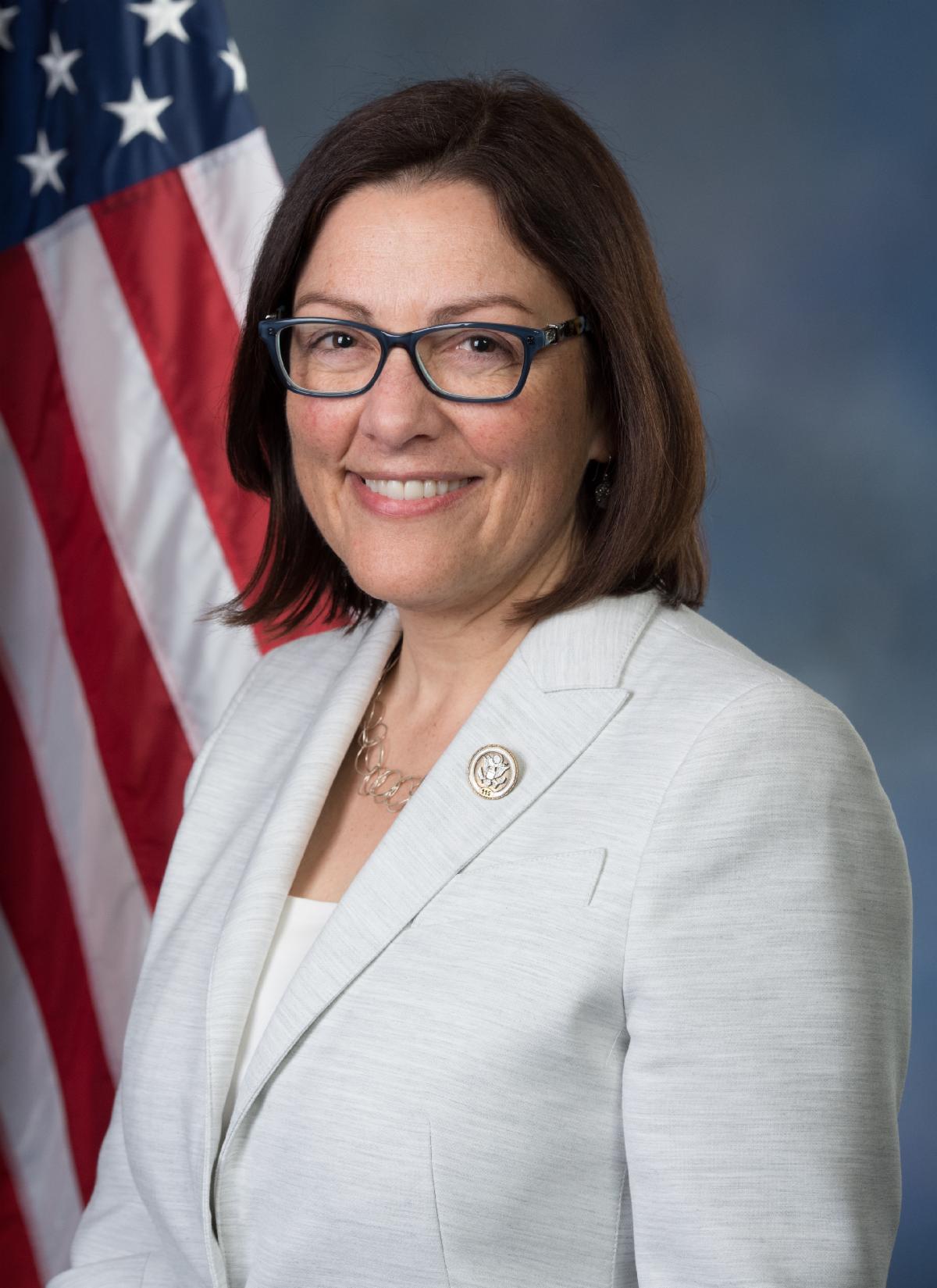
Rep. Suzan DelBene

(WA-1)

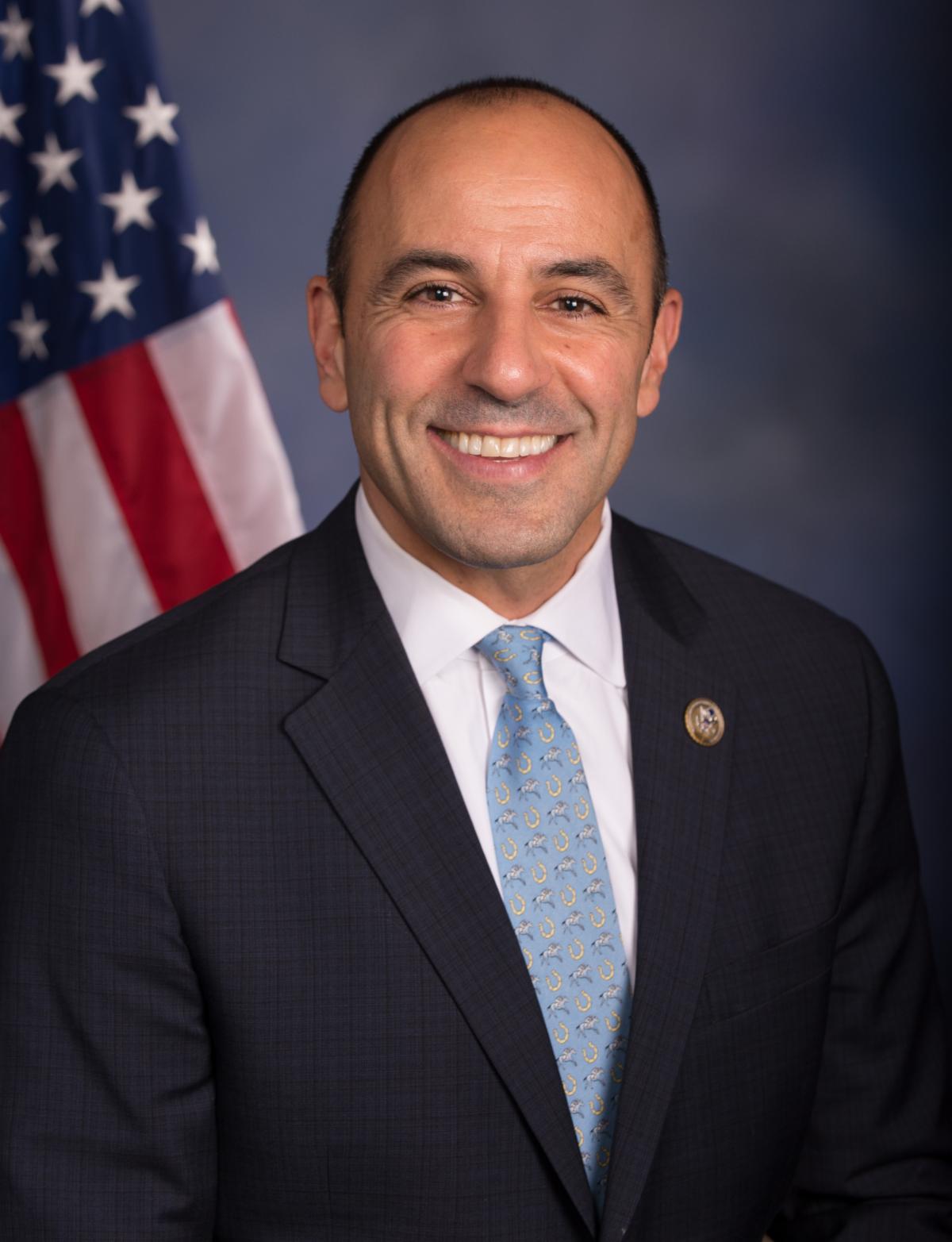
Rep. Jimmy Panetta

(CA-19)

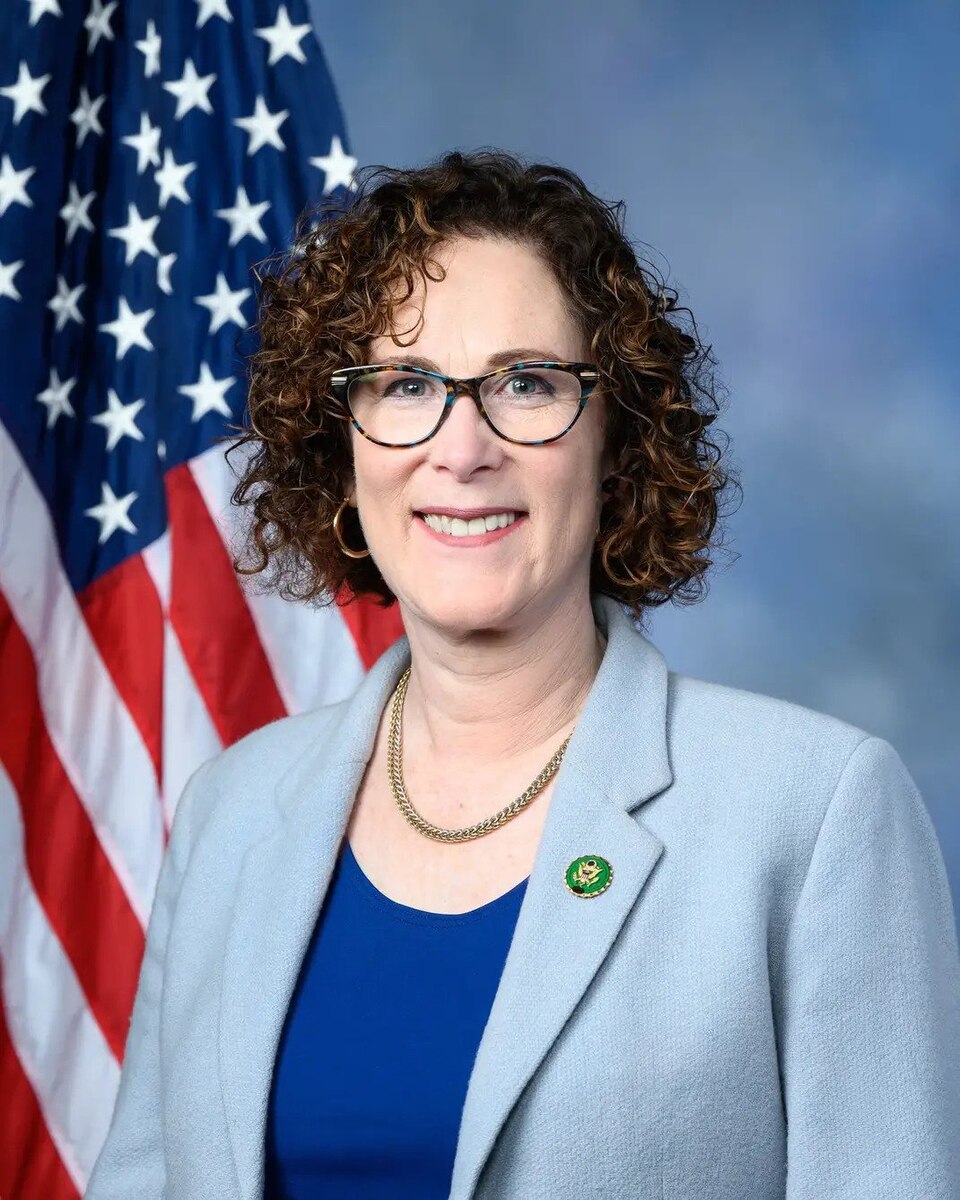
Rep. Val Hoyle

(OR-4)

Congressional Developments

New Democrat Rural Revitalization Agenda

The New Democrat Coalition released an agenda to revitalize rural communities, which includes a range of recommendations to empower rural communities for long-term prosperity. The recommendations include opening markets, promoting fair trade for rural communities and closing the digital gap by ensuring that rural communities have access to high quality broadband.


African Growth and Opportunity Act Expires

On Sept. 30, the African Growth and Opportunity Act (AGOA) officially expired, marking the end of 25 years of tariff-free treatment for U.S. imports of goods sourced from sub-Saharan African countries. A number of members on both sides of the aisle have introduced legislation to renew AGOA, and there was an unsuccessful attempt to include AGOA renewal in the 2025 National Defense Authorization Act (NDAA) during the conferencing process. The Administration has said it would support a one year, stop-gap extension.


USMCA Renewal

USTR will hold public hearings on USMCA Renewal on December 3-5 as part of the public request for comments, preparing for the trilateral negotiations and renewal of the agreement, which must be completed by July 1, 2026.

What We're Reading

Hinrich Foundation: The Case for U.S. Leadership on Global Data Governance

"The United States cannot set out a clear, forward-thinking strategy for global data policy alone. It should lead a coalition of like-minded partners that want an open, innovative, and rights-respecting digital world. This means listening to partners as well as leading, sharing expertise, and supporting them through technical and policy cooperation. The stakes are high."

Asia Society: Views of China Across the Global South: The Rule and the Expectations

"As we have seen, views of China in large parts of the developing world have in some ways mirrored key trends in the Global North — in particular, the long-term secular decline over time, with the ratio of positive to negative views narrowing. And in South Asia and Latin America, COVID took a severe toll on China’s image, just as it did in the West."

CSIS: Trade Deals and a New Chapter for American Nuclear?

"The White House unveiled new details of the $550 billion U.S.-Japan investment agreement reached earlier this year, which commits significant capital to U.S. energy technologies, including nuclear reactors, power plant and grid components, and critical minerals. At the same time, the administration announced an $80 billion partnership with nuclear manufacturer Westinghouse Electric Company to help build a fleet of new reactors in the United States. The White House indicated that some of the U.S.-Japan investment commitment would be directed to the Westinghouse deal. Together, these new initiatives could amount to the most ambitious U.S. government action to support nuclear energy in decades—though key questions remain."


Providing a new vision for American global leadership
Follow us!
Linkedin  Twitter