FREE WEBINAR on 
Incorporating a Civil/Structural Engineering Approach to 
Wildland-Urban Interface Fire Mitigation and Decision-Making


Wednesday, November 18, 2026

12:00 pm PT/3:00 pm ET (90-minute webinar)


Background and Purpose

Engineers, architects, and others are increasingly seeking to better understand how they can design communities to be more resilient to the effects of wildland-urban interface (WUI) fires. This is motivated by the increasing destructiveness of WUI fires across many parts of the United States and internationally. 


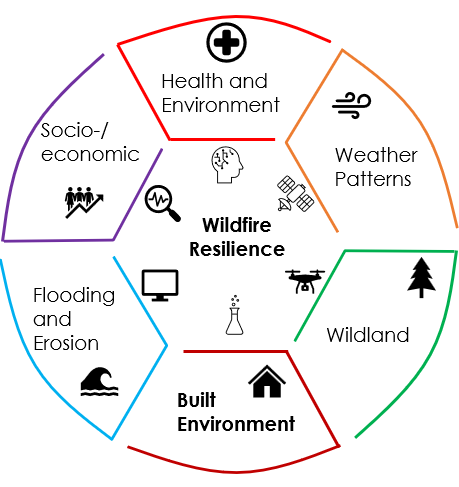
This webinar will present WUI fire as a community-scale challenge that can be better understood by drawing from civil/structural engineering frameworks that have been successfully applied to other natural hazards. The webinar will include overviews of case studies—one from the City of Berkeley, California, and one from the 2025 Eaton Fire in Los Angeles County—to illuminate how hazard and vulnerability contribute to risk and how these insights can inform decision-making. The webinar will transition to lessons from post-fire investigations to inform mitigation actions. Existing code provisions to protect structures, as well as performance-based concepts, also will be discussed. The webinar will end with a question-and-answer session.

Intended Audience

The webinar is geared towards civil and structural engineers, fire engineers, architects, urban/regional planners, and city and county officials with jurisdiction over the built environment in WUI areas. Others with an interest in community resilience against WUI fires also will benefit from the webinar.

Webinar Presenters

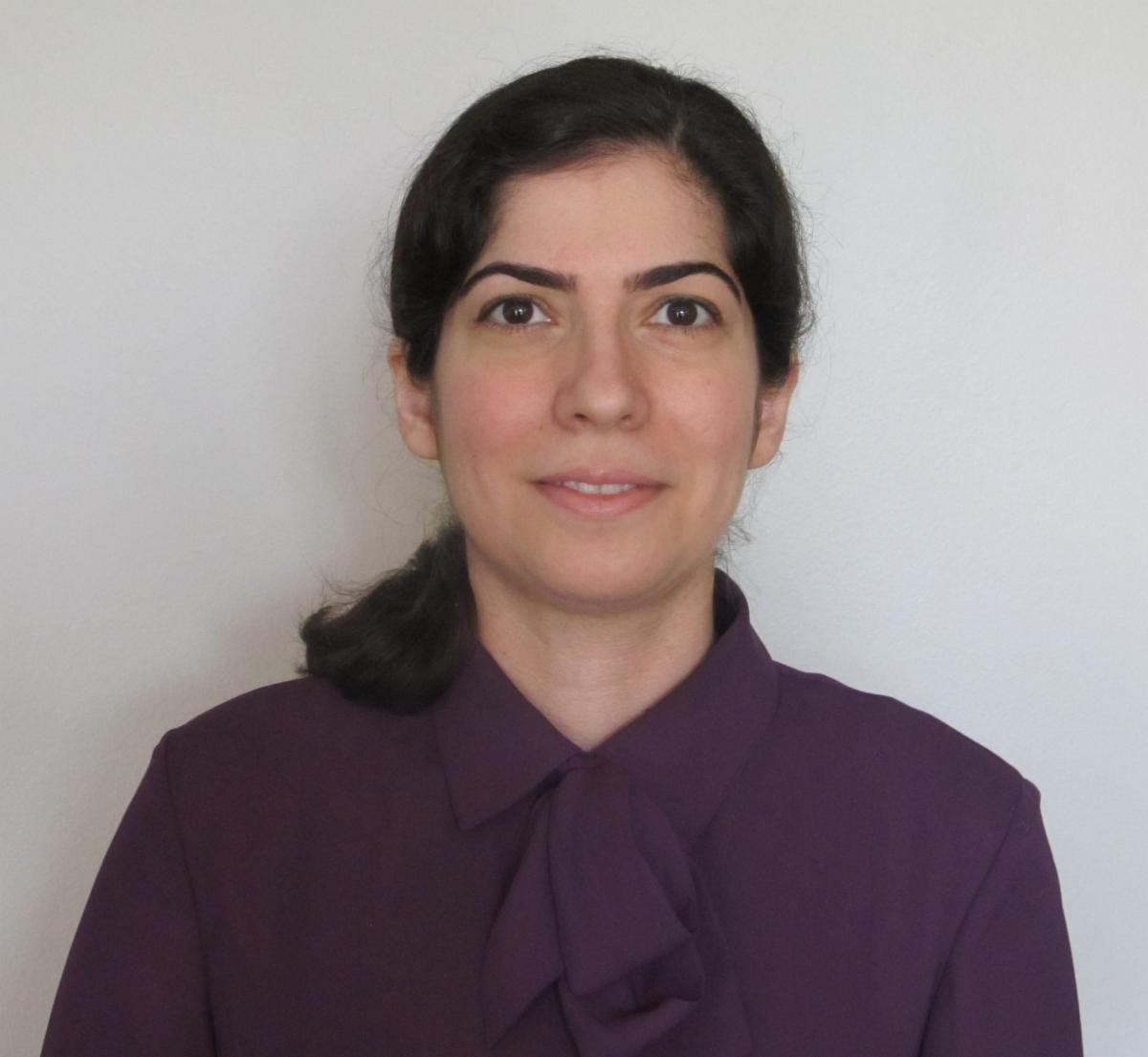
Negar Elhami-Khorasani, Ph.D., is a Professor in the Department of Civil, Structural and Environmental Engineering at the University at Buffalo. Her primary areas of research are structural fire engineering, performance-based design of structures at high temperatures, resilience of communities under extreme hazards, including wildfires, and the impacts of multi-hazard events on structures and communities. Dr. Elhami-Khorasani was the co-chair of the ASCE/SEI Fire Protection Committee and the co-chair of the SEAoNY Resilience Committee. She is an associate editor of Fire Technology, the peer-reviewed journal of the National Fire Protection Association and the Society of Fire Protection Engineering. She is also on the editorial board of Reliability Engineering and System Safety. She has been recognized with the American Institute of Steel Construction Early Career Faculty Award, the Fire Protection Research Foundation Medal, and the International Association for Fire Safety Science Magnusson Early Career Award.

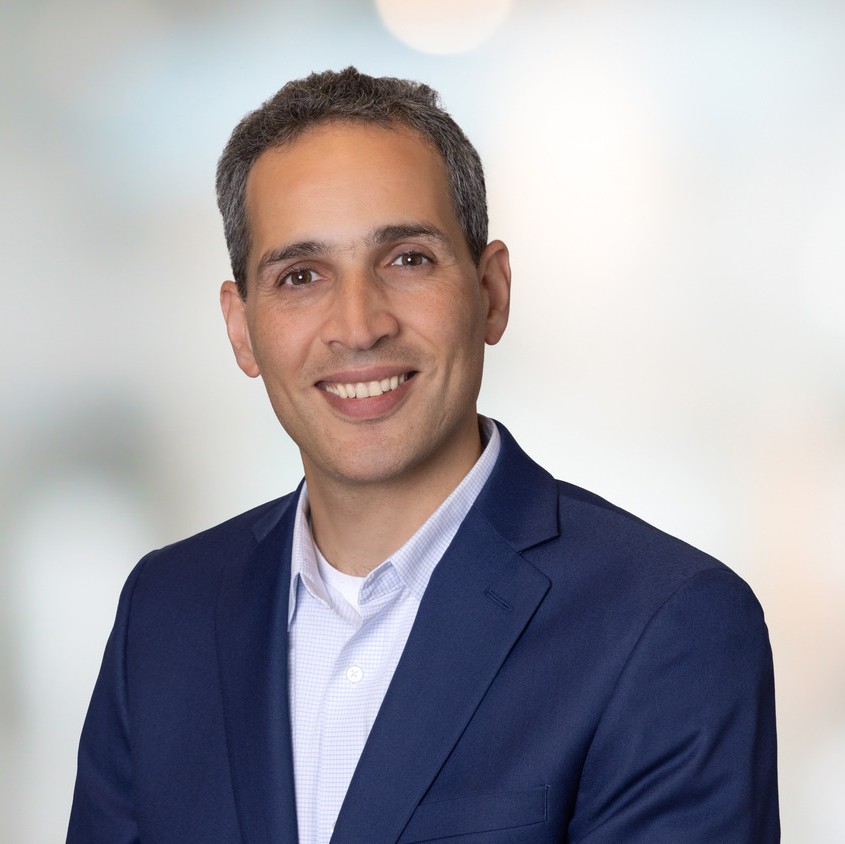
Ali Ashrafi, Ph.D., P.E., F.P.E., is a Principal at Thornton Tomasetti. He is a licensed civil and fire protection engineer and has overseen numerous design projects. His work includes performance-based structural fire engineering at several iconic structures throughout the United States.Dr. Ashrafi also has extensive experience investigating damages to buildings, including as a result of fires. His work includes looking at emerging topics in fire safety such as wildfire resilience, fire safety of mass timber construction, electric vehicles, and energy storage in urban environments.Dr. Ashrafi was an Adjunct Professor at Columbia University, teaching Structural Fire Engineering as well as Earthquake and Wind Engineering. Ali has served as a co-chair of the ASCE Fire Protection Committee.

Registration and PDH Certificate Information

Registration is free. Can’t attend? Register anyway, and we’ll send you a link to the recording!

Registrants who would like a PDH certificate (1.5 hours) must pay a $50 fee by the day of the webinar. Only those registrants who pay the $50 fee and who attend the full duration of the webinar will be provided a PDH certificate. Refunds are not available. PDH certificates will be distributed electronically within four weeks following the webinar. 

Webinar Handouts

The following handouts will be provided prior to the webinar:

  • Presentation slides (PDF format)

This webinar is made possible with funding from the ATC Endowment Fund.

The purpose of the ATC Endowment Fund is to support efforts of critical importance to

structural engineering design practice, research, and education.