|
CONNECTIONS is monthly newsletter designed to support Foster and Kinship Caregivers to ensure First Nations, Metis & Inuit children in their care have access to cultural resources, activities and events that broaden their cultural awareness.
This is also a great resources for all children/youth both indigenous and non-indigenous, as well as a great resource for teachers, friends, family and program staff.
Please Share!
| | This months SPOTLIGHT is Indigenous inventions for surviving winter that are still popular today! | | Did You Know?
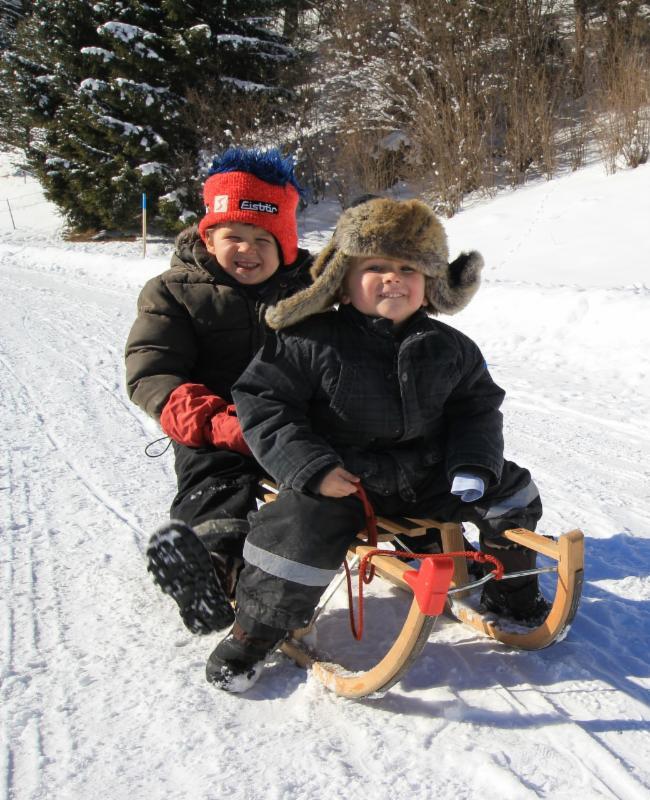
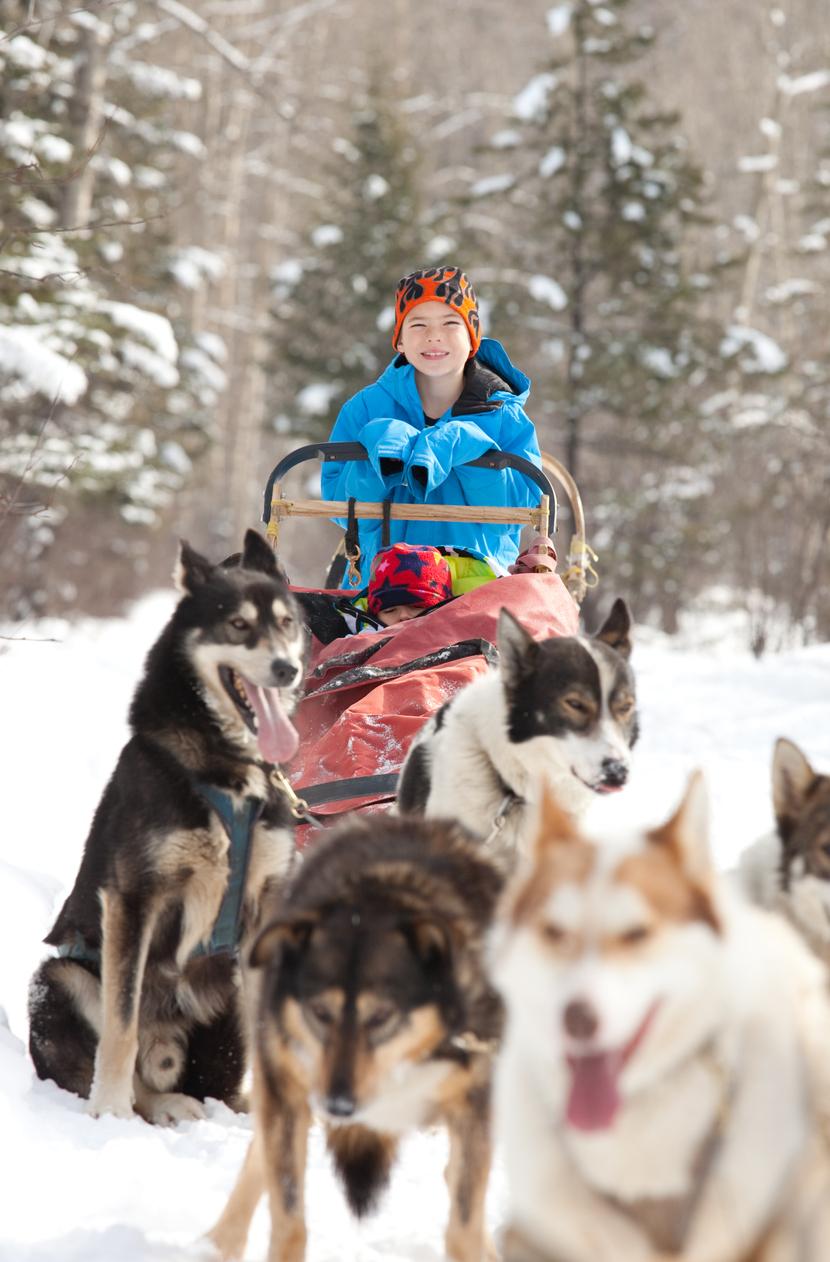
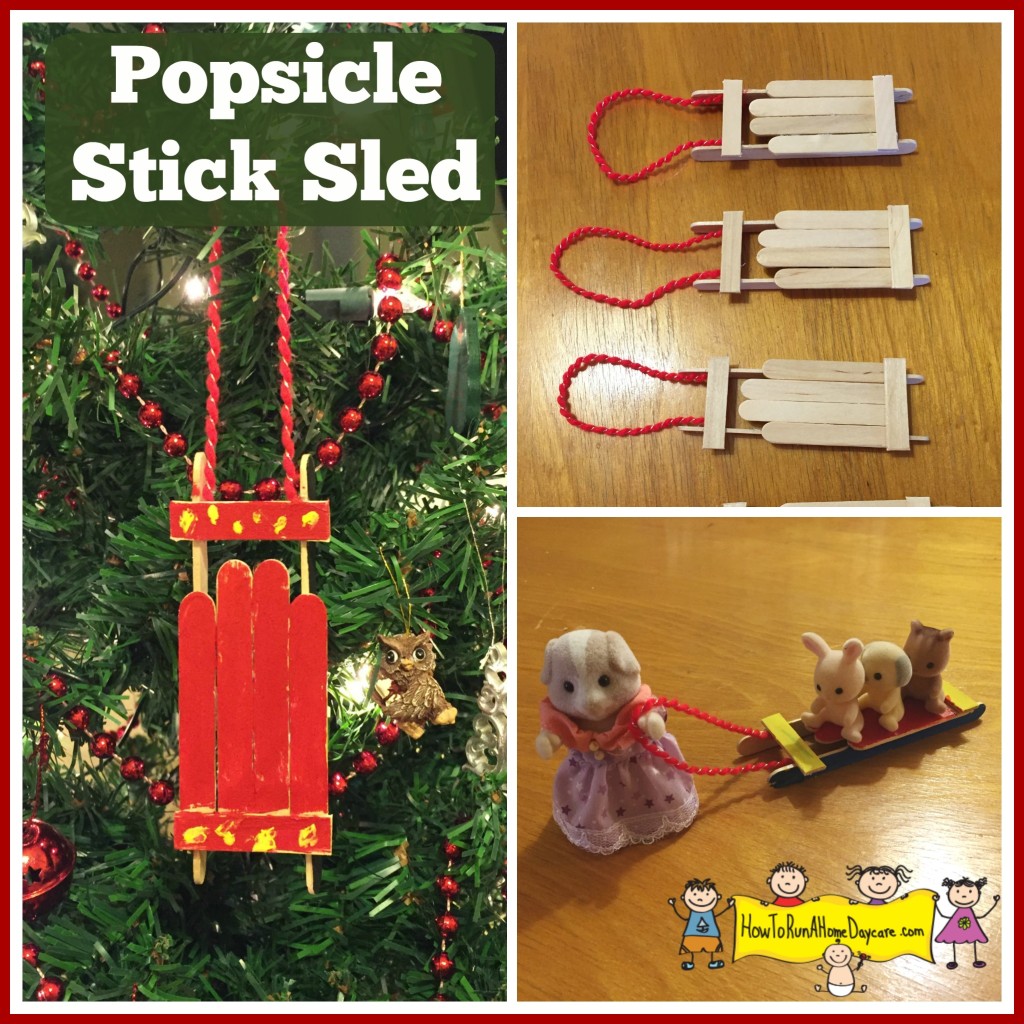
The Anishinaabe, Cree, and Innu Peoples in Canada, and the Chippewa in the United States, were among the first to create the sled, also called a toboggan. It is believed the word toboggan comes from the Algonquian word odabaggan. | | Video - Family Making Sleds Rosie Bonnie Ammaaq (Canada National Film Board) This short 5-minute film portrays a family working together to make sleds. While the father expertly threads rope through runners and slats, expertly tying knots to hold them together, his wife and child work on their own stylized sleds. The film pays homage to the craft, while also capturing the sheer joy of downhill sled racing. | | | Long ago, toboggans were very important tools. Indigenous families used them to carry heavy supplies across snowy land, and hunters used them to bring food home from far distances. For many Indigenous Peoples, dog sledding is an important part of their culture and history. It connects families and communities to traditional skills, teamwork, and ways of living on the land. | | | | |
Different Indigenous Peoples made toboggans in different ways. The Inuit often made theirs from whalebone. Other Indigenous groups made toboggans from thin pieces of wood such as hickory, ash, or maple. They gently heated the wood to bend the front upward, then let it dry for a couple of days.
When the toboggan was ready, a rope was tied to the front so people or dog teams could pull it. Sled dogs and people worked together as partners, helping each other survive in the Arctic.
| | |
In some northern and Arctic communities, dog sledding is still used to travel across snow and ice, especially in places where roads are limited. It can be a reliable way to get around during the winter.
Traditional sledding has also become a competitive sport. The 1,200-mile Iditarod race, which is the longest dog sled race in the world, starts on the first Saturday in March every year in Anchorage, Alaska.
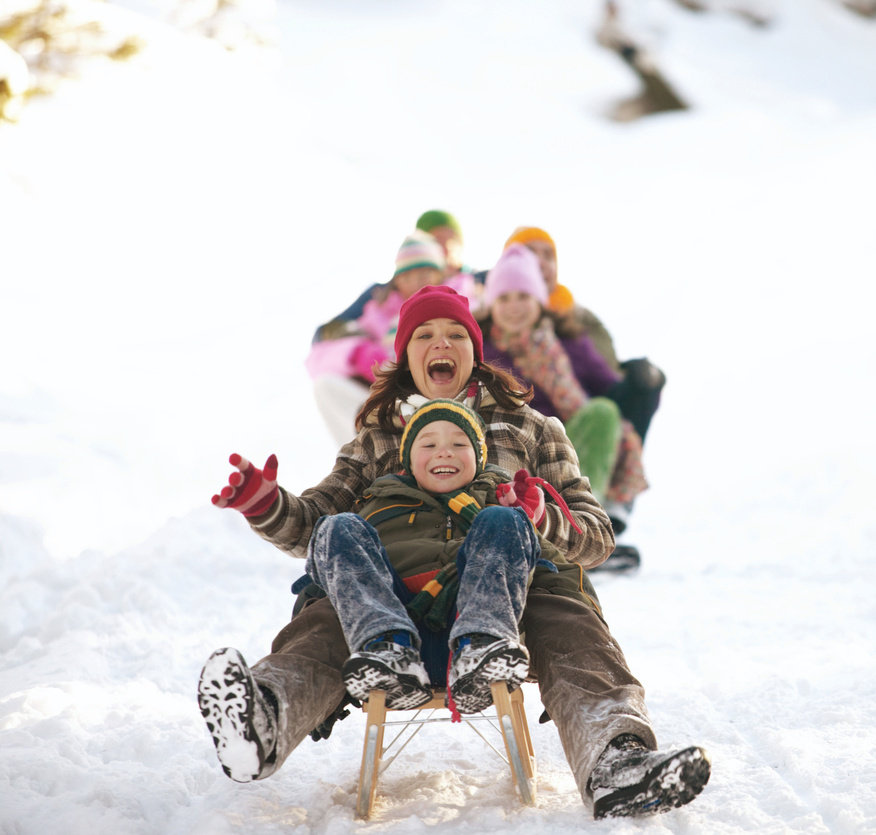
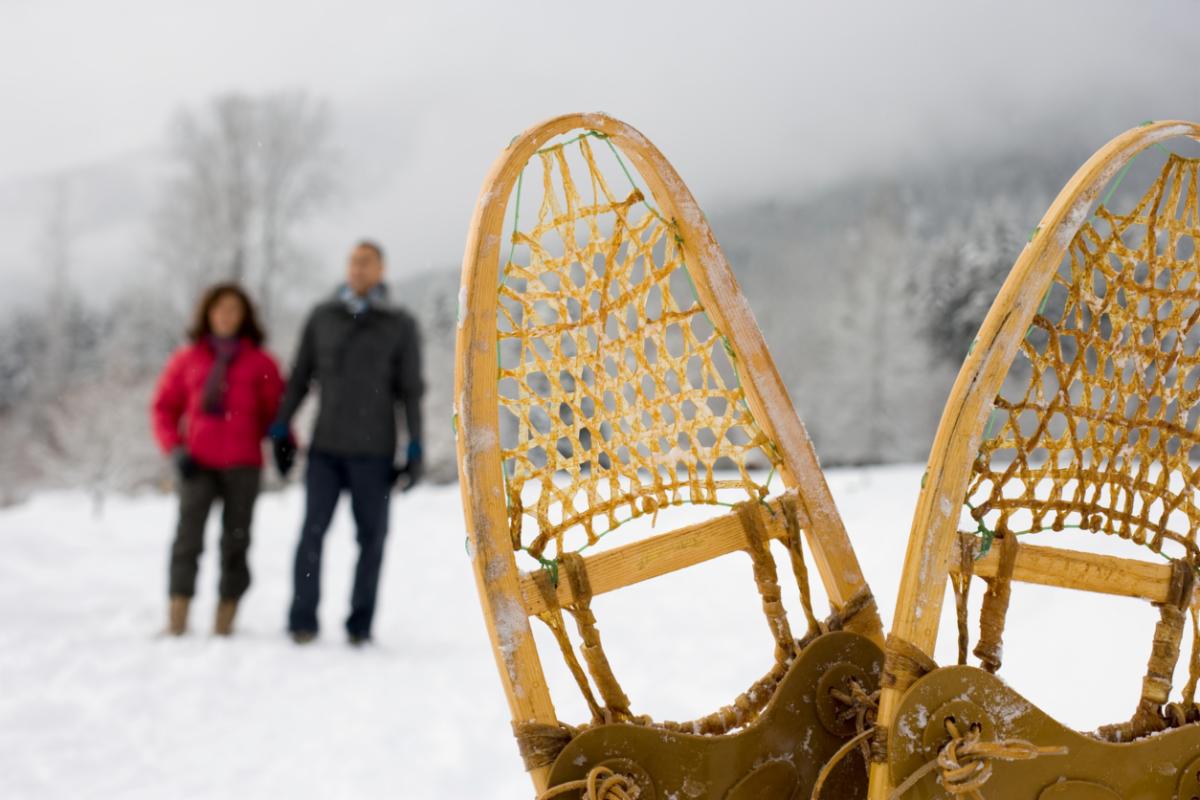
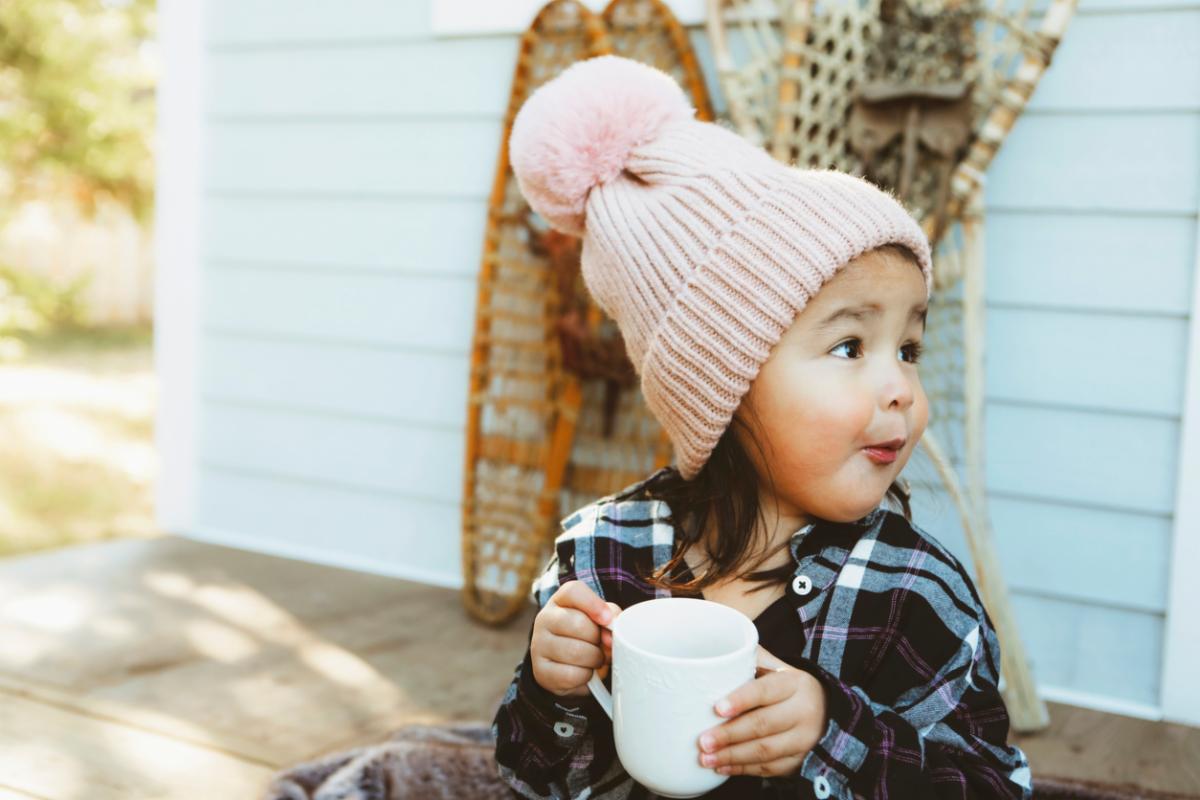
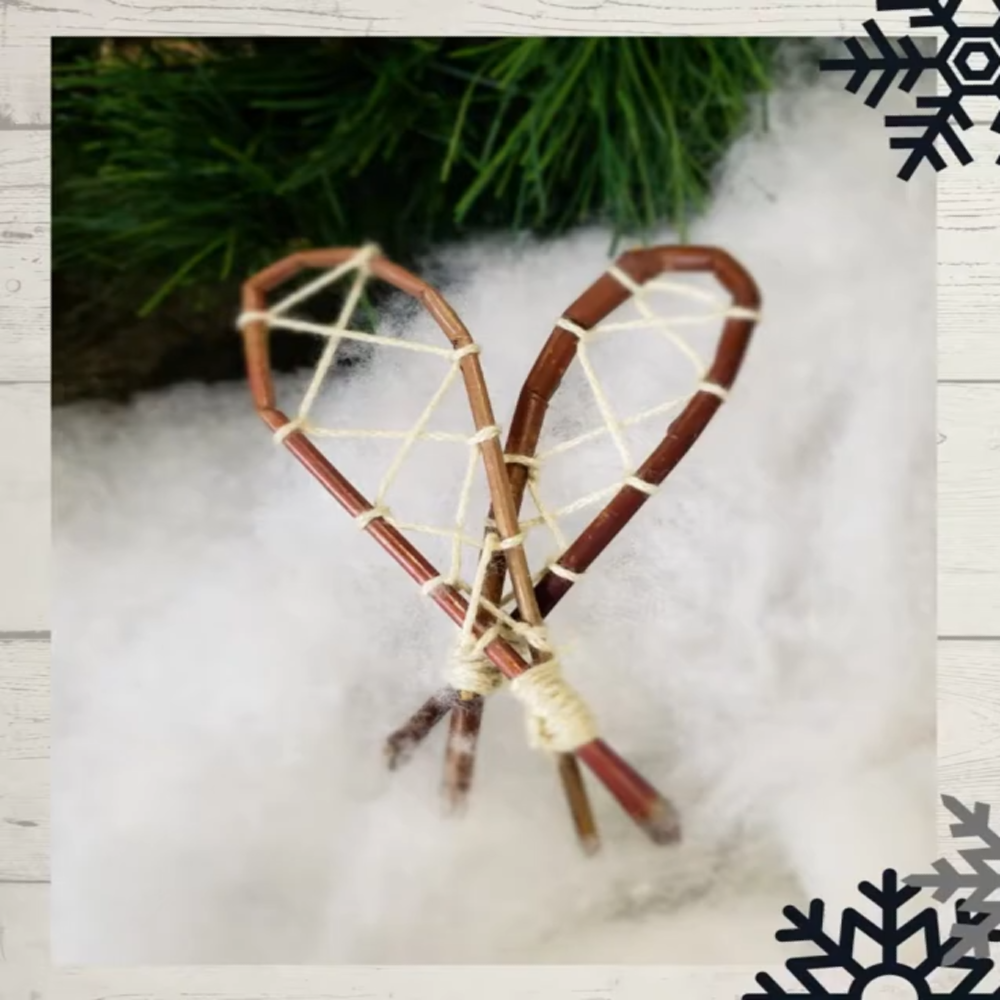
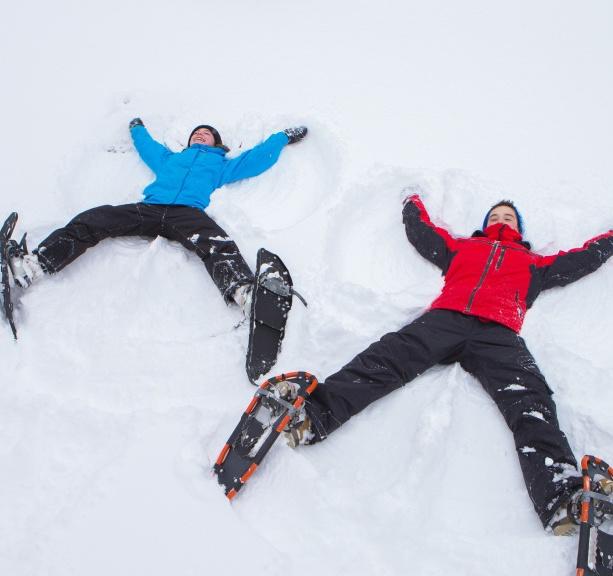
| | Today, toboggans have evolved into a recreational wintertime activity—helping kids of all ages fulfill the irresistible urge to soar down a snow-covered hillside. | | Snowshoes have a long and important history with Indigenous Peoples in what is now Canada. They were invented thousands of years ago to help people travel across deep snow without sinking. Many Indigenous Nations, including the Cree, Dene, Anishinaabe, and Inuit (in some regions), developed different styles of snowshoes depending on the land and snow conditions where they lived. | Watch Video - The Legend of Snowshoes featured on APTN | | |
Snowshoes were usually made from wooden frames, often birch or ash, bent into shape. The inside was woven with strips of rawhide (animal hide) to create strong netting. This webbing helped spread a person’s weight over the snow. In forested areas, smaller and narrower snowshoes were used to move easily between trees.
Indigenous hunters used them to track and hunt animals in winter. Families used them to travel between camps, gather firewood, and carry supplies. Without snowshoes, winter travel would have been very difficult and sometimes dangerous.
| | Watch Video - Cultural Physical Activity with Snow Shoes (MFNERC)
The Manitoba First Nations Education Resource Centre is proud to have supported this initiative, which connected students from Chief Charles Audy Memorial School with their traditional way of life. The snow shoe was a vital part of that lifestyle, providing the means for hunting, transportation, games, and physical activity. Students had the opportunity to take part in these traditional activities, receive important teachings, and most of all, have fun through cultural connection. | | Today, snowshoeing is a popular winter activity, but it began as an important Indigenous invention that helped people live and thrive during long Canadian winters. | | |
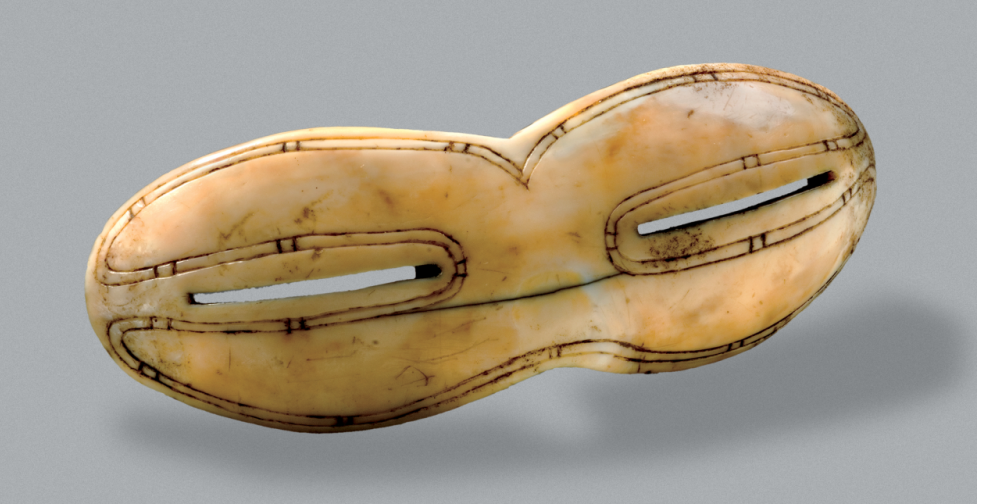
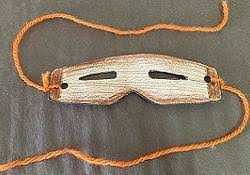
Inuit in the Arctic invented protective eyewear made from wood, bone, or ivory with narrow slits to protect eyes from the glare of the sun.
Snow goggles were important for eye protection while hunting or travelling on spring ice.
Without snow goggles, people risk getting a painful condition called snow-blindness that feels like a sunburn on the eyes. OUCH!
| |
Make Snow Goggles! (UofF)
Materials Needed: Snow Goggles printable (or draw your own), scissors, yarn, crayons or colored pencils. Optional: Cardstock, hole punch.
View or Download Directions
| | | Today, people across Canada wear different kinds of goggles made from different materials for different recreational activities to protect their eyes from sun, snow and wind in the winter, but the first protective eye wear was invented by the Inuit in the Arctic. | | TRADITIONAL FULL MOON NAMES | | | | |
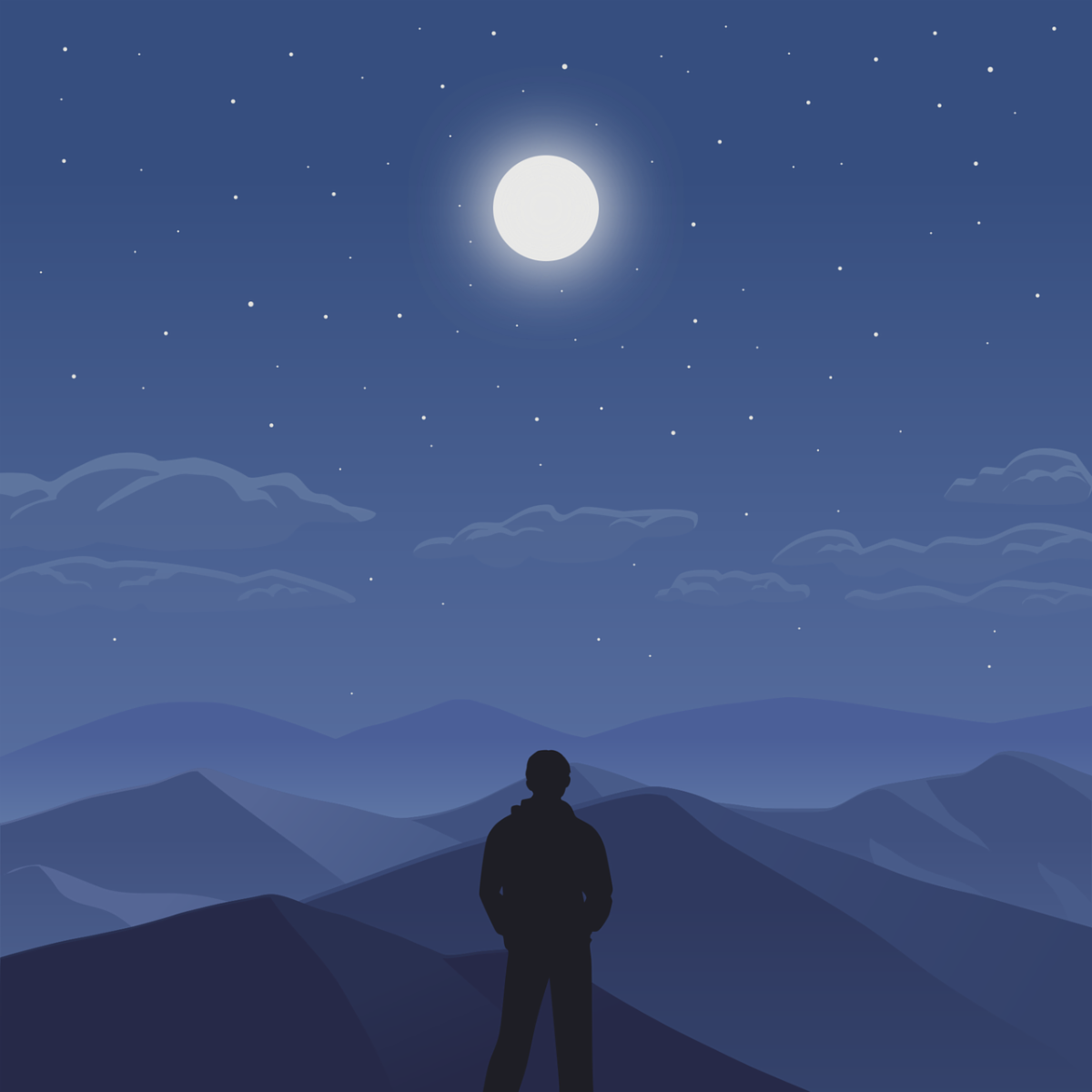
FEBRUARY
• Bald Eagle Moon or Eagle Moon (Cree/Blackfoot)
• Snow Moon (Dakota)
• Bearded Seal Pups Moon (Inuit)
Can you guess why?
| | |
Bridging the distance: feeling connected when apart (Canadian Consortium on Child & Youth Trauma) Separation from a primary caregiver can be experienced as upsetting for any child. For a child who has experienced early relational trauma, separation from their caregiver may trigger overwhelming feelings of abandonment, fear and rejection. Situations that require separation can be particularly difficult for some children, especially when they have had experiences that undermine their sense of security. It is important to remember that their reaction is not a tantrum, but rather a reflection of a deep need for reassurance.
Bridging the distance: feeling connected when apart includes strategies that have proven effective in helping to strengthen the parent-child relationship in preparation for and during separation. The strategies should be chosen based on the unique individualized needs of the child and caregiver. Children/youth need to be involved in the planning process and need to be provided with opportunities to connect with their caregivers in ways that promote feelings of trust, intimacy and closeness.
| | UPCOMING INDIGENOUS EVENTS | | |
INDIGENOUS EVENTS
Voices of the Land Storytelling Gathering
Wednesday, February 25, 12:30pm–5:00pmStanley A. Milner (Downtown Edmonton) This event is part of the Stories of the Land Series EPL Winter Storytelling Event Voices of the Land is an Indigenous digital public space hosted by Edmonton Public Library and was created to support cultural storytelling and language…
Sacred Pathways Youth Programming with Bent Arrow
Wednesday, February 25, 4:30pm–5:30pm Jasper Place Library Edmonton Sacred Pathways Youth Programming guides young people on a journey through traditional practices using craftwork, beading, medicine wheel teachings, sacred medicine teachings, and ceremonial smudging. (View All Dates)
The Promoting & Increasing Cultural Safety (PICS) for Métis Women, Youth, and 2SLGBTQQIA+ Summit livestream February 21 from 1–5 p.m.
The Youth and Seniors Gathering is free to attend for Métis youth ages 12-29 and seniors 60+ years old. February 27 0 March 1, 2026 Edmonton
Breaking the Silence- Empowering Men and Boys (See site for dates/locations)
Breaking the Silence responds to this need by offering Métis-led, trauma-informed spaces for men and boys. These spaces enable sharing, resilience-building, and collective problem-solving, aligning with the National Action Plan to End GBV, specifically its pillars of supporting victims, survivors, and families, and preventing violence.
POWWOWS & ROUND DANCES
| | CONFERENCES
Stay up-to-date on ALIGN events & upcoming sector conferences HERE. | | ALIGN Offerings For Children/ Youth | | |
ALIGN’S Indigenous Online Jigsaw Puzzles
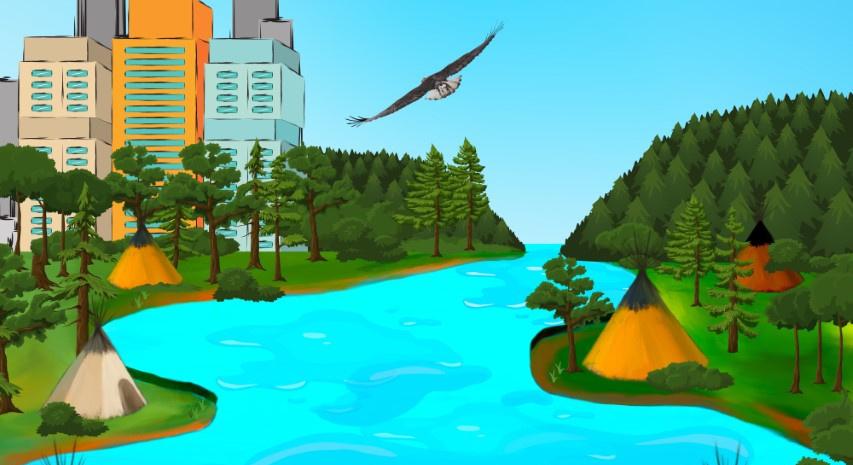
The best thing about jigsaw puzzles is that they require you to slow down and look at all the details as you piece the whole picture together. In a fast moving world filled with photos and graphics this is an opportunity for children, youth and adults to relax and appreciate the details of the traditional regalia, food, animals, teepees, totem poles and more!
| | | ALIGN Offerings For Professionals | | | | ALIGN's Listening in a Good Way: Indigenous Perspectives on Disability is a “What We Heard” reflection that captures the voices, experiences, and insights shared during the Summit’s facilitated discussion sessions. This report honours participants’ generosity in sharing lived experience, community knowledge, and professional perspectives, and reflects those contributions in the spirit they were offered—through relationship, respect, and a commitment to reconciliation. | | | | |