|
In this issue:
- Cultivate'22 & NC Green Industry Council Water Symposium
- A Vision of Sustainability
- Growing with Growcoons
- Plant Spotlight: Grassland Sedge
- Grazing Native Grasses could Benefit your Cattle and Wildlife
- Laying the Groundwork for a Better, Cleaner Public School System
- Designing Green Roofs for Biodiversity
- Upcoming Events
- At the Nursery
| |
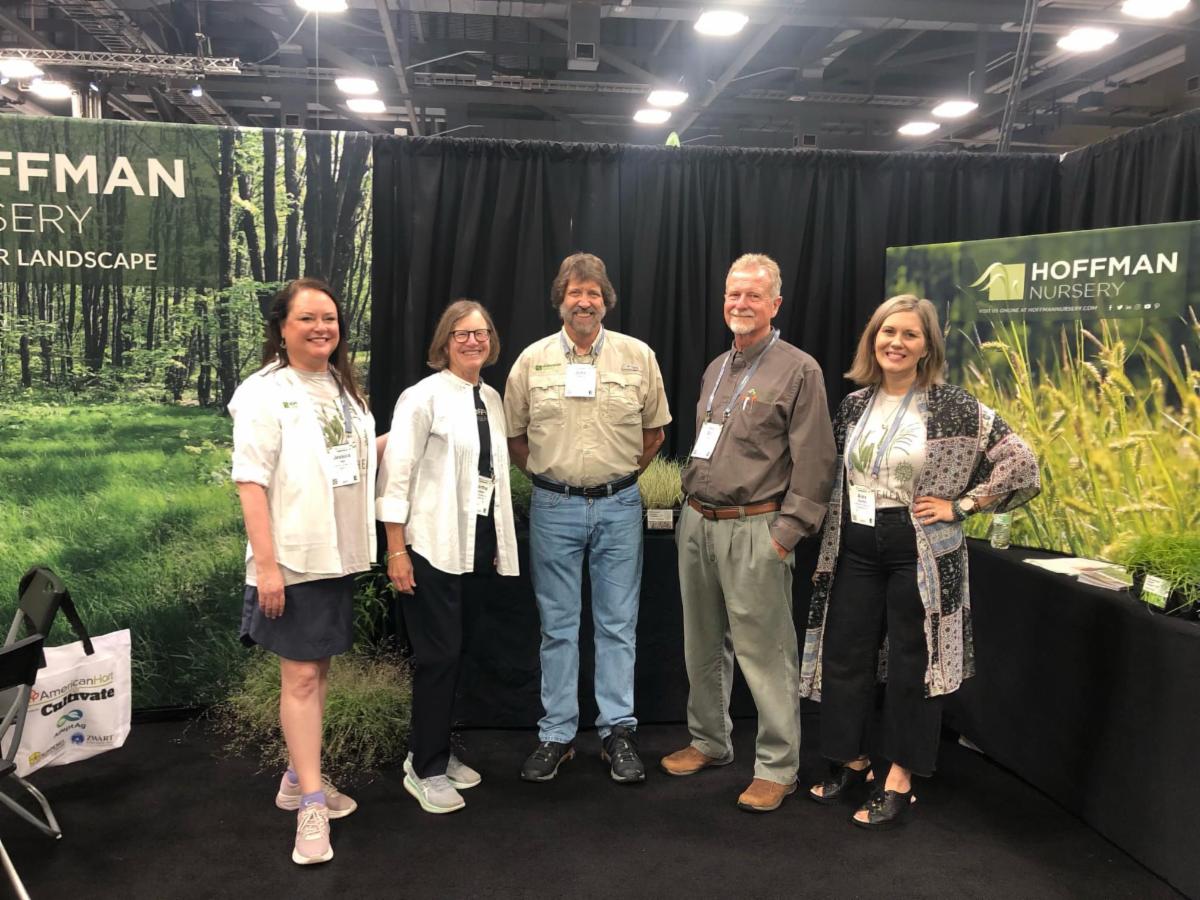
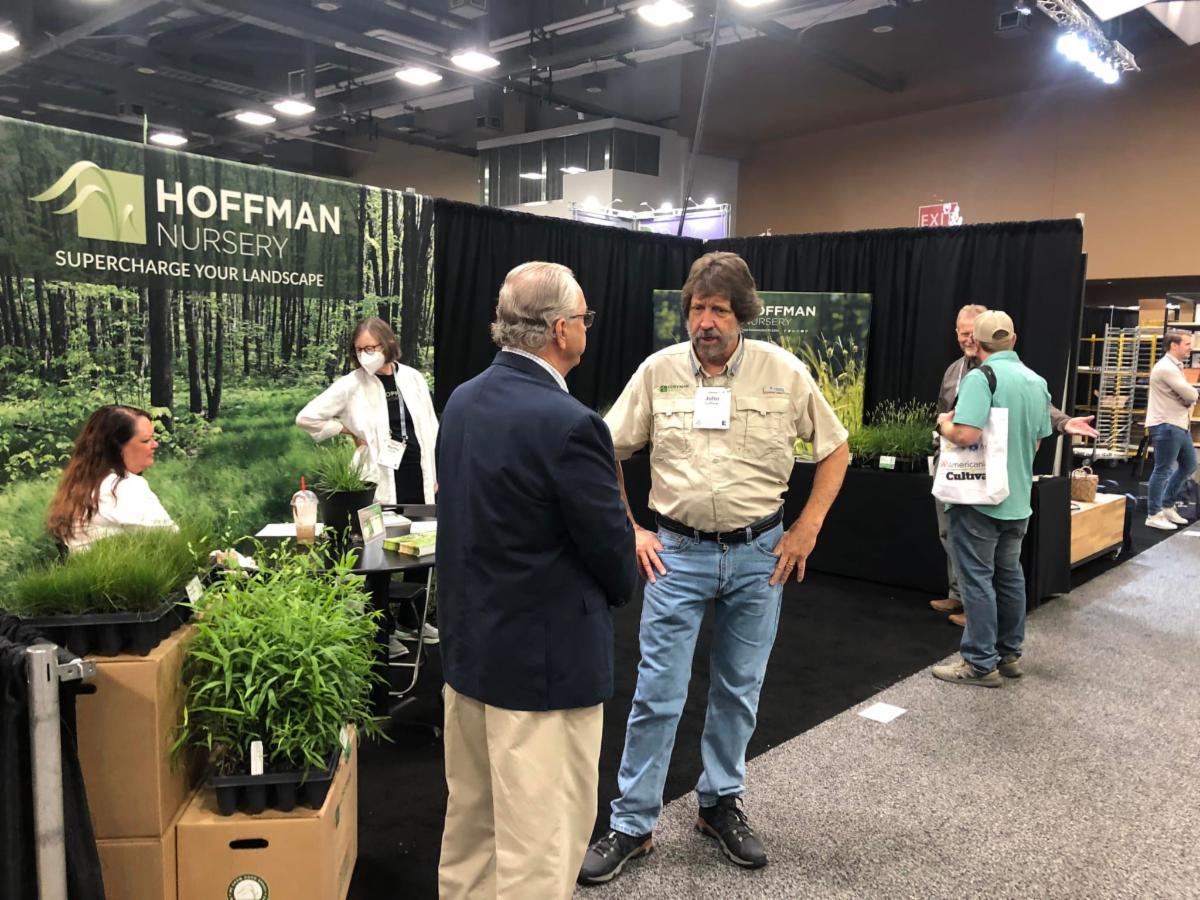
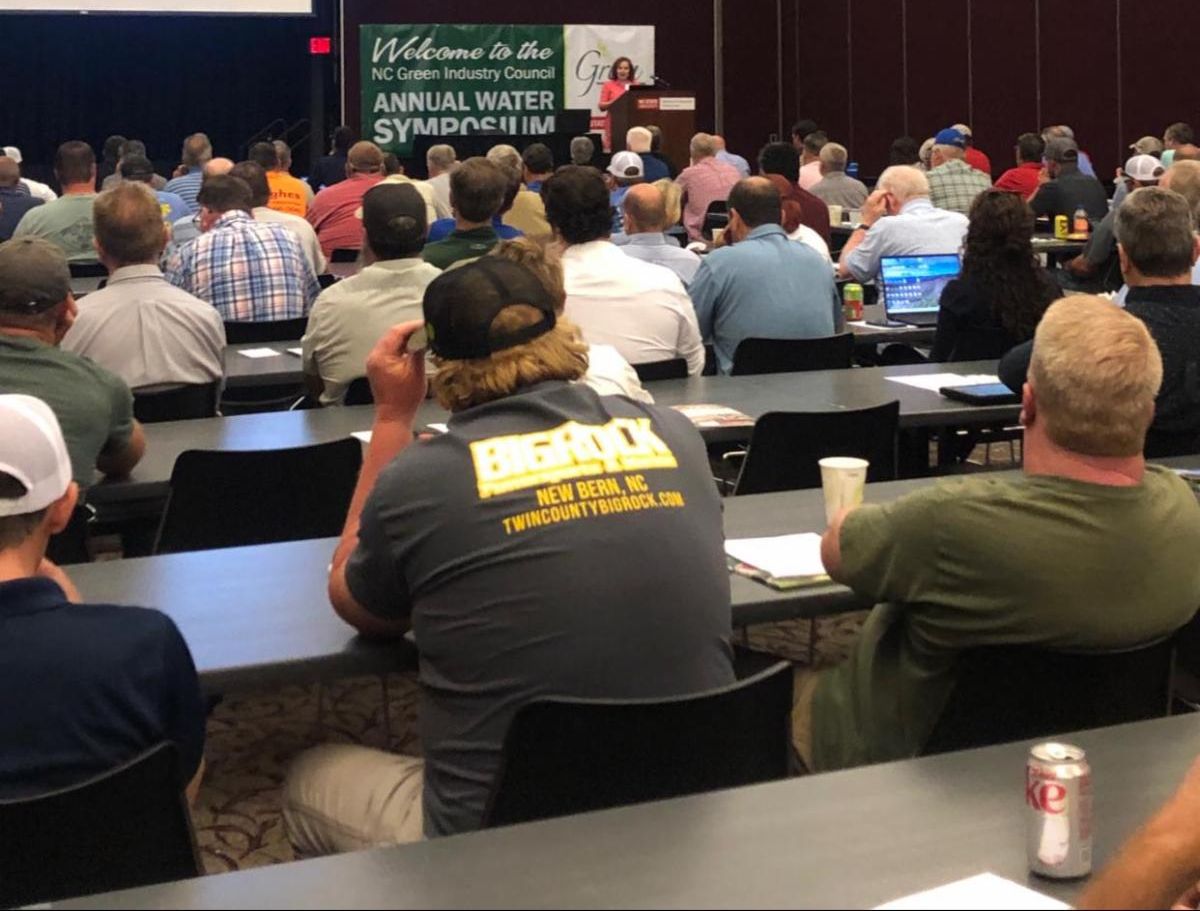
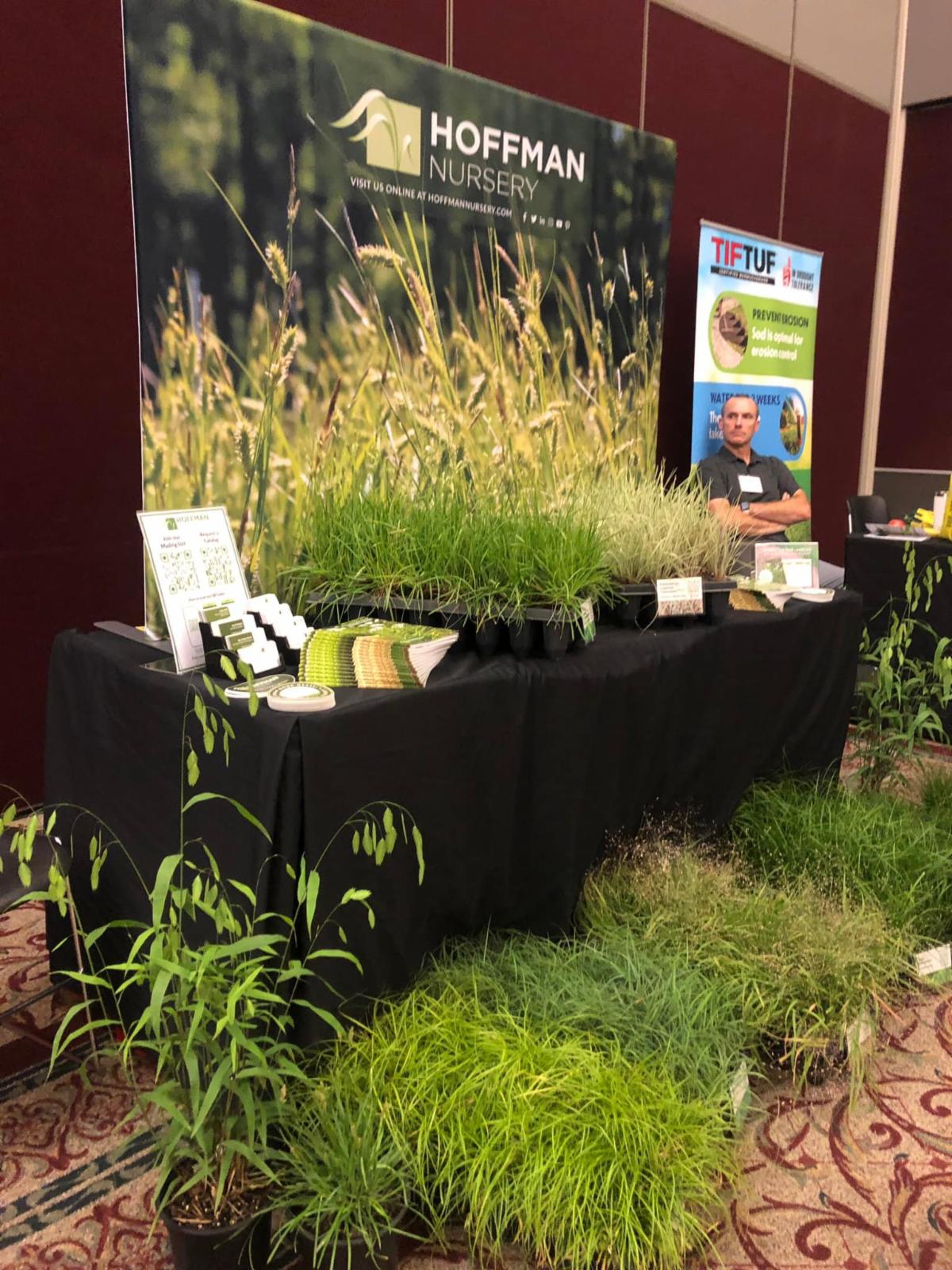
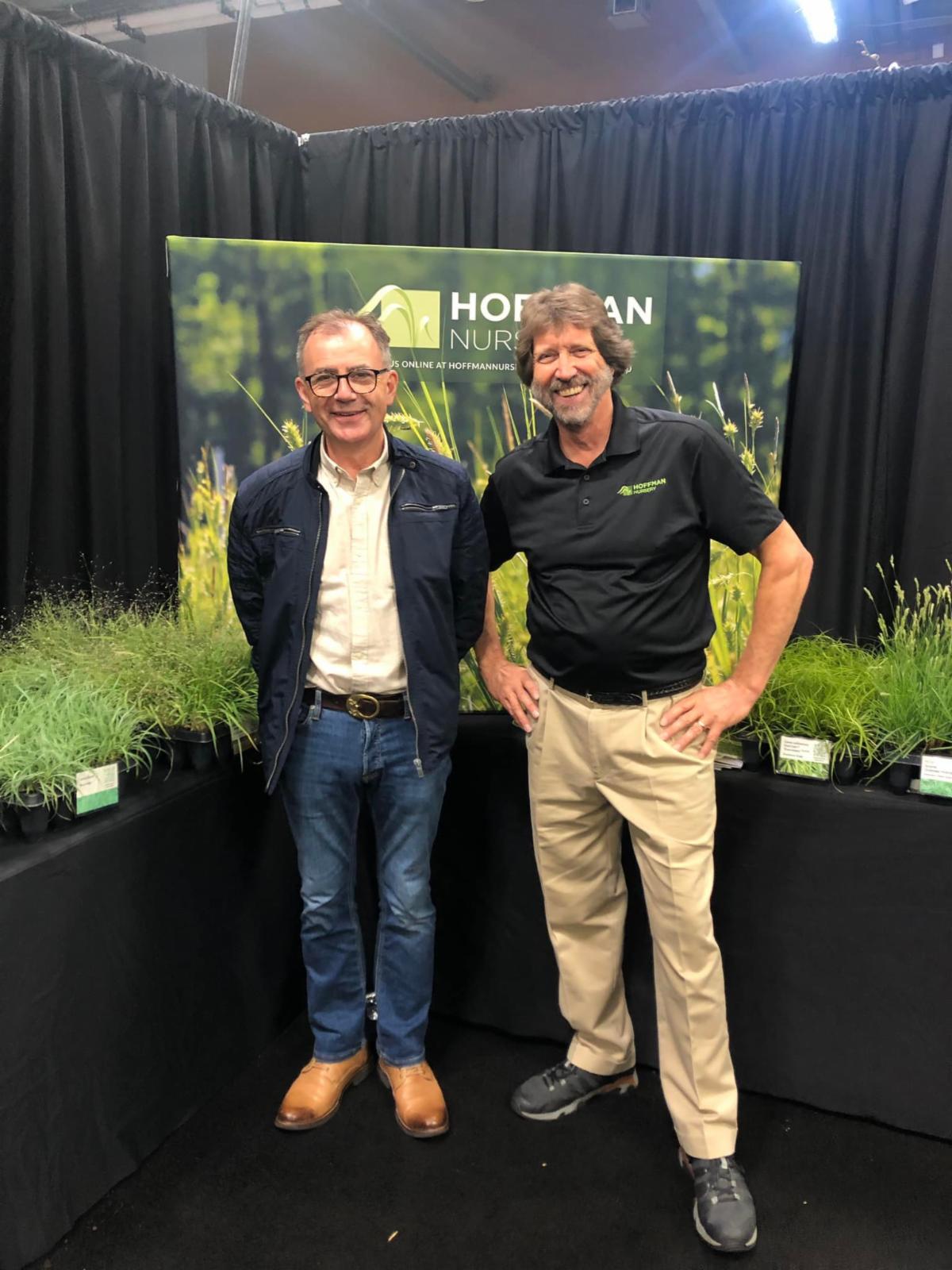
We've been on the road the past couple weeks attending Cultivate'22 and the NC Green Industry Council Water Symposium. Thank you to everyone who stopped by our booths and we look forward to seeing you again next year. Here are a few photos from our awesome adventures at both events. | |
State of the Industry Address | |
At Cultivate'22, Ken Fisher, Craig Regelbrugge and Dr. Charlie Hall assessed 2022 and provided projections for what 2023 may bring.
| | | |
|
Connecting to the younger generation by informing them that people who work in art, science, technology and business have a place in the horticulture industry.
| | | |
Improving Today for a Better Tomorrow | |
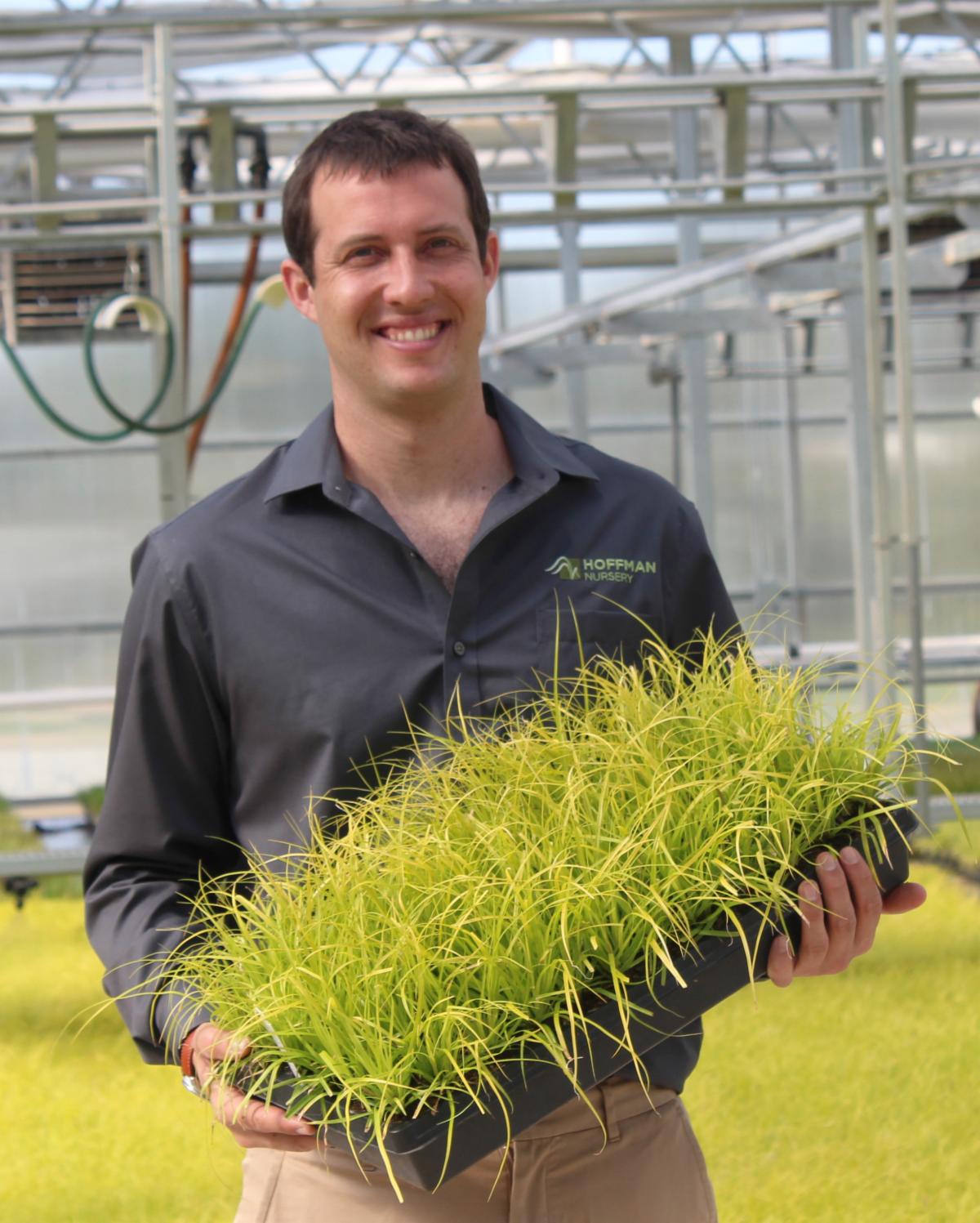
A Vision of Sustainability | As time marches on and the current industry leaders get older, eyes are turning to the younger generations rising through the ranks at growing operations across the country. As the chief operating officer at Hoffman Nursery, 32-year-old David Hoffman brings specific goals to the company’s leadership team, which includes his parents John and Jill, who founded the nursery in 1986. Like other young people, both in the industry and outside of it, Hoffman is concerned with sustainability. While Hoffman says that a commitment to sustainability has always been part of the nursery, it’s taken a new form since he’s become a leader at the business, saying that sustainability is “definitely becoming more and more of an opportunity.” | | | |
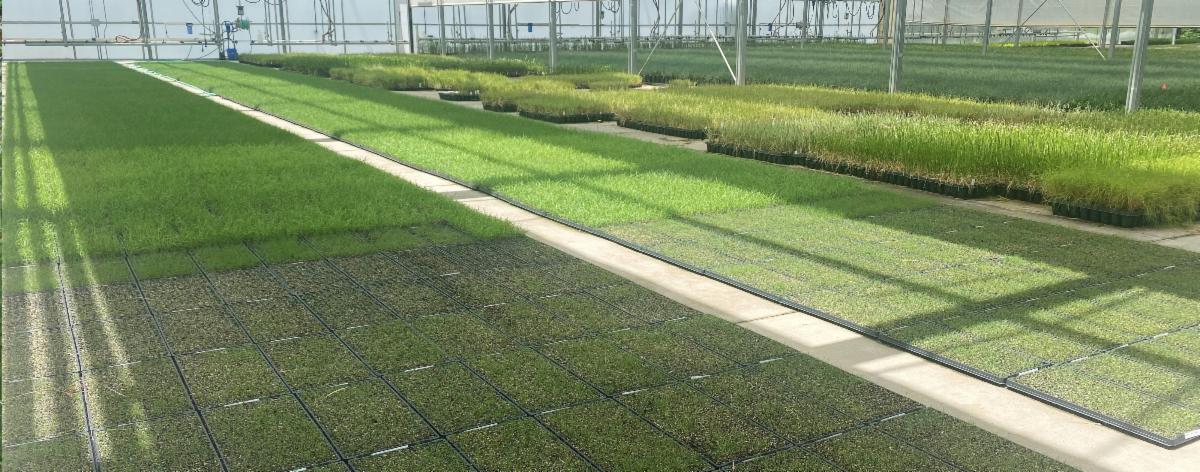
Across the grasses we grow, some varieties are slow to root or root inconsistently. Those crops required more time to finish and had to be sorted before shipping. Our solution is to use a product called a Growcoon. See how they work and why we are using them. | | | | |
|
|
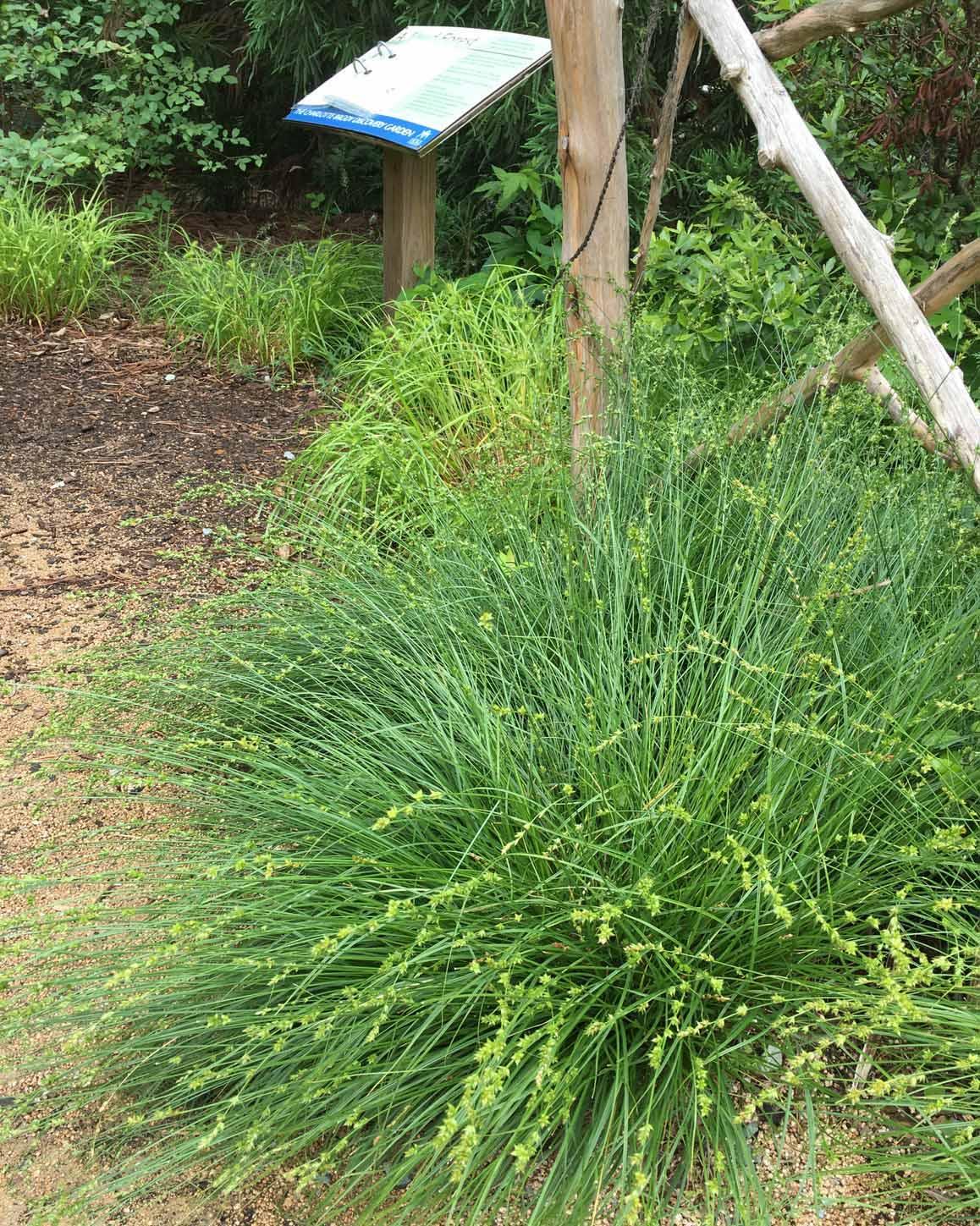
For a lush look, nothing tops a stand of Carex divulsa. It envelops the landscape in a bright green sea of texture, with arching clumps spreading two feet and narrow foliage intermingling. It functions perfectly as a backbone for large plantings, such as on slopes, in meadows, and wherever a groundcover is needed. This plant tolerates a wide range of conditions—heat and humidity, moist to boggy soils, clay or sandy soils—and can naturalize when happy.
See our Plant Profile
| | |
Grazing Native Grasses could Benefit your Cattle and Wildlife | |
A vast majority of pastures consist of introduced cool-season grasses such as fescues, Kentucky bluegrass, orchardgrass and timothy. Although orchardgrass and timothy can provide exceptional wildlife habitat and grazing potential, native grasses provide great thermal and predatory cover for wildlife, excellent brood rearing habitat for grassland nesting and upland game birds and lots of forage for wildlife and pollinators.
According to the University of Tennessee, to maximize the grazing potential of pastures, 10-35% of the total pasture acres should be converted to native grasses. Examples of common native grasses that thrive in a grazing operation include big bluestem, indiangrass, switchgrass, little bluestem and gamma grass. The best time to graze these species is June through August when optimal biomass is available which will allow cool season pastures to rest and stockpile them for winter and early spring forage.
| | | |
Going with Green Infrastructure | |
Laying the Groundwork for a Better, Cleaner Public School System with Green Roofs | |
Most adults thinking back on their school days likely do not have any memories from the roof of their school building—or if they do, they probably were not supposed to be there. But this could change if schools across the country are upgraded to have green roofs, which create natural spaces that are beneficial to students as well as to the environment and local communities.
Green roofs provide climate change mitigation and adaptation benefits that can protect human health, especially for children. They are a nature-based solution in which vegetation is grown on top of a building. This provides multiple benefits, from reducing building emissions through better temperature regulation to decreasing stormwater runoff and water pollution.
| | | |
Designing Green Roofs for Biodiversity | Thoughtful green infrastructure projects, including green roofs and living walls, are one important strategy to provide crucial habitat in cities. Although many specifics vary by region and climate, there are several basic things to consider when designing for biodiversity on green roofs. | | | |
|
August 1-5, 2022
Lancaster, PA
From tours of public and private gardens to education crafted for diverse industry interests, this is THE event for perennial plant people.
The National Symposium will be hosted at the Lancaster Marriott at Penn Square from August 1-5 of 2022, with tours exploring surrounding areas. Participants will have the opportunity to attend education, tours, socials, dinners, and a trade show and can choose to participate in the weeklong experience (Monday-Friday), or a three-day Core Symposium (Tuesday-Wednesday).
Hoffman Nursery is proud to be a year-round partner with PPA, and we hope to see you there!
Get more information and register here
| |
Join Our Team. We're Hiring!
As we grow more great grasses, our needs are expanding. We're hiring for several positions:
- Facilities Technician
- Director of Sales and Marketing
For descriptions and links to apply, visit our Open Positions page.
| |
|
Download Availability & Order Form
Prices for liners, number of liners currently in stock, and future availability are listed in PDF and Excel files. You may also use these as order forms. Need details on what the numbers mean? Learn more here.
| |
Join us for the best in grass-related content. | | | | | |