|
You had an interesting exchange with a podcaster about activism in journalism. You took the position that good journalism may create activism. But, good journalism always comes first. Can you talk about how that kind of commitment to journalism is shaping your work at Zan Times?
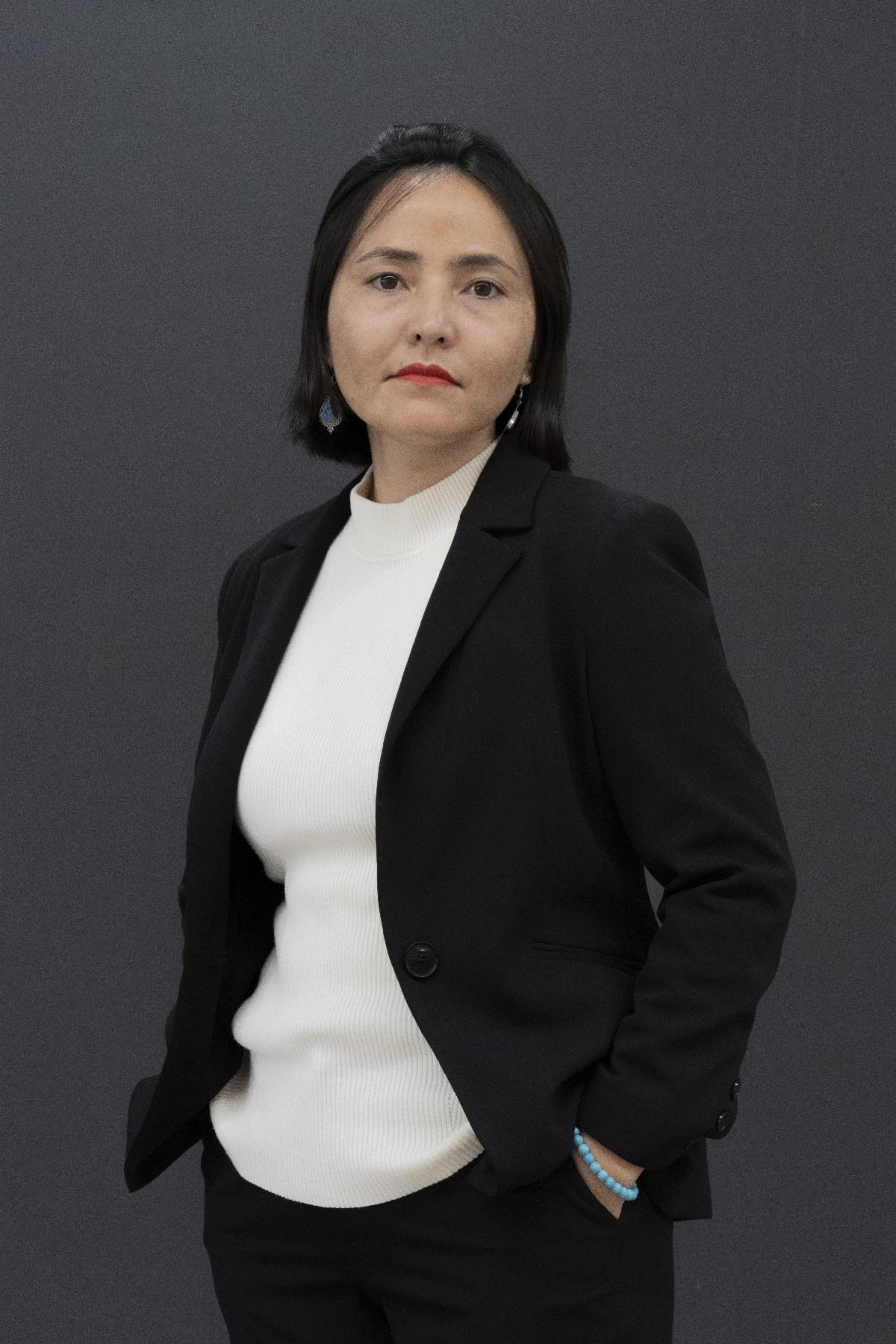
Nader: We say that we are the voice of the marginalized. And the marginalized are the people of Afghanistan; particularly, the group we cover is mostly women, the LGBTQ community, and the environmental crisis that is a disaster for all of us. We give the importance of the voice to women.
The Taliban is represented in our stories through a set of facts in a community that is suffering under the Taliban. The Taliban go on TV and say that everybody is lying except the Taliban. The facts of what the Taliban actually does speak for themselves. We want to make sure that the marginalized have a voice in that conversation also. The Taliban wants to erase that voice. As journalists, we want to make sure that even if this community cannot get out of their houses, even if we don’t see their faces – we hear their voices. Good journalism is at the center of what we do.
You have said that one of the founding principles of Zan Times is that too often the voices of women in Afghanistan are framed as victims – and they are – but that there is much more to their story, and that Zan Times is dedicated to presenting a more comprehensive and clear picture of the diversity and activity of this community.
Nader: At Zan Times, we are mostly, but not exclusively, women journalists. We believe the perspective that women bring to the stories of marginalized women in Afghanistan enlarges the story. It is not about bringing a bias to the story. The perspective of women journalists writing about women brings a different depth and understanding to the story. We see women in a great range of diversity — the daily lives that they lead, the hopes and dreams that they have — all playing out in the context of the marginalization they experience. These are bigger and deeper stories than the stories of victims.
About half a dozen of your journalists operate under pen names — no photos, no bios — because they are under real threat. Yet, they feel the work of journalism is so important that they are willing to take the risk. Can you talk about that level of commitment?
Nader: Our journalists are very much aware of the threats and the risks they take just by being a journalist in Afghanistan. We talk about that risk. We recently had a workshop on coping with trauma. One of my colleagues who works in northern Afghanistan said: “You know, every time I go out, I feel this is the last day I will go out because the Taliban will arrest me. But I go out anyway. I go out with lots of fear. And I think, why should I have to live like this in my own country? Why am I not able to do my job? Because I’m a woman. Because I’m a journalist.”
And, I tell them: We are journalists, and we can take women’s voices out into the world, and we are going to let the world know what is happening. When women see their stories are published, they feel empowered. And my colleagues feel that they are doing something that means so much, even though they might be contained within the walls of their house. There is a purpose every morning. There is hope. That makes them powerful.
As editor-in-chief of Zan Times, what advice and counsel do you give journalists around the globe who seek to advance freedom through the narratives of truth?
Nader: One thing I can say is that nobody is you. You know. You really know the place where your stories are coming from. You live the experience. That is singular to you. So, you are the one who can really tell that story. You know what you see, and you can help other people see what you see. You should be the person who brings that particular perspective to the world, and if you don’t, it might never be known.
And, I want you to always be sure that there are others who carry that experience in their hearts. When you are a human being, you are in search of meaning for your life. Sometimes you can find that meaning by telling particular stories that might be riskier, that might get you killed, but you feel the story is worth telling.
|