Wednesday Weblog for April 15, 2026 | | |
We all wonder what we are going to be when we grow up. I know I do. Recently, with the advice and encouragement of others, I decided to add another dimension to my career.
I am going to talk about "Observations at the Speed of Life, Lessons in Every Moment" and conduct Author Events and Keynote Speaker events featuring the book of the same name. In fact, I've already booked several events, mostly private, however there is an event on May 15th at the UMass Club in Boston, 1 Beacon Street, 32nd Floor, that is open to the public as well as members.
The event will be from 6 to 7:30 and every registered guest will receive a free paperback book. You can also order books, including the audiobook (which I narrated myself) and the e-Book using this QR Code.
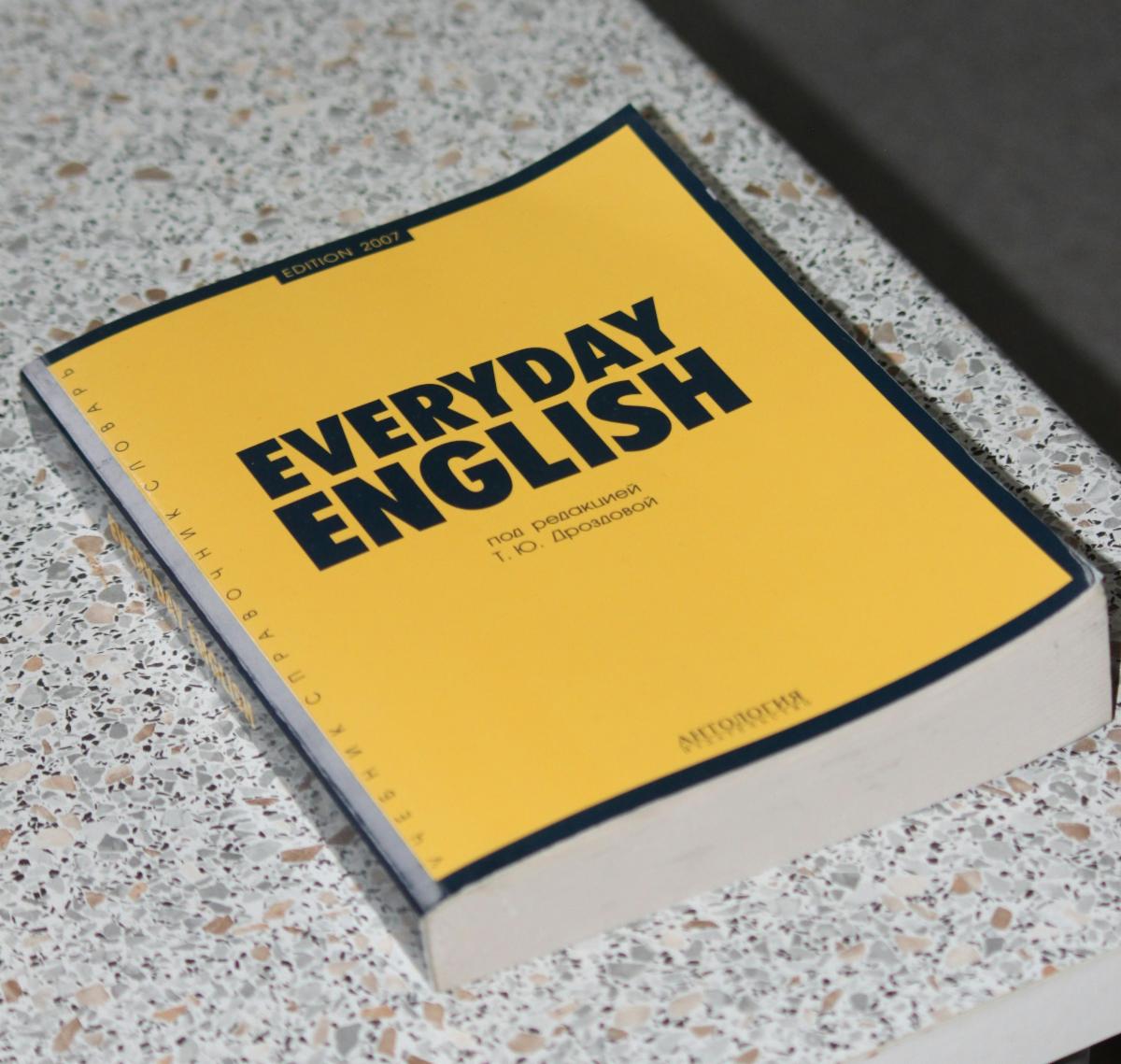
| | English is Hard to Unscrabble | | |
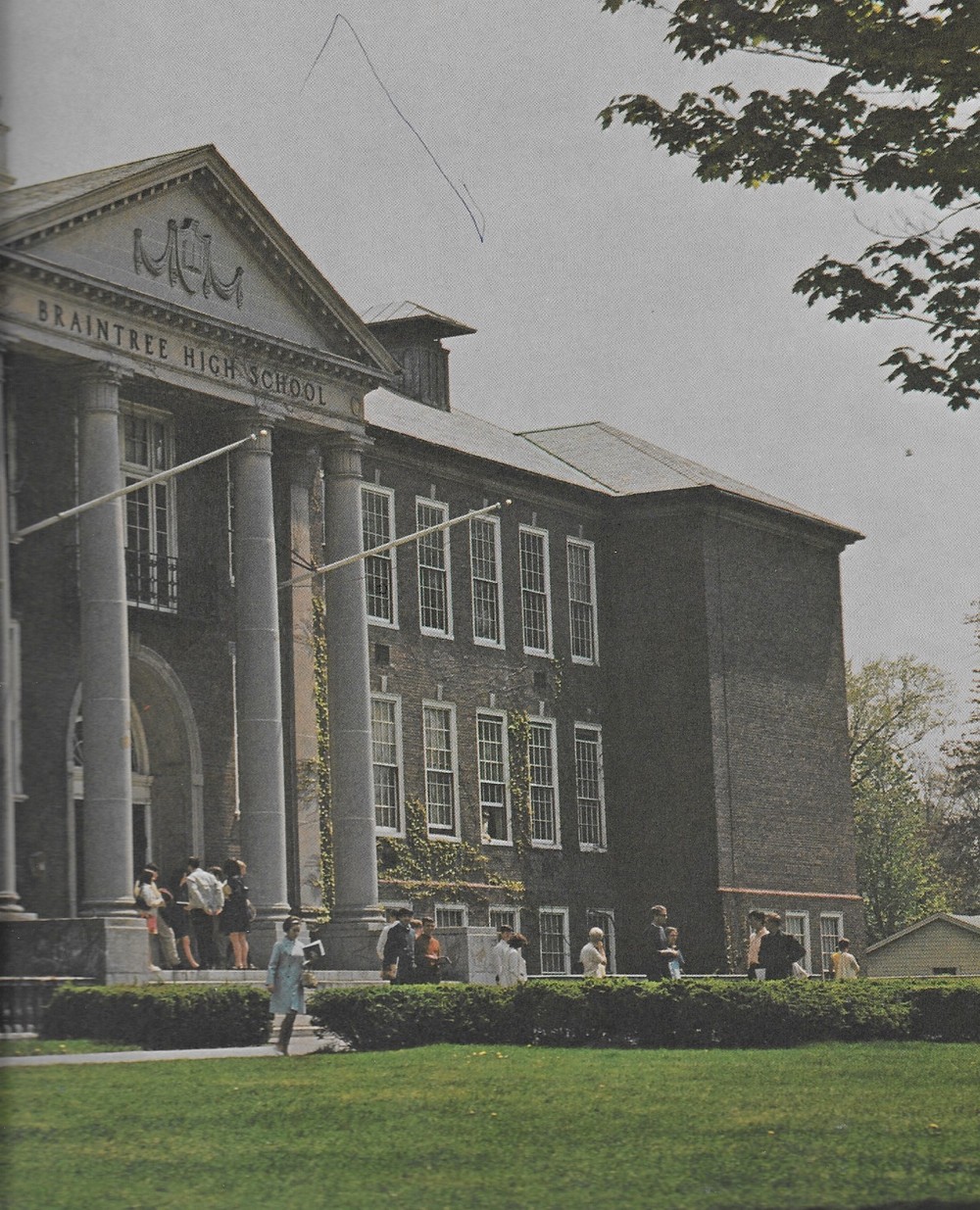
When I was in high school, I had exceptional English courses. They were so good, that they enabled me to receive 6 college credits for them before I started at the University of Massachusetts at Amherst.
I was a Freshman English Major who didn’t take any English courses. True story. In my sophomore year, I took several, including one regarding early American authors, including poet Emily Dickinson, who happened to have lived in Amherst.
I changed my major to Marketing on the day our class was scheduled to process from her house to her grave with each of us holding a rose. On that date, I realized English wasn’t for me.
| | That doesn’t mean that English doesn’t fascinate me. In fact, it does. I started researching inconsistencies in the language, and I’m about to share some facts that will impress and amaze your friends when you use them in conversation. | | |
There’s something quietly humbling about the English language. We use it every day. We rely on it to explain, persuade, teach, lead, and connect. It’s the tool behind nearly every conversation we have—and most of the decisions we make.
And yet, if you slow down and look at it—even briefly—you start to notice something.
It doesn’t always behave the way you expect it to. It bends rules. It ignores logic. It contradicts itself. And somehow, it still works.
I started thinking about this while collecting a few of those odd little facts about English—the kind that make you pause and say, “That can’t be right.” But they are.
Take “dreamt.” Often cited as the only common English word that ends in “mt.” It feels like it slipped through a crack in the system and no one bothered to correct it.
Or “facetious,” which contains all five vowels in perfect order. For one brief moment, the language lines up perfectly—then immediately returns to chaos.
Then there’s “almost,” a commonly used word with its letters in alphabetical order. You don’t notice it until someone points it out. After that, you see it every time.
And “bookkeeper.” Three consecutive double letters. Not because it’s trying to impress anyone—just because that’s how the word evolved.
| |
Some words don’t just follow unusual patterns—they stretch the meaning itself.
The word “set” has more than 400 meanings. It can describe a direction, a mindset, a collection, a performance, or a physical placement. One word, hundreds of uses—and somehow we usually know which one is intended.
On the other end of the spectrum, “strengths” manages to be one of the longest words with only a single vowel. It feels dense, efficient—almost engineered.
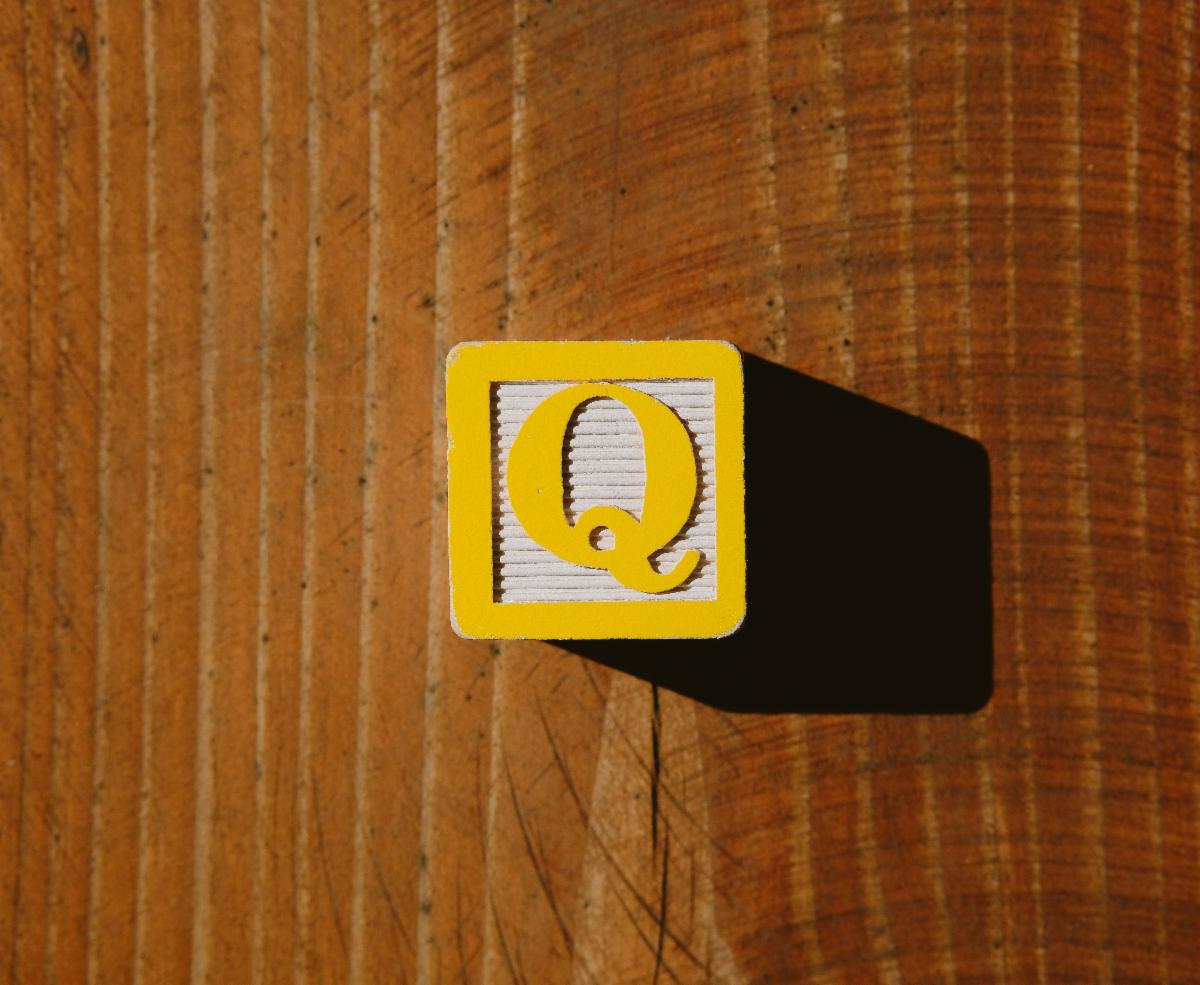
And then there’s “queue.” Pronounced like the letter Q, while the remaining letters wait patiently behind it. It may be the most literal example of a word acting out its own meaning.
English also has a way of holding onto its past—even when that past no longer makes sense.
Consider “knight.” The “k” is silent, but it wasn’t always. Or “debt,” where the silent “b” was added later to reflect its Latin origin. The language keeps these artifacts like souvenirs, even when they stop serving a practical purpose.
That’s why “colonel” is pronounced “kernel.” Why “Wednesday” sounds like “Wensday.” Why “island” carries an unnecessary “s.” English doesn’t clean up after itself. It accumulates.
| |
And then there are the contradictions—the ones that feel almost intentional.
- We drive on parkways and park on driveways.
- We recite in a play and play in a recital.
- We ship cargo by truck and send shipments by ship.
- We have fingertips, but not “toetips.” We can tiptoe, but we can’t “fingertoe.”
- We object to an object.
- We wind a clock and feel the wind on our face.
- We read a book today and say we read it yesterday—spelled the same, pronounced differently.
At some point, you stop looking for consistency and start appreciating adaptability.
Some of the most revealing quirks show up in spelling and sound.
Consider the cluster: through, though, thought, tough, thorough.
Same letters. Five completely different pronunciations.
Or the trio: there, their, and they’re.
Identical in sound. Entirely different in meaning. Context does all the work.
English asks the listener—and the reader—to participate. To interpret. To infer.
It’s not just a system. It’s a collaboration.
| |
Then there are the ironies—the small, almost mischievous ones.
The word “misspelled” is often misspelled.
The word “pronunciation” is frequently mispronounced.
It’s as if the language is reminding us not to take ourselves too seriously.
At the extremes, English stretches in both directions.
“Go.” A complete sentence. Direct. Efficient. No wasted space.
“I am.” Two words that can carry identity, presence, even philosophy.
And then, on the other end, words like
“floccinaucinihilipilification”—estimating something as worthless—using a word that feels anything but minimal. Or “pneumonoultramicroscopicsilicovolcanoconiosis,”
a technical term so long it feels like a test of endurance more than communication.
And perhaps the most famous example:
“Buffalo buffalo Buffalo buffalo buffalo buffalo Buffalo buffalo.”
Grammatically correct. Structurally sound. Practically unreadable.
A perfect reminder that correctness and clarity are not the same thing.
| |
The more I explored this, the more a pattern started to emerge. English works not because it is perfect—but because we’ve learned how to navigate its imperfections.
- We rely on context more than rules.
- We fill in gaps without realizing it.
- We interpret tone, emphasis, and intention in real time.
- We don’t need the system to be flawless—we need it to be functional.
And that’s where this becomes something more than a language observation.
There’s a leadership lesson hiding in here. Not everything we rely on—our processes, our systems, our organizations—will ever be perfectly designed.
- There will be inconsistencies.
- There will be contradictions.
- There will be things that don’t quite make sense on paper.
And yet, just like language, the system can still work—if the people inside it know how to navigate it. Clarity doesn’t always come from perfection. It comes from shared understanding. From experience. From people paying attention.
The English language isn’t clean. It isn’t consistent. It isn’t logical. But it is remarkably effective. And maybe that’s the point.
Because in the end, it doesn’t succeed by being perfect. It succeeds by being understood.
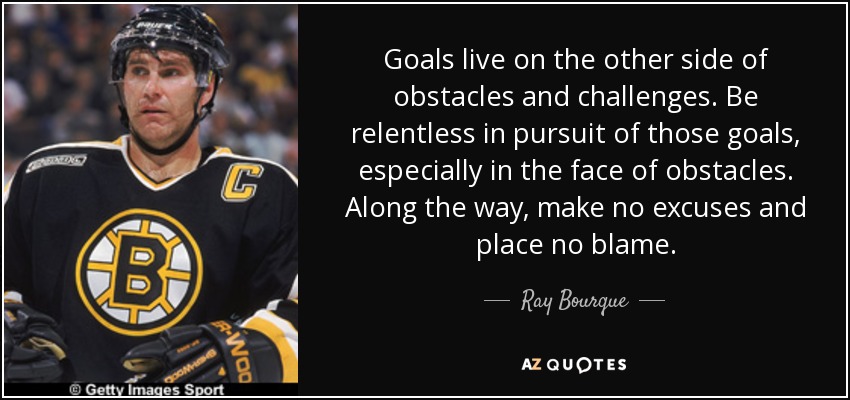
| | Surprise Photo at the End: Me & Hockey Hall of Famer Ray Bourque | | Joe's Positive Post of the Week | | Join the Smart Subscribers | | If you are reading this on a social media platform, click below and you'll automatically receive a 'different' story every week on Wednesday. | | |
The Roll Call of states and countries where readers reside: Arizona, California, Colorado, Connecticut, Delaware, Florida, Georgia, Hawaii, Illinois, Indiana, Iowa, Kansas, Kentucky, Louisiana, Maine, Massachusetts, Michigan, Mississippi, Missouri, Montana, New Hampshire, New Jersey, New Mexico, New York, North Carolina, North Dakota, Ohio, Pennsylvania, Puerto Rico, Rhode Island, South Carolina, South Dakota, Tennessee, Texas, Vermont, Virginia, Washington and Washington DC, Wisconsin plus Canada, Conch Republic, Australia and the United Kingdom.
| | Refer a friend to Sign Up for the Wednesday Weblog | | |
Ed Doherty
774-479-8831
www.ambroselanden.com
ed-doherty@outlook.com
Forgive any typos please.
| | | | | |