News and information to help journalists serve the public and stay safe. |
|
As news organizations and the nation have responded to the coronavirus pandemic and the protests following the murder by police of George Floyd, journalists have increasingly confronted the need for newsroom equity and a truer relationship with the communities they serve.
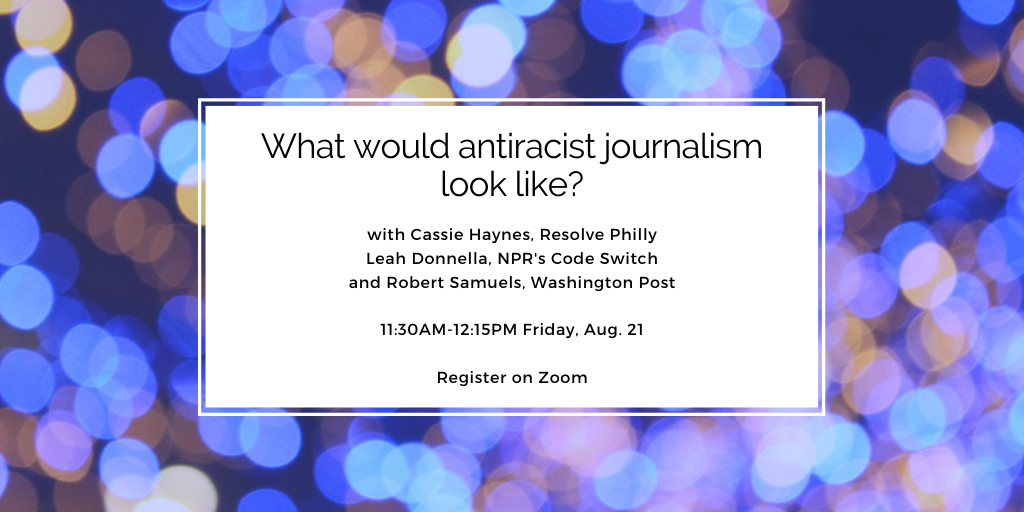
The National Press Club Journalism Institute and PEN America will co-host a program on “Equity and community in local news: Lessons learned in 2020” to identify and share takeaways from pandemic and protest coverage and to look ahead toward election coverage.
|
|
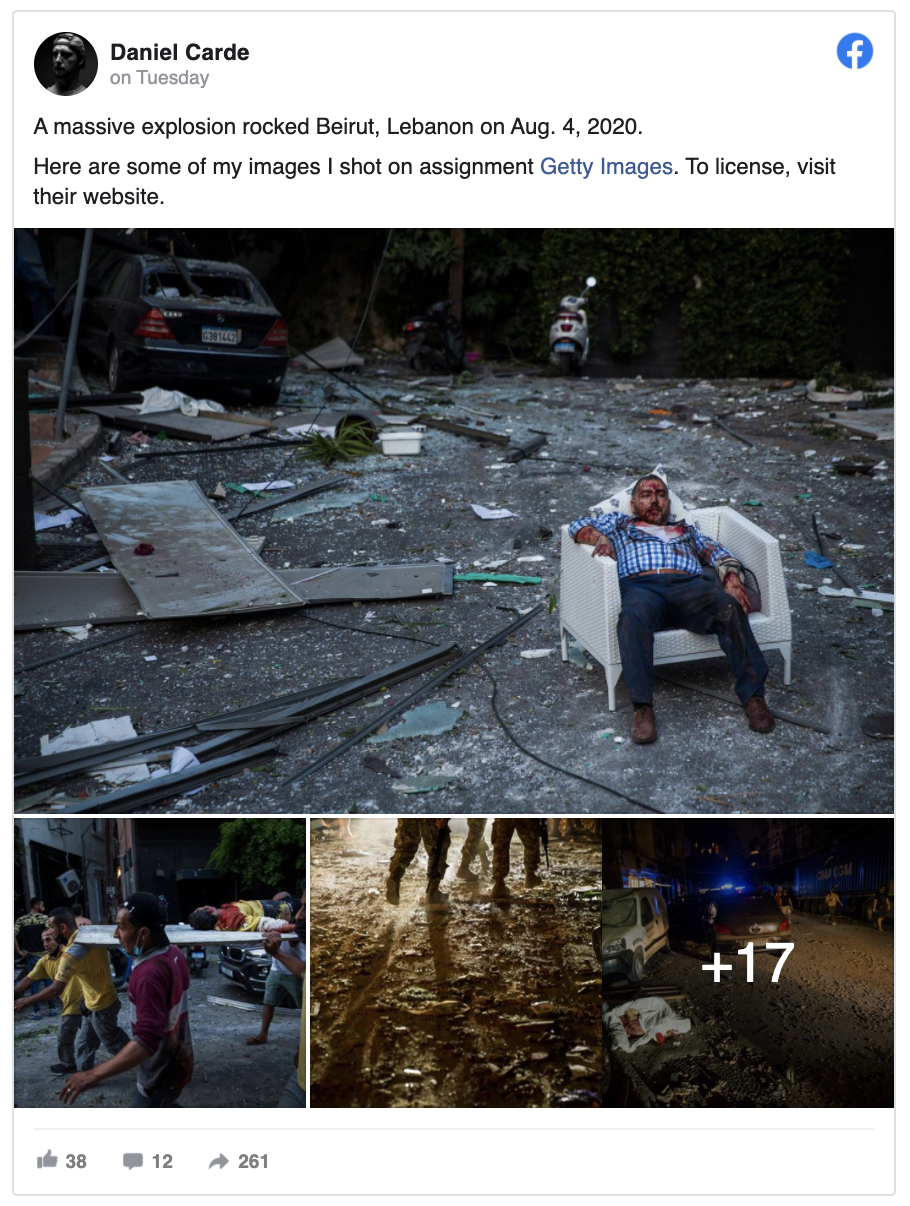
Daniel Carde and his girlfriend had just cut some basil from the balcony garden and gone to the kitchen to prepare dinner on Tuesday. Then the building started shaking.
“We first thought it was an earthquake, but then the building shook harder,” said Carde, an American freelance photographer who has worked out of Beirut, Lebanon, since February. “Then the shock wave hit. It blew things all around my apartment, and I thought our building had been bombed and was collapsing beneath us. After it was over, I thought we were going to die.”
“I took my phone and began filming what was happening for about a minute, then I went to grab my camera gear,” he said in an email interview Thursday. “It took me about 10 minutes to figure out where my camera equipment was. I knew I needed it but couldn't remember what I needed or where it was. ... My brain couldn't process anything.”
Carde and his girlfriend escaped their home with a few bumps, cuts and bruises but otherwise physically unharmed. His building remains standing. But the emotional toll is high.
“I need more time to process everything that is going on. To me, going out and photographing is keeping me sane,” he wrote. “For others, it might be the worst thing for them.”
Immediately after the explosion, Carde thought only about needing to photograph what was happening.
“As I got closer and closer to the epicenter, it changed,” he wrote. “At first it was the destruction, then the people affected. That's who I wanted to focus on.”
Carde has continued documenting the crisis and its impact for Getty Images. When he’s not photographing, he is assisting his friends as they secure new housing; they are among the hundreds of thousands of residents who have been left homeless. After Carde shared with Beth Francesco, his former college media advisor at the University of Texas at Arlington, that he was safe, they talked about his work in this email Q&A.
Was there any scene you didn’t photograph; that is, that you actively chose not to include?
Carde: No, there was nothing I chose not to photograph, I felt everything was important to show. I saw a man who was killed and his body was wrapped up in a sheet, so I took my time before I photographed him. I wanted to show him in a way so his family couldn't identify him or that didn't solely focus on his death but placed him in the scene. I later saw horrendous footage of bodies ripped apart. Had I seen that, I would have photographed it. I think the carnage needs to be seen to show how serious this incident is. I would have looked for the most humane way to photograph them though.
Knowing you and your instincts to help, especially with your military training and background, what are some of the challenges you are facing now? How do you decide between documenting and helping?
Carde: My job is to photograph, I remember feeling that after the explosion. My girlfriend was crying, saying, ‘We need to leave,’ and I felt horrible about telling her I can't go with her. In my head, I kept thinking: My job is to be out there covering what is happening to us. As far as helping others, first and foremost, I need to make sure I can live with myself at the end of the day. I'd rather not make the image and help then do nothing and have regret. If no one can help another person, I will step in; if someone's life and limbs depend on me, I will help. If someone is there who doesn't know as much first response stuff as I know, I will step in.
|
|
|
As racism and the treatment of people of color in and out of newsrooms has surged to the forefront of conversations, against the backdrop of a pandemic that disproportionately impacts people of color, journalists face many questions: When do ‘objectivity’ and ‘neutrality’ mask inequity? How do journalists move from covering protests to systemically telling stories that root out racist treatment in health care, education and other social spheres? And how can journalists practice antiracism in their everyday work?
|
|
The National Press Club Journalism Institute is spotlighting the next generation of journalists, students who graduated from college or Master’s programs this spring into a challenging job market. We hope they’ll meet future bosses and colleagues here, who will reach out and support them in building journalism’s future together.
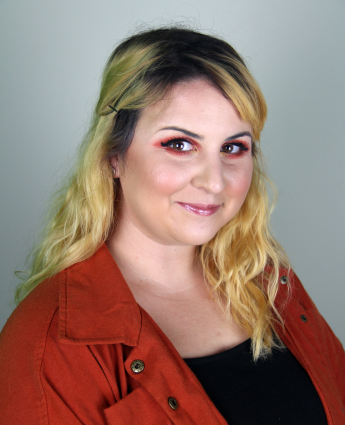
School: Texas A&M University-San Antonio
Location: San Antonio, TX
What's been your best moment in journalism?
Pichler: Other than being on such an amazing team at The Mesquite, my favorite moment (and quite possibly my most challenging) was writing a profile on a sex trafficking survivor. She spoke at our university, and I was too sick to attend. However, I took the profile over and received a recording of her full speech. I took a few hours to transcribe the whole thing so I could really get myself in tune with her story. I ended up listening to it at least 20 times and even had the opportunity to have a phone conversation with her. To be able to tell her story and work to make it to where she would feel justified was such a feat. After it was published, she texted me and said the profile made her cry and that it was the most amazing piece she had read about her. To hear that was something that made my heart soar and a moment I'll never forget.
What's the wackiest story you've worked on?
Pichler: I took it upon myself to write a review on the Netflix show, “Tiger King.” The Mesquite has a column called "The Interest" where we write reviews on all sorts of things. During the quarantine, like many others, I became fascinated with the new show and all the chaos within it. Writing the review was a bit wacky as the show is itself. Trying not to include spoilers but at the same time trying to explain what it was about was so hard! But in the end, it's a review I'm incredibly proud of.
|
|
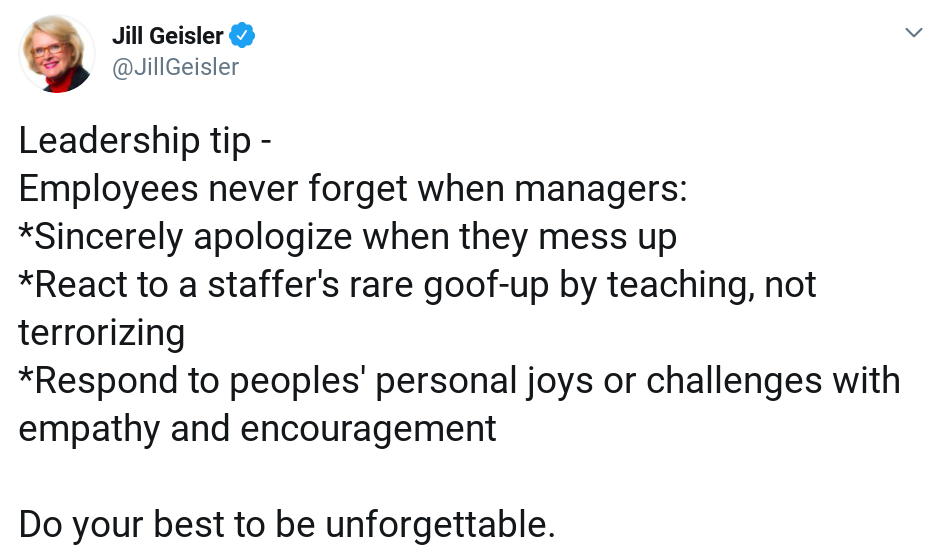
While great bosses do great things their teams never forget, some bosses do things their teams never forgive: Lying — knowingly, intentionally, repeatedly; taking undeserved credit for the team’s work; acting like one person with the team and a different person with their boss and higher-ups. It isn’t your title that earns trust, it’s how you lead, every day.
Advice from Jill Geisler, Bill Plante Chair in Leadership & Media Integrity, Loyola University Chicago, Freedom Forum Fellow in Women’s Leadership
|
|
|
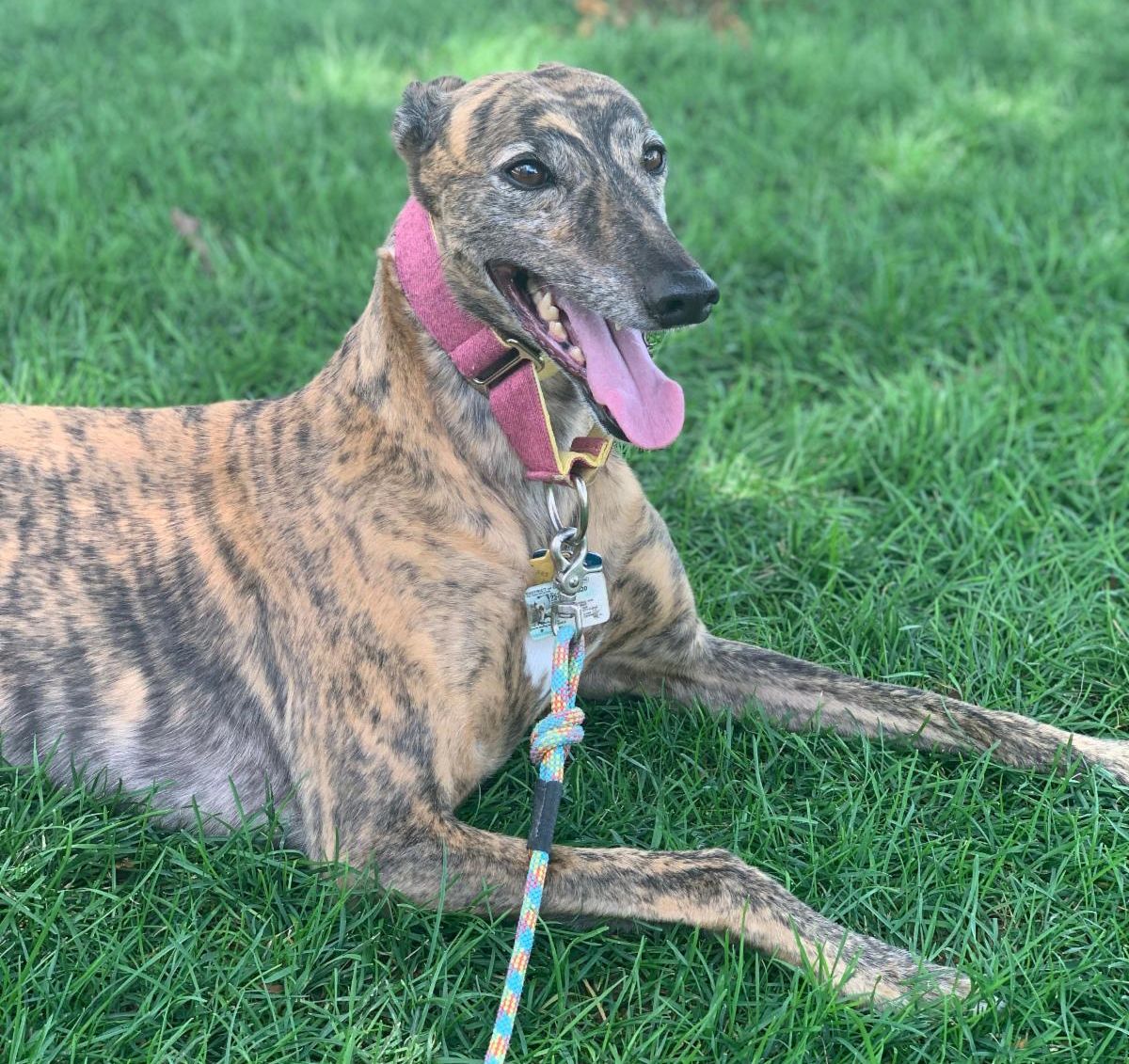
But if you don’t — or can’t — have a pet at home, there are still ways to bring the joy of animals into your day.
And yes, it’s totally fine if you prefer to be in the company of your pets rather than humans right now.
|
|
This newsletter is written & edited by the National Press Club Journalism Institute staff: Beth Francesco, Holly Butcher Grant, Jim Kuhnhenn, and Julie Moos. Send us your questions and suggestions for topics to cover.
|
|
|
|
|
|
|