Newsletter — July 09, 2026 | | |
IN THE NEWS
POLICY
ECONOMY
ON THE LOCAL FRONT
POLITICAL NEWS
RETAIL THEFT & PUBLIC SAFETY
TRENDS
| | |
Celebrating Alesha Shemwell's service as Interim CEO
June 30 marked the conclusion of Alesha Shemwell's service as Interim CEO of the Washington Retail Association (WR), closing an important chapter in the association's history while beginning an exciting new one.
When WR entered a leadership transition in December 2025, Shemwell stepped into the role with a commitment to ensuring the association continued to move forward. Drawing on more than two decades of executive retail leadership experience and her deep knowledge of WR as a former Board Chair, she provided the steady leadership needed during a pivotal time.
Over the past seven months, Shemwell did more than guide WR through a transition. She helped position the association for long-term success by maintaining operational stability, advancing advocacy efforts, strengthening member engagement, and supporting the dedicated staff and Board of Directors. Thanks to her leadership, WR not only maintained its momentum but emerged from the transition stronger and ready for the future.
Her willingness to step into an unexpected role exemplifies the servant leadership and dedication that have defined her career. She provided confidence, continuity, and a clear vision at a time when it mattered most, helping create a seamless path for WR's new President and CEO to build upon.
While her time as Interim CEO has come to a close, Shemwell's involvement with WR is far from over. She will continue serving the association in a Retail Advisory position on the WR Board, where her industry expertise and institutional knowledge will remain valuable assets as WR continues to advocate for retailers across Washington.
On behalf of the WR Board of Directors, staff, and members, thank you, Alesha, for your leadership, generosity, and unwavering commitment to Washington's retail community. Your impact on WR will be felt for years to come, and we look forward to your continued contributions in your new advisory role.
| | |
"Surveillance Pricing" Policy May Be Heading for Seattle
A new category of retail policy is cropping up across the country, and Washington is squarely in the mix. By spring 2026, legislative trackers counted more than 40 bills across two dozen-plus states targeting what's commonly called "surveillance pricing." The practice (also called personalized, individualized, surge, or algorithmic pricing) allegedly uses data about a specific consumer including location, device, or purchase history, to tailor a price to that individual.
New York enacted the first disclosure law, requiring notice when an algorithm uses a shopper's personal data to set a price, and Maryland became the first state to ban the practice outright for grocery and food delivery. Washington joined the wave this year: during the 2026 session, state lawmakers introduced companion bills (HB 2481 / SB 6312) with similar goals — banning data-driven personalized pricing on groceries, restricting surge pricing on essential goods, and banning the use of electronic shelf labels.
Now the issue is moving to the local level. The Seattle Mayor's Office has signaled interest in pursuing a "Fair Pricing & Transparency" ordinance at the city level that would affect retailers, particularly grocers — and by default the customers they serve.
Where Washington Retail Stands
WR supports banning discriminatory pricing. The industry is not asking us to defend a policy of charging someone more for the same product because of who an algorithm thinks they are.
Our concern is how these policies are written — and here, the drafting isn't a technicality. It's the whole ballgame. Broad or ambiguous language can produce real unintended consequences for the very retailers and customers these measures intend to help:
-
It can sweep in ordinary, pro-consumer practices. Definitions that don't distinguish individualized pricing from routine store-level or demand-based pricing risk banning loyalty discounts, digital coupons, senior and student pricing, and markdowns on food nearing its sell-by date. The likeliest response to legal uncertainty isn't more transparency, it's limiting or pulling personalized discounts from the market altogether, leaving shoppers paying more.
-
It can create litigation exposure that outruns the harm. Broad, ambiguous rules enforced through civil litigation can balloon far beyond any actual consumer injury — pressure that lands hardest on thin-margin grocers.
-
It can chill legitimate activity and useful technology. When retailers can't tell which everyday practices are lawful, they could ban practices that benefit consumers.
None of this argues against acting. It argues for acting precisely: defining prohibited conduct narrowly, protecting the practices consumers rely on, and calibrating enforcement to real harm.
The retail community is aligned on the goal. Whether these measures protect consumers or produce collateral damage for the stores and shoppers they're meant to help comes down to the words on the page. WR is committed to working with lawmakers at every level to get this policy right.
WR is tracking surveillance pricing proposals at the city, state, and national level. Questions about how these and other policy proposals could affect your business? Contact the WR Policy & Government Affairs team.
| | |
Repeal effort for Washington’s income tax moves toward November ballot
A campaign to repeal Washington's newly enacted income tax has taken a major step toward appearing on the November general election ballot.
Supporters of Initiative 645 submitted 511,408 signatures to the Washington Secretary of State on July 2, well above the 308,911 valid signatures required to qualify. Election officials will now verify the petitions, a process expected to take about two weeks. If enough signatures are validated, voters will decide the measure in the Nov. 3 election.
The initiative would repeal the State's recently approved 9.9 percent tax on adjusted gross income above $1 million for Washington households. The tax, approved by the Legislature earlier this year, is scheduled to take effect in 2028, with revenue collections beginning in 2029 if it remains in place. Lawmakers estimate the tax would generate between $3 billion and $4 billion annually to support the state operating budget, including funding for K-12 education, higher education, health care, corrections, foster care, childcare, and early learning programs.
Supporters of Initiative 645 argue the measure will give voters the opportunity to reject what they view as a new state income tax and have raised concerns about future expansion of the policy. Opponents contend that repealing the tax would reduce funding for public services while leaving other tax relief measures in place, creating a significant budget gap.
The proposal is also the subject of separate legal challenges filed by business owners who question its constitutionality under longstanding Washington Supreme Court precedent regarding income taxes. Those cases are expected to proceed independently of the ballot measure.
| | |
Ferguson forms economic council amid concerns over Washington economy
Gov. Bob Ferguson has signed an executive order creating a 26-member Governor’s Economic Development Council to advise his administration on improving Washington’s economic competitiveness and shaping a statewide development strategy due next year. The announcement comes as state leaders confront signs of economic strain, including slower-than-expected job growth, an unemployment rate above the national average, and continued layoffs in the technology sector. Some businesses have also raised concerns about leaving the state amid cost and regulatory pressures.
The council will bring together leaders from business, labor, and government, including representatives from major employers such as Microsoft, Boeing, and T-Mobile, as well as labor organizations and state officials. Ferguson said the group is intended to provide candid discussion and practical recommendations on how Washington can strengthen job creation, attract new businesses, and address barriers to growth. The governor said he plans to attend each quarterly meeting and noted the state has not convened a similar panel in about two decades.
State fiscal challenges are also shaping the backdrop for the effort. Washington has faced recent and regular budget shortfalls addressed through a mix of large tax increases and limited spending cuts, and credit rating agencies have cautioned about reliance on one-time budget solutions. A further gap is projected in 2027. Ferguson said maintaining the state’s strong credit rating is a priority as he prepares his first two-year budget proposal.
Business groups have expressed concerns about rising costs, regulatory complexity, and policy uncertainty. Recent survey data cited by business organizations indicates many employers view taxes as a major challenge, with a significant share expecting a possible recession in the coming year. At the same time, some leaders have pointed to the need for more predictable policy conditions to support investment and hiring decisions.
Ferguson said the council will also evaluate Washington’s competitiveness compared to other states and identify strategies to improve economic performance. While acknowledging challenges, he said Washington retains strong economic fundamentals and productivity. He emphasized that future policy decisions should better reflect their impact on businesses and overall job creation across the state.
| | |
Early shopping marks start of 2026 back-to-school season
Students may feel as though they have just put their pencils down, but many families are already preparing for the next academic year. New consumer data shows back-to-school shopping is beginning earlier than in previous years, signaling an extended shopping season and evolving household planning habits.
About one-third of shoppers had already begun browsing and purchasing by early June, the highest level recorded since the National Retail Federation began tracking the question in 2018. While all age groups showed some increase in early shopping, younger consumers, particularly Gen Z and Millennials, led the trend with a more pronounced shift toward earlier purchasing.
It may be that these consumers are more prepared this year than in the past, as 44 percent had already received school supply lists by early June, compared with 38 percent in the previous year.
Retailers and industry observers note that the shift toward earlier shopping can help families spread out spending, while also giving retailers a longer window to manage inventory and promotions.
The National Retail Federation will host a 2026 Back-to-School Consumer Trends webinar on July 21 at 10 a.m. Pacific time to explore spending patterns, shopping behavior, and household priorities.
With nearly one-third of shoppers already engaged in back-to-school purchasing, analysts expect continued momentum through midsummer as families respond to sales events and retailer promotions. Early activity also suggests a shift in budgeting strategies, with consumers spreading purchases across a longer period rather than concentrating spending in late summer.
Retail data indicates that availability of school supply lists and anticipation of price changes are key factors influencing timing. Industry observers will continue monitoring how inflation, promotions, and household planning affect final back-to-school spending totals as the season progresses into August and early September.
| | |
Seattle growth slows sharply after years of expansion
Seattle’s long period of rapid population growth has slowed significantly, according to new estimates from the Washington Office of Financial Management. Between April 2025 and April 2026, the city added about 6,800 residents, bringing its total population to 823,400. That represents a growth rate of roughly 0.8%, a notable decline from annual increases above 2% earlier in the decade.
From 2021 through 2025, Seattle consistently posted strong gains, with yearly growth ranging from 2.2% to 2.7% and net increases of roughly 16,700 to 20,100 residents annually. The latest estimate marks a return to growth levels last seen during the early pandemic period, when the city’s expansion briefly slowed.
The state’s figures differ from federal estimates, which have generally shown more conservative growth for Seattle in recent years. Differences stem from methodology and timing, with state estimates measured as of April 1 and federal estimates typically using July 1 benchmarks.
While Seattle’s growth decelerated, surrounding communities continued to expand, though at varying rates. In King and Snohomish counties, smaller cities and suburban areas saw stronger gains. Stanwood and Carnation each posted growth above 4%, while Gold Bar grew about 3%.
Among larger cities with populations over 10,000, Snohomish led regional growth at about 2.6%, followed by Woodinville at 2.1%. Marysville, Shoreline, and Tukwila also posted modest increases ranging from 1.4% to 1.6%.
In contrast, Bellevue saw minimal change, growing just 0.2% to reach about 158,300 residents. Overall population growth in King County slowed from 1.4% to 0.5%, mirroring Seattle’s broader cooling trend.
Statewide, Washington added approximately 61,200 residents, bringing its total population to about 8.18 million. The 0.75% growth rate marks one of the slowest increases in decades.
Analysts note that immigration has been a key driver of regional population growth in recent years, and recent declines in international migration may be contributing to the slowdown. It remains unclear whether Seattle’s reduced growth represents a temporary shift or a longer-term trend.
| | |
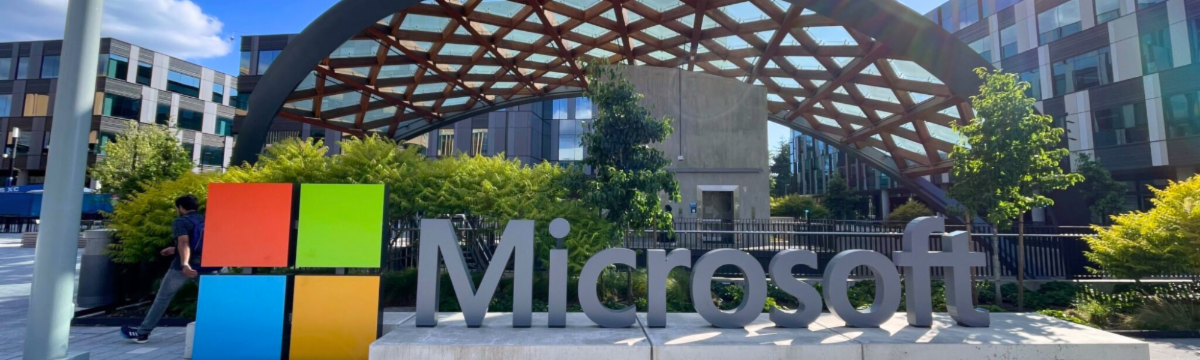
Microsoft restructures workforce with 605 job impacts in Washington state
Microsoft is reducing approximately 4,800 positions globally, including 605 jobs in Washington state, as part of a broader restructuring tied to shifting business priorities and continued investment in future product development.
The Washington-based reductions represent a small portion of the company’s overall presence in the state, where Microsoft reports a workforce of about 52,000 employees. Company leaders say the statewide workforce has remained relatively stable over the past year due in part to internal hiring and redeployment efforts, including roughly 600 employees in Washington moving into new roles.
The latest cuts affect multiple divisions, with significant impacts on Xbox and sales operations. About 1,600 positions within Xbox are included in the global reductions as the gaming division adjusts its organizational structure and responds to evolving market conditions. Leadership has indicated additional adjustments may continue over the next fiscal cycle as the business aligns resources across its portfolio.
Microsoft has also used voluntary retirement programs and internal transfers to manage staffing levels while attempting to retain institutional knowledge. In internal communications, the company emphasized that many affected employees are being considered for other roles where possible, reflecting an ongoing effort to keep talent within the organization.
While the reductions are concentrated in specific business units, Washington state remains central to Microsoft’s global operations footprint. The company continues to invest heavily in cloud infrastructure, product development, and engineering capacity across its Puget Sound campuses, even as it rebalances staffing across teams.
Analysts describe the changes as part of a broader technology sector recalibration, where major firms are adjusting organizational structures while making long-term investments in platform growth and operational efficiency. For Washington, the immediate impact is felt in targeted job losses, but broader employment levels at Microsoft in the state remain steady due to internal mobility and ongoing hiring in other areas.
The restructuring reflects a company in transition, working to align workforce needs with long term strategic priorities while maintaining its large employment base in Washington and continuing development across its core business segments.
| | |
State elected officials receive salary increases
Washington's governor, attorney general, and state lawmakers received salary increases on July 1 under a compensation schedule approved by the Washington Citizens' Commission on Salaries for Elected Officials, an independent panel created by voters in 1987 to determine pay for elected officials.
The commission approved a two-year salary schedule in 2025 that includes annual cost-of-living adjustments for members of the executive, legislative and judicial branches, along with additional increases for selected offices.
Gov. Bob Ferguson and Attorney General Nick Brown each received a 7% salary increase this year, matching the increase they received in 2025. Ferguson's annual salary is now $234,275, about $30,000 higher than when he took office in January 2025.
State lawmakers also received a 7% increase this year, following a 6% raise in 2025. Legislative salaries now stand at $72,494 annually, an increase of about $10,000 over the past two years. Leaders of the four legislative caucuses continue to receive additional stipends for their leadership responsibilities.
Washington's other statewide executive officials, including the lieutenant governor, secretary of state, state auditor, superintendent of public instruction, insurance commissioner, treasurer, and commissioner of public lands, received only the scheduled cost-of-living adjustments.
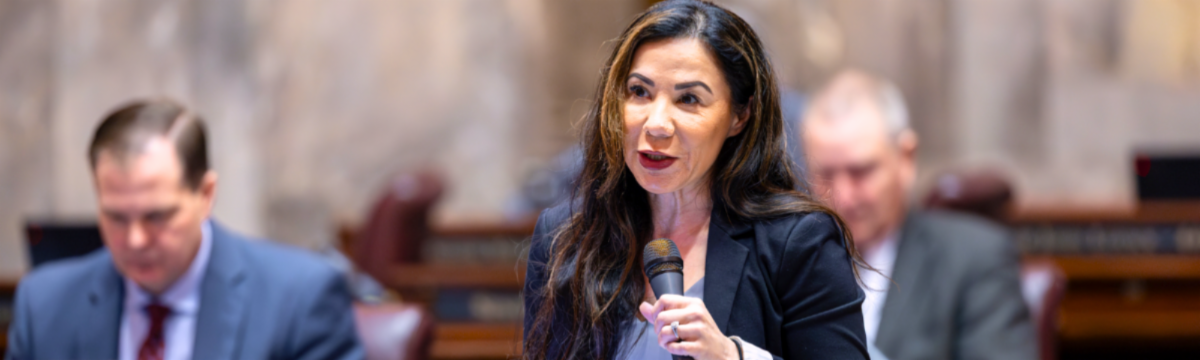
During the commission's deliberations, supporters of higher legislative salaries argued that compensation should better reflect the workload and responsibilities of serving in office. Denny Heck said legislative responsibilities extend beyond the state's constitutional description of a part-time legislature. Sen. Yasmin Trudeau also argued that competitive salaries can help attract candidates from a broader range of backgrounds, including working parents, small business owners, and younger adults.
The commission is expected to begin reviewing salary recommendations for 2027 and 2028 when it meets later this year.
| | Image: Washington Senate Republican Caucus | |
Arrest made in suspected stalking of Tri-Cities senator’s daughter
A 21-year-old Kennewick man has been arrested in connection with a suspected politically motivated stalking of the adult daughter of Washington state Sen. Nikki Torres (R-15), according to court and police information.
Sen. Torres said her daughter first observed the man outside her Pasco home on April 30 and contacted police. Authorities reported the suspect’s vehicle had been seen near the residence multiple times over the preceding three days. The individual has since been charged in Franklin County District Court with stalking, a gross misdemeanor.
Police have said details remain limited as the investigation continues. A no-contact order has been issued to protect Torres’ daughter.
The case has drawn attention in the Tri-Cities as questions emerge about the suspect’s alleged motive. According to public comment cited in Franklin County, the individual may have been attempting to gather information related to challenges to Torres’ voter registration and eligibility to run for office. Torres has stated the property where the incident occurred is owned by her but not her residence, and she has described the situation as distressing.
Separately, a voter registration challenge has been filed questioning whether Torres meets residency requirements for her legislative district. County officials are reviewing the complaint under state law timelines, which could affect her eligibility to run for office in the 8th Legislative District.
The Franklin County Sheriff’s Office and Pasco Police have not released additional details, citing the ongoing nature of the investigation. Court records indicate the defendant has been charged but not convicted, and he has declined to comment through media inquiries. Officials noted that voter eligibility challenges in Washington follow strict deadlines and review processes, and final determinations are made under state election law.
Authorities emphasize the matter remains under review and further information may be released as proceedings continue in court process.
| | |
National Retail Federation announces 2026 policy priorities
As Congress balances a shortened legislative calendar with budget deadlines and the approaching 2026 midterm elections, several federal policy issues remain front and center for the retail industry. The National Retail Federation is monitoring these developments as lawmakers continue debating legislation that could affect retailers nationwide.
One of the most closely watched measures is the Combating Organized Retail Crime Act (CORCA), which passed the U.S. House of Representatives with bipartisan support. The legislation seeks to strengthen coordination among federal, state, and local law enforcement agencies to combat organized retail crime, including coordinated theft, cargo theft, return fraud, and gift card fraud. Supporters say the bill would provide additional tools to investigate and prosecute criminal organizations while improving safety for retail employees and customers.
Congress is also considering the Credit Card Competition Act, which would require the nation's largest credit card issuers to enable multiple payment networks on credit cards. Proponents argue the proposal would increase competition, provide merchants with greater routing options, and help reduce payment processing costs.
Other issues receiving attention include proposals to establish a national consumer data privacy standard that would replace the current patchwork of state laws with a single federal framework. Retail organizations have also called for federal guidance as businesses prepare for the phaseout of the penny, including consistent cash rounding practices and clarification for SNAP and EBT transactions.
On labor policy, the House approved the Faster Labor Contracts Act, which would establish timelines for negotiating first union contracts and require mediation followed by binding arbitration if agreements are not reached. Business organizations have raised concerns about the expanded role of government-appointed arbitrators in the bargaining process.
Additional federal discussions include immigration, tariffs, and protecting retail technologies that rely on radio spectrum used by inventory management, point-of-sale systems, and other critical store operations.
| | |
State attorneys general strengthen fight against organized retail crime
State attorneys general are taking on a larger role in combating organized retail crime, creating new opportunities for retailers and law enforcement to work together across jurisdictions. Speakers at NRF PROTECT 2026 highlighted how stronger partnerships, updated laws, and improved information sharing are leading to more effective investigations and prosecutions.
The discussion also reinforces efforts underway in Washington state, where organized retail crime remains a priority for retailers, law enforcement, and policymakers. The Washington Retail Association has partnered with the Washington State Attorney General’s Office on organized retail crime initiatives, including education, coordination, and advocacy to improve reporting and prosecution of ORC cases. This collaboration includes the development of the Organized Retail Crime Resource Hub, which provides retailers and stakeholders with tools, guidance, and reporting resources to better identify and respond to criminal activity.
In Maryland, the attorney general's office established an organized crime unit that works closely with retailers and asset protection professionals. Officials said the state's organized retail theft law allows investigators to combine theft incidents from multiple jurisdictions when they are part of the same criminal scheme. This broader approach helps prosecutors build stronger cases against organized crime networks rather than treating incidents as isolated thefts.
Similar efforts are underway in other states. Pennsylvania expanded the authority of its attorney general's office through legislation passed in 2024, giving it jurisdiction over organized retail crime cases and increasing penalties for large-scale theft operations. The state also holds regional meetings that bring together retailers, local police, state police, and prosecutors to review cases and identify patterns that might otherwise go unnoticed.
Arkansas adopted its own organized retail crime law in 2025 and is focusing on educating prosecutors and courts about using the new statute. The attorney general's office also hosts quarterly meetings with retailers to improve coordination and strengthen relationships before major cases arise.
Panelists emphasized that organized retail crime extends beyond highly publicized store thefts. Criminal networks are also involved in gift card fraud, cargo theft, and employee-related theft, making collaboration between retailers and law enforcement increasingly important.
Retail leaders noted that organized retail crime affects more than financial losses. It also impacts employee safety, customer experience, and the surrounding community. Speakers encouraged retailers to build relationships with law enforcement and fellow businesses before incidents occur, emphasizing that proactive collaboration leads to stronger investigations, improved public safety, and better long-term outcomes for communities.
| | |
Beyond shrink: Asset protection leaders expand their role
Asset protection is evolving beyond its traditional focus on shrink and theft prevention as retail organizations broaden their approach to managing risk. During a panel discussion at the National Retail Federation NRF PROTECT 2026, industry leaders said security teams are increasingly expected to help protect business operations, brand reputation and long-term growth.
Scott McBride, chief global asset protection officer and chief security officer at American Eagle, said the role has shifted from serving primarily as a protective function to becoming a strategic business partner. While responsibilities such as loss prevention, employee safety and asset protection remain essential, he said leaders must also adopt an enterprise risk mindset that supports broader organizational goals.
Panelists noted that recent global events, including the pandemic, geopolitical conflicts, workplace violence and growing digital threats, have reinforced the need for organizations to view security risks as business risks. As a result, asset protection leaders are expected to communicate effectively with executive leadership, build cross-functional partnerships, and demonstrate measurable business value.
Several speakers emphasized the importance of learning directly from store teams. Rob Ruiz, vice president of asset protection at Sephora, said spending time in stores and listening to front-line employees helped identify practical solutions that reduced losses without requiring significant investments. He noted that employees closest to daily operations often provide the most effective ideas for improving processes.
Catherine Stasiowski, vice president of loss prevention and safety at Total Wine & More, encouraged teams to focus on incremental improvements while making the most of existing resources. By identifying opportunities with the greatest impact and collaborating across departments, her team generated meaningful cost savings that created momentum for future initiatives.
| | |
NRF Top 100 shows stability at the top as retailers adapt for growth
The National Retail Federation’s 2026 Top 100 Retailers report highlights a year of remarkable stability at the top of the industry while showing that meaningful growth and change continue throughout the broader retail landscape.
For the seventh consecutive year, Walmart and Amazon held the top two positions, followed by Costco Wholesale. The only change among the top 20 retailers was Ace Hardware moving into the No. 19 spot after Dollar Tree dropped to No. 29 following its divestiture of Family Dollar. The annual rankings, compiled by Kantar, are based on U.S. retail sales and exclude nonretail business revenue.
Although the rankings remained largely unchanged, many retailers posted notable performance gains. CVS Health recorded nearly 12 percent sales growth as it expanded its health care offerings, while Costco also delivered strong growth. Regional grocery chains continued to gain momentum, with Publix and H.E. Butt Grocery outperforming larger competitors in sales growth.
Much of the movement occurred outside the top 20. Dick’s Sporting Goods recorded the largest sales increase in the Top 100, growing 48.5 percent after acquiring Foot Locker. Off price retailers including TJX, Ross Stores and Burlington also continued steady expansion through higher sales and additional store openings.
Several established department stores experienced modest sales declines, while brands such as Abercrombie & Fitch benefited from renewed traffic at shopping malls and returned to the Top 100 rankings for the first time in more than a decade.
The report also highlights consistent growth among specialty retailers such as Sherwin Williams, Tractor Supply, Ulta Beauty and Five Below. Online retailers that expanded rapidly during the pandemic, including Chewy, Wayfair and Overstock, entered a period of more measured but stable growth.
Looking ahead, retail analysts identified slowing U.S. population growth as a long-term challenge. They noted that retailers will need to continue adapting their business strategies to sustain growth in an evolving marketplace.
View the complete chart
| |
Washington Retail Association diversity statement
Washington Retail Association is committed to the principles of justice, equity, diversity, and inclusion. We strive to create a safe, welcoming environment in which these principles can thrive.
We value all people regardless of race, ethnicity, gender, religion, age, identity, sexual orientation, nationality, or disability, and that is the foundation of our commitment to those we serve.
| | |
Jan Himebaugh, President & CEO — 360.200.6450 — Email
Crystal Leatherman, Dir of Policy & Government Affairs — 360.200-6453 — Email
| | | | |