|
Can't see the images? Click "Show Content" or "Trust Sender"
at the top of your email.
| Behavior Support Newsletter | |
This newsletter is intended for educators and other interested parties who have a role in providing student services. Any information contained is to provide updates to the field on student services matters.
This newsletter should not be forwarded.
| |
Happy September!
School has been in session for a few magical weeks, and both students and staff are settling into the routines of the year. It is at this point when some educators may realize that students can require a few more supports to follow rules, meet expectations, or express themselves appropriately.
Every behavior in the classroom is a form of communication. When a student disrupts a lesson, shuts down during independent work, or refuses to follow a prompt, they are expressing an underlying need. To build a supportive, well-managed learning environment, educators must move from asking "How do I stop this behavior?" to "What function is this behavior serving?"
Understanding the skill vs. engagement reality helps shift our mindset from reactive discipline to proactive instruction. Before responding to a behavior, especially those non-preferred behaviors, it is critical to evaluate whether a student cannot perform the expected behavior or is not performing it because they are not engaged. Treat behavioral deficits with the same instructional approach used for academic gaps. Tier 1 interventions can offer educators the guidance and explicit strategies they need to set their classroom up for success.
If it becomes evident that a student does not have the physical, cognitive, social or emotional capacity to perform the requested behavior, then this is a lack of skill. Think of a situation where a student does not respond in the manner expected when you ask them to “Take one (paper) and pass it down”. There may be a look of confusion on the student’s face or they may simply set the remaining stack of papers on their desk and begin working. It seems like a straightforward ask, however, this could reveal a larger need for demonstration, as the directions of “take one and pass it down” do not translate into action.
When a student has an academic skill deficit, educators step in to provide support and re-teaching. With a behavior skill deficit, the action is the same. Educators should step in and provide direct instruction, modeling, and reteaching - not punitive discipline. This could look like sitting in the seat next to the student and modeling the actions as you say the words out loud. This metacognitive strategy offers narration to connect instruction to action.
If the student seems to have all the steps mastered (e.g., they can take a sheet of paper and pass the rest back because you saw them do it twice last week), then their non-responsiveness may be a lack of engagement. The student possesses the skill but lacks the incentive or drive to demonstrate it at that moment.
What is an educator to do?
Start by considering what currently reinforces the undesired behavior and teach a functional replacement skill that aligns with their motivation. Maybe this student is enjoying the social attention from friends as they laugh at their choice to not pass the papers. Removing the reinforcement (e.g., eliminating the laughter), could be a simple conversation with the peers to offer encouragement to demonstrate the desired behavior. It could also be addressed with an if/then support: “If you pass the papers back and get started, then you will have time at the end of class to talk with your friends.”
The next time that you find yourself facing an unmet request, take a pause and scan the situation:
- Does this student have the skills to demonstrate the action or complete the request?
- Do they have the skills to demonstrate the request when they are in distress?
- Has the student demonstrated this action given a similar request in the past?
Whatever the answer to these questions may be, support for guiding the demonstration of preferred behavior can be found in the Evidence-Based Interventions (EBI) for Student Behavior Support companion document. This resource outlines supports across tiers, including Tier 1 interventions. Educators can also take their knowledge of behavior deeper by exploring the rich resources available in the Utah State Board of Education’s (USBE’s) Behavior Support Resource Hub. This is a dynamic resource bank of documents, forms and other materials related to behavior support.
| |
Abraham is a first grade student being educated in a general education classroom. During the first month of school, he has had several behavior “incidents”. He frequently does not want to transition from his car to the classroom in the morning, requiring additional support from a staff member. In addition, he becomes teary two to three times per week in class and asks to go home, usually when he is asked to complete an assignment. He usually calms down after 20-30 minutes but often does not complete the required work. He frequently does not want to go to recess, complaining that the other students are mean to him.
A few days ago, Abraham’s father volunteered in the classroom. While he was there, he asked the teacher if she thought Abraham’s anxiety was “normal”. He said he was worried and wondered if he should try to find Abraham a therapist or if there was someone at the school who could help him.
Which of the following represents the best next steps?
A. The teacher should downplay the concerns and let Abraham’s father know that she will keep an eye on him for the next few weeks.
B. The teacher should validate Abraham’s father’s concerns without giving him advice on what he should do and should reach out to the school’s child study team to determine if he might need additional support.
C. The teacher should immediately contact the district crisis response team to complete a safety assessment.
D. The teacher should tell Abraham’s father that his anxiety is not normal and that he needs a 504 Plan as soon as possible.
Correct answer: B
A parent does not need to specifically request an evaluation for Child Find to apply, neither do they need to make the request in writing. The local education agency’s (LEA’s) Child Find obligation is triggered as soon as they suspect that the student might have a disability. This suspicion might result from comments from a parent but could also be initiated by school staff. School staff should be prepared to provide data related to the student’s performance, including academic, social and behavioral progress.
A. is incorrect. Abraham’s father’s comments would trigger Child Find. The teacher has the obligation to reach out to the LEA’s child study team to determine next steps.
C. is incorrect. Abraham’s behavior does not indicate a need for a threat assessment or safety assessment.
D. is incorrect. The teacher is not able to unilaterally determine the need for a 504 Plan or Individualized Education Program (IEP).
| |
Reinforcement and Punishment
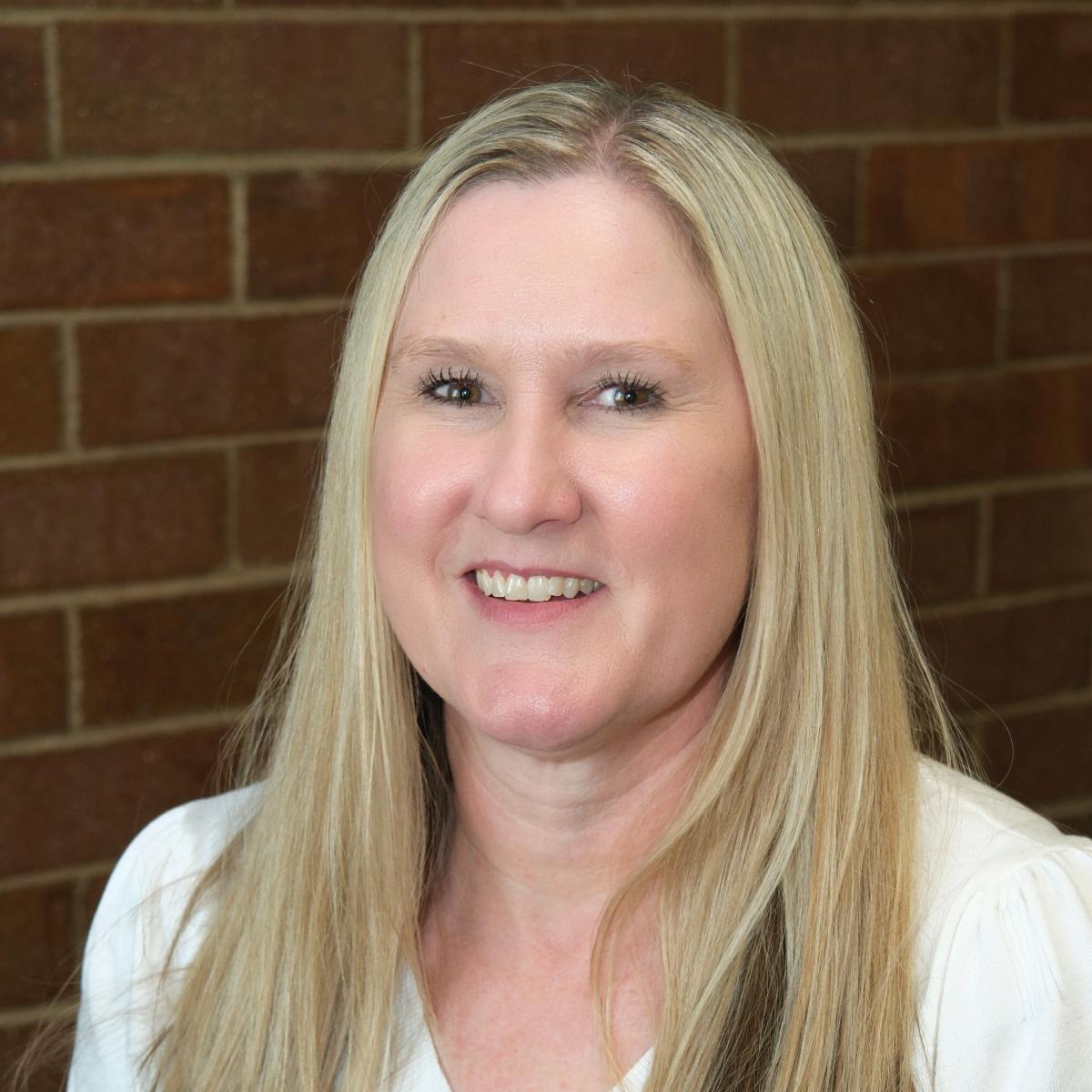
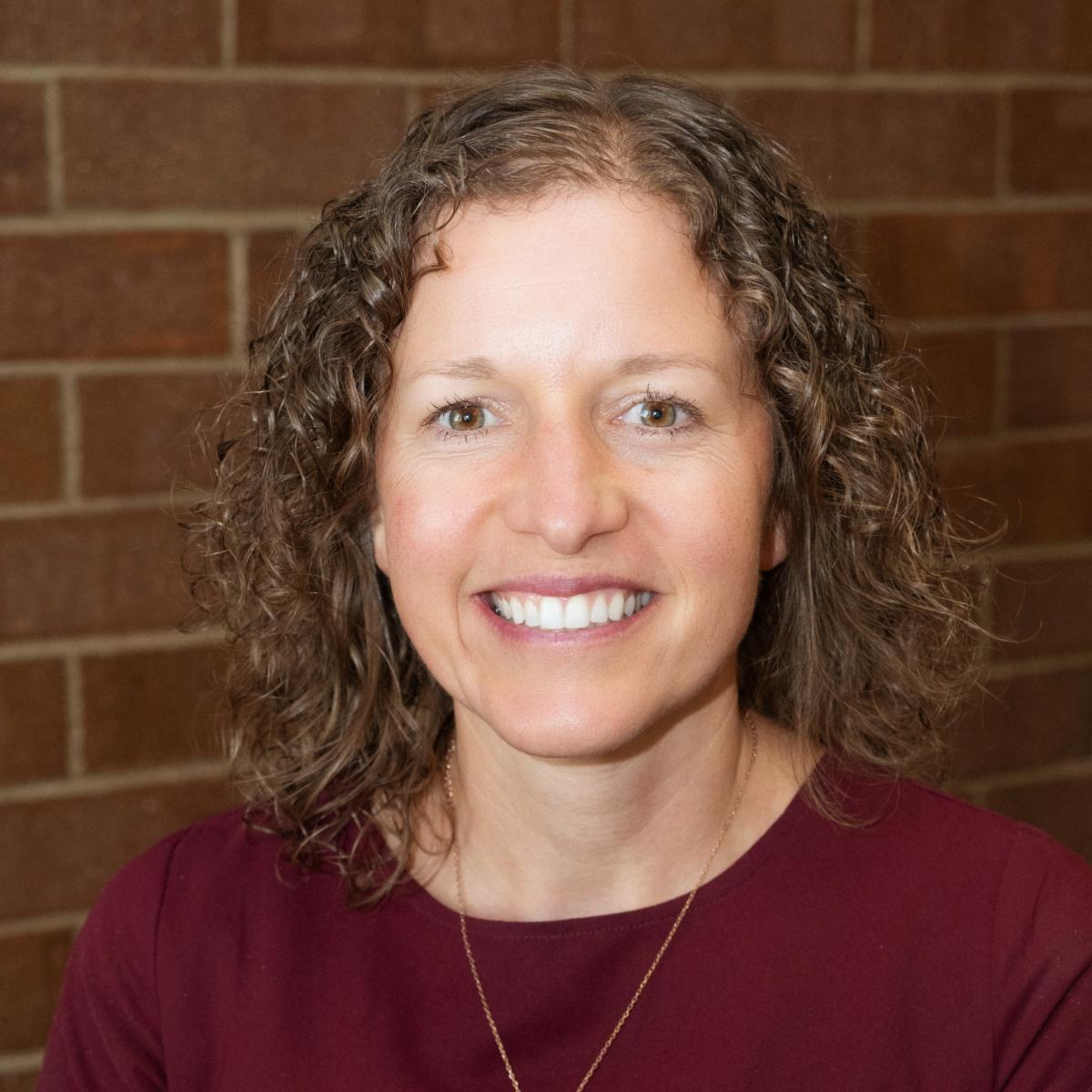
Reinforcement and punishment strategies can be used effectively to shape student behavior, however, there are many myths and misconceptions surrounding these concepts and how to use them in schools. USBE’s Paraprofessional Behavior Support Specialists, Christina Guevara and Stefie Munk, have put together a seven minute video entitled Reinforcement and Punishment that discusses the various types of reinforcement and punishment and provides tips for implementation.
| |
Title VI Update: Discipline Guidance
The Office for Civil Rights (OCR) recently issued a “Dear Colleague” letter and accompanying guidance addressing the application of Title VI to student discipline. The guidance discusses OCR's current interpretation of race, color and national origin discrimination in disciplinary policies and practices.
| |
Behavior Support Team Resource Hub
Our behavior team is here to support you with training and resources related to behavior support. We encourage you to visit our Behavior Support Resource Hub that is housed in Canvas. Please note that this self-enrollment only allows the user to access the resources; user information will not be shared or used for any other purpose. Questions and requests to add additional resources should be addressed to Krisanne Lewis (krisanne.lewis@schools.utah.gov).
| See the full agenda or visit the Board Meeting webpage (Meeting Summary tab) for more information. | Upcoming Trainings and Workshops | |
Behavior Support and Prevention Summit
WHAT: USBE’s Behavior Support and Prevention teams are excited to host a two-day Behavior Solutions Customized Workshop. This training, based on the work of Dr. John Hannigan and colleagues, will provide a framework for establishing and implementing proactive, tiered behavior supports. This approach is designed to bridge the gap between academic and social behavior instruction through a systematic structure. This workshop will move learning beyond theoretical concepts to build effective interventions that reduce classroom disruption. Participants will leave with a customized framework for their school. This is a free workshop and will be provided at no costs for participants. Relicensure points will be offered to attendees.
WHO: This training is designed for educators at all levels. School teams (teachers, administrators, related service providers, etc.) are encouraged to attend together in order to facilitate framework development.
WHEN:
- Thursday, September 24, 2026 | 8:00 a.m. - 3:30 p.m.
- Friday, September 25, 2026 | 8:00 a.m. - 3:30 p.m.
Registration has been extended to September 18 or until the training is full - whichever happens first.
WHERE: Utah Valley Convention Center | 220 W Center St., Provo, UT 84601
ACTION: Registration is open until September 18, 2026 via the Behavior Support and Prevention survey.
INFORMATION: For more information, contact Krisanne Lewis (krisanne.lewis@schools.utah.gov) or Tanya Albornoz (tanya.albornoz@schools.utah.gov).
There is no cost for registration, however any and all travel costs are the responsibility of the traveler.
| |
Mandt New and Re-certification Trainings
WHAT: USBE is offering free Mandt trainings during the 2026-2027 school year. These trainings offer an option for key identified school employees to receive comprehensive emergency safety intervention (ESI) training (see Board Rule R277-608 for more information).
WHO: Key identified school employees (as defined by each LEA’s ESI policy)
WHEN: Dates are listed in Altitude (see links under “Action” below)
WHERE: In-person, specific addresses are listed in Altitude (see links under “Action” below)
ACTION:
| |
Prevention and Student Services Lunch and Learn Webinar Series for School Year 2026-2027
WHAT: Join the Prevention and Student Services teams at USBE for a monthly Lunch and Learn webinar series, focused on helping educators create the conditions that support student success. Topics include protective factors, prevention science, behavior support, and other evidence-informed practices that foster safe, supportive, and engaging learning environments. For detailed descriptions, please visit the Prevention Professional Learning webpage. USBE relicensure points will be provided to all participants who remain on the webinar for at least 45 minutes.
WHO: School administrators, prevention staff, behavior specialists, school counselors, social workers, teachers, school mentors and staff who work directly with students
WHEN: Sessions are held from 12:00 to 1:00 p.m. on the third Thursday of each month, except in October, when the webinar will be held on the last Thursday of the month.
WHERE: Webinars will be held virtually
ACTION: You only need to register once for the entire webinar series. Please register via the Prevention and Student Services Webinar Series SY 26-27 Registration via Zoom. Feel free to share the registration link with anyone who may be interested.
Our next webinar will be held on September 17, 2026. Details are as follows.
Connection Saves Lives: A School-Based Approach to Suicide Prevention
Participants will explore the warning signs and risk factors for suicide, learn strategies to foster protective factors and connectedness, and review resources and best practices for supporting students in need. The session will also highlight the critical role schools play in creating safe, supportive environments that promote student connection, well-being, and help-seeking behaviors.
Presenters: Michelle Knight, Suicide Prevention Specialist, and Althedus “Al” Toney, SafeUT Behavioral Health Supervisor.
October’s webinar will be held on October 29, 2026. Details are as follows.
The Verbal Escalation Cycle: Another Key to Prevention
How do you prevent behaviors from escalating beyond verbal demonstration? The goal of prevention and behavior support is to help students recognize their actions and learn skills for future success. Adults can support students, even in the most stressful of situations before behaviors become physical. Join us in exploring how to guide students to de-escalation when they enter the verbal escalation cycle.
INFORMATION: For more information, please contact us at prevention@schools.utah.gov or reach out to Tanya Albornoz (tanya.albornoz@schools.utah.gov) or
Krisanne Lewis (krisanne.lewis@schools.utah.gov).
| |
Join the Tier 1 Student Support Communities of Practice
WHAT: The Prevention and Student Services Teams are thrilled to invite you to a statewide initiative designed to strengthen Tier 1 student support frameworks. This is your opportunity to connect with peers, tackle implementation barriers and earn relicensure points for your professional growth.
These are Tier 1 Student Supports Communities of Practice. Whether you are focusing on classroom level implementation or high level systems and strategic leadership, we have two targeted pathways designed for you.
WHEN: Quarterly 90-minute sessions (dates TBD).
WHERE: Locations are to be finalized based on participant feedback. Options will include virtual and in-person attendance.
ACTION: Sign up instructions will be provided at the Behavior Support and Prevention Summit on September 24–25, 2026. Should additional space become available after the initial sign up, further details will be shared.
INFORMATION: These communities provide a space for networking, collaborative problem solving and analyzing data trends. We are launching two distinct pathways tailored to your role.
-
For leadership teams and guiding coalitions: focus on high-level systems, strategic leadership and action planning
- Topics will include:
- Building and sustaining a multi-tiered system of supports (MTSS) infrastructure
- Strategic data utilization
- System-wide alignment of supports
- Community and stakeholder engagement
-
For educator and teacher teams: focus on practical, classroom-level implementation
- Topics will include:
- Classroom management foundations
- Data-driven classroom instruction
- Increasing student connectedness and educator wellness with MTSS supports
- Collaborative communication and planning
Reach out to Mindy Elliott (mindy.elliott@schools.utah.gov) with questions.
| |
Youth Mental Health First Aid (YMHFA) Trainings
WHAT: USBE will be hosting multiple YMHFA training sessions throughout the 2026-2027 school year. 7.5 relicensure points are available to those who attend and complete the training. This includes completing two hours of pre-work which must be completed before the live training session.
YMHFA establishes a foundational understanding of mental health for those without a clinical background. It is important to note that school-based mental health specialists may possess advanced training that extends beyond the scope of this particular program.
WHO: School personnel supporting students from ages 12-18
WHEN:
- Thursday, October 29, 2026 | 8:00 a.m. - 3:00 p.m.
- Thursday, January 15, 2026 | 8:00 a.m. - 3:00 p.m.
- Friday, February 12, 2027 | 8:00 a.m. - 3:00 p.m.
- Thursday, March 18, 2027 | 8:00 a.m. - 3:00 p.m.
- Thursday, April 15, 2027 | 8:00 a.m. - 3:00 p.m.
WHERE: Virtually via Zoom
ACTION: Register via Altitude Course ID #100085
INFORMATION: YMHFA is a curriculum that focuses on how to help adolescents (age 12-18) who are experiencing a mental health or substance use challenge or are in crisis. YMHFA is primarily designed for adults who regularly interact with young people. The course introduces common mental health challenges for youth, reviews typical adolescent development, and teaches a five-step action plan about how to help young people both in crisis and non-crisis situations. To learn more, download the Mental Health First Aid for Youth flyer.
| |
PREPaRE Workshop 1 - Comprehensive School Safety Planning: Prevention Through Recovery
WHAT: PREPaRE Workshop 1 is the curriculum chosen by the State Security Chief. This one-day workshop provides essential strategies for integrated school safety and crisis response. The course covers the development of Incident Command System (ICS) safety teams and crisis plans to improve a school's overall readiness and crisis response capabilities.
WHO: Any school personnel who need to understand how the comprehensive school crisis team is organized and functions.
WHEN: Tuesday, October 20, 2026 | 8:00 a.m. - 4:00 p.m.
WHERE: USU Brigham City | 989 S Main Street, Brigham City, UT 84302
ACTION: Register via Altitude Course ID # 100134*
*Note: registration will close at 5:00 p.m. on October 9, 2026
| Paraprofessional Behavior Support Training: Enrollment Details Coming Soon | |
USBE has been awarded funds from Intermountain Health Care (IHC) to develop a 40-hour course to train paraprofessionals across the state on behavior support. The grant allows one paraprofessional from each school in Utah to take the course and receive compensation for the time they spend outside of contract hours completing the course.
The course modules are as follows:
- Roles and responsibilities of paraprofessionals with a focus on behavior
- Behavior basics and the learning environment, including brain development, functions of behavior and tiered supports
- Data collection: the why, when, how and where
- Behavior plans and supports with a focus on Tier 3 interventions and implementation
- Crisis management, the stages of the Crisis Cycle and adult responses for student support
For questions, please contact Christina Guevara (christina.guevara@schools.utah.gov) or Stefie Munk (stefie.munk@schools.utah.gov), Paraprofessional Behavior Training specialists.
| | | | |