|
||||||
|
||||||
|
||||||
|
||||||
|
||||||
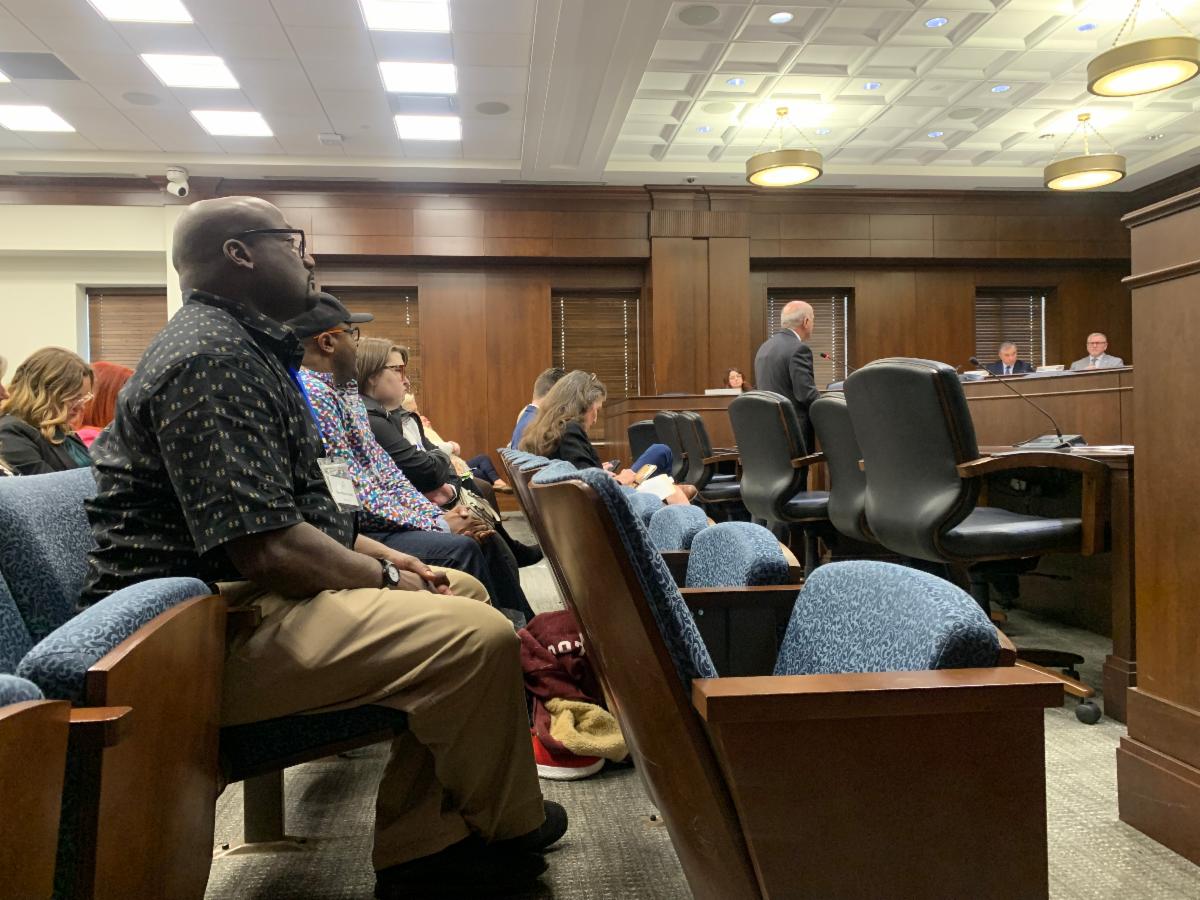
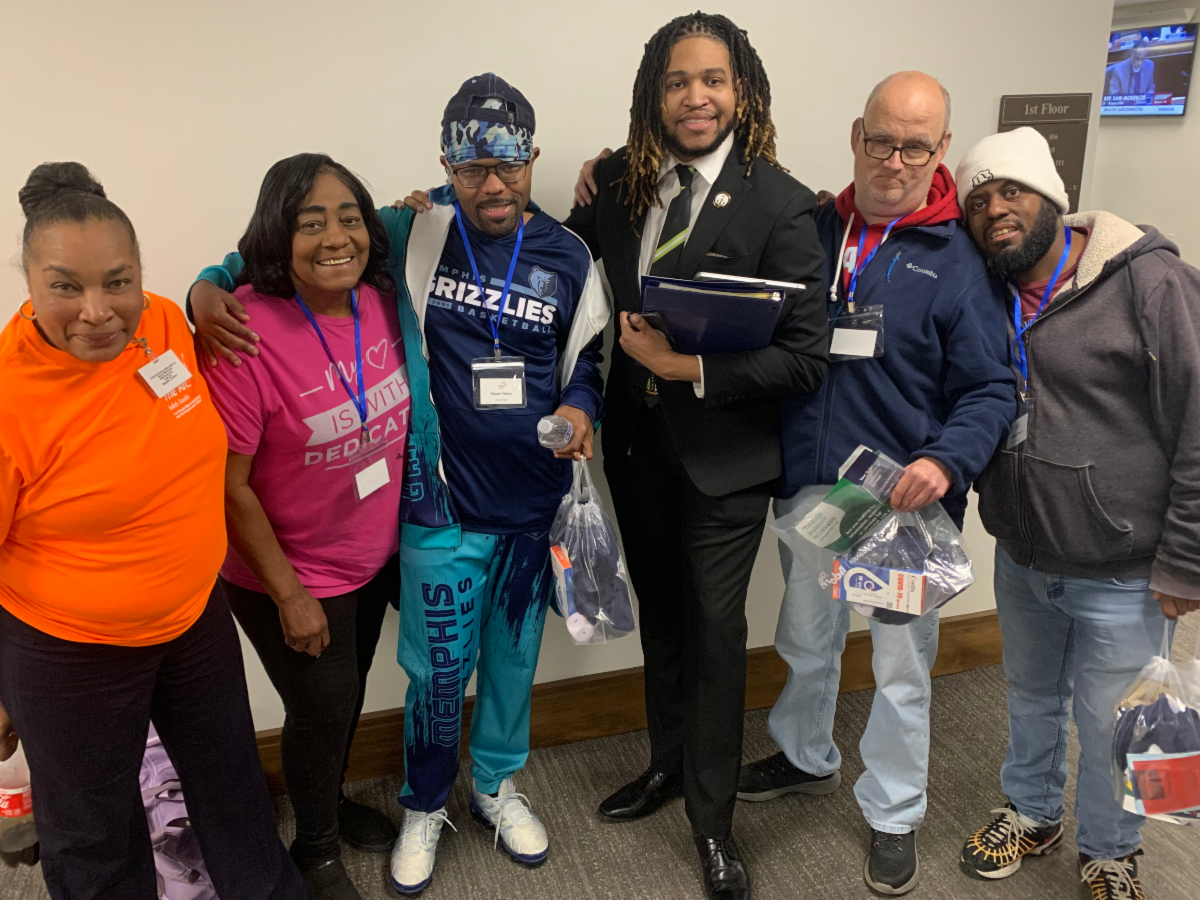
The Arc Mid-South members attending a Health Committee hearing — DDH 2025 The Arc Mid-South spent over 700 hours in IEP meetings last year advocating for students with disabilities to receive the educational services Shelby County schools are already legally required to provide. IEPs are the bare minimum under federal law. The Arc has to fight for every piece of that minimum because schools in Shelby County do not deliver it on their own. And even with advocates in the room, 79% of schools still score a 0 or 1 out of 4 for students with disabilities. The L.E.T.S. classroom at The Arc Mid-South serves 20 adults with developmental and intellectual disabilities who aged out of special education at 22. Forty more are on the waiting list for one of the only programs like it in Memphis. The schools that failed them are the same schools where we sit in IEP meetings today, fighting for the students behind them. 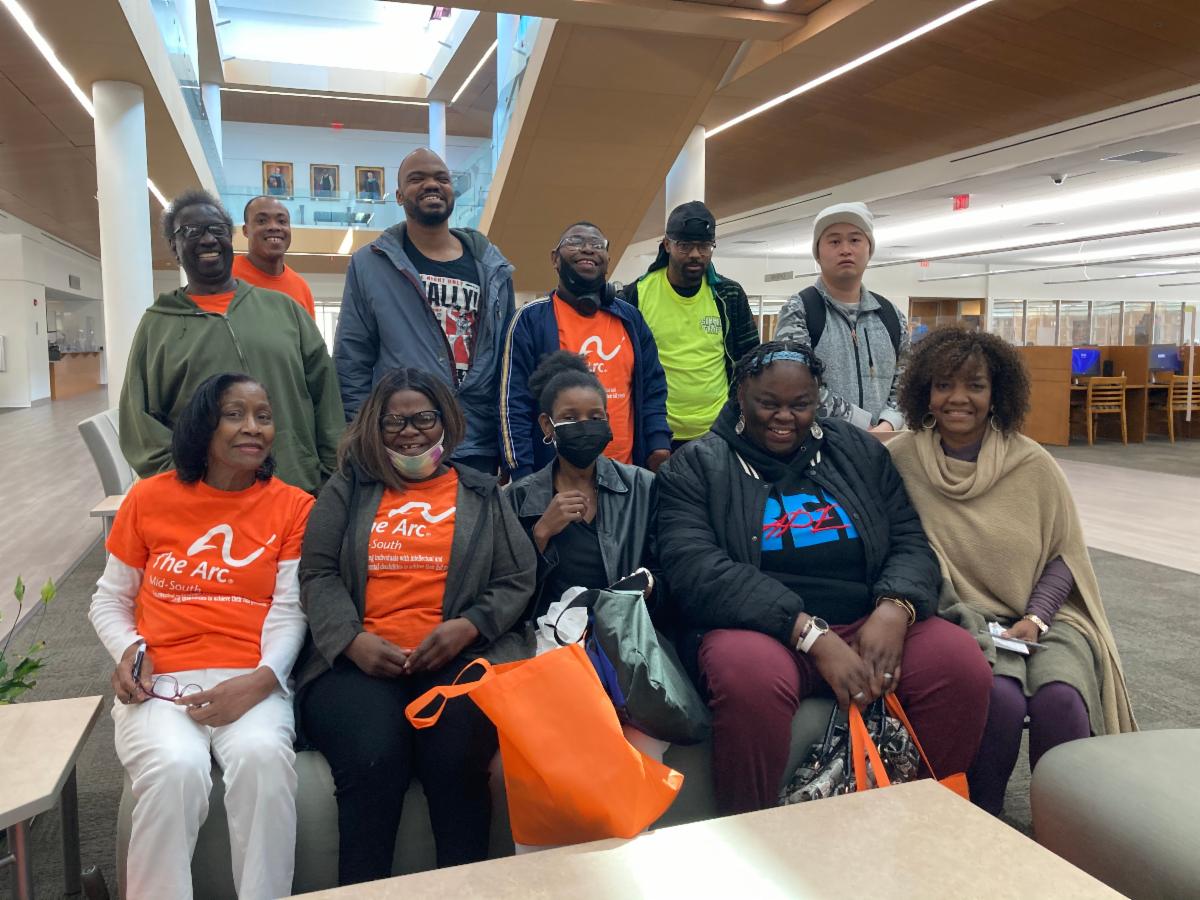
L.E.T.S. Community Outing: Mildred Shores, Lashunda W, Tia C, Clara T, Vivian Douglas, Joseph P, David I, Kelvin J, Patrick J, Dionte M, Tommy D Those students make up 11% of enrollment, yet 36% of all discipline cases. They are suspended at 3.4 times the rate of their peers without disabilities and drop out at a rate of 20.8%. And adults with disabilities in Memphis are twice as likely to live in poverty. The Tennessee Disability Coalition publishes a statewide scorecard. Tennessee gets an F in housing for people with disabilities. The adults on our waiting list came out of those schools. 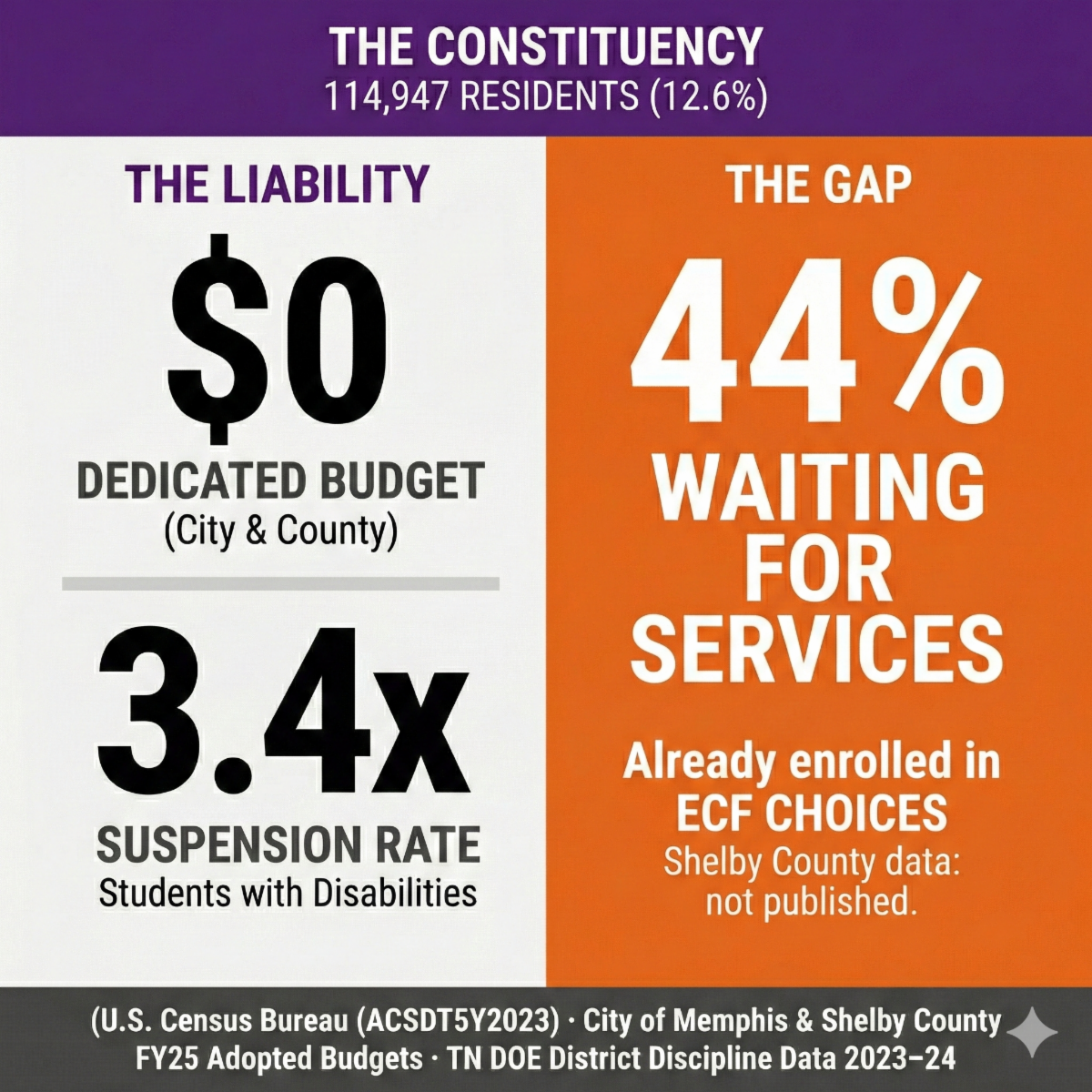
The healthcare gaps are just as deep. Tennessee's ECF CHOICES program has 1,640 people on its statewide waitlist. Shelby County's share of that number is not published. Mental health screening at Shelby County Jail was discontinued in 2024, in a facility that identifies 0.67% of its inmates as having cognitive disabilities when the national average is 24%. There is no Office for Disability Affairs in the City of Memphis or Shelby County to coordinate healthcare access, service navigation, or provider networks for any of the 114,947 residents with disabilities. The budget for that coordination is $0. On February 25, The Arc Mid-South will be at the Cordell Hull Building in Nashville for Disability Day on the Hill. This year's theme is "Adventures in Access" because accessing education, healthcare, and basic services in Tennessee with a disability is still an undertaking no family should have to navigate alone. Representative Mark White, who serves on the Education Committee and represents District 83, met with The Arc last year. Senator London Lamar, Representative Torrey Harris, and Representative Joe Towns have been consistent voices for the disability community. All 19 of Shelby County's state legislators represent the families behind these numbers. We look forward to sitting down with them in Nashville to talk about the IEP data, the suspension rates, the waiting list, the healthcare gaps, and the question of what Shelby County's plan is for the 114,947 residents with disabilities who have no dedicated office, no coordinated services, and no published data tracking their outcomes.
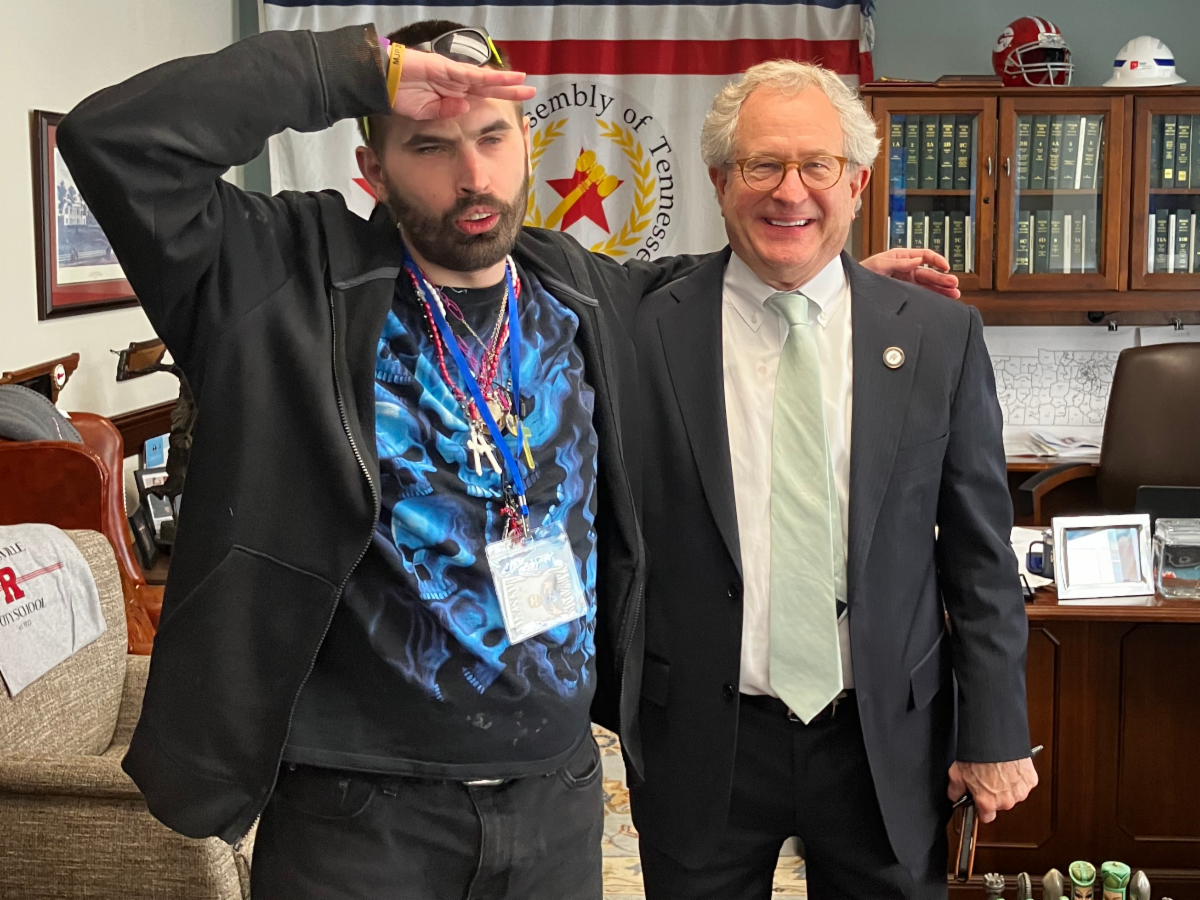
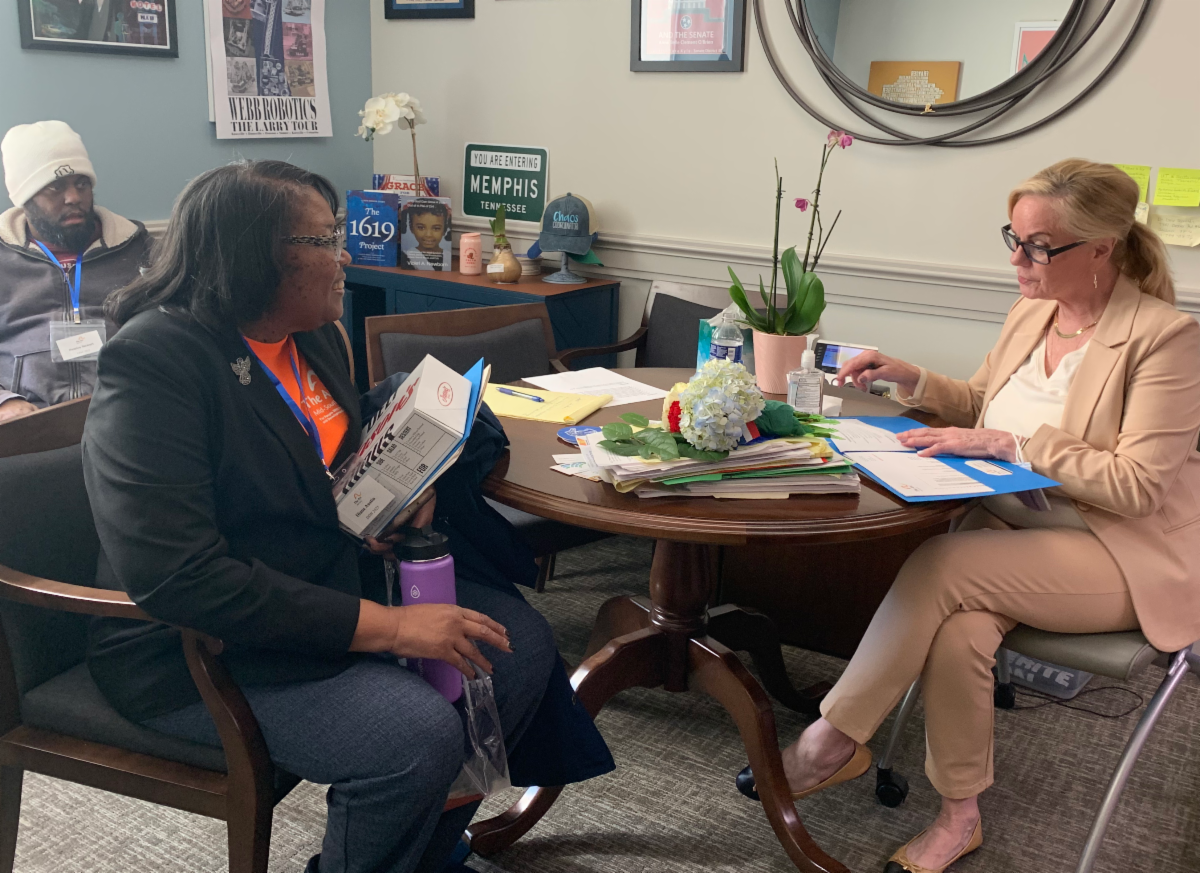
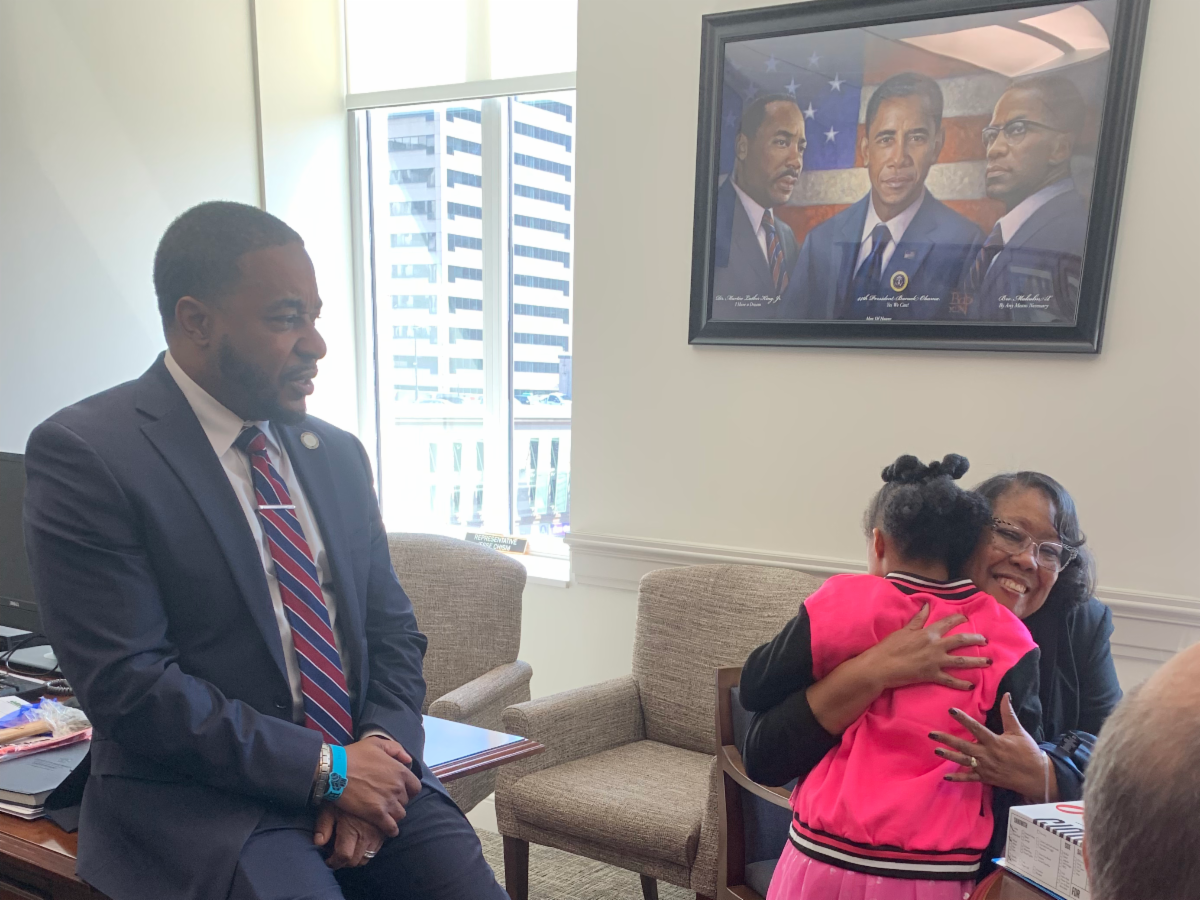
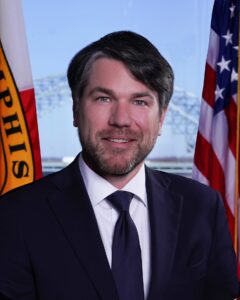
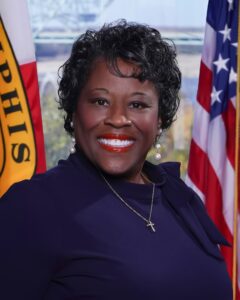
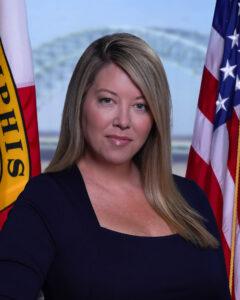
Top left: Rep. Torrey Harris with The Arc Mid-South — DDH 2025. Top right: Rep. Mark White speaks with The Arc Mid-South — DDH 2025. Bottom left: Sen. Sarah Kyle meets with The Arc Mid-South — DDH 2025. Bottom right: Rep. Jesse Chism with The Arc Mid-South members and self-advocates, 2025.
The Arc Mid-South is filling a charter bus to Nashville for Disability Day on the Hill on February 25. The Community Party is the night before, February 24, at the Adventure Science Center. Disability Advocacy Day follows on March 11, virtual. 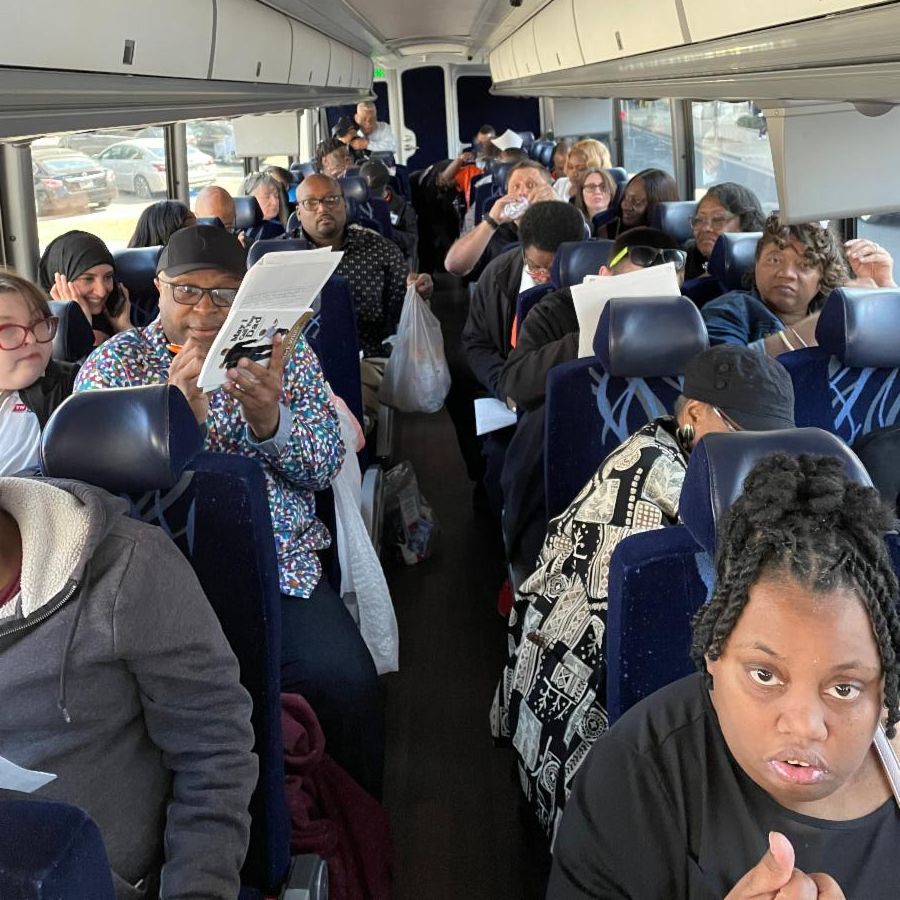
The Arc Mid-South members travel to Nashville — DDH 2025
|
||||||
|
||||||
|
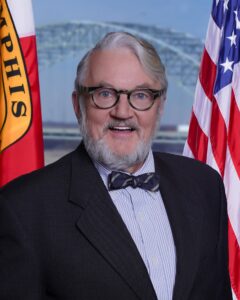
Memphis City Councilman Philip Spinosa and Councilman Dr. Jeff Warren sat down with us last October to hear our case for supporting the L.E.T.S. classroom. The Arc's families are constituents of both. Twenty students attend the L.E.T.S. classroom three days a week, one of the only programs in Memphis for adults with developmental and intellectual disabilities who aged out of special education at 22. Forty more are on the waiting list.
Photos: City of Memphis Spinosa represents District 5 — where The Arc Mid-South's office is located — and chairs the Planning and Zoning committee. Warren is a practicing physician and medical director for assisted living and rehabilitation facilities in Memphis. He represents District 9-3, which contains District 5. A $17,000 Community Grant resolution followed with four sponsors. Spinosa allocated $5,000. Warren allocated $1,000. Councilwoman Yolanda Cooper-Sutton allocated $10,000. Cooper-Sutton is a certified healthcare advocate. The Arc Mid-South's largest program employs over 85 direct support professionals who provide in-home care for people with disabilities. Cooper-Sutton allocated $10,000 because, as a certified healthcare advocate, she understands what it takes to keep 85 direct support professionals staffed and in people's homes. Councilwoman Jerri Green allocated $1,000. Green keynoted the Memphis Advisory Council for Citizens with Disabilities Summit last November, an event The Arc sponsored through the City of Memphis's official disability advisory council. Green spoke about the infrastructure her family depends on raising a child with autism. That infrastructure is what Spinosa's committee oversees. Their joint sponsorship put lived experience and legislative authority behind the same resolution. |
||||||
|
$17,000 Community Grant for the L.E.T.S. classroom |
||||||
|
||||||
|
The L.E.T.S. classroom is back in session for the spring semester. Updates on birthdays, outings, and what students have been working on are coming in the next issue.
|
||||||
|
||||||
|
Lois Curtis is the reason people with disabilities have a federally enforceable right to live outside of institutions in the United States. For Black History Month, we are honoring her as a disability rights activist. Curtis was a Black woman with an intellectual disability and schizophrenia who spent nearly two decades confined in Georgia Regional Hospital in Atlanta, starting at age 11. The state's own treatment professionals repeatedly documented that she was capable of living in the community. The State of Georgia read those assessments and kept her anyway. The justification was funding. The state's position was that it could keep her locked up until it decided to pay for somewhere else to put her. Under that standard, a person could be held indefinitely. Curtis called the Atlanta Legal Aid Society until she connected with attorney Sue Jamieson and demanded her release: "I want to get out." When the state still refused, she bypassed the standard evaluation process and became the lead plaintiff in the federal lawsuit that dismantled the legal basis for their refusal. The case, Olmstead v. L.C., reached the Supreme Court in 1999, which ruled that unjustified segregation of people with disabilities is discrimination under the Americans with Disabilities Act. That decision established the integration mandate: states must provide services in the most integrated setting appropriate to the individual's needs. A state cannot hold a person in a psychiatric facility when its own clinicians have cleared that person for community placement, and the person wants to leave. 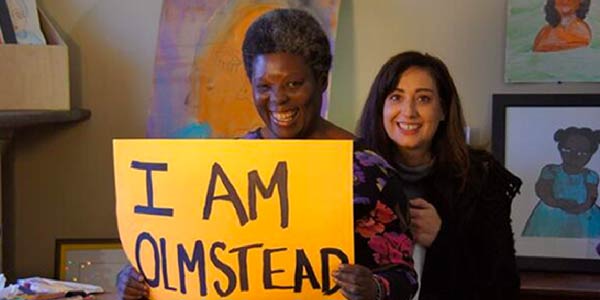
Lois Curtis holds up sign supporting the Olmstead campaign. Photo: U.S. Department of Labor Blog Before that ruling, states warehoused people with disabilities in institutions and cited budget constraints as legal cover. After that ruling, the practice became a federal civil rights violation. That is the direct result of Lois Curtis's activism. Since Olmstead, every state has been required to develop a plan for moving people with disabilities out of institutions and into community settings. Every Medicaid waiver that funds community-based services, every legal challenge filed when a facility won't release someone its own clinicians have cleared — all of it runs through the precedent Curtis created. After her release, Curtis became a folk artist in Atlanta. In 2011, she presented a self-portrait to President Barack Obama at the White House. She died on November 3, 2022, at 55. 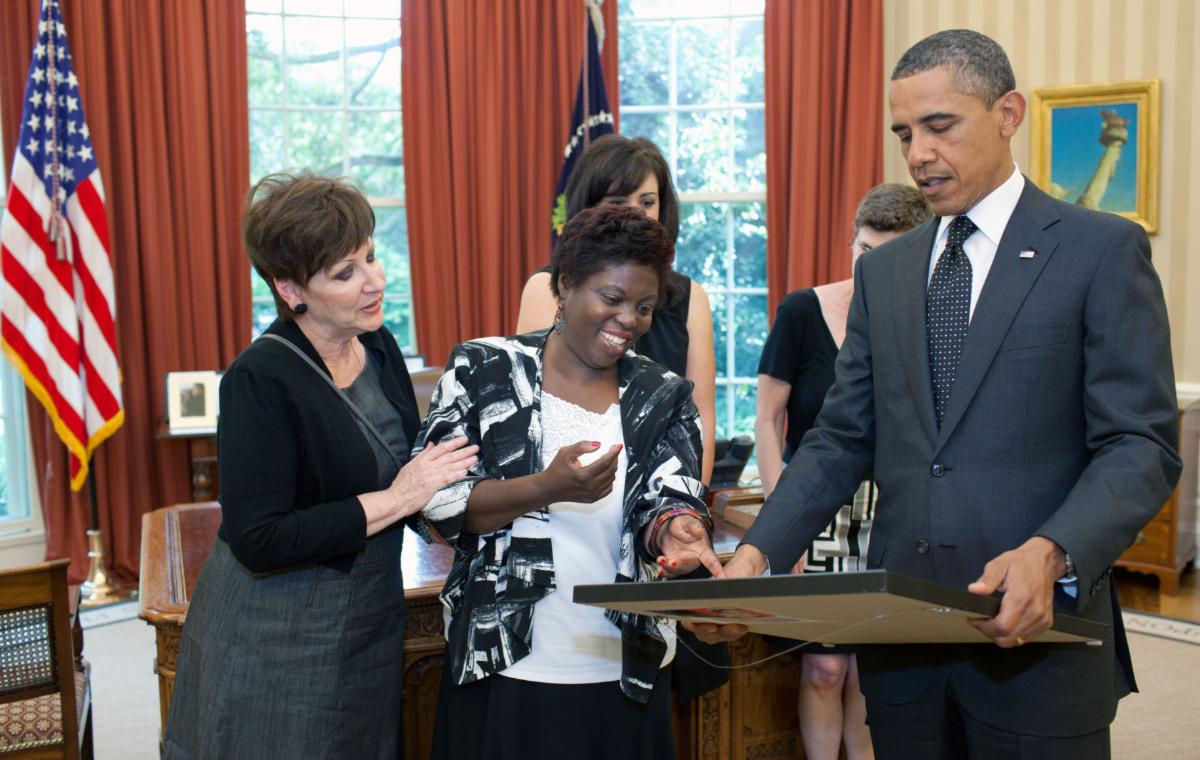
Curtis and President Obama in the White House, 2011. Official White House Photo by Pete Souza Curtis did not wait for someone to advocate on her behalf. She picked up the phone and advocated for herself. The infrastructure that came out of that decision protects every person with a disability in this country today. |
||||||
|
||||||
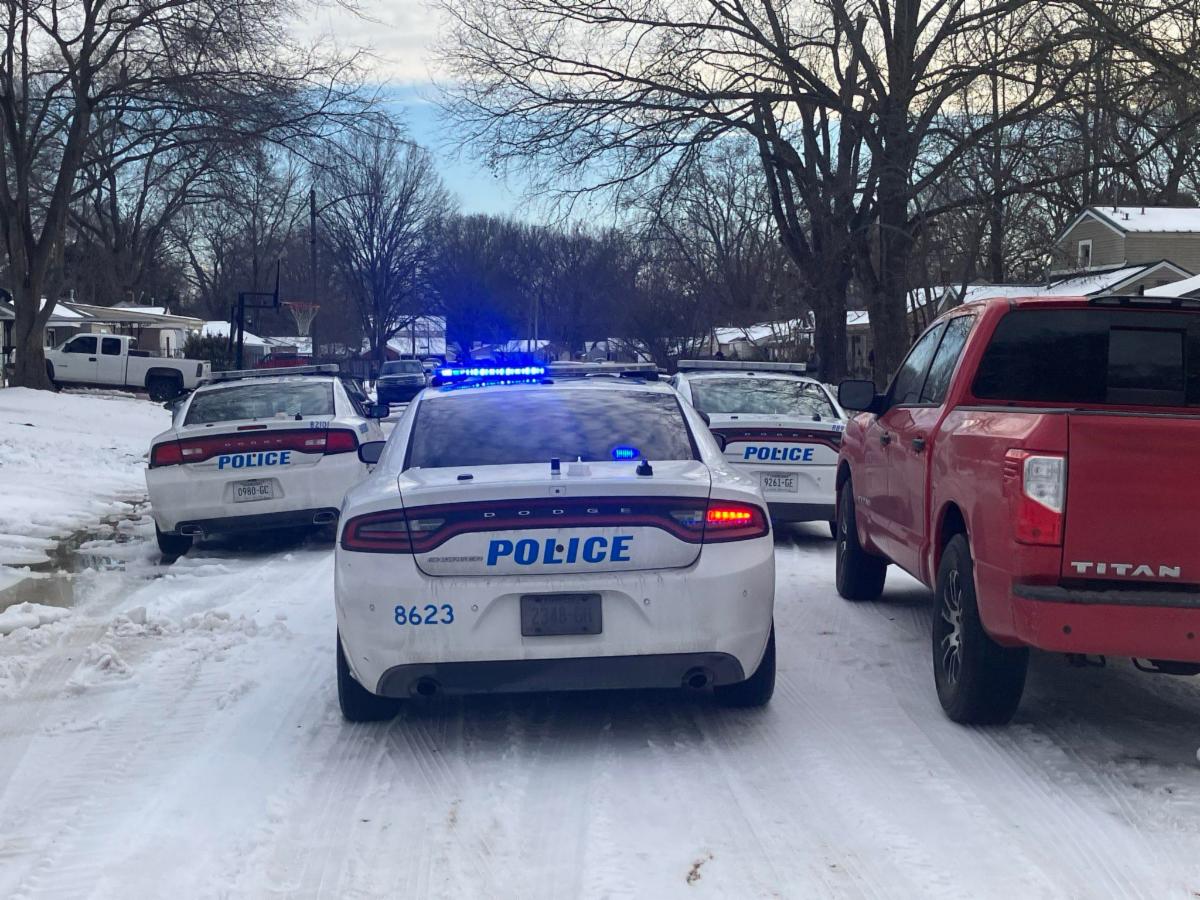
Photo: Vecindarios901 Memphis has expanded law enforcement activity since September through the Memphis Safe Task Force, a joint operation involving federal agents, the Tennessee Bureau of Investigation, Immigration and Customs Enforcement, and the National Guard. Community safety is a shared goal. At The Arc Mid-South, our responsibility is to ask: what does this mean for the more than 105,000 Memphians living with disabilities? The DOJ investigated MPD from 2023 to 2024 and found a pattern of officers responding to behavioral health situations with force instead of de-escalation. You're having a psychiatric episode and you can't regulate your responses. Or you're a person with autism and a shouted command doesn't land the way the officer assumes it will. Or you're a person who is deaf. You literally cannot hear instructions. What does that look like to an officer who's been trained to read noncompliance as a threat?
Photos: Vecindarios901 Officer Nigel Payne with MPD came to The Arc Mid-South's annual Awareness is the Key to Change conference last year and shared a story that stuck with everyone in the room: a young child with a disability turned up at his house while he was away, and the officers on scene responded like they were facing a serious threat. Payne didn't have to share that. He chose to, and that matters, because it means there are people inside MPD who see the disconnect and want to close it. The DOJ recommended reforms. Memphis passed on them. Then the administration in Washington changed, and the findings were withdrawn altogether, which means the problems the investigation surfaced are still there. Read the DOJ findings on MPD. Now layer on the federal agencies that make up the Task Force. Their record is not reassuring. DHS agents in Los Angeles tackled an 18-year-old deaf man named Anthony Paredes earlier this year while people on the street were screaming that Paredes was deaf and couldn't hear them. After the arrest, no interpreter. In a separate case, ICE held a man who is deaf and has a traumatic brain injury for months without an interpreter. They used Google Translate instead. A federal judge eventually threw out the man's asylum proceedings entirely because they'd been conducted in a language he didn't understand. 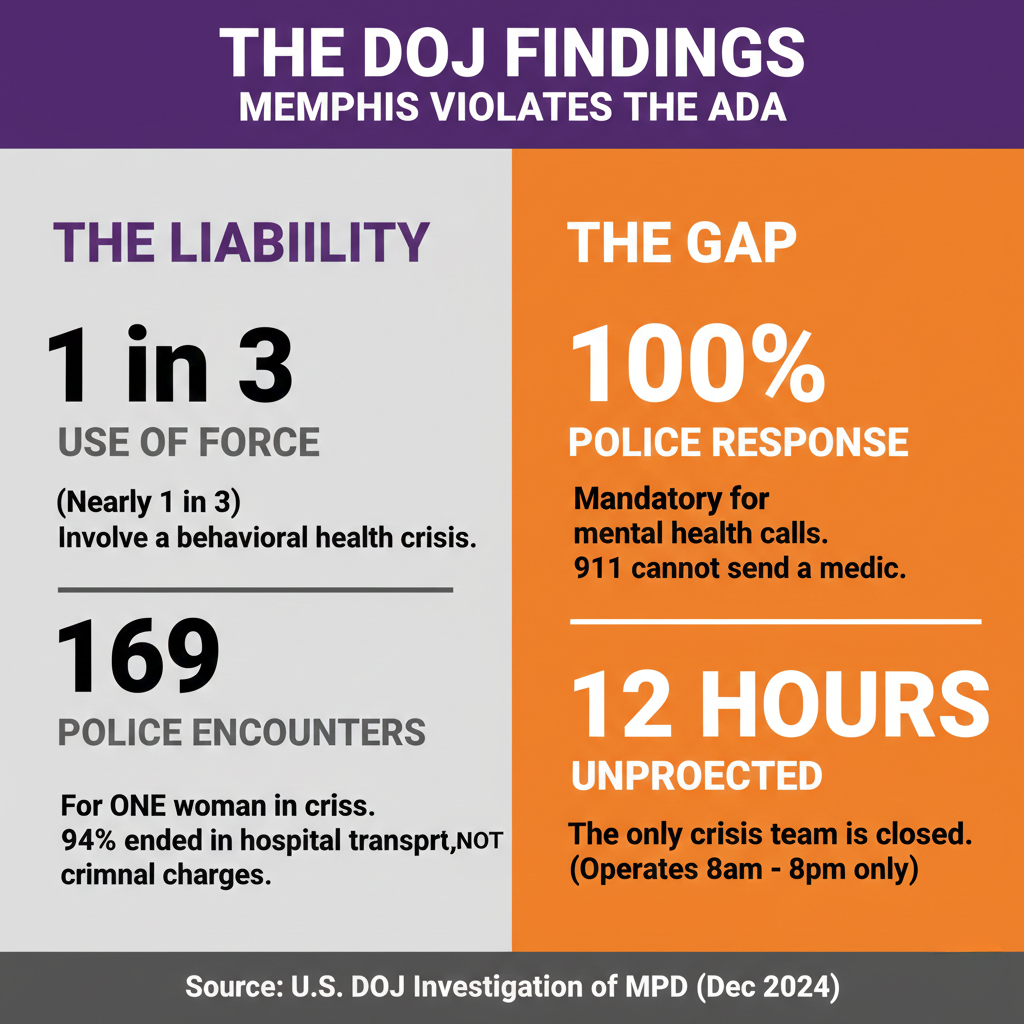
This isn't partisan. It's not left or right. It's about whether the Americans with Disabilities Act means something during a traffic stop or only on paper. There is also the question of what happens after an arrest. The Tennessee Comptroller released a report in July 2025 that confirmed that basic information about who's been booked or what charges they're facing isn't consistently tracked or shared. Families call us and tell us they don't know which facility their loved ones are in, or if they're getting medication. They don't know if anyone's checking on them. Twelve people died in custody there last year. One of them was a man whose family had called for help because he was in a mental health emergency. Instead of going to Alliance Healthcare's crisis stabilization unit, he ended up in a cell. He died nine days after that. 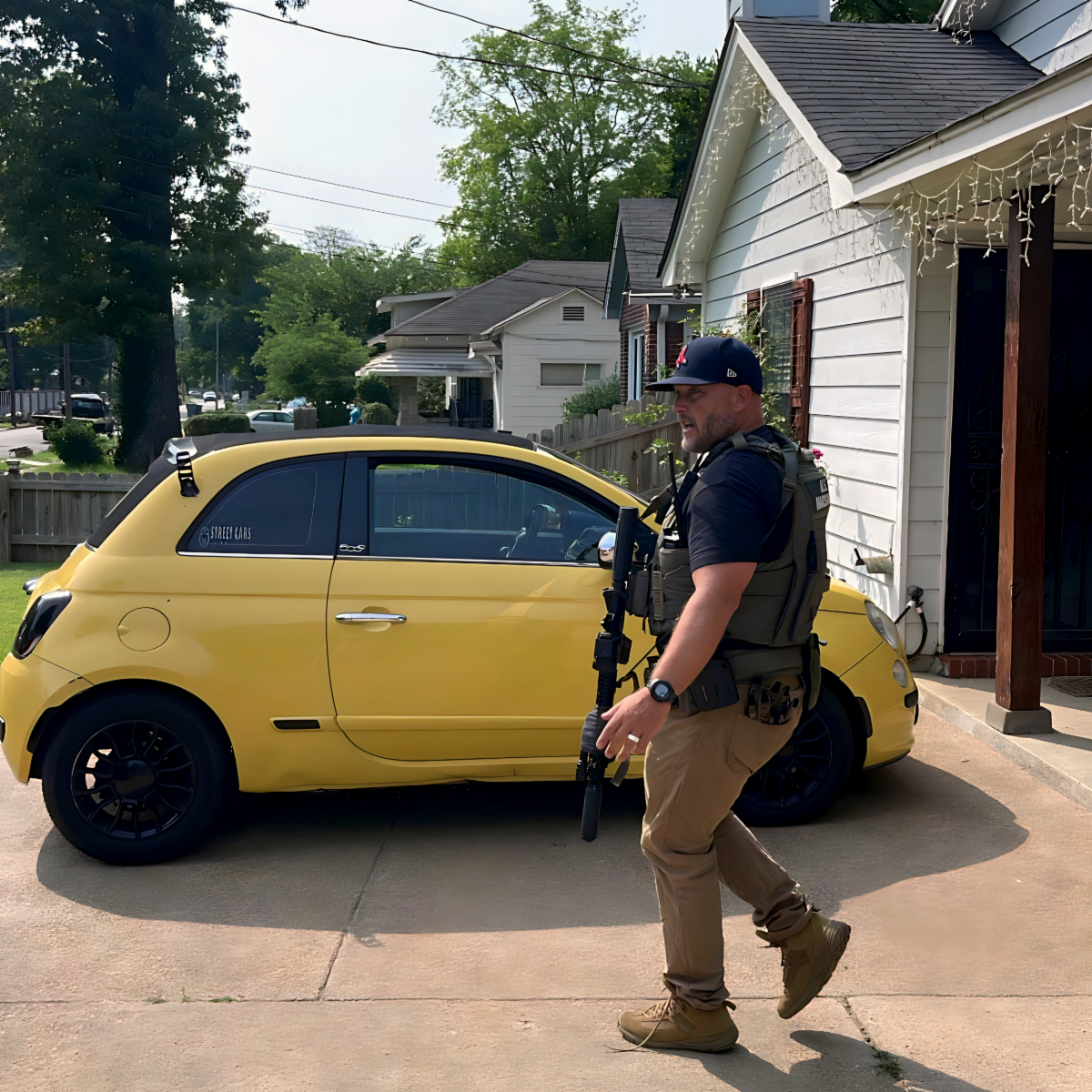
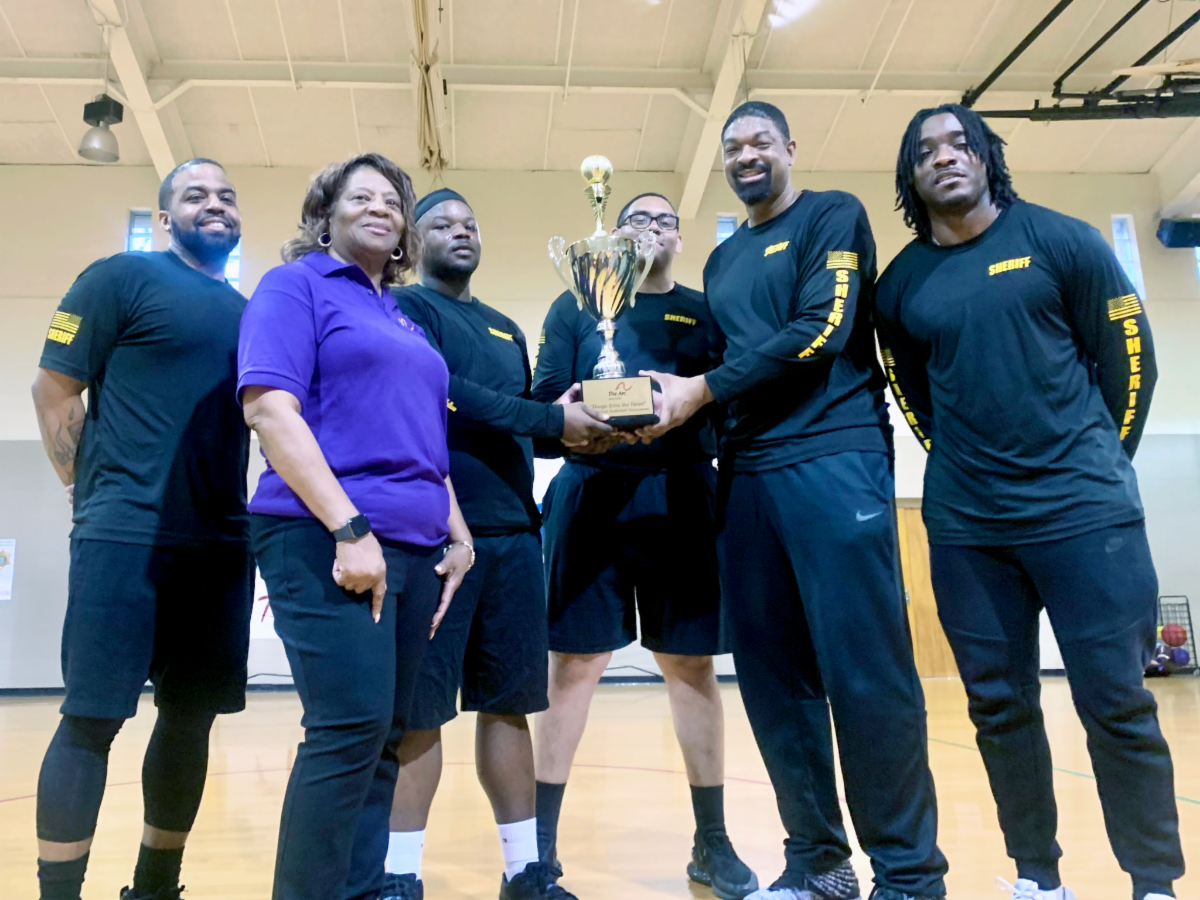
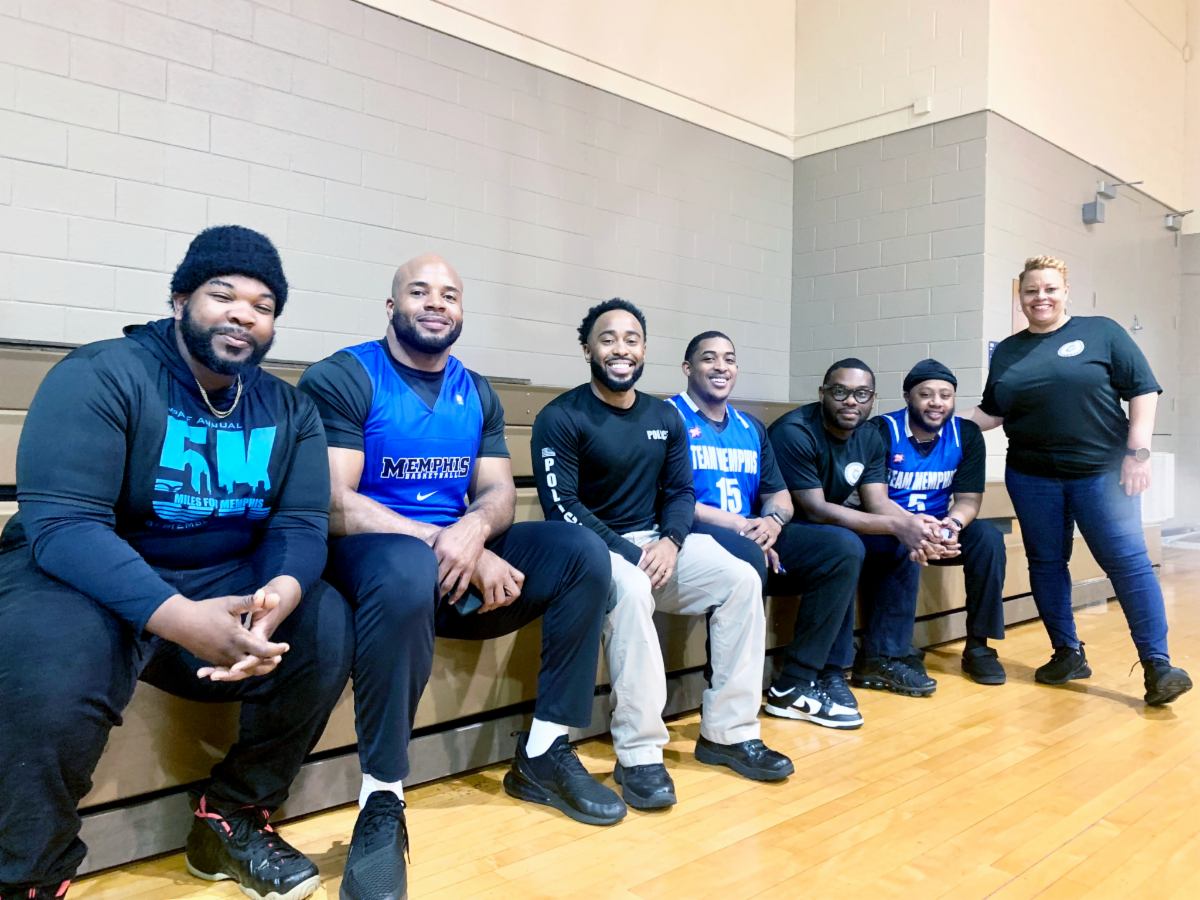
Photo: Vecindarios901 Mayor Lee Harris has called the conditions there "troubling," and his willingness to say that publicly gives us reason to believe there's a path toward real accountability. We want to be part of that conversation. But until the data gaps close, there is no way to know how many people with disabilities are being held without legally required accommodations. That's not a hypothetical. People fall through gaps like that, and some of them don't come back. We've had a working relationship with law enforcement for 75 years. Our annual wheelchair basketball game is one of the highlights of our year. The Shelby County Sheriff's Office has been our defending champs for years running. MPD's Crumpy Bunch worked around shifts to get on that court last year. We're hoping to see both teams again this May.
Left: Shelby County Sheriff's Office defending champs. Right: MPD's Crumpy Bunch with Melanie Dorsey. Photos: The Arc Mid-South Wheelchair Basketball Tournament, 2025 We show up for those partnerships because we believe in them, and because we believe they're strong enough to hold an honest conversation. Right now, the DOJ findings on disability response still haven't been resolved, federal agencies whose treatment of people who are deaf and people with brain injuries has been challenged in court, and a county detention system that can't account for its own population. Adding more law enforcement activity on top of that, without adding protections for people with disabilities, doesn't make anyone safer.
|
||||||
|
||||||
|
||||||

|