September 18, 2025

COMING SOON:

BCNA'S FALL SOCIAL

Let’s get together for the BCNA Fall Social! It’s a chance to catch up with old friends, meet new ones, and hear what BCNA has been up to—all while enjoying a drink at Upslope Brewing Company.


At 5:30 pm, Dave Hallock and Greg Levandoski will share highlights from the 40-year Indian Peaks Breeding Bird Survey Program—with plenty of stories along the way.


Wednesday, October 1

5–7 pm

Upslope Brewing Company

1898 S. Flatiron Court, Boulder


Upslope offers a variety of brews (including non-alcoholic) plus food. Happy Hour runs 4–6 pm, so come early if you’d like!


Stop by, even if only for a few minutes after work.

We’d love to see you there!

WHAT ARE BCNA'S GRANTEES INVESTIGATING?


BCNA is pleased to offer research funding for one-year grants to support projects that help promote our mission. These grants are funded by BCNA members and donors. Grants of up to $4,000 are available for projects to enhance our understanding of the ecosystems of Boulder County.


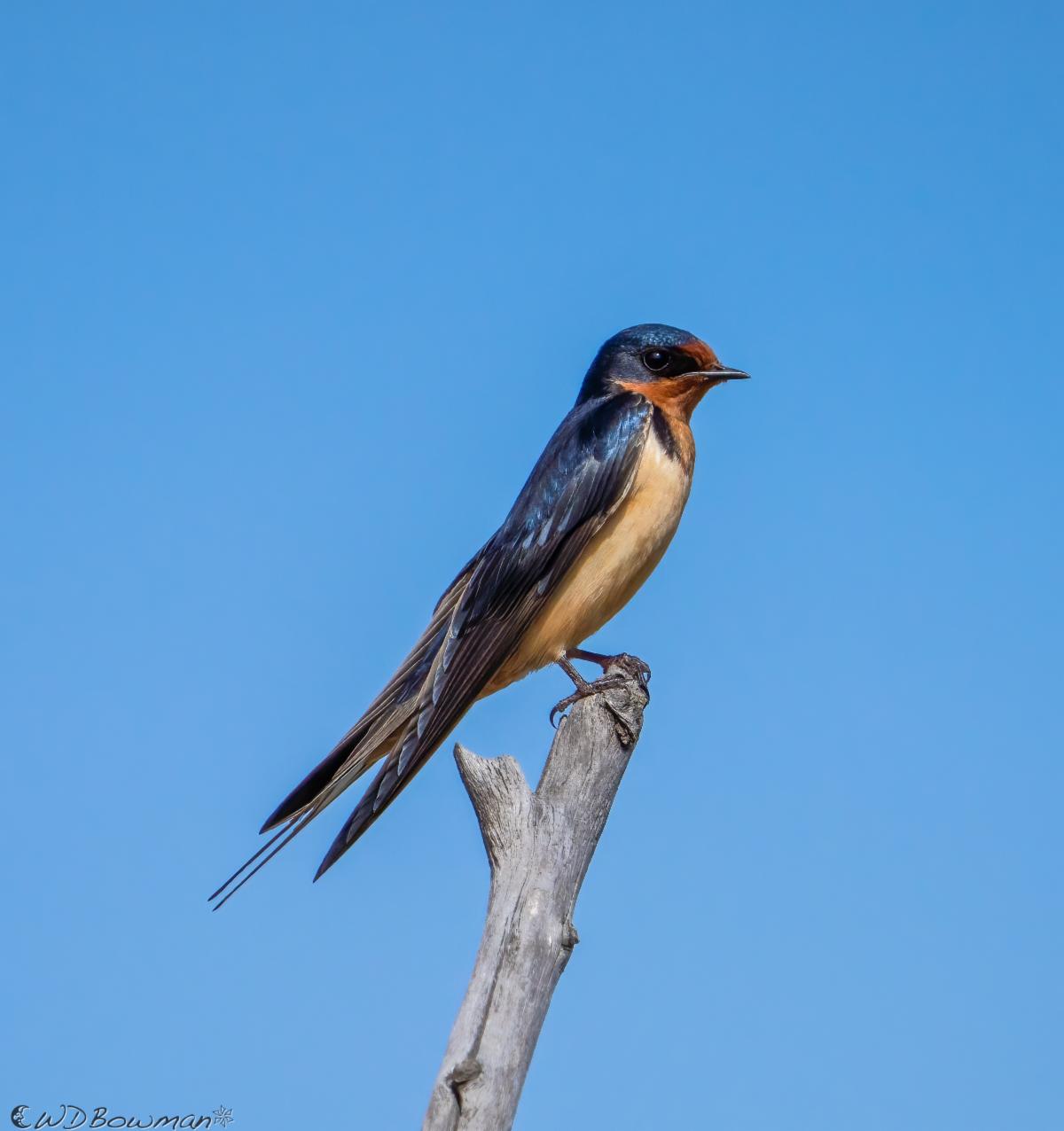
Mate choice in barn swallows: The influence of social interactions, nest distances, and proximity to other barns

Heather Kenny-Duddela, CU Boulder


This project builds on a long history of research on the factors that influence mate choice in barn swallows based on plumage color, parasite loads, and migration patterns. High resolution tracking of individuals with miniature tags facilitates accurate measurement of interactions among the speedy swallows. These measurements can be coupled with DNA sampling of offspring that determine their parentage to evaluate the contribution of the social interactions to pair mating. 


Results of this project will provide a better understanding of the factors that influence the evolution of reproductive traits and behaviors in barn swallows, as well as factors that determine reproductive success that can influence the response of the species to ongoing environmental changes.


Social grouping in western tent caterpillars and its impact on response to climate 

Samantha Rothberg, CU Boulder

Insects exhibit a range of behaviors and social interactions that can influence their survival and reproduction, by potentially alleviating the effects of stressful environments or by facilitating location of sparse food resources. A major source of mortality for insects in the temperate regions are early season frosts. Some species of insects may mitigate the detrimental effects of early season cold temperatures through social aggregations or “huddling.” Tent caterpillars are an example of a species that exhibits huddling, but its influence on survival and reproductive success has not been examined.


This project will examine the observed relationship between survival and reproductive rates and environmental stress (cold temperatures) along an elevational gradient in the Front Range. The results of the project will provide basic information about the potential positive effects of huddling behavior on tent caterpillars and subsequent impacts on population dynamics, particularly within the context of climate change.


Floral Functional Traits – Key to Plant-Pollinator Interactions in Alpine Habitats

Petr Sklenář, Charles University Prague, Czech Republic


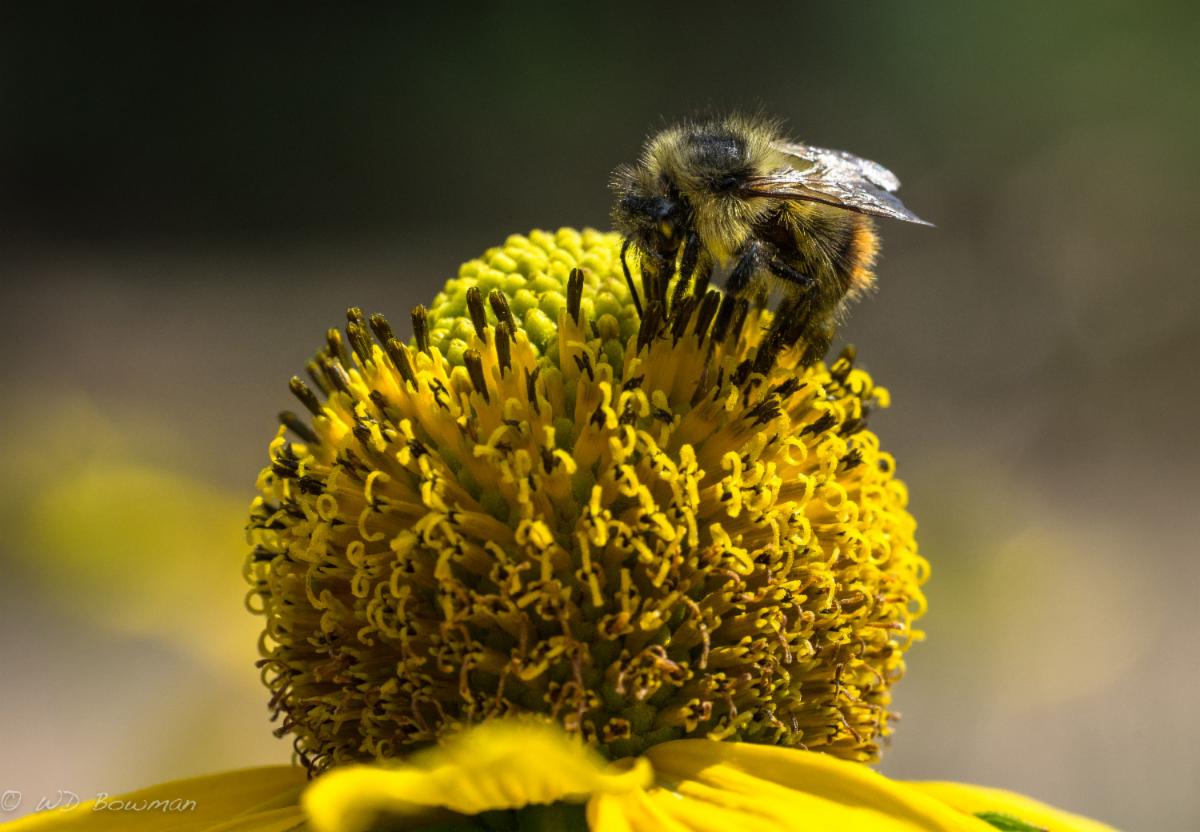
Maintenance of plant diversity is reliant on the presence of pollinators, and recent reports of declines in insect abundance have alarmed ecologists and conservation biologists due to the potential loss of pollination services. Previous work on pollinator-plant networks at several subalpine sites in Colorado has shown that specialization of pollinator species for specific plant species has the potential to disproportionately impact those plants. Declines of both pollinators and their preferred plants have been noted over the past several decades. 


This project aims to better understand the relationship between key plant floral traits (flower size, color, dimensions, positions of anthers and stamen) and their attraction of specific pollinators along an elevational gradient from the subalpine to the alpine. The results will address the potential impacts of continuing loss of insect pollinators on specific plant species in the Colorado Front Range and potentially help conservation of susceptible pollinator and plant species.


Use of pika vocalizations to assess hybrid zones in Rocky Mountain National Park

Rachel Mae Billings, CU Boulder


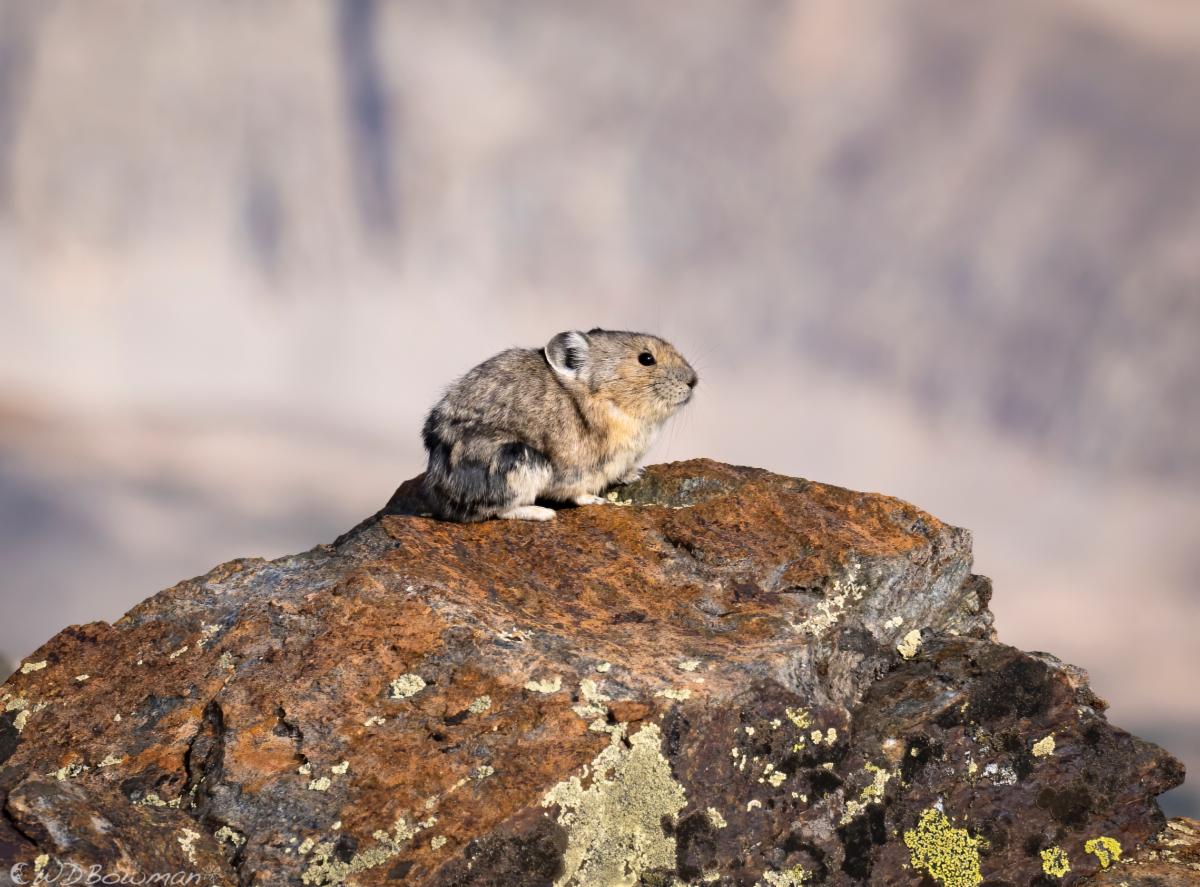
Pikas are one of a very few year-round mammalian residents of alpine zones, with specific requirements for insulating snow cover and a high sensitivity to warm temperatures during the summer. As such, they’ve become one of the “poster-children” for the dangers of climate change. Conservation of this iconic mammal requires an understanding of the distribution and abundance of specific subspecies: northern (princeps) and southern (saxatilis).


Determining the subspecies is difficult without capturing the pikas, which can be very stressful and can lead to their death. Pika vocalizations are different between the two subspecies, and provide a useful non-impactful method to quantify their abundances and the locations of their hybrid zones. This project will evaluate previously studied populations of the two subspecies of pikas to determine if the locations of their populations have changed through time.

Microplastics in mountain ecosystems of Boulder County

Douglas Castro, CU Boulder


Plastics have been widely used for several decades in a multitude of applications. The subsequent degradation of plastics in landfills has resulted in the spread of microplastics, very small particles (5 mm- 1mm) through transport by wind. Microplastics have been found in soils and waters in very remote areas, and represent a serious health hazard for animals, including humans. The input of microplastics and their impact on organisms in “natural” ecosystems is not well understood.


The focus of this project is to quantify the input of microplastics into well-studied ecosystems of Niwot Ridge, examining the variation in inputs across several sites to determine how particle size and shape, as well as elevation and topography influence the amount of microplastic inputs. Additional work will examine the impact of the microplastics on aquatic invertebrates from high elevation lakes.

A big thank you to all who currently support BCNA!

Please consider renewing today if you have not already done so.

New members are always welcome!