February 10, 2026 - Vol. 1, Issue 23 | |
President's Message
Christina Menor, MD, MS, FASA
| |
The real connections we form—with patients, colleagues, legislators, and the public—reveal the intricacies of our shared humanity. They remind us that, in the end, we are far more alike than different. The environment we are living through in our state, our country, and our world feels like an existential moment. While I will stay focused on medicine here, this same truth applies broadly across so many aspects of our society.
In medicine, we are facing a clear crisis. Healthcare in the United States cannot continue on its current trajectory. As a profession and as a medical community, we must collectively decide how—and where—we go from here. No single individual, and not even isolated groups, can single-handedly dismantle or rebuild our healthcare system as it exists today. But together, we must decide how we will show up, how we will lead, and how we will create meaningful change for our patients, our colleagues, and our communities.
What exists now is not working. We spend more on healthcare than any other country in the world, yet we operate within a system that prioritizes profits over patients and holds fiduciary responsibility to shareholders rather than to those who deliver care or those who need it. That reality is fundamentally illogical when the purpose of a healthcare system should be to improve the health and well-being of the community it serves.
Moments like these remind us why physician voices matter. Even when it is difficult, we must continue to show up and speak up on behalf of our patients, our colleagues, and the public we serve. Leadership in medicine requires presence, courage, and a willingness to engage when the issues are complex and the stakes are high.
CSA leaders are showing up. We are standing firmly for patient safety and advocating that physician-led care remain the guiding principle of our profession. This commitment is not about titles or turf—it is about accountability, training, and ensuring that patients receive the highest standard of care in every setting and for every patient.
In that same spirit, I want to recognize and commend our colleagues from the American College of Emergency Physicians (ACEP) for reaffirming their commitment to physician-led care in emergency medicine. ACEP recently amended its policy statement, “Guidelines Regarding the Role of Physician Assistants and Nurse Practitioners in the Emergency Department,” to clearly state that off-site supervision by an emergency physician of a physician assistant or nurse practitioner who is the sole practitioner physically present in the emergency department is not adequate for optimal patient care and is not considered appropriate supervision under any circumstances. This staffing model was formally removed from ACEP policy by Board approval.
This action was prompted by ongoing misinterpretation and misrepresentation of prior policy language, including in official testimony before state legislatures and by other specialty societies. ACEP’s decision reflects principled leadership and a clear prioritization of patient safety, transparency, and accountability.
I draw attention to this because the parallels to anesthesiology are unmistakable. In California, efforts to maintain physician-led anesthesiology care as the gold standard have faced similar misinterpretations and misrepresentations of policies, standards, and expected levels of care—often framed in ways that minimize the role of physicians in ensuring patient safety across all anesthesia care settings. I am not stating that the California Society of Anesthesiologists (CSA) is making any formal policy statement at this time. However, I strongly encourage members—and potential members—to view this as a warning and a call to vigilance.
We have seen, firsthand, the negative outcomes that can occur when physicians are not meaningfully involved in anesthesia care in our communities, including in parts of the Central Valley.
Patient safety cannot be conditional, situational, or diluted. Physician-led care must remain the gold standard—without exceptions.
Please speak up. Write to me. Write to your legislators. Engage your colleagues. Do not be complacent.
Thank you for the care you provide every day, for your dedication to your patients and colleagues, and for your continued commitment to our profession.
Be well. Be kind. Stay vigilant.
Christina M. Menor MD, MS, FASA (She/Her)
Indigodoc Inc
@indigodoc
President
California Society of Anesthesiologists (CSA)
| | |
Assembly Floor Session Recognized
Anesthesiologists Week
| | |
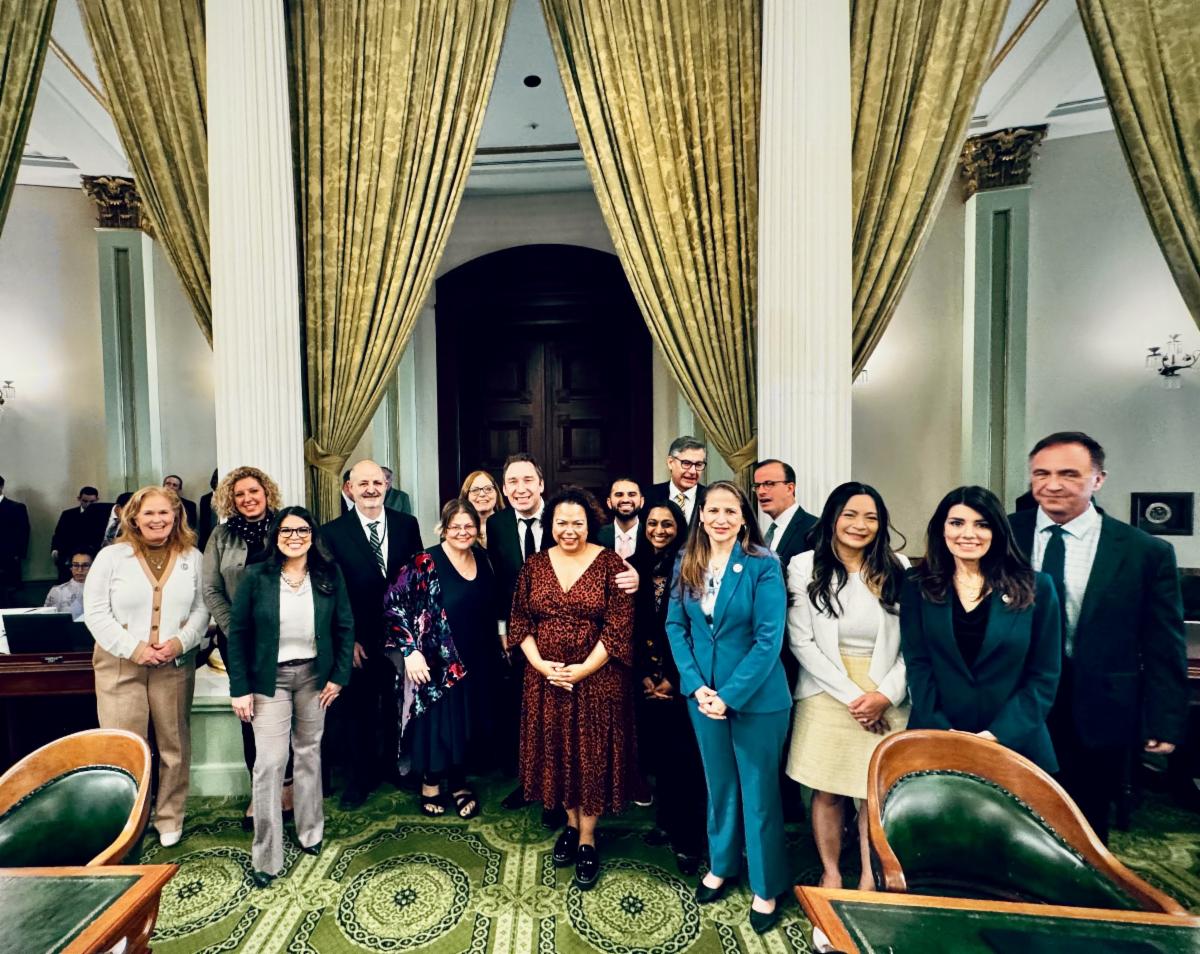
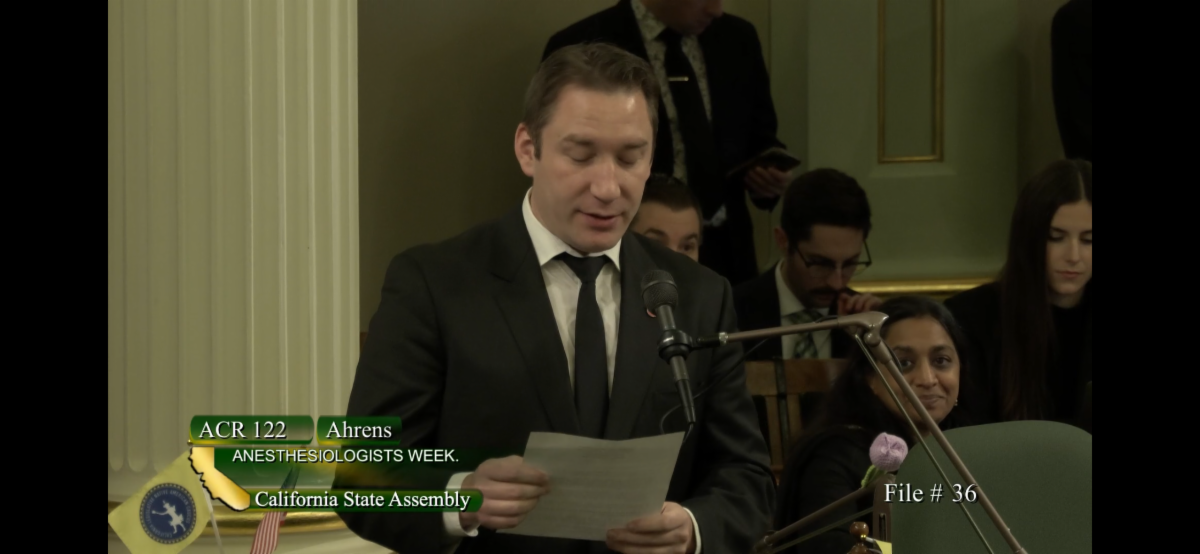
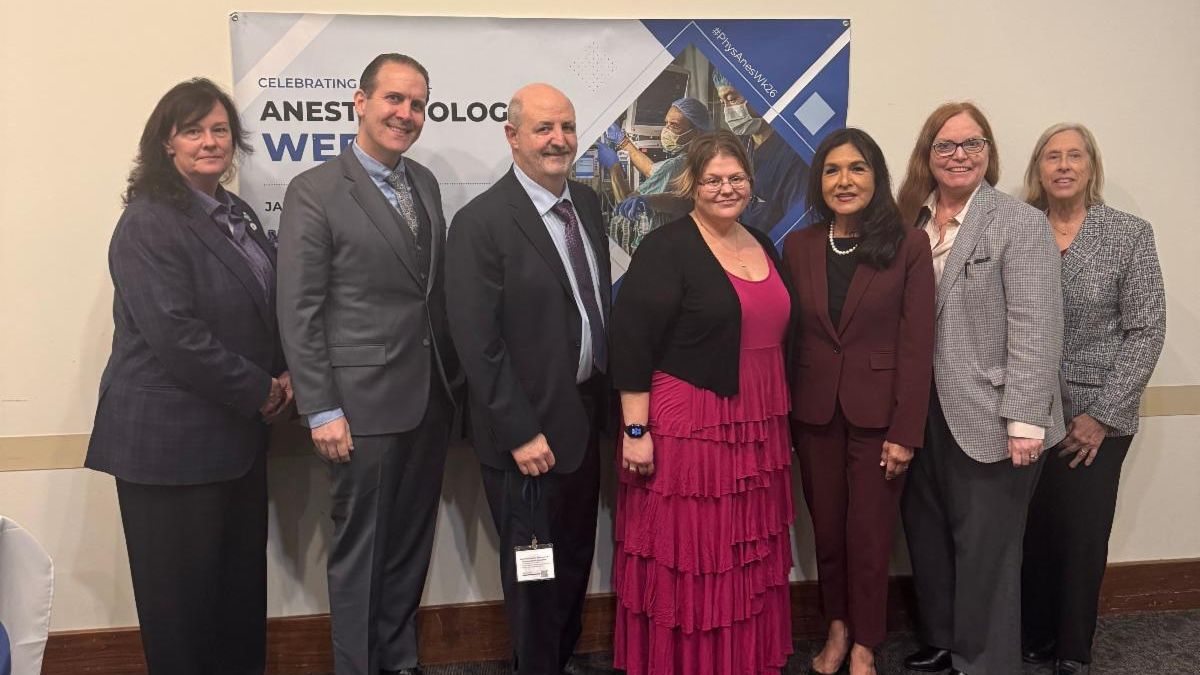
In honor of the critical role physician anesthesiologists play in patient care, the California State Assembly convened an Assembly Floor Session to recognize Anesthesiologists Week through Assembly Concurrent Resolution 122 (Ahrens). The resolution officially designated the week of January 25–February 1, 2026 as “Anesthesiologists Week” in California.
ACR 122 passed the Assembly Floor by unanimous vote, with 70 Assembly Members signing on as coauthors. The resolution highlights the extensive education and training of physician anesthesiologists, who complete between 12,000 and 16,000 hours of training before practicing independently. This rigorous preparation equips them to safely care for patients during more than 100 million surgical procedures and anesthetic encounters performed annually in the United States.
Assemblymember Patrick Ahrens (D–Silicon Valley), who introduced ACR 122, emphasized the essential role anesthesiologists play across the continuum of care, noting their presence in operating rooms, delivery rooms, intensive care units, pain management settings, and emergency and critical care environments.
He also highlighted the profession’s ongoing leadership in patient safety, stating that anesthesiologists continue to take proactive steps to promote patient safety in all healthcare settings while advancing education on pain management, safe opioid use, and non-opioid alternatives for pain control.
Following the unanimous vote, Assembly leadership welcomed CSA physician leaders and members to the Assembly Chamber in recognition of Anesthesiologists Week and their continued service to patients across the state.
Thank you to the following CSA members who attended the special day: Drs. Christina Menor, Mark Thoma, Todd Primack, Christine Doyle, Sydney Thomson, Robin Seaberg, Patrick Farmer, Christian Bohringer, Aaron Alokozai (UC Davis Resident), Prabdit Sidhu (UC Davis Resident), and Neema Meoini-Rastegar (UC Davis Resident).
| | |
Addressing California's Maternal Health Crisis:
CSA Hosts Landmark Policy Panel During
National Anesthesiologists’ Week
| | |
National Anesthesiologists’ Week was January 25-31. The week was spent by your CSA leaders educating the public, policymakers, and stakeholders about the extensive education and expertise of anesthesiologists in ensuring patient safety before, during, and after surgery. CSA leaders engaged with legislators, leaders of regulatory agencies and other community stakeholders over the course of two days in Sacramentoo educate and provide resources for them about what we do as a profession and build on our foundation of relationships with our lawmakers. These relationships are key for being trustworthy experts the legislators can count on to provide timely, accurate and excellence in information with utmost goal of always protecting patient safety and our profession.
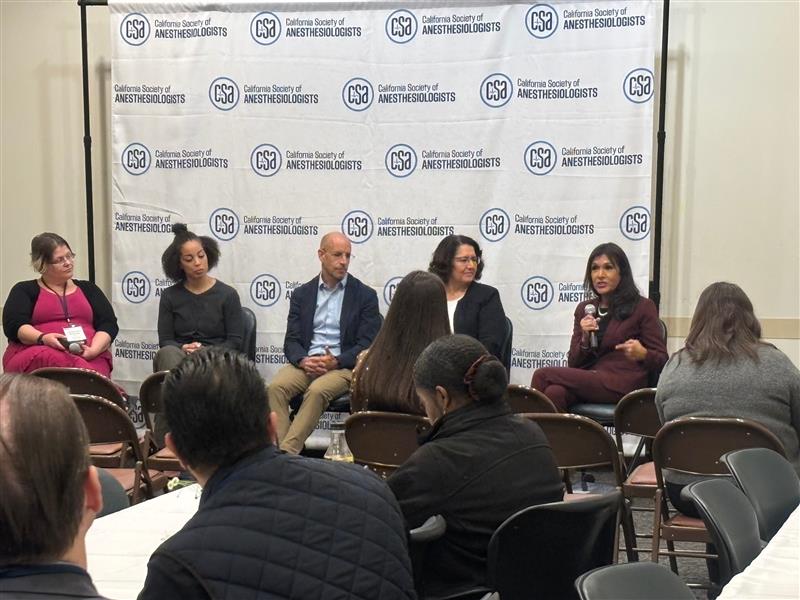
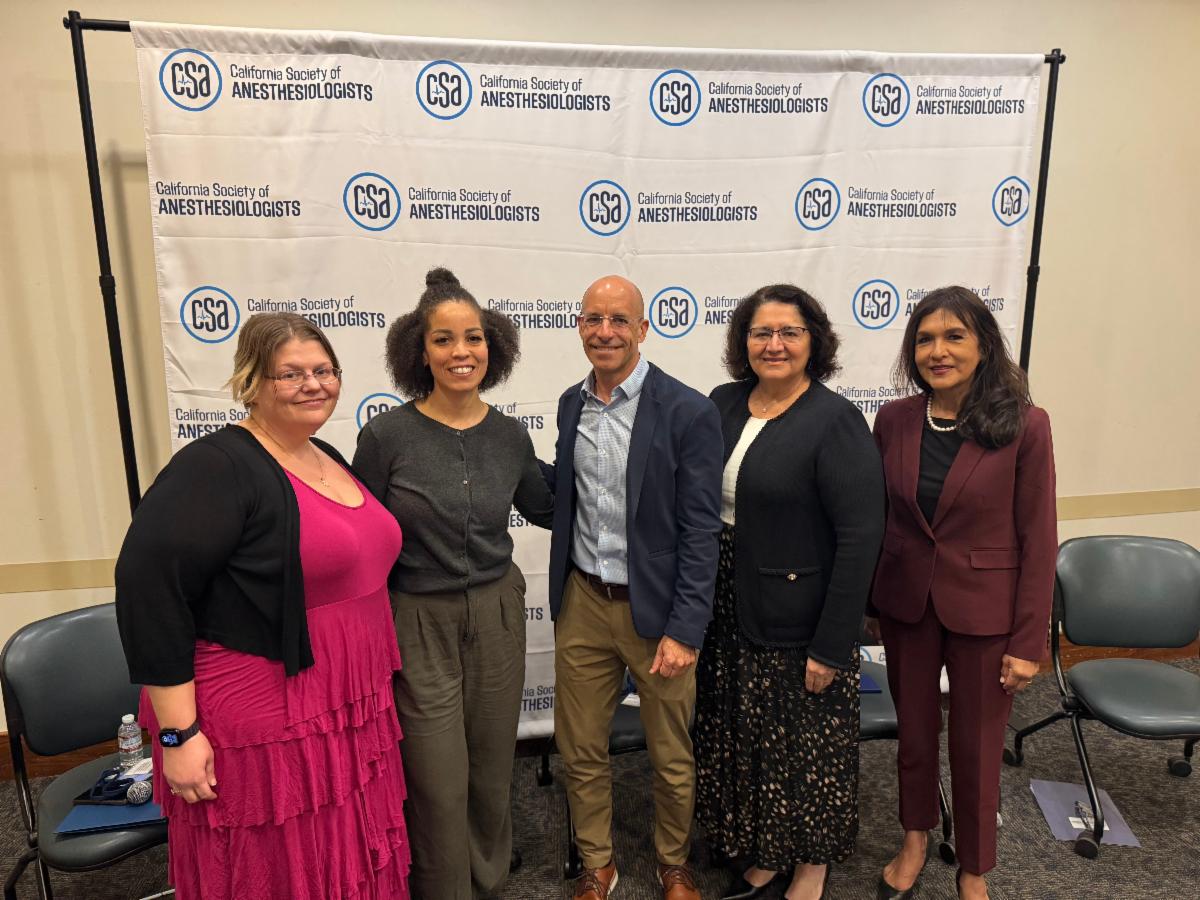
We hosted a multidisciplanary panel, “Addressing the Maternal Health Crisis in California: A Policy & Public Health Conversation”, in Sacramento on January 28th. The event was well received and attended by legislative staff, community stakeholders and Assemblymember Corey Jackson. The panel included the California State Surgeon General, Dr. Diana Ramos who is also a practicing physician in obstetrics and gynecology, Dr. Brendan Carvhalo who is the Chief of Obstetric Anesthesiology & Maternal Health at Stanford, Dr. Carolina Reyes who is a Maternal and Fetal Medicine Physician at UC Davis, Ms. Liz Freeman who is a Registered Nurse Certified in Inpatient Obstetrics, and myself, moderated by Ms. Brianna Taylor a health and wellness and audience engagement reporter for PBS KVIE. The conversation demonstrated the key role anesthesiologists play in the multidisciplanary team in caring for maternal populations, the disparities in maternal morbidity and mortality that exist among our black mothers, an overview of the problem in California and nationally compared to other developed nations, demonstrated how California has been able to improve the care through implementation of regulatory, legislative and policy changes and explored the work we still have to do together. The audience was engaged and had robust discussion during q&a. This event was one of many that we hope to have in the future engaging the legislators, stakeholders, experts and media on a medical crisis topic that we can come together across disciplines to improve the overall health of all Californians.
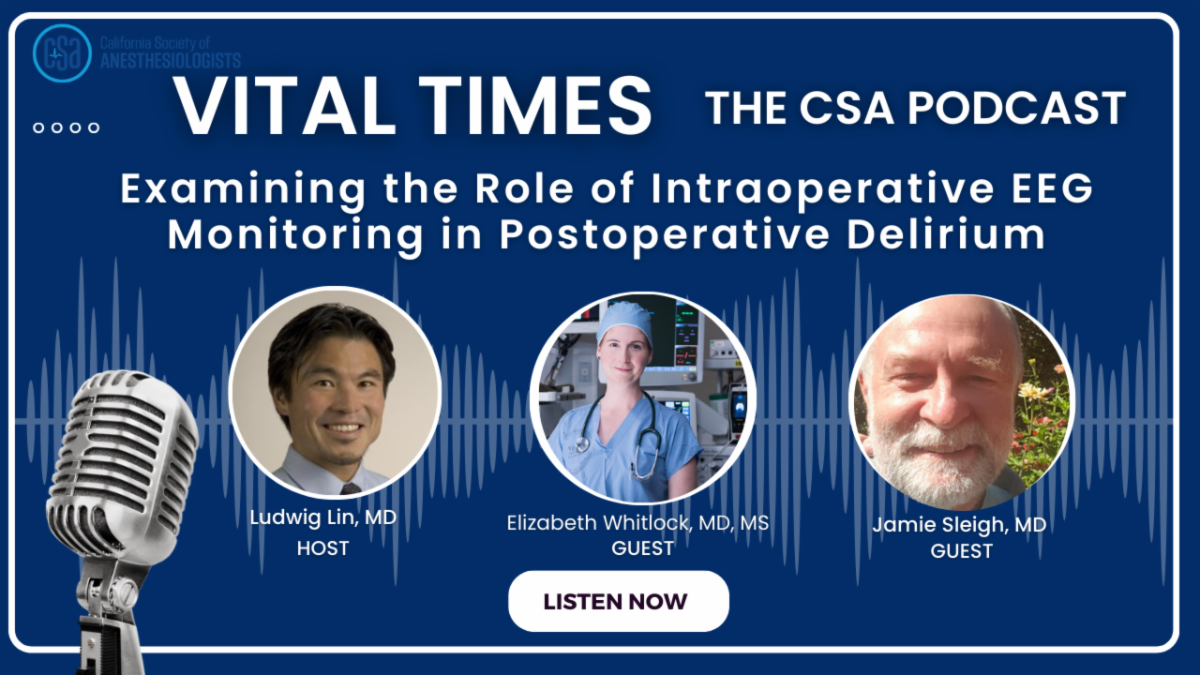
| | GASPAC Day of Contributing Results | | Thank you to everyone who contributed to GASPAC during our Day of Contributing Challenge on January 27. Your support is critical to CSA’s advocacy efforts and helps ensure anesthesiologists have a strong, effective voice in California. Thanks to you, CSA raised $28,000 with 172 member contributions! | | Listen to CSA's Podcast - Vital Times | | This episode of Vital Times features a conversation with clinician-scientists Dr. Jamie Sleigh and Dr. Elizabeth Whitlock, whose work focuses on delirium and perioperative brain health. They explore the emerging role of intraoperative processed EEG monitoring and its potential to improve postoperative neurological outcomes. This discussion highlights the evolving tools and evidence-based strategies anesthesiologists use to deliver safe, high-quality care and optimize patient outcomes across the perioperative continuum. | | Nominate Your Peer for the 2026 CSA President's Impact Awards! | | |
The California Society of Anesthesiologists (CSA), under the leadership of President Dr. Christina Menor, is excited to announce the 4th Annual CSA President's Impact Awards.
These prestigious awards recognize outstanding members who have made significant contributions to the field of anesthesiology in California across various areas:
-
Educator of the Year: Demonstrating excellence in education for colleagues, trainees, other healthcare professionals, patients, or the community.
-
Physician Advocate of the Year: Leading with exceptional effectiveness in legislative advocacy or practice management.
-
Clinical Innovator of the Year: Implementing creative solutions that have measurably improved clinical care, patient safety, healthcare processes, patient experience, or outcomes.
-
Rising Star Award: Awarded to an early-career member (less than 3 years post-training) displaying remarkable potential and excellence in one or more of the categories above.
-
In-Training Member of the Year: Recognizing a current resident or fellow who has made outstanding contributions in education, advocacy, or clinical innovation.
Show your appreciation and nominate deserving individuals by February 20, 2026! Simply visit this link to submit your nominations.
We encourage all CSA members to participate in this opportunity to celebrate the achievements of our peers and foster a culture of excellence within our specialty.
Don't miss out! Nominate today!
For any questions: Contact CSA Deputy Executive Director Kate Peyser at kpeyser@csahq.org.
| | Stanford Open Fellowship Position - Apply Now! | | |
Start date: January 2027
Accepted applicant is guaranteed a faculty anesthesiology position at Stanford from July 2026-December 2026 if desired
Applicants must have completed an ACGME accredited residency to qualify
Position is available outside the match
Email raapmfellowship@lists.stanford.edu for more information
People can reach out to msarwary@stanford.edu with any questions or concerns
| | ASA Diversity in Anesthesiology Visiting Rotation Scholarship Application Form | | |
The purpose of the Diversity in Anesthesiology Visiting Rotation Scholarship is to provide monetary support for medical student members who identify as underrepresented in medicine (URM). The funding will allow these students to pursue visiting rotations in Anesthesiology to increase their exposure to the specialty and subsequently help increase the number of students from URM groups who pursue Anesthesiology residency, while diversifying residency programs.
Visiting rotations (also known as away rotations) provide opportunities for students to learn about a specific program at an institution other than their own, and for many it may be their first Anesthesiology rotation if their own institution does not have a home program. Visiting rotations also benefit residency programs by allowing them to showcase their dedication to recruiting a diverse group of residents.
The application form will open on February 2nd and close on March 27th by 11:59 PM Central Time. To qualify for the scholarship students must meet the following criteria:
- Member of the American Society of Anesthesiologists
- Rising fourth year medical student in good academic standing at a U.S.-accredited medical school
- Pursuing visiting rotation in Anesthesiology
- Must submit proof of acceptance to a visiting rotation before funds are distributed
- Must attest to not receiving funding from their home/visiting institution
- Identify as URM
Notifications of who the award recipients are for 2026 will be sent by the end of the first week of May 2026.
| | Update regarding severe neurological complications and death after general anesthesia in adult and pediatric patients of Venezuelan ancestry (January 27, 2026) | | |
Joint Communication from the American Society of Anesthesiologists and the Society for Pediatric Anesthesia
Recent communications from South American anesthesia societies describe healthy adult and pediatric patients of Venezuelan ancestry who have had unexpected catastrophic outcomes, including severe neurologic damage with basal ganglia infarcts and death, after routine anesthetic exposures. Since word of these cases has spread, additional cases in Europe and the United States have been identified.
Most of what is known about the clinical cases has been shared only through personal communication or non-peer-reviewed publications. Although complete anesthetic and medical records are protected health information and, therefore, not accessible in most cases, the Society for Pediatric Anesthesia (SPA) and the American Society of Anesthesiologists (ASA) believe the severity of these cases warrants developing and sharing expert opinion despite incomplete and emerging clinical and scientific information.
Detailed family histories were taken in a subset of affected patients. These patients were all of Venezuelan heritage, and several had family members who had adverse outcomes after an otherwise uneventful anesthetic. Almost all the affected patients are reported to have received sevoflurane, although the duration and concentrations are unknown. A few of the patients reportedly received propofol infusions without incident. Critically, we do not know the granular details of each anesthetic. Thus, it is impossible to know all the drugs administered to each patient, their doses, concentrations, and/or durations. There is also limited information on the use of depth-of-anesthesia monitoring in these cohorts.
| | 2026 ASA Submissions Now Open | | ANESTHESIOLOGY 2026 will be the largest and most influential anesthesia event in the world, bringing the specialty’s thought leaders and global clinicians together to learn, network, and advance the science and practice of anesthesiology. | | Read the Latest CSA Online First Blog Post | | |
Remote Cognitive Testing and Perioperative Risk: Enhancing Access for Older Adults in Rural Areas
Victoria Liu, BS and Bernadette Wilks, MBBS
Implementing perioperative best practices remains challenging when many patients, often due to logistical, social or medical barriers, are unable to attend their preoperative appointments. These gaps are especially pronounced among older adults who already face significant social and structural obstacles to accessing hospital-based care. At the same time, an aging population and continued advances in surgical techniques means older adults now make up a growing share of the surgical population, accounting for 38% of all surgeries in 2024.1
Postoperative delirium is common, preventable in 40% of cases,2 and linked with increased costs, mortality and morbidity.3 Older adults also face more than an elevenfold increased risk of postoperative delirium.4 Expanding access to preoperative evaluation and aligning best practices with the realities of modern perioperative care pathways are essential steps toward meaningfully improving outcomes.
One promising approach to reach patients who struggle to attend in-person preoperative visits is to offer brief, remote assessments delivered through their personal devices. These tools are inexpensive, widely accessible, and give clinicians a meaningful pre-surgical snapshot of a patient’s baseline brain health, something that typically requires in-clinic cognitive testing and dedicated staff.
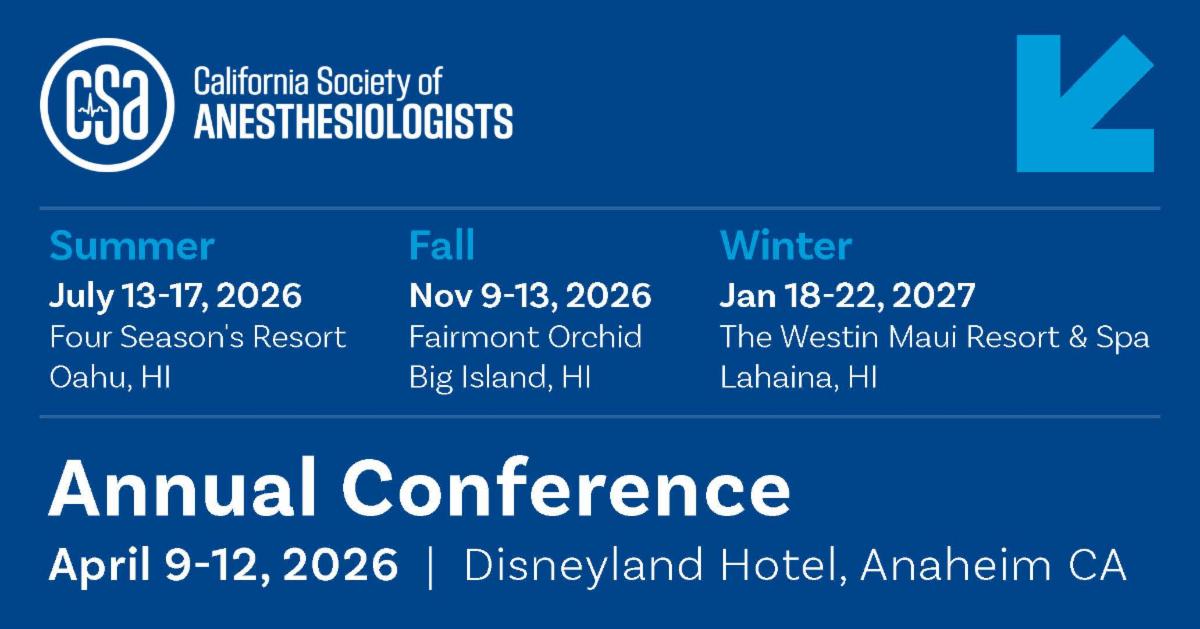
| | CSA Annual Anesthesia Conference | | |
Where Education, Innovation, and Experience Come Together
What CSA’s Annual Conference 2026 Offers You
-
Earn AMA PRA Category 1 CME™ credits and participate in MOCA® 2.0–eligible sessions.
-
Learn from expert-led education focused on elevating quality and advancing innovation in anesthesia.
-
Dive into timely topics including perioperative care, patient safety, AI, regional anesthesia, obstetrics, pediatrics, and more.
-
Maximize your conference experience on the exhibit floor with 20+ industry partners, engaging roundtable discussions, and curated networking lunches
-
Strengthen practical skills through optional hands-on workshops and interactive learning formats.
-
Balance education with family-friendly fun! Bring your family and enjoy nearby Disneyland, with discounted tickets available for California residents or through the CSA ticket store.
-
Connect with colleagues from across the state at receptions and networking events in a world-class destination.
| | |
The CSA Job Board specifically advertises recent job openings in the state of California for physician anesthesiologists. These jobs are submitted by fellow CSA members.
If you know of a recent job opening and would like to share, please fill out this form here.
Questions? Email Kate Peyser at kpeyser@amgroup.us.
Recent Openings:
- M.D. Anesthesiologist for pediatric dental anesthesia – Orange County – Full Time
- M.D., self-employed solo practitioner – Los Altos – Full Time
- Anesthesiologists – Sacramento – Full-Time and Part-Time
- M.D., Self-Employed Solo Practitioner – Los Altos – Full Time
| | To provide feedback about the CSA newsletter, click here. | | | | |