|
Today, we meet and celebrate:
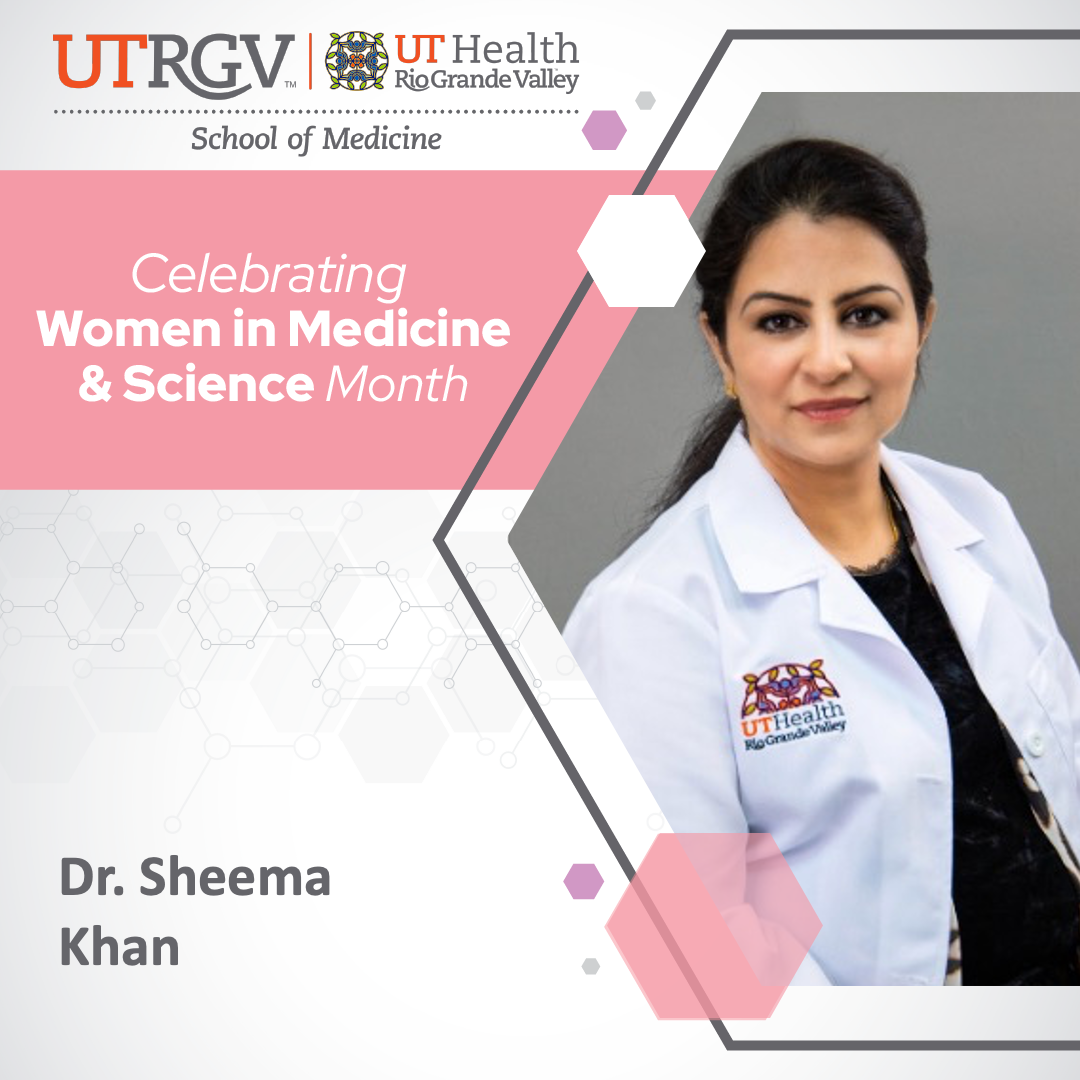
Dr. Sheema Khan
Name and Last name:
Sheema Khan
Hometown:
I was born and raised in Kashmir, J&K, India, and relocated to the United States in 2012 to pursue a postdoctoral fellowship.
What school did you graduate from, and what degree did you graduate with?
I earned my PhD in Biotechnology from the Indian Institute of Integrative Medicine (CSIR) in Jammu, J&K, India.
What inspired you to pursue a career in medicine?
My inspiration to pursue a career in medical research stems from a deep desire to make a tangible difference in people's lives through scientific discovery and innovation. Growing up, I witnessed the profound impact that medical advancements can have on individuals and communities. My academic journey in immunology and microbiology and my research in early cancer diagnosis and novel therapeutics solidified my commitment to the field. Medicine offers a unique opportunity to bridge the gap between scientific research and patient care. I am driven by the potential to contribute to advancements that improve outcomes and save lives. As an assistant professor at UTRGV School of Medicine, I have been fortunate to conduct research that directly addresses health disparities, particularly among underrepresented populations. This experience has further reinforced my dedication to the field, as I have seen firsthand the importance of innovative therapies and early diagnosis in improving patient outcomes. Ultimately, my career in medical research is not just about advancing science—it's about making a meaningful difference in the lives of those who need it most.
What do you enjoy most about working at the UTRGV School of Medicine and UT Health RGV?
As a faculty at UTRGV School of Medicine, I am profoundly fulfilled by the opportunity to significantly impact our local community and the broader field of medicine. Being part of one of the largest Hispanic-serving institutions in the country, I am deeply inspired by our diverse student body and the chance to tackle the health disparities in underrepresented communities. This unique environment instills a strong sense of purpose and dedication to advancing healthcare outcomes for historically underserved populations. Mentoring and guiding the next generation of medical professionals and researchers is incredibly rewarding. Witnessing my students and trainees grow, hone their skills, and achieve career success is one of the most gratifying aspects of my role. Additionally, the collaborative, interdisciplinary atmosphere at UTRGV fuels innovation and enables me to engage in research that aims to improve patient outcomes, particularly for those suffering from gastrointestinal cancers. Being part of a forward-thinking institution that champions excellence, diversity, and community engagement makes my work at UTRGV School of Medicine immensely satisfying.
How has the landscape for women in medicine changed since you started your career?
Since my career began, the landscape for women in medicine has significantly transformed, reflecting broader societal changes toward gender equity. When I started, women faced numerous barriers to accessing leadership roles, securing research funding, and achieving recognition in their fields.
Today, we see a much more inclusive environment, with increasing numbers of women in top positions, from academic departments to hospital leadership and beyond. There has been a concerted effort to address disparities through policies and initiatives aimed at supporting women throughout their careers. Mentorship programs, networking opportunities, and flexible work arrangements have become more prevalent, helping to create a more supportive and equitable workplace. In particular, support networks and mentoring programs designed for women in medicine have been instrumental in assisting them to navigate their careers and overcome barriers.
Moreover, there is greater recognition of issues such as gender pay gaps and work-life balance. Institutions are now more proactive in creating policies that support women's advancement and ensure their contributions are valued equally. The visibility of female role models has also grown, which is crucial for inspiring the next generation of female medical professionals. Despite these advancements, challenges remain, and continued efforts are necessary to ensure that women in medicine and science receive equal opportunities and recognition.
What advice would you give to young women considering a career in medicine?
Embrace your unique strengths and pursue your passion for medicine with dedication. Believe in your abilities and know that you have the power to chart your own path. Surround yourself with supportive mentors who can guide you and confidently advocate for your career goals and needs.
What unique strengths do you think women bring to the medical profession?
Women bring unique strengths to the medical profession, including deep empathy that enhances patient care and strong collaborative skills that foster effective teamwork. Their multitasking and problem-solving abilities are invaluable in high-pressure settings, and their diverse perspectives drive innovative approaches to medicine. These qualities enrich the field and contribute to improved healthcare outcomes.
Can you expand on a challenge you faced in your career as a woman in medicine and how you overcame it?
Early in my career, balancing the rigorous demands of research, teaching, and administration while establishing my place in a male-dominated field was a significant challenge. To overcome this, I committed to excellence in my work and actively sought mentorship and support from colleagues. By demonstrating my leadership through impactful research and strategic contributions, I not only advanced my own career but also opened doors for others. This journey has reinforced my belief in the power of perseverance and collaboration, which are essential for overcoming barriers and driving progress in scientific research and medicine.
|