|
Dear Friends,
Last week, I shared my deep concern about the state’s decision to divert $45 million in opioid settlement funds away from the priorities outlined in New Jersey’s new Strategic Plan,
funds that were meant to support housing,
harm reduction,
treatment,
and wraparound services for those most impacted by the overdose crisis.
This week, I want to focus on something that too often gets missed:
the economics.
Harm reduction and recovery support services don’t just save lives,
they save money.
When people have access to:
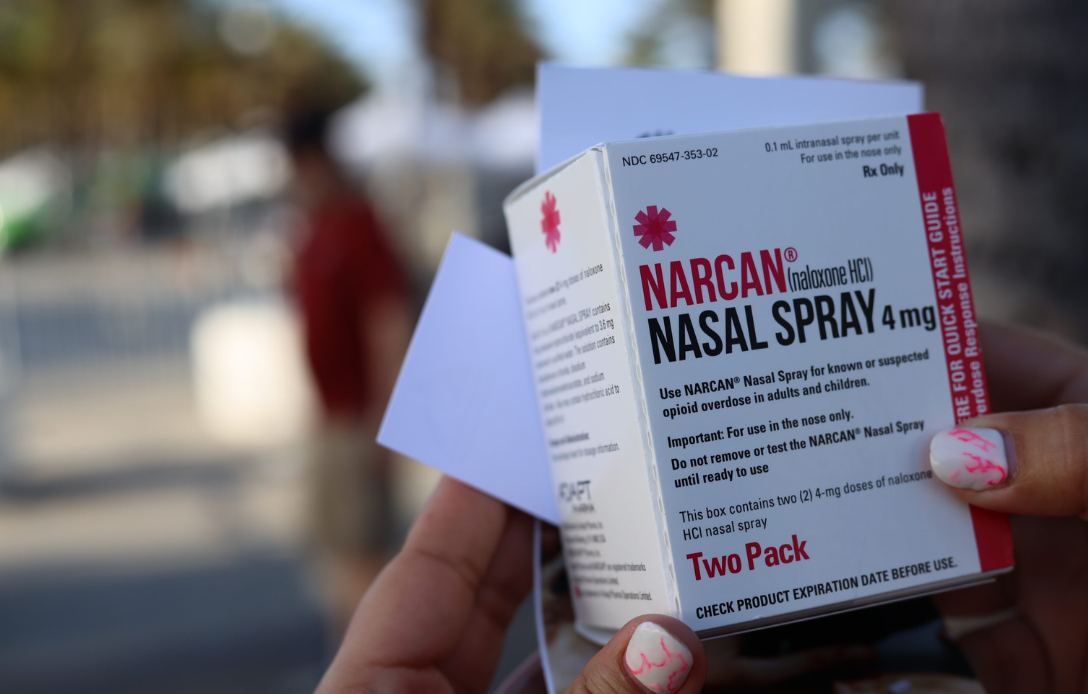
- Naloxone
- Peer recovery support
- Syringe access
- Housing
- Community-based care,
they are far less likely to cycle through emergency departments,
intensive care units, and hospital readmissions.
These services reduce strain on emergency responders,
and improve health outcomes before a crisis escalates to a costly hospital stay.
Ironically, by pulling $45 million away from the very services that reduce
preventable hospital visits,
the state’s decision may create a greater cost burden for hospitals
than what they’ve temporarily gained.
In public health, we often say that an ounce of prevention is worth a pound of cure.
That’s especially true here.
Every dollar spent on upstream services reduces the need for downstream crisis care.
Care that is far more expensive, traumatic, and often too late.
This is not just a moral failure. It’s a fiscally irresponsible one.
The opioid settlement funds were never meant to be a bailout for institutions...
They were meant to be a lifeline for people.
When we fund services that help people
avoid overdoses,
navigate recovery,
and build stable lives,
hospitals benefit too, because they are no longer the only safety net.
If we want to support hospitals
...we should be funding the things that keep people out of them.
You can read the open letter from myself and the other members of the New Jersey Opioid Recovery and Remediation Advisory Council here.
Let’s keep the pressure on.
Let’s keep telling the truth.
Let’s fight for the smart, compassionate,
cost-effective solutions our communities deserve.
|