Wisconsin Ranks 14th-Worst for Road Conditions in Recent National Report | | |
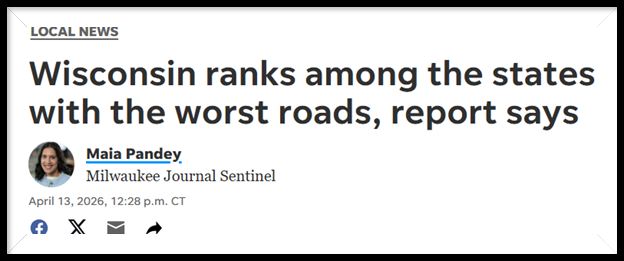
It’s a familiar headline: “Wisconsin ranks among the states with the worst roads, report says." According to the latest ConsumerAffairs analysis of federal data, Wisconsin has the 14th-worst road conditions in the country.
The report combines measures of road roughness on urban and rural roadways with traffic fatality rates, drawing on 2023 data from the Federal Highway Administration and the Bureau of Transportation Statistics. The analysis of conditions, like others using federal data, focuses on major roads and excludes most local roadways.
Wisconsin’s major roads are in worse condition than the national average. About 57% of the state’s urban roadways and 15% of its rural roadways are rated in poor condition, compared with national averages of 36% and 10%, respectively. The federal data covers roughly 4,400 miles of urban roads and nearly 12,800 miles of rural roads in Wisconsin. Overall, this means about three-quarters of the state’s analyzed roadways are in acceptable condition, while one-quarter are rated as poor.
Wisconsin lags behind its neighbors. Illinois ranks 19th-worst, Michigan 25th-worst, Iowa 34th-worst, and Minnesota is the second-best in the nation. Factors such as climate and weather patterns contribute to challenges across states with harsh winters, yet Wisconsin’s results stand out regionally.
However, the state showed some improvement: Wisconsin’s 14th-worst ranking is better than its 8th-worst position in ConsumerAffairs’ 2025 report.
“Wisconsin has increased investment in recent years,” said Debby Jackson, executive director of the Transportation Development Association of Wisconsin. “But what this report reinforces is that we are playing catch-up after decades of disinvestment.”
Jackson emphasized the broader implications: “This report—and those that came before it—highlight the need to shore up transportation revenue to at least maintain the purchasing power of existing investment levels. Otherwise, we will see conditions resume a downward trajectory.”
| | It's Time for Turnout for Transportation | | |
As the article above shows, we have made some progress, but we still have work to do.
Join us for breakfast and an engaging roundtable discussion on Wisconsin's transportation future.
Please RSVP today.
Hear directly from local officials, community leaders, and industry partners about the current state of our transportation infrastructure, emerging opportunities, and their real-world impacts on our neighborhoods, businesses, and the state’s economy.
Together, we'll reflect on the progress we've made and the challenges still ahead as we work to preserve a safe, modern, and interconnected transportation system that keeps Wisconsin moving forward, strong, and competitive.
Legislators and candidates will be in attendance.
Your voice and perspective matter. We hope you'll join the conversation.
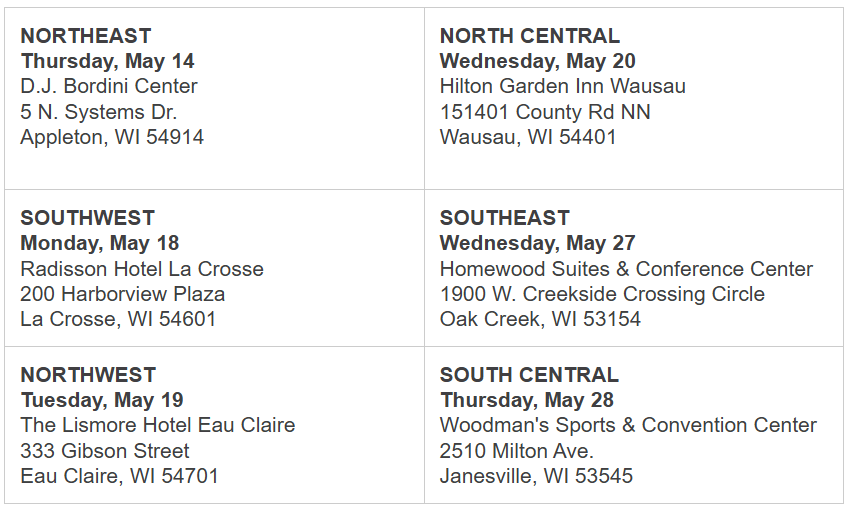
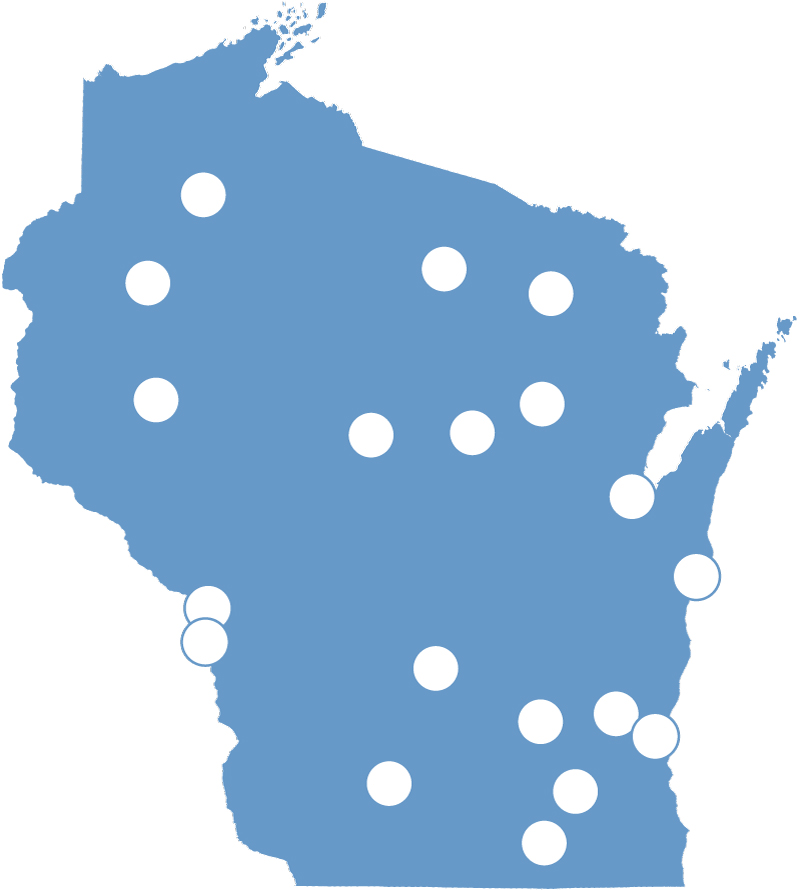
Regional Turnout for Transportation Roundtables
7:30 - 9:00 a.m.
| | |
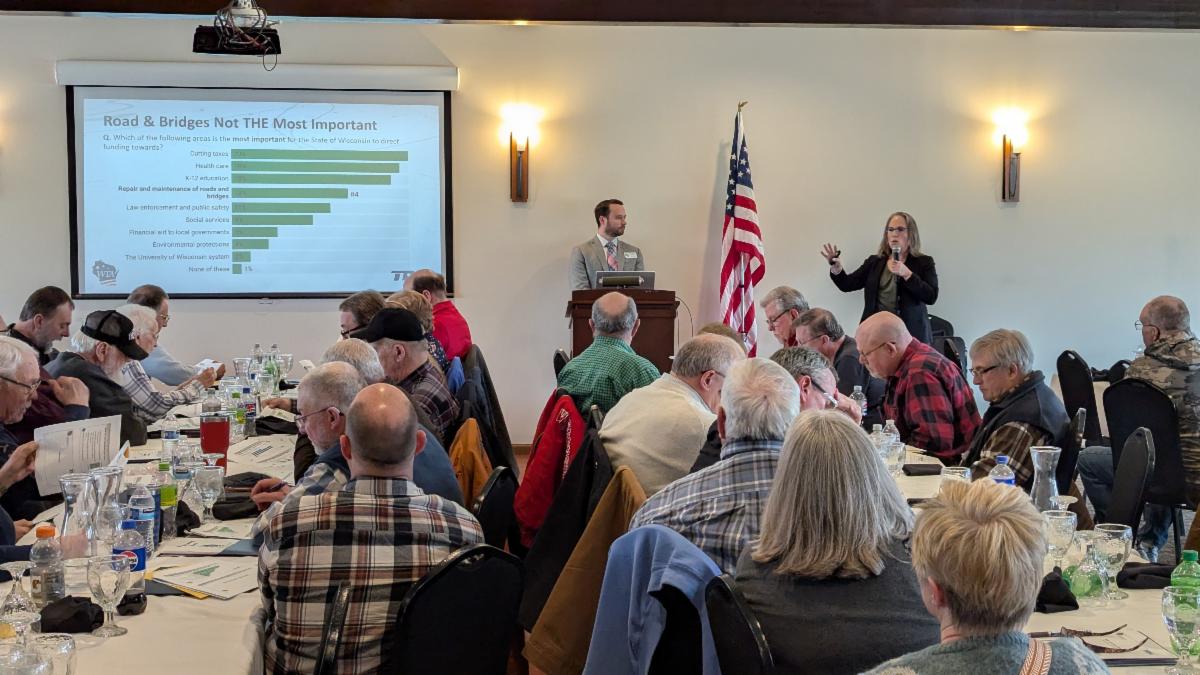
In the first three months of 2026, TDA Executive Director Debby Jackson logged more than 5,000 miles on the association’s vehicle on the way to more than 20 speaking engagements. Jackson extends her gratitude to both member and non-member organizations for the opportunity to share the transportation coalition’s message with thousands of community leaders.
Pictured below: Jackson and Joe Ruth, Wisconsin Towns Association (WTA) government affairs director and legal counsel, present together at the WTA District Meeting in Beaver Dam.
| | Wisconsin Joins National Work Zone Awareness Week to Promote Safety in Work Zones | | |
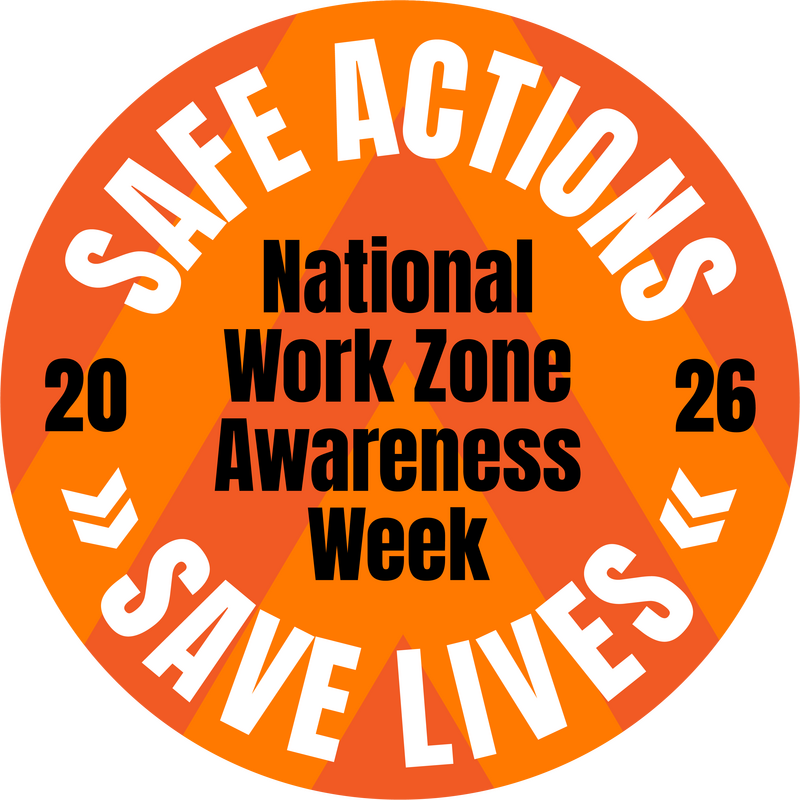
National Work Zone Awareness Week (NWZAW) returns April 20–24, 2026, as a nationwide reminder that safe driving through construction zones protects lives, both on the road and at the worksite.
Founded by the American Traffic Safety Services Association, the American Association of State Highway and Transportation Officials, and the Federal Highway Administration, NWZAW has been observed for more than 20 years. The campaign launches each spring at the beginning of construction season to raise public awareness that every driver plays a critical role in keeping motorists and roadway workers safe.
This year’s theme, “Safe Actions Save Lives,” emphasizes the simple but powerful choices drivers can make: slow down, pay attention, and give workers the space they need.
The stakes are high. The Wisconsin Department of Transportation (WisDOT) has more than 400 projects planned for this year. Combined with municipal construction efforts, the result will be a large number of active work zones throughout the construction season.
While Wisconsin saw a decrease in work zone crashes and fatalities last year, the numbers remain sobering. More than 2,000 work zone crashes in 2025 resulted in over 600 injuries and seven tragic fatalities. These incidents highlight why vigilance is essential every time drivers approach orange barrels, cones, or flaggers.
Governor Tony Evers has officially proclaimed April 20 through 24, 2026, as National Work Zone Awareness Week in Wisconsin. The state joins WisDOT, roadway workers, and drivers across the nation in promoting the message that safe actions save lives.
How We Can All Help:
- Slow down in work zones
- Stay alert and avoid distractions
- Merge early and expect the unexpected
- Give workers extra space and respect flaggers
Work zones may be temporary, but the consequences of careless driving are permanent. Let’s all do our part to make sure everyone gets home safely this construction season.
Drive carefully. Safe Actions Save Lives.
| | Trump FY 2027 Budget Proposal, Post IIJA | | |
On April 3, the White House released the president’s fiscal year 2027 budget, outlining the administration’s spending priorities for the year that begins October 1, 2026. The proposal includes a 10% cut ($73 billion) to non-defense discretionary spending while increasing defense spending by 44% to $1.5 trillion.
As is typical for many presidential budget submissions, the document provides limited programmatic detail. This one also does not include a comprehensive surface transportation reauthorization proposal. According to the Eno Center for Transportation, a nonpartisan transportation think tank, the budget includes modest adjustments to highway and mass transit spending from the Highway Trust Fund. Notably, the advance General Fund appropriations provided by the 2021 Infrastructure Investment and Jobs Act (IIJA) expire after FY 2026.
Key Highlights:
- The proposal includes a 2.1% increase in Highway Trust Fund obligation limitations for both highways and mass transit, raising Federal-Aid Highways to $63.973 billion and Transit Formula Grants to $14.95 billion.
- When combined with the expiration of IIJA’s General Fund supplements, these adjustments produce significant overall reductions: a 12.0% cut for the Federal Highway Administration (FHWA) and a 22.2% cut for the Federal Transit Administration (FTA) relative to FY 2026 enacted levels.
The budget does propose new General Fund spending for two Federal Highway Administration discretionary grant programs:
- $770 million for the INFRA grants program, including a new 25% rural set-aside (waivable if insufficient rural projects qualify).
- $713.7 million for a scaled-back bridge formula program to replace the larger IIJA version. Funding would be apportioned using FY 2026 shares but at significantly reduced levels, with a 15% set-aside for off-system bridges.
Next Steps
The president’s budget proposal is seldom acted on by Congress, but it serves as the annual starting point for negotiations to complete spending bills before the new fiscal year begins.
The House Appropriations Committee has released its FY 2027 markup schedule. The Transportation-HUD Subcommittee is scheduled to mark up its bill on May 21, with full committee markup following on June 4. This timeline creates an opportunity for the House Transportation and Infrastructure Committee to advance a surface transportation reauthorization bill and have appropriators align the funding levels (obligation limitations on contract authority).
It remains unclear when the Senate Appropriations Committee will begin work on its FY 2027 proposals.
| | House Transportation Panel Targets April 29 Markup for Highway Bill | | |
House Transportation and Infrastructure Committee Chairman Sam Graves (R-Mo.) plans to mark up the next surface transportation reauthorization bill on April 29.
Graves told POLITICO the committee is targeting a topline funding level of between $500 billion and $550 billion over five years. The Missouri Republican has emphasized a “back to basics” approach focused on improving roads, bridges, and other core surface transportation infrastructure. The current authorization, provided by the Infrastructure Investment and Jobs Act (IIJA), expires on Sept. 30, 2026.
The bill is expected to include a new registration fee on electric vehicles as one of its pay-fors, though negotiations on the final topline number are still ongoing. If the committee follows past practice, bill text could be released as early as April 24.
For context, the IIJA provided approximately $539 billion in guaranteed budget authority for core surface transportation programs over five years — $383 billion from the Highway Trust Fund and $156 billion in advance general fund appropriations. A flat extension of the IIJA’s final-year funding levels would total roughly $556 billion, or about $594 billion when adjusted for inflation.
The upcoming bill is expected to shift funding toward formula grants to states and transit providers, rather than the competitive grant programs favored in recent years.
Graves has previously proposed an annual registration fee of $250 for electric vehicles and $100 for hybrids. Such fees are projected to generate between $28 billion and $35 billion over five years, depending on adoption rates. Even with those revenues, more than $100 billion in additional funding would still be needed.
The markup represents the next step in advancing a surface transportation reauthorization. The Senate has yet to publish its timeline.
| | Experts, States Skeptical About Gas Tax Holidays as Middle East Conflict Drives Gas Prices Higher | | |
National gasoline prices have climbed sharply amid the ongoing conflict in the Middle East, with the U.S. average hovering near $4–$4.10 per gallon in mid-April 2026, up more than 30% since tensions escalated with attacks on oil infrastructure and disruptions in the Strait of Hormuz.
Many governors from both parties are steering clear of temporary gas tax suspensions, with lessons from 2022 still fresh. During that year's spike above $5 due to Russia's invasion of Ukraine, several states enacted "gas tax holidays." Consumers reported scant relief. In some cases, pump prices barely budged or even rose as retailers and wholesalers adjusted.
Gas taxes represent only a fraction of the final price. According to the U.S. Energy Information Administration, taxes made up about 17% of a gallon’s cost from 2016 to 2025, and crude oil accounted for 52%. These taxes are usually collected upstream, so suspensions don't pass fully to drivers.
American Road & Transportation Builders Association Chief Economist Dr. Alison Premo Black called such measures "well-meaning" in 2022 but "ineffectual in the short-term" and damaging to long-term transportation funding.
This time, the dynamics differ. The 2022 surges were largely fear-driven. Today's reflects a genuine supply bottleneck from damaged infrastructure and restricted Hormuz shipping, which handles a significant share of global oil. Experts warn that a tax holiday would likely deliver even less relief, as lower taxes could simply boost demand and push prices back up, functioning more like rationing relief than true savings.
Republican Florida Gov. Ron DeSantis expressed skepticism: “When we did it in the past … I don’t think the consumer really felt relief.” He and others cite strained state budgets and the limits of state-level fixes against global pressures.
A few states have acted anyway. Georgia suspended its 33-cent gas tax for 60 days through May 19. Indiana Gov. Mike Braun ordered a 30-day suspension of the state's 7% gasoline use tax from April 8 to May 8. Utah Gov. Spencer Cox signed a reduction of 6 cents per gallon effective July 1 through the year's end.
Others are weighing options, but hesitation dominates. A senior fellow at the Tax Foundation summed it up: “Tinkering with gas taxes won’t reopen the Strait of Hormuz, and it won’t deliver anything close to dollar-for-dollar savings to motorists.”
Energy Secretary Chris Wright has indicated U.S. gas prices may not fall below $3 per gallon until 2027, underscoring the conflict's deep and lasting impact.
With real supply shocks in play, states appear to favor broader energy strategies over politically appealing but limited tax tweaks.
| | 2026 County Forest Road Aid Supports Nearly 940 Miles of Rural Access | | |
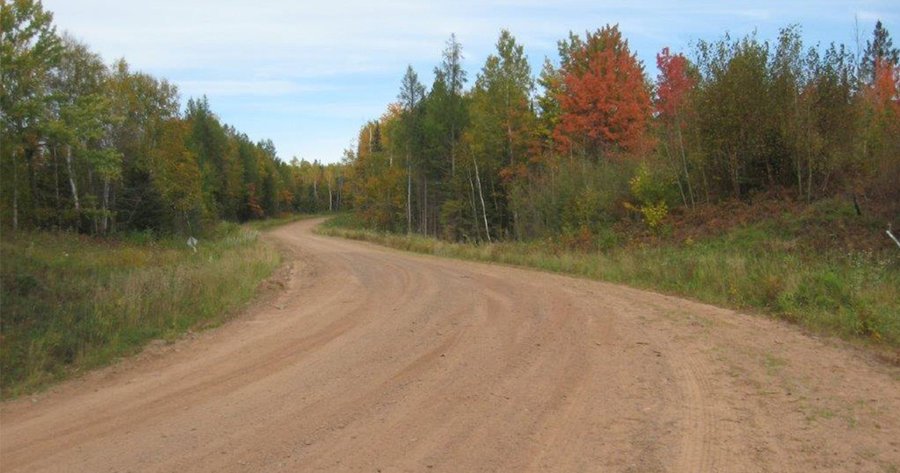
Many of Wisconsin’s county forest roads are aging gravel or lightly surfaced routes that carry logging trucks, farm equipment, outdoor enthusiasts, and other vehicles deep into rural areas. Without support, counties struggle to keep these low-volume but economically critical roads in safe, passable condition.
Improvements to county forest roads enhance safety for logging operations and recreational users alike. They also protect forest resources by controlling runoff and keep rural economies connected to markets and tourism opportunities.
The state approved $328,300 in County Forest Road Aid for 2026, supporting nearly 940 miles of county forest roads in 24 rural counties across Wisconsin.
Read More
| |
- Turnout for Transportation Roundtables, six events in May (see above)
- Annual Meeting, Nov. 12
| | Thank You to Our 2026 Organizational Sponsors | | |
The MobiliSE 2026 Spring Summit will take place on April 27 at the Zoofari Conference Center in Milwaukee.
The summit brings together over 100 civic and community leaders, grassroots advocates, and transportation professionals to talk about the future of transit and transportation choices in Southeast Wisconsin.
TDA Executive Director Debby Jackson will participate in a panel discussion on effective advocacy strategies.
More details and registration information are available here.
| |
The Construction Business Group Conference will take place on May 6 at the Madison Club.
This event features an amazing lineup of speakers, topics, and networking opportunities. Conference attendees include building trade professionals, contractor association staff, contractor executives, utility representatives, and government officials.
In the afternoon, a Wisconsin Transportation Outlook panel will feature Secretary Boardman and representatives from TDA, the Wisconsin Transportation Builders Association, and the Wisconsin Towns Association.
More details and registration information are available here.
| | |
The WCHA 2026 Summer Highway Conference will take place on June 8-10 at the Kalahari Resort in Wisconsin Dells.
More details and registration information are available here.
The deadline to register is May 27.
| | If you would like TDA to consider including your organization's update or event in an upcoming newsletter, please forward information to Luke Pearson at luke.pearson@tdawisconsin.org. | |
Transportation Development Association of Wisconsin10 East Doty Street, Suite 201 | Madison, WI 53703
(608) 256-7044 | general@tdawisconsin.org
| |
| | | |