|
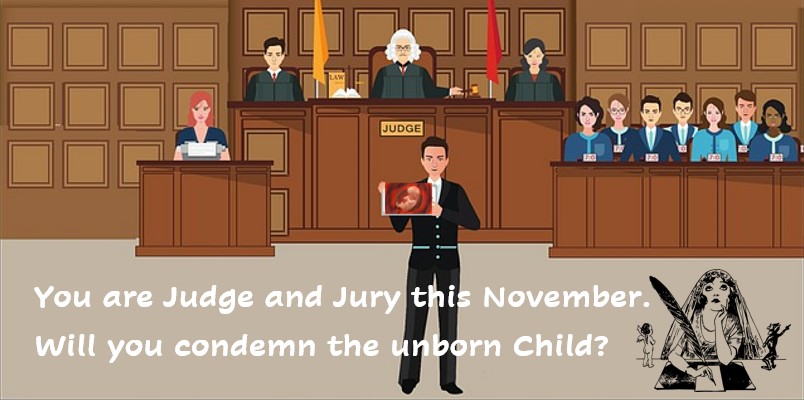
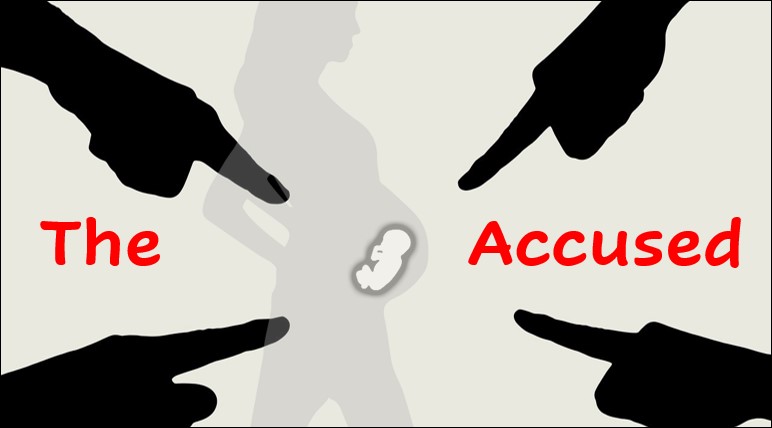
In this trial, the "accused" isn't able to defend themselves. In this trial, the defendant needs the help of others. What is their crime? What did they do to deserve the maximum penalty - a death penalty? Well, that's the ironic thing - they didn't do anything. They are on trial for the actions of others - two others to be exact, one man and one woman.
So what's the case laid out before them?
They were charged for being unwanted, a burden not worthy of enduring. They present no value. That must be what the accuser believes or they wouldn't sentence them to death. In defense stands the Creator, who knows the accused personally (Jeremiah 1:5) while knitting them in their mother's womb (Psalm 139:13-16). Our Founding Fathers also stand in defense, proudly professing life's intrinsic value - a belief that everyone adds value which they enshrined in our constitution.
So the accuser says its "my body, my choice. I have autonomy over my own body, not you." The defense agrees, one should have autonomy over their body. The defense would like to see a DNA test be performed to see if its really you. What we find is something entirely new! A person with their own traits; traits defined at the moment of conception.
"This is healthcare" says the accuser. "Everyone should have the ability to take care of themselves." The defense, of coarse professes, death is not healthcare. Killing one person, at the request of another, fits no-one's definition of healthcare. And what about the healthcare of the accused?
So then comes the last accusation - "the accused is not a person. "They are merely a clump of cells; nothing more, nothing less." Once again, the Creator says differently. Did John not leap in his mother's womb at the presence of our Lord, also in his mother's womb (Luke1:41)? Are these the actions of a clumps of cells?
That is the case. Who professes the truth?
|