|
|
University of California San Fransisco |
|
|
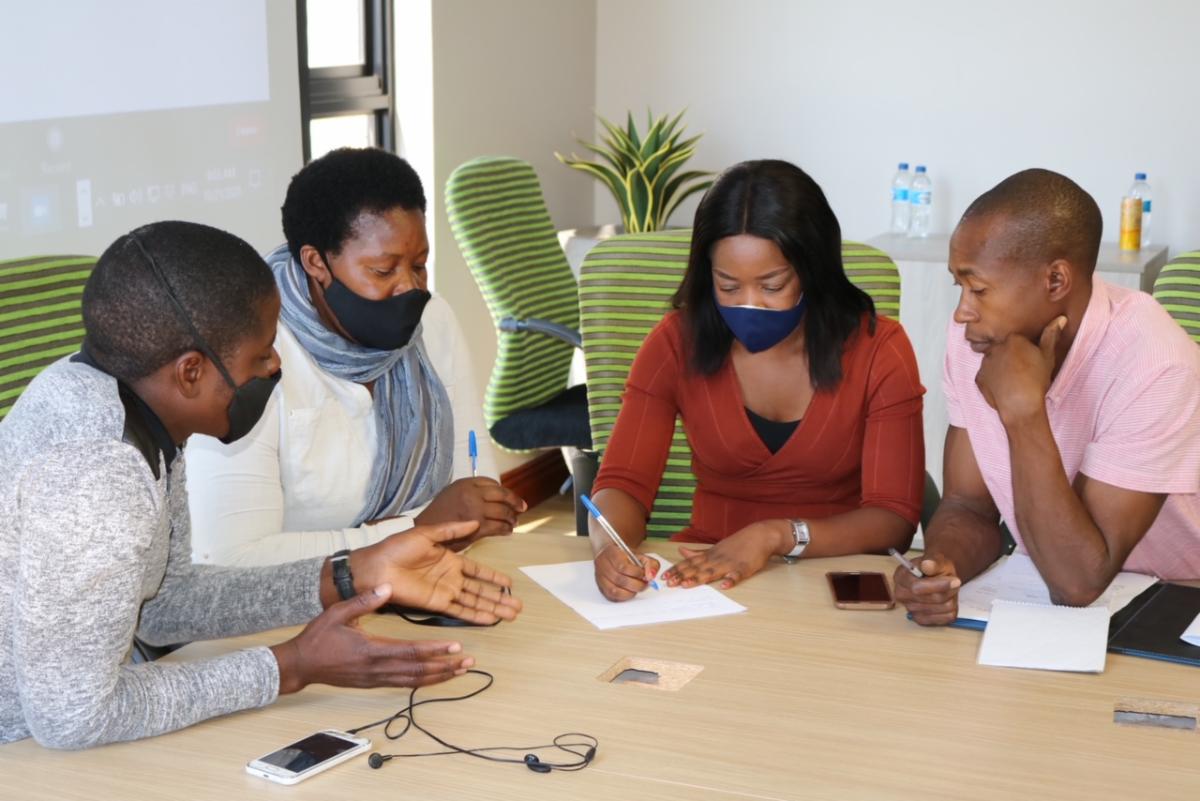
Caption and Photo Credit: Members of the Zambezi Regional AIDS Coordinating Committee strategize plans for establishment of the country’s first subnational Malaria Elimination Task Force. Photo by Lesley-Anne van Wyk. |
|
With MEI’s support, four regions in northern Namibia have established new multisectoral leadership committees that will drive advocacy efforts to ensure malaria elimination remains a top local priority and is adequately funded. Kavango East, Kavango West, Oshikoto, and Zambezi have each created a Malaria Elimination Task Force (METF) comprised of local leaders representing government, non-governmental and faith-based organizations, private sector, academia, and local elected officials. The METFs function as subcommittees of Namibia’s established and well-connected Regional AIDS Coordinating Committees, reporting to elected authorities on the Regional Council. The METFs lead advocacy, multisectoral action, and political engagement to complement the national malaria program’s technical leadership and subnational programmatic implementation that is primarily led by Regional Health Directorates. In the next annual budget cycle, the METFs plan to advocate for integration of malaria into Regional Council operational plans and budgets – which historically have not included malaria.
The establishment of METFs is one of many exciting outcomes of a 2-year malaria budget advocacy (MBA) partnership between MEI and Namibia’s National Vector-borne Diseases Control Programme (NVDCP) that spanned from 2019 to 2021. Utilizing MEI’s Sustainability Model, the MEI-Namibia partnership expanded MEI’s MBA support from Asia Pacific to sub-Saharan Africa and sought to strengthen leadership, advocacy, and public financial management capacities of subnational malaria leaders to support sustainability and accelerate progress toward elimination.
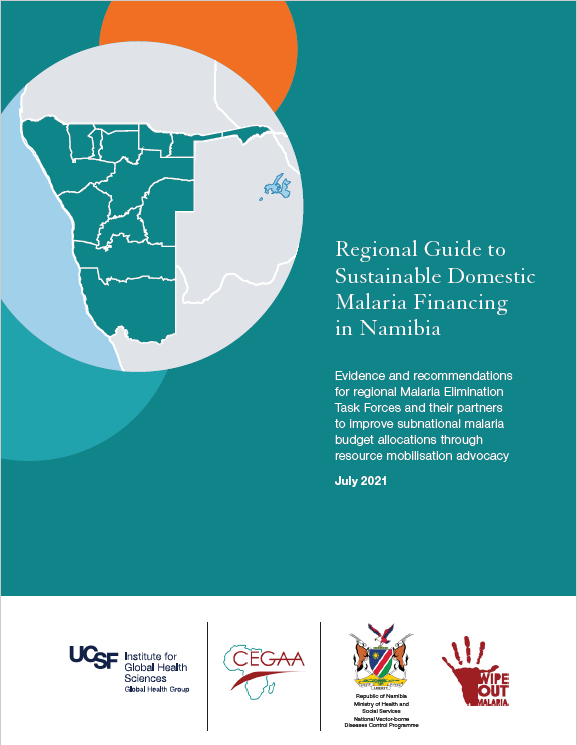
Other resources created under the Namibia MBA initiative, in partnership with the Centre for Economic Governance and Accountability in Africa, include:
Namibia’s regional leaders reflected on the value and impact of MEI’s support in broadening coalitions of subnational malaria advocates and strengthening their capacities to engage in the budget process:
“I have seen a big impact on stakeholder engagement since MBA started. Regional Health Directorates [are] reaching decentralized stakeholders and leaders in the constituencies, and they are now more open to malaria messages… The budgeting aspect has been very informative and helpful for me as a professional in public health. The prioritization process of needs [and how to influence] the budget process has been insightful. Even just to understand that advocacy is such a diverse field… We had many eye-opening moments as a team.” - Advocacy focal point, Oshikoto region
Although MEI’s support has concluded, the design of the partnership was built to ensure continuity. The METFs were intentionally institutionalized within an existing political platform and will convene on a quarterly basis without external financial or technical support. These nascent platforms have also been connected to other malaria elimination advocates in southern Africa: The METF leaders are networked to peers who lead Zambia’s provincial End Malaria Councils, colleagues at ALMA, the Isdell:Flowers Cross Border Malaria Initiative’s Faith Leader Advocacy for Malaria Elimination (FLAME) initiative, and the SADC Elimination 8’s multi-country advocacy and resource mobilization team who will lead implementation of a new Global Fund award.
Namibia is aiming to achieve malaria elimination by 2022. However, recent increases in malaria incidence and simultaneous decreases in external financing present dual threats to Namibia’s ability to achieve and sustain elimination and underscore the importance of efforts to strengthen sustainability of the malaria response.
|
|
Watch the two-minute summary video of the BMET online learning training series below. |
|
Investment cases for malaria in the Guyana Shield and South Africa highlight the economic evidence for elimination |
|
 |
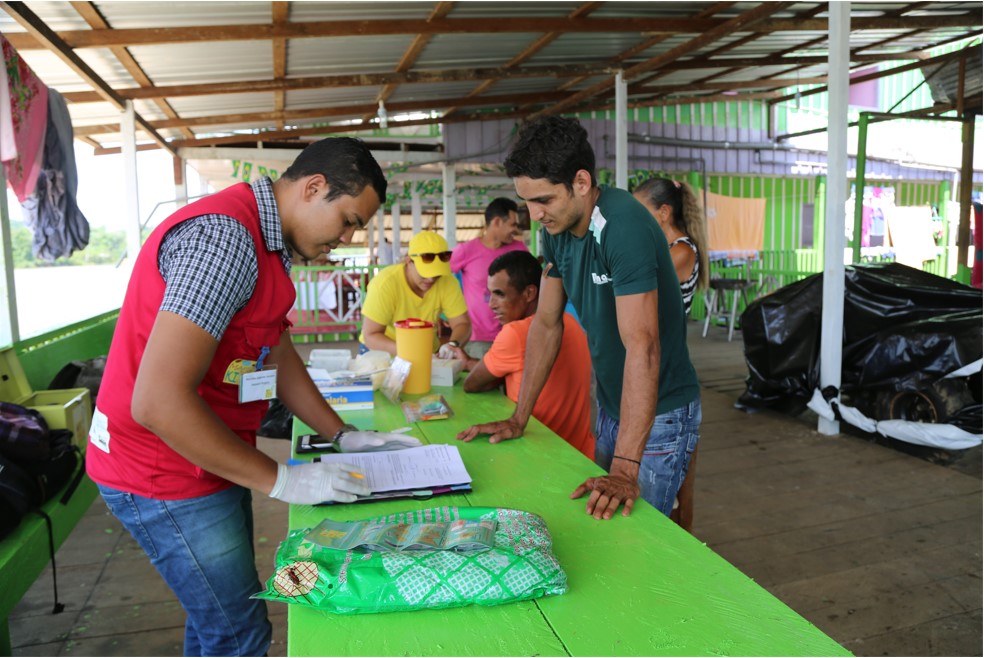
A newly released investment case for the Guyana Shield by the MEI, in collaboration with the Global Fund and the Ministries of Health for Guyana, Suriname, and French Guiana, provides evidence that a coordinated, regional, scaled-up approach to malaria elimination in the region would generate a net economic benefit of USD 80 million between 2021 and 2029. With an additional total investment of USD 13.8 million over the next four years, a scaled-up malaria response across the entire region is projected to result in a 25% to 40% reduction in clinical cases, elimination of Plasmodium falciparum (Pf) malaria in Guyana by 2025, and elimination of all malaria species in Suriname by 2024 and in French Guiana by 2029. The new financing evidence is summarized in a regional brief and country-specific briefs for Guyana and Suriname.
|
Photo Credit and Caption: ©PAHO/WHO. Suriname, Malaria Champions 2018.
|
|
|
|
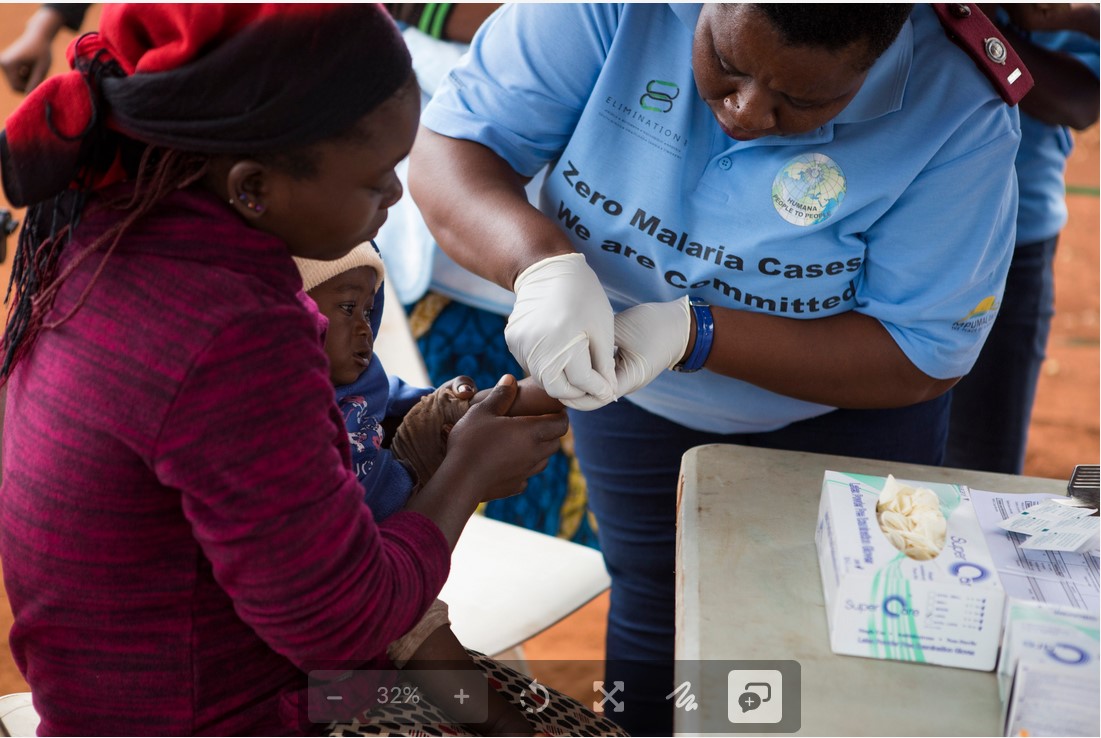
A new Malaria Journal publication on the investment case for malaria in South Africa highlights that malaria elimination in South Africa is feasible and economically worthwhile, particularly for a source reduction approach that has an estimated return on investment of 4.41. The findings of this investment case – completed with support from the MEI – show that through securing funding for the proposed malaria interventions in the endemic areas of South Africa and neighboring Mozambique, national elimination could be within reach in an 8-year period. The findings of the investment case were presented to South African government officials after which the government committed R318.8 million (USD 19.28 million) from 2019/20 to 2021/22 financial years as a conditional grant for the malaria programs in the provincial health departments. An additional R30 million (~ USD 2.0 million) per annum was allocated towards a co-financing mechanism to support source reduction activities in southern Mozambique.
|
Photo Credit: Jeremy King, Rooftop Productions, 2018. |
|
|
|
Malaria Elimination Initiative
UCSF Institute for Global Health Sciences
550 16th Street, 3rd Floor, Box 1224
San Francisco, CA 94158
Want to change how you receive these emails?
|
|
|
|
|
|
|
|