REMINDER: YOUR SUBMISSIONS ARE ENCOURAGED | | |
1. This week, I have a new installment of Where's Beth? I've been traveling around quite a bit this spring, up in New England and New York City. This week, I'm back in the Southwest, but not in Tucson; I'm enjoying the cooler weather in Albuquerque, New Mexico, with my tennis teammates at the USTA Southwest Section League Championships.
2. In The Environment, I'm looking at the how the hospitality industry is placing a greater emphasis on sustainability and environmental responsibility.
3. Summer is here, and Tucson is heating up. Temperatures are reaching the mid-110s, and this has made me wonder how birds handle the hot days.
4. In Geography, I'm bringing the temperature down and looking at some of the differences between the North Pole and the South Pole.
5. In Volcanoes, NASA's Mars Odyssey captured a rare photo of Arsia Mons, the third-tallest volcano on Mars, peaking through the clouds of the Red Planet.
6. In The Heavens, I have a rundown of skywatching tips from NASA for the last week of June.
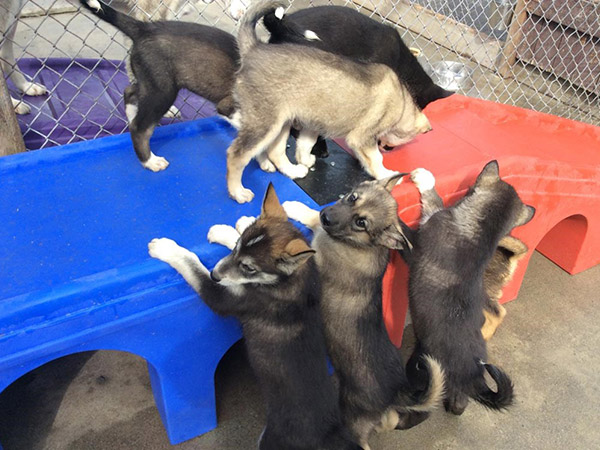
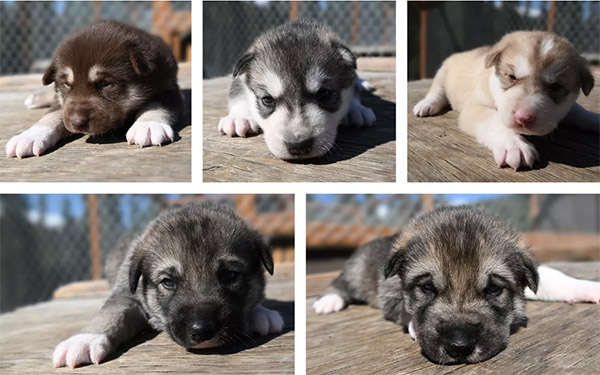
7. In Dogs, Denali National Park has begun the training of the next generation of park sled dogs. The park has posted a live webcam feed, allowing you to follow their development.
| | Now, to this week's Flock. | | I am competing in the USTA Southwest 40 & Over League Championships alongside my teammates from the La Paloma courts in the Tucson foothills. As much as I love La Paloma, I must say that I'm glad to be playing in Albuquerque, where the temperatures are in the mid-80s to mid-90s instead of the extreme temperatures in the 110s that Tucson is experiencing right now. I'm very proud of this team. Everyone is putting out a great effort. | |
USTA Southwest 40 & Over League Championships
June 20-22, 2025 - Albuquerque, NM
| | |
The USTA Southwest 40 & Over League Championships, held in Albuquerque, New Mexico, this is one of the Southwest’s largest events of the year, and our typical summer championship kickoff of league play.
Teams of players 40 & up from across the Southwest will descend upon Albuquerque June 20-22 for this section championship event, which typically features up to 600 or more total players, in skill levels from 3.0 to 4.5.
Gender teams at all skill levels will compete over three days for the right to call themselves Southwest Section League Champions. Winning teams in each level will not only have Section bragging rights, but also advance on to the USTA League National Championships.
| |
2. The Environment: Sustainable Hotels
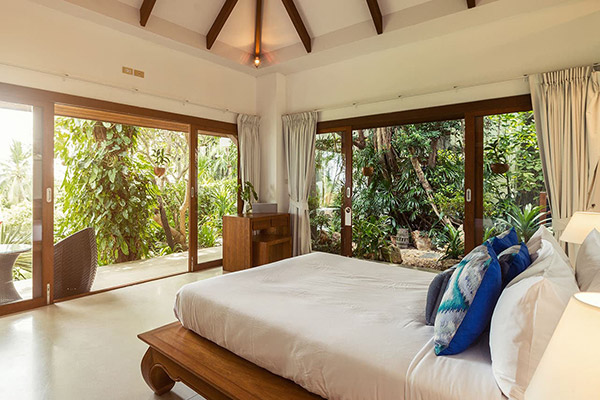
| | When I checked into my hotel in Albuquerque, I was impressed with the effort they had made to create an environmentally responsible and sustainable hotel, going beyond what I had seen before. Almost all of the lobby was constructed from recycled materials, and energy efficiency and water conservation were integrated into the hotel's design and management. This particular hotel is part of the Marriott chain of hotels and ascribes to their Serve360 Sustainability and Social Impact Goals. Sustainability is part of a growing movement in the hospitality industry, proving to be both better for the environment and better for the hotel's bottom line. | | Sustainability Trends in Hospitality: Strategies and Examples | From EHL Insights, March 5, 2025 | | |
Sustainability is no longer an optional consideration for the hospitality industry—it is a business imperative. With buildings accounting for 1% of global carbon emissions and hotels producing significantly more energy usage than other types of structures, the call for sustainable practices in hospitality has never been louder. According to Booking.com, 83% of travelers believe sustainable travel is essential, and the demand for eco-friendly hospitality is growing dramatically.
The Importance of Sustainability and CSR for Businesses
Sustainability is key for businesses seeking longevity, a positive reputation, and upholding the values of corporate social environmental responsibility. By adopting sustainable practices, organizations can show their commitment to responsibility while benefiting from waste reduction and cost savings.
A study by Just Capital— an outlet that ranks U.S. companies on issues such as fair pay, equal treatment and ecological impact—found that companies that outperform their competitors on environmental indicators enjoy a median return-on-equity that is three percent higher than that of their counterparts. In other words, sustainable management pays—both in terms of efficiency as well as brand loyalty and employee retention.
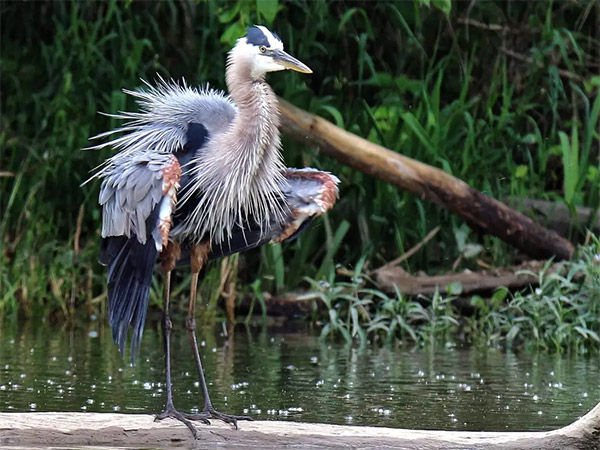
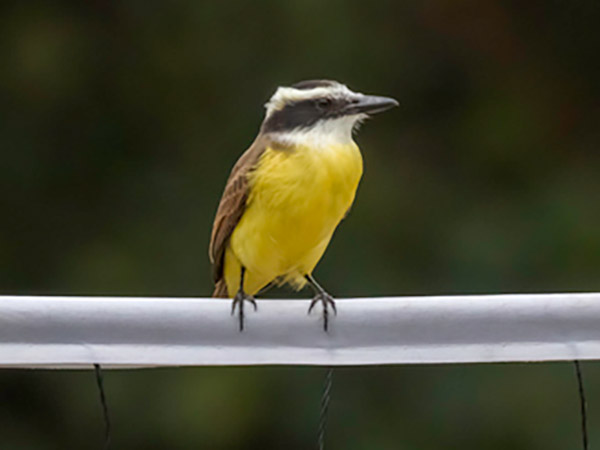
| | 3. Birds: How Birds Keep Cool | | While summer doesn't officially start until this Saturday, it is already heating up in Tucson, with high temperatures reaching the mid-110s. In the early hours of cool mornings here in Albuquerque, I've noticed that the birds are very active as the temperature rises into the 80s. This seems to be their favorite time of the day, too. Birds have a higher internal body temperature than we do and are better adapted to the heat. But when temperatures rise into the 100s, they also need to cool off and seek shade and water just like we do. | | How do birds keep cool in the summer? | | |
When summer temperatures are on the rise, birds depend on adaptations to keep from overheating.
Many adaptations are different variations of thermoregulation, the mechanism that warm-blooded animals use to balance their body temperature with their surroundings. Thermoregulation is a process where warmer blood cools and then circulates throughout the body, lowering the animal’s overall body temperature. It can take many forms and is a window into understanding how our physical world works. To understand how birds have adapted these cooling techniques, we need a quick overview of how thermal energy - or heat - moves from one thing to another. Simply put, heat moves in one direction, from hot toward cold. The movement of heat happens on a molecular level in all matter, whether it’s solid, liquid or gas. It’s within this principle that birds are able to transfer their body temperature to cooler air and water around them.
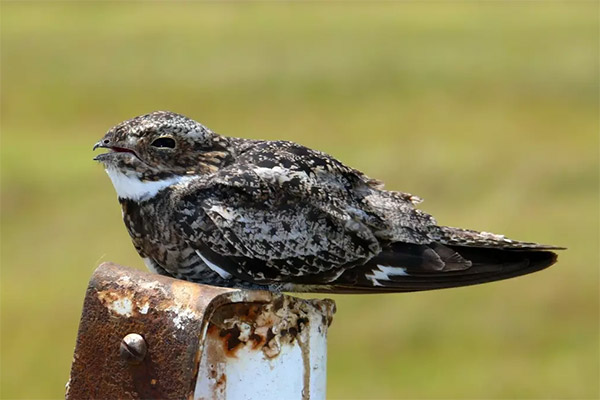
| A common nighthawk pants to cool off | |
Dogs aren’t the only ones panting
While birds can’t truly pant like dogs, they do have their own kind of panting and some birds take it a step further and do something called fluttering. Gular fluttering, as it’s more formally known, is a behavior common to nocturnal insectivores including common nighthawks and whip-poor-wills. Fluttering is a combination of rapid, open-mouth breathing and quick vibration of the moist throat membranes that causes evaporation. As excess heat leaves the bird’s body with each exhalation, the bird cools. You might also see this behavior from double-crested cormorants, owls and mourning doves as they rest during the hottest times of the day.
| | |
Taking a dip in the water
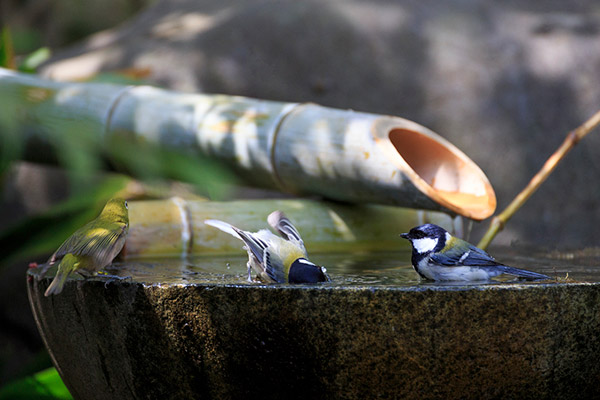
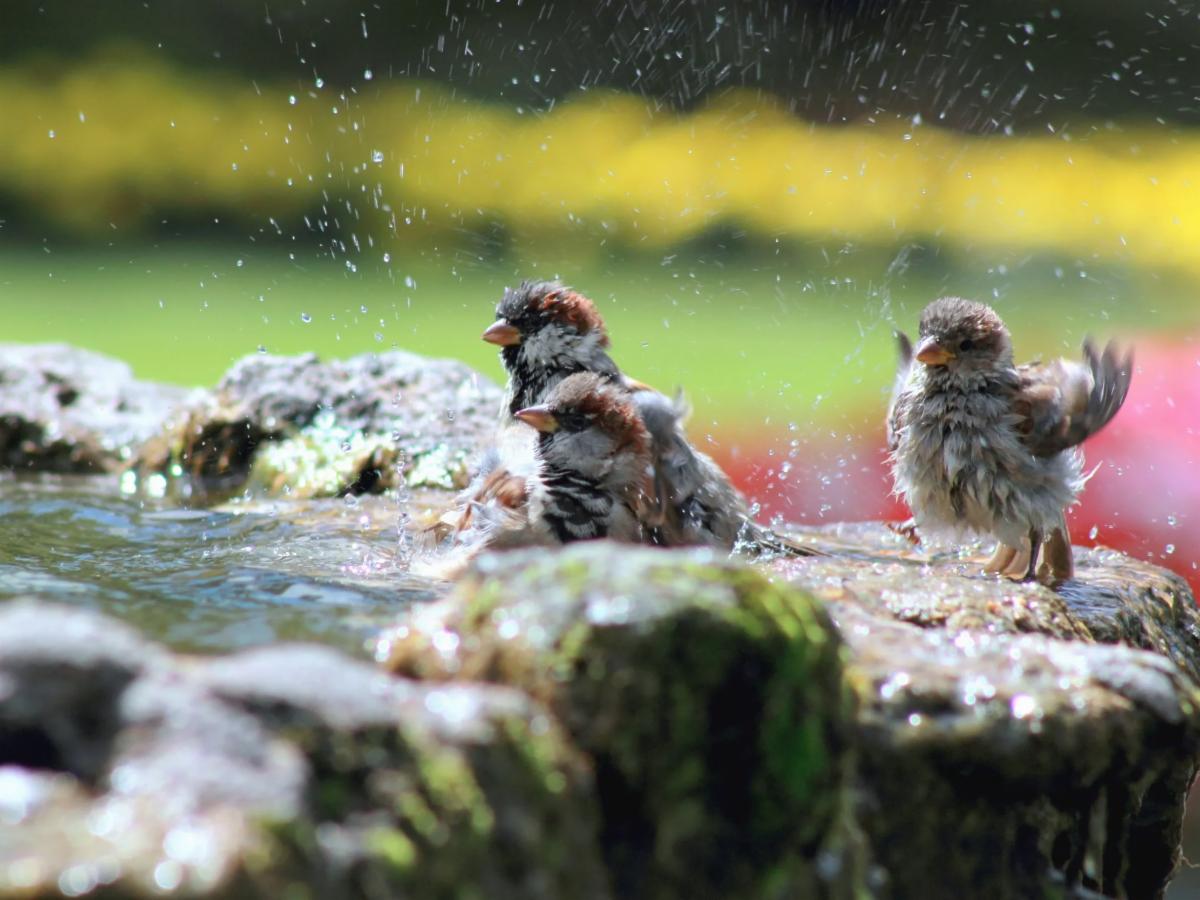
Who doesn’t like taking a dip in a lake or river on a hot day? Birds keep cool by taking a bath or going swimming just like we do. Submerging exposed skin helps birds to dissipate their body heat to the cooler water around them. Some birds fluff up their feathers after a bath and open up their wings to catch a breeze, helping them cool off even more.
| | |
How you can help
Want to help birds keep cool through the summer? Provide a shallow bird bath with one to two inches of water. Birds will use baths as a cooling oasis to splash and drink. Keep an eye on water levels and clean out your bird bath daily. As we all know, one of the best strategies for keeping cool is to avoid the heat all together. Many birds avoid the sun by limiting daytime activity. These birds will forage in the early morning, evening or throughout the night so they can conserve energy and rest during the warmest times of day. Shade from shrubs and trees offer a place to escape from the sun’s rays, so if you’re planning to prune, trim or remove limbs or brush piles, wait until temperatures cool off!
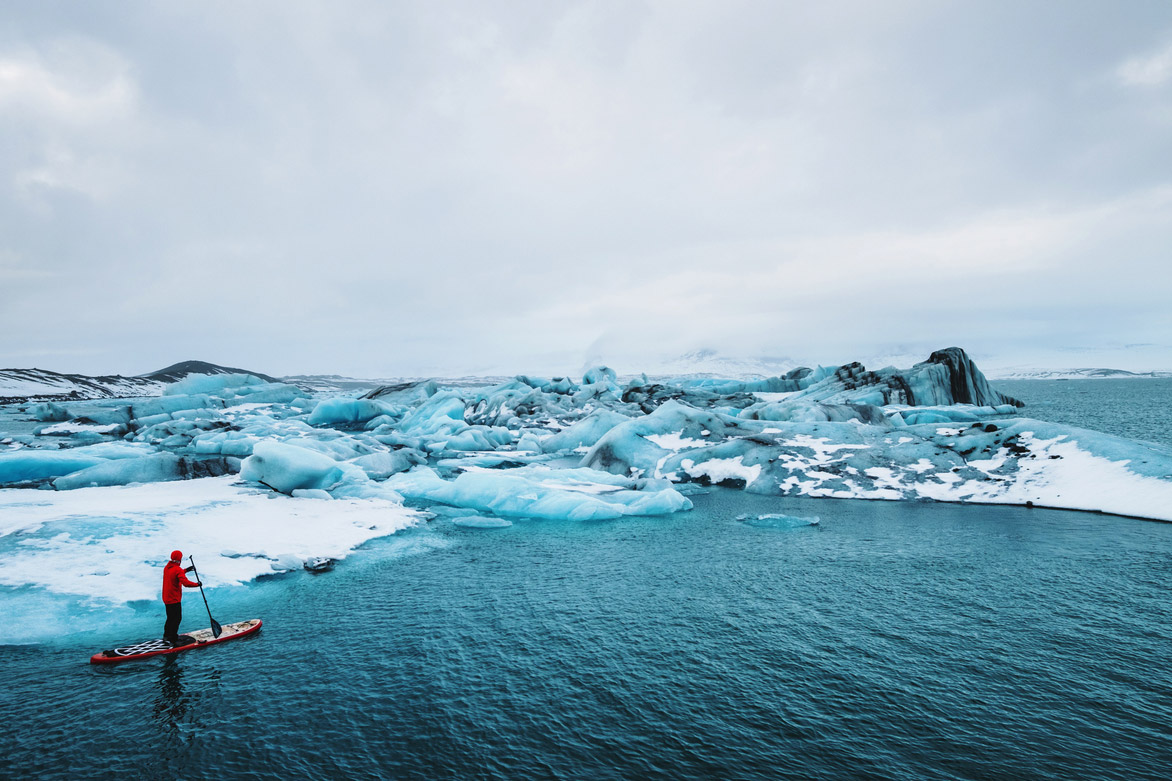
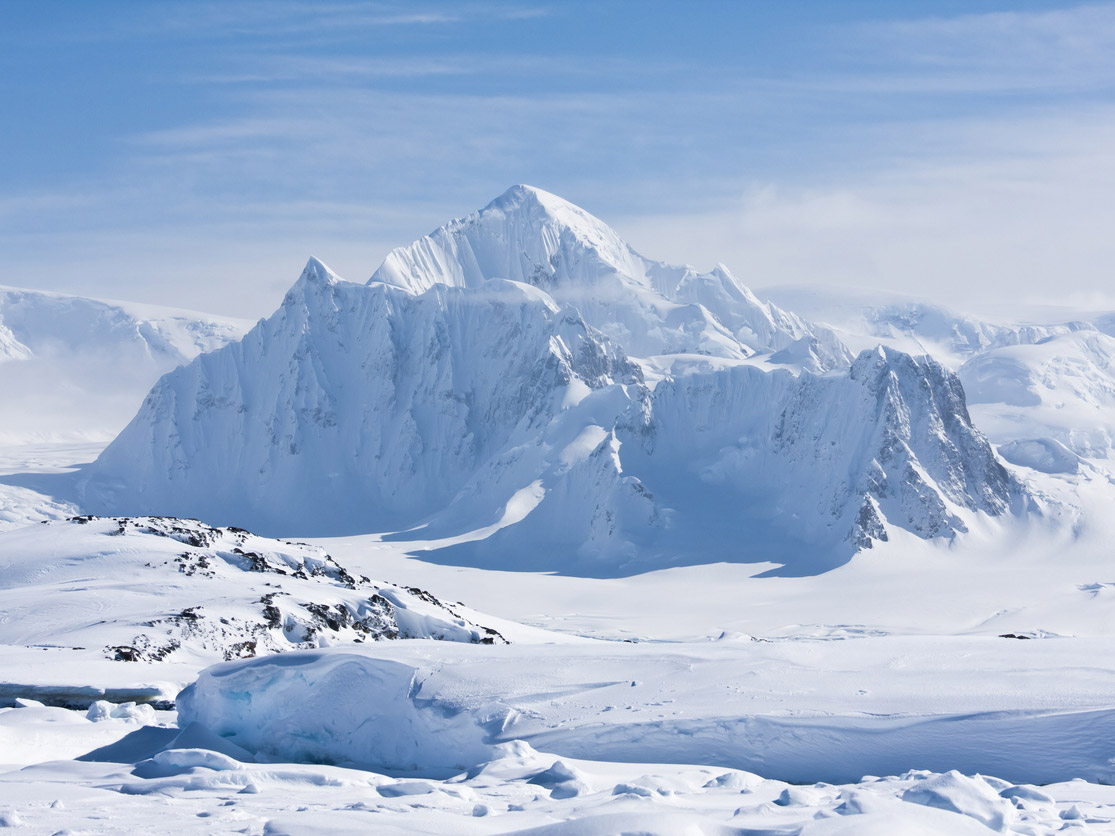
| | 4. Geography: North Pole vs. South Pole | | I've been to Iceland, near the Arctic Circle, and on a ship in the Southern Ocean off the coast of Antarctica. It's nice to think of those experiences when summer comes to Tucson and the mercury rises. So, I thought I'd shift our focus to cooler climates for a bit and examine some of the differences between the Arctic and Antarctic. | | |
Meltdown
The Arctic has a normal melting cycle in which about half of the ice pack disappears in the summer, only to grow back to the size of the United States during the winter. Still, an alarming recent study determined that the 2-mile-thick ice sheet in Greenland is melting so rapidly that half of it could be gone by the end of the century. Other studies have found that the entire Arctic could be ice-free during summer in a few decades. Lately, research has also found that the Antarctic is also losing ice, which if all melted (no one expects this to happen anytime soon), would cause sea levels to rise roughly 200 feet.
Battle of the Brrr
The Antarctic is so cold that the snow never melts in many areas of the continent. The region's average temperature is about -56 degrees Fahrenheit (-49 degrees Celsius), making it the coldest climate on earth. In contrast, the Arctic's average winter temperature is -29 degrees Fahrenheit (-34 degrees Celsius), but it gets warmer in the summer. The lowest temperature ever recorded on Earth was -128 degrees Fahrenheit (-89.6 degrees Celsius), recorded July 21, 1983, at the Vostok Station located near the South Geomagnetic Pole.
| | |
Santa Claus' Address
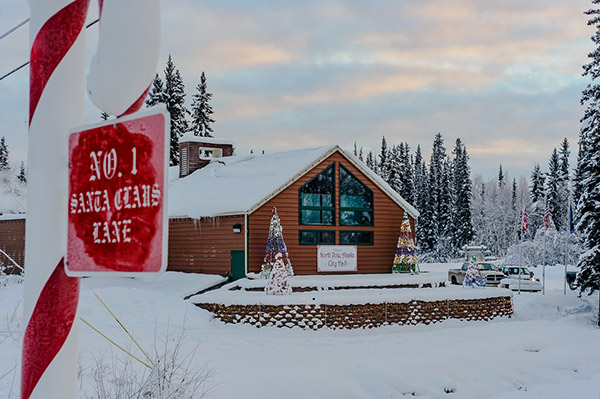
Every Christmas, thousands of letters mailed to Santa Claus do make it to the North Pole... North Pole, Alaska that is. The small town of roughly 1,778 people advertises its ZIP code as the ZIP code of Santa. The Holiday spirit is felt year-round as candy-cane striped street lights keep things moving along festive places such as St. Nicholas Drive, Snowman Lane and Kris Kringle Drive.
| | |
Penguins and Polar Bears
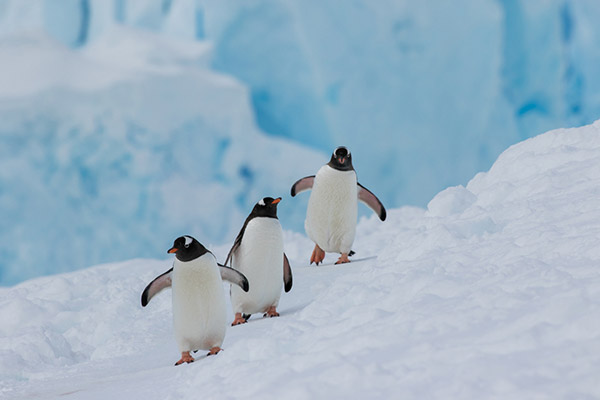
Christmas cards and Coke commercials can be blamed for the misconception that polar bears and penguins live in the same frigid neighborhood. If penguins of the Antarctic and Artic-dwelling polar bears ever did cross the same frozen paths, the waddling birds would make for very easy prey for the giant bears. But since penguins needn’t worry about land predators, they have adapted their wings into paddle-like flippers to maneuver through the ocean.
| | |
Most Ice
The southernmost continent has roughly 90 percent of the world’s ice, which amounts to nearly three quarters of the Earth’s fresh water being locked away there. This has led some to float the idea of towing icebergs to quench dry, drought-stricken areas. In fact, Prince Mohammed al Faisal of Saudi Arabia once considered a plan to find a 100 million-ton iceberg off Antarctica and tow it to the Arabian peninsula.
Polar Opposites
The Arctic region is essentially a frozen ocean surrounded by land. Conversely, Antarctica is a continent "with mountain ranges and lakes" surrounded by an ocean. Socially and politically, though, the Arctic region includes the northern territories of Canada, Greenland (a territory of Denmark), Russia, Iceland, Norway, Sweden, Finland and the United States.
| | NASA's Mars Odyssey orbiter captured this photo of Arsia Mons, peaking through the cloud cover that normally obscures it from view. Arisa Mons is the third-tallest volcano on Mars behind its neighbor Ascraeus Mons, and the largest volcano in the solar system, Olympus Mons. If Olympus Mons were on Earth, its base would stretch from Chicago to Washington, D.C. | | 12-mile-tall volcano on Mars punches through clouds | | From: Space.com, By: Kenna Hughes-Castleberry, June 9, 2025 | | |
A bit after sunrise on June 6, 2025, NASA's 2001 Mars Odyssey orbiter saw one of Mars' biggest volcanoes, Arsia Mons, as it broke through the clouds. The volcano is the cloudiest of the Tharsis volcanoes, a trio that is tightly aligned on Mars' surface.
What is it?
Standing at over 12 miles (20 kilometers) with a diameter of 270 miles (450km), Arsia Mons is nearly twice as high as Mauna Loa, Earth's largest volcano, which sits at 6 miles (9 kilometers) from the seafloor.
Due to its height, Arsia Mons is often covered by clouds that form when expanded air that was blown up the sides of the volcano rapidly cools. These clouds can be especially thick during aphelion, a period where Mars is farthest from the sun in its orbit. Clouds that form during this time at the planet's equator are known as the aphelion cloud belt, according to NASA.
| |
6. The Heavens: June Skywatching
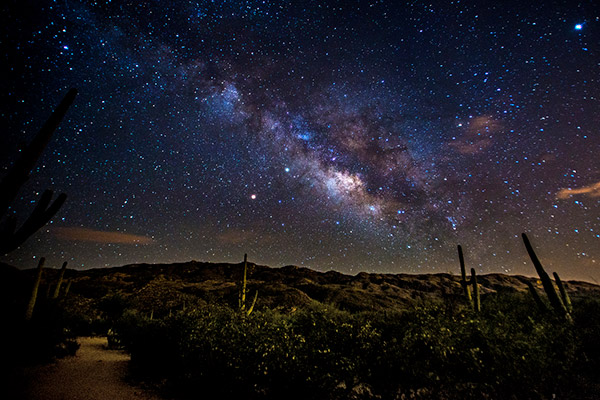
| | The last week of June is offering up some great opportunities for skywatching; Mercury will be visible low on the western horizon after sunset, Mars can be seen a few hours after dark all month long, and if you can get out into the countryside and away from light pollution, the core of the Milky Way will be visible through July and August. | | What’s Up: June 2025 Skywatching Tips from NASA | | |
All Month – Planet Visibility:
Venus: Rises about 2 hours before the Sun in June, and shines very brightly, low in the eastern sky, in the morning all month.
Mars: Visible in the west for a couple of hours after sunset all month. Drops lower in the sky as June continues, and passes very close to Regulus in the constellation Leo on June 16 and 17. (They will be about half a degree apart, or the width of the full moon.)
Jupiter: Visible quite low in the west after sunset for the first week of June, then lost in the Sun's glare after. Will re-appear in July in the morning sky.
Mercury: Becomes visible low in the west about 30 to 45 minutes after sunset in the last week and a half of June.
Saturn: Rises around 3 a.m. in early June, and around 1 a.m. by the end of the month. Begins the month near Venus in the dawn sky, but rapidly pulls away, rising higher as June goes on.
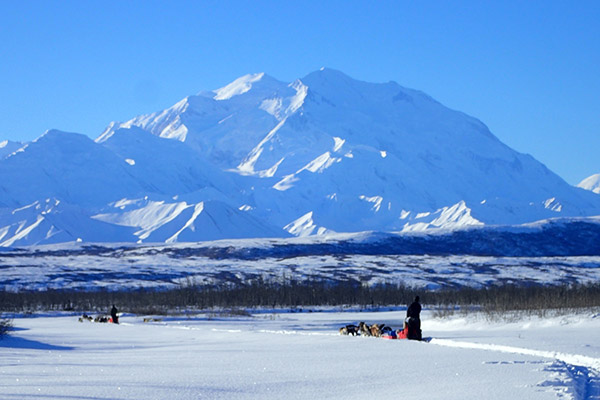
| | What's Up: June 2025 Skywatching Tips from NASA | | 7. Dogs: Denali Sled Dogs | | Denali National Park maintains teams of Alaskan Huskiy sled dogs to patrol the park during winter weather. This year's litter of pups is just beginning its journey to become an integral part of the park's operation. | | |
The lives of Denali’s sled dogs begin at the kennels themselves, where most of the puppies are born. The pups spend their first two months of life nursing and sleeping, gaining more than a pound per week. By the time they are six weeks, they are weaned and begin to eat commercial dog food. Throughout this time, the puppies are handled by adults and children; socialized to feel comfortable with all the people they will come into contact with during the summer months. The pups’ paws and mouths are regularly examined to accustom them to having booties put on and their teeth examined when they’re older.
Kennel staff take the puppies for walks, giving them opportunities to explore puddles, climb steep slopes, and amble over willow bushes and tundra. This familiarizes the puppies with the environment and helps them become confident and secure in their surroundings. They are also allowed to begin interacting with the adults in the dog yard. Throughout these early months, the pups are taught common commands such as sit, come, and stay; correct responses earn them biscuits or verbal praise. Their individual personalities develop: some of the pups are bold and confident, others are rambunctious, and others want nothing more than to please you. By six months of age, they are two-thirds of their full adult weight.
Now six months old, pups watch as the adult dogs are harnessed for early-season training runs. Then it’s their turn. At first they run loose beside or behind the team, observing the adult dogs and experiencing a variety of winter conditions—glare ice, blowing snow, wind crust, overflow. After a few weeks, they too are harnessed, though not attached to the sled. The pups are amusing to watch as they bound along with the team, chasing and tackling each other, happy, rolling balls of snow and fur. Already, the confident pups sometimes run out in front of the lead dogs. Within a month of loose running with the team, some of the pups fit themselves into an empty spot and run in formation with the other dogs, demonstrating their readiness to join the team.
| | |
This year's litter was born on May 3, 2025 and the puppies are just beginning to explore their surroundings. Check back often to watch them grow!
Meet the Weather Litter
| | These Flock regulars are always here for you: | | Don't Be Shy: Share Your Stories! | | I'm looking forward to sharing more of your personal stories - oral, written, or otherwise, as we enter our third year. I'd so love to present them to The Flock, hit a mailbox below to share your story. | | Subscriptions & Idea Submissions
Reminder: Your submissions are always welcomed. | | |
Feel free to forward this email to a friend. If this was forwarded to you and you would like to receive your very own Flock Newsletter, you can sign up here. If you have any questions or suggestions for future Flock resources, don't hesitate to contact me.
Your fan and friend,
Beth
| | | The information and materials contained or referenced in this newsletter are for informational purposes only and not intended to be a substitute for professional medical advice, diagnosis, or treatment. Always consult a physician or other qualified medical professional with any questions you may have regarding a medical condition or treatment and before beginning a new health care regimen. Do not disregard professional medical advice or delay seeking medical advice or care based on anything contained in this newsletter. | | | | |