|
|
Because Digestive Health Matters |
International Foundation for Gastrointestinal Disorders
October 2020 eNewsletter
|
|
|
Greetings!
October is Health Literacy Month. When living with a chronic gastrointestinal (GI) disorder, being health literate often means being your own researcher and becoming knowledgeable about symptoms, diagnosis, and treatments that are available for your condition.
Increasing public knowledge surrounding chronic GI disorders is not only important this month but every month. We encourage you to join us and share the resources you use to learn more about your GI disorder.
|
|
|
|
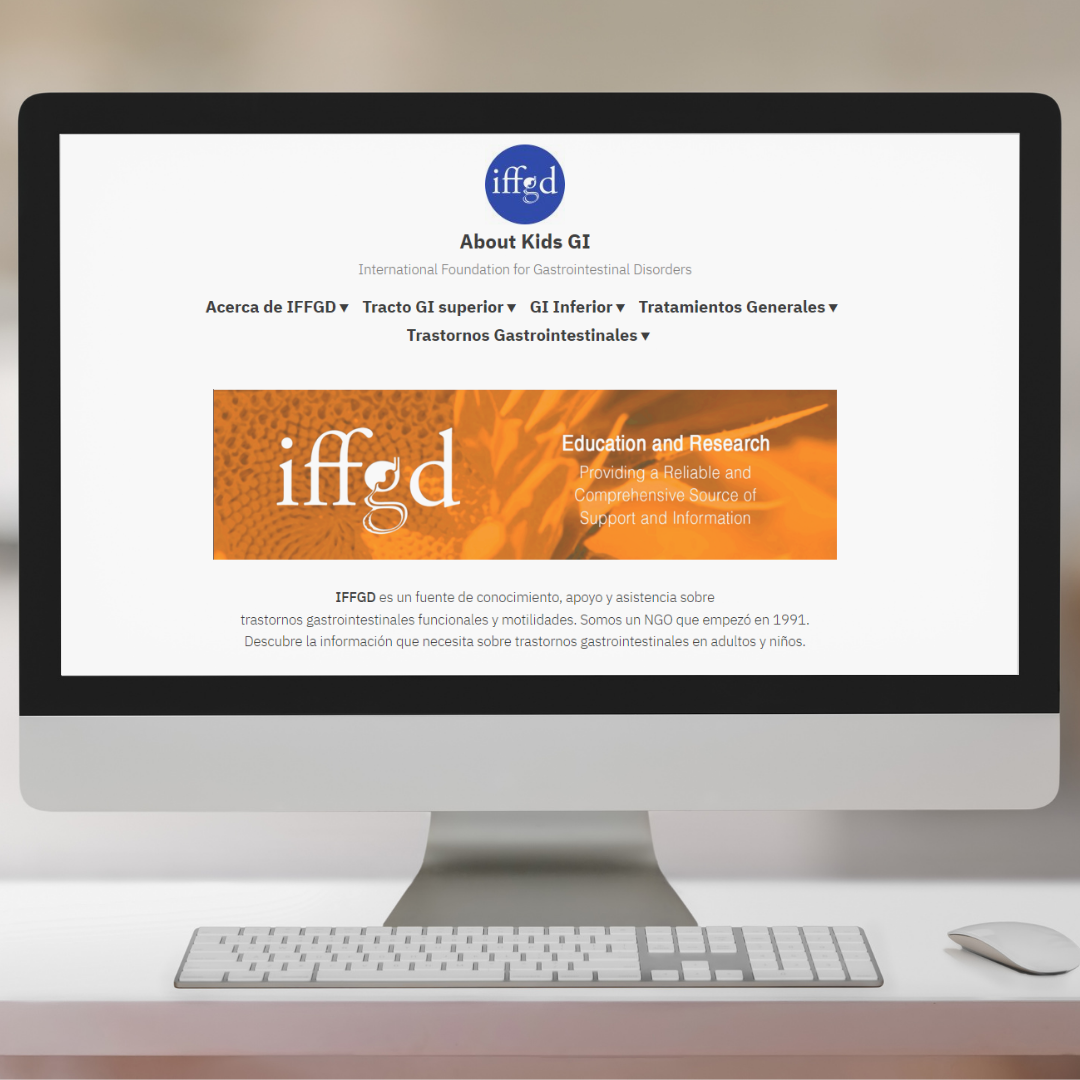
Functional GI disorders may account for at least 40–50% of visits to a pediatric gastroenterologist. To expand the availability of our information to parents, IFFGD has partnered with pediatric gastroenterologists as Latin Ambassadors to translate the aboutkidsgi.org website to Spanish.
The newly translated site became available in August. Our future goal is to someday have our resources available in Spanish.
To learn more about Kids GI disorders, visit the new Spanish translated site using this link.
To view the English about Kids GI website, click here
|
|
As information becomes increasingly available online, more and more people turn to the Internet for answers to their health questions.
A report by the Pew Research Center revealed that adults in the United States use online resources, including search engines and social networks, as significant sources of information about symptoms, treatments, and support.
Knowing what resources are reliable and up-to-date can be challenging.
Click the button below to learn more.
|
|
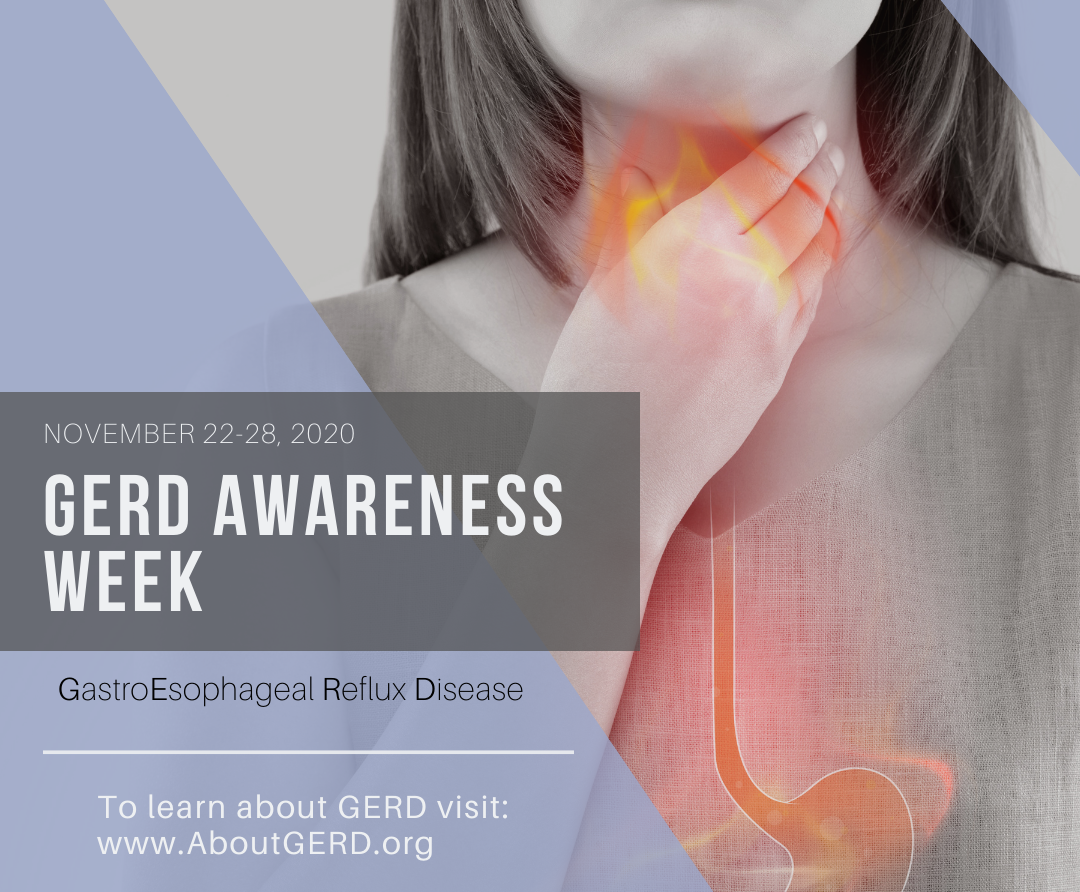
GERD Awareness Week is November 22-28, 2020.
1 in 5 people suffer from gastroesophageal reflux disease (GERD) in the United States, and close to 5 million people are admitted into the hospital each year for chest pain.
In recognition of GERD Awareness Week, IFFGD will launch a campaign that acknowledges GERD's daily complications for patients — using the hashtags #GERDComplications and #GERDAwarenessWeek.
Click the button below to download this year's GERD Awareness Week media toolkit.
|
|
|
|
Diet, Nutrition and Digestive Health: Finding the Balance in Food for Life
The International Foundation for Gastrointestinal Disorders (IFFGD) along with the University of Michigan Gastrointestinal Department partner with the Food for Life Kitchen for a virtual Norton Education Series event. Join us online for this FREE Educational Event to discuss how the foods we eat affect our bodies and overall health. Better nutrition choices play a role in improving: Digestion – GERD – IBS – Constipation
When: Sunday, October 11, 2020 at 10:00 AM – 2:00 PM EDT
|
|
|
Most people who are mildly constipated do not need laxatives. However, for those who have made diet and lifestyle changes and are still constipated, doctors may recommend laxatives for a limited time.
A doctor should determine when you need a laxative and which form is best. Laxatives taken by mouth are available in liquid, tablet, gum, powder, and granule forms.
Click the button below to learn more about the different types of laxatives and how they work.
|
|
Irritable bowel syndrome (IBS) is the most common functional GI disorder, with worldwide prevalence rates ranging between 10–15%.
For many patients, IBS can be very unpredictable. The symptoms of IBS are abdominal pain or discomfort and altered bowel habit (chronic or recurrent diarrhea, constipation, or both – either mixed or in alternation).
Treatments are available for IBS to help manage these symptoms. However, there are many different approaches to treating IBS symptoms.
Click the button below to learn about the role of supplements for IBS from Dr. William Chey from the University of Michigan.
|
|
Clinical trials and research studies help to improve our understanding of the underlying mechanisms of diseases and advance the development of new and better treatment options. By participating in a study, you can help further the advancement of research and learn more about your condition.
Here are 3 studies currently recruiting participants:
|
|
As we recognize of the critical role of research in advancing the understanding and care of chronic gastrointestinal (GI) illnesses in adults and children, this month, we are highlighting IFFGD's 2020 Research Recognition Award Winner, Maria Raffaella Barbaro, PhD
Dr. Maria Raffaella Barbaro is a researcher and adjunct professor at the University of Bologna, Italy. She graduated Summa Cum Laude in Biological Sciences and she obtained her PhD in Molecular and Functional Biology from the University of Bologna. She qualified in Clinical Pathology in 2017.
|
|
|
Since 2012, she has been working as researcher in the Neurogastroenterology and Motility Translational Laboratory at the Department of Medical and Surgical Sciences of the University of Bologna, Italy. Her research interests include functional gastrointestinal (GI) diseases, particularly irritable bowel syndrome (IBS), mucosal barrier function and immunology, as well as enteric nervous biology.
Dr. Maria Raffaella Barbaro is particularly interested in the study of functional GI disorders, principally IBS, intestinal permeability, neurogastroenterology and immunity. The hospital center where she leads her research, represents the busiest referral center for Functional Bowel Disorders in Italy and receives patients from all over the country. She is part of the Neurogastroenterology and Motility Translational Research group, in which basic and clinical science are merged to conduct a translational research aiming to improve the diagnosis and management of patients with functional gastrointestinal disorders.
Dr. Maria Raffaella Barbaro is currently investigating the molecular mechanisms underlying intestinal permeability alterations, the role of mucosal immune activation and of neuroplastic changes in the pathophysiology of irritable bowel syndrome. She is passionate about understanding the molecular mechanisms responsible of clinical manifestations to identify biomarkers useful to improve the diagnosis, management and care of patients.
|
|
IFFGD is a nonprofit organization. We rely on donor support to fund research and to provide reliable information and support to those affected by chronic gastrointestinal disorders.
|
|
|
|
|
|
|