JANUARY 12, 2026

 
Facebook  X  Instagram  Email  Web

PCs Send a Clear Message at the Maricopa County Republican Committee Annual Meeting


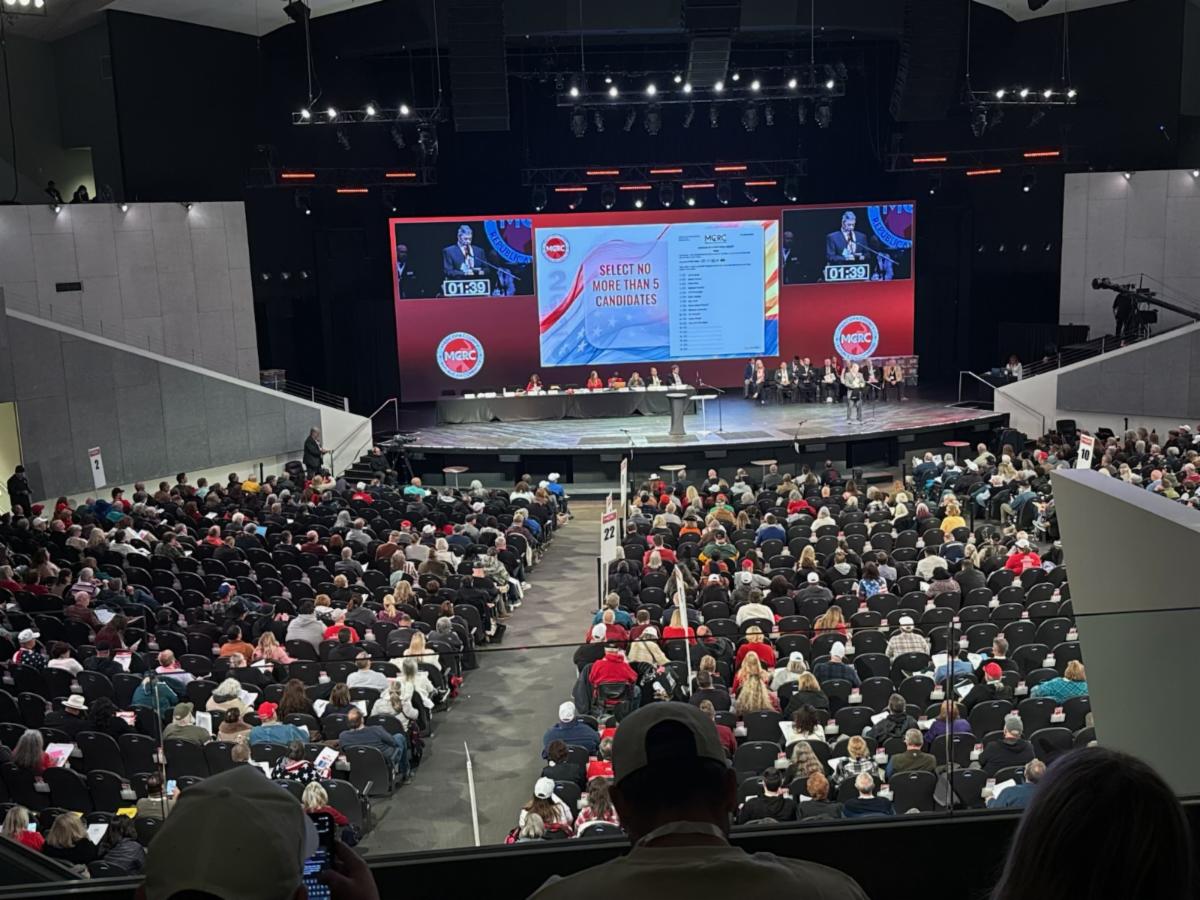
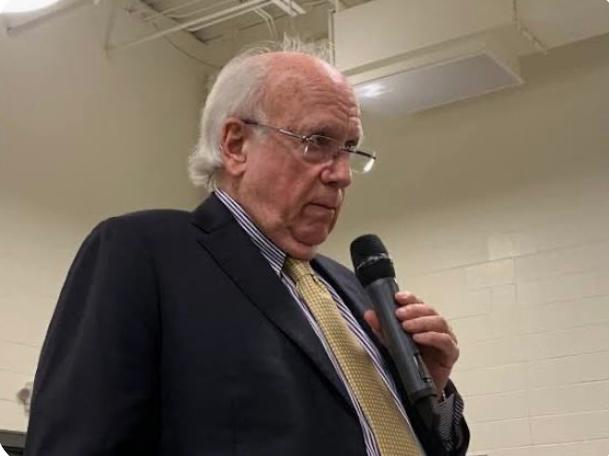
On January 10, the Maricopa County Republican Committee (MCRC) held its annual meeting. This is the one meeting every year where all Precinct Committeemen (PCs) are expected to attend—to elect leadership, vote on bylaws and resolutions, and walk away energized for the year ahead.


But before a single vote was taken, the message from the grassroots was already loud and clear.


In 2025, more than 3,000 PCs attended the annual meeting. This year, only 1,464 showed up—less than half. That dramatic drop speaks volumes. PCs are disengaging from what has become a chronically disorganized meeting, one that in previous years has dragged on for 11 hours or more. The low attendance alone should have been a wake-up call for leadership.


Member-at-Large Races: The Status Quo Challenged

One of the first orders of business was candidate speeches for five Member-at-Large (MAL) positions. All MAL seats were open, as the terms are two years.


Incumbents running again included:

  • Diana Jones-Pickerill
  • Joanie Colson
  • Jeff Greenspan
  • Chris Hamlet

New candidates included:

  • Will Bullock
  • Phillip Dyer
  • Michael Franklin
  • Don Hiatt
  • Michael Lombardo
  • RC Maxwell
  • Sarah O'Neill
  • Hans Van Dan Elzen

Two competing slates emerged:

Ultra Grassroots

  • Hamlet
  • Greenspan
  • Lombardo
  • Jones-Pickerill
  • Bullock

Making Changes, Restoring Confidence

  • Franklin
  • Hiatt
  • Van Dan Elzen
  • O’Neill
  • Colson


Dyer and Maxwell ran independently.


The campaigning leading up to the meeting was intense. My phone was flooded with texts and calls about candidates right up until voting began.


The Vote That Changed the Room

There were two rounds of voting.


In the first round, RC Maxwell won decisively, followed by Sarah O’Neill. At that moment, the energy in the room shifted. PCs knew the status quo was being rejected.


In the second round, Michael Franklin, Hans Van Dan Elzen, and Joanie Colson secured victory. Colson was the only incumbent MAL to survive.


This was a huge shift at the county level.


PCs are tired—tired of constant division, forced groupthink, and ultra-right positions being imposed from the top down. When the final winner was announced, you could physically feel the energy change in the room. PCs felt their power had been rightfully returned.


Personally, I felt redeemed.


Greenspan and Hamlet were central to my censure and my decision to resign. They previously drove Linda Migliore, the former LD29 chair, out as well. Watching the expressions on the board members’ faces as results were announced was unforgettable.


A Missing Treasurer and Unanswered Questions

One notable absence was Lawrence Hudson, MCRC Treasurer. It was announced—without explanation—that he had resigned. No date was provided.


If Hudson resigned on or before December 30, why wasn’t the body informed? Why were nominations not taken from the floor so PCs could vote on his replacement?


Instead, the replacement will be selected through a process where only the MCRC Board and LD Chairs—about 30 people—vote. That directly contradicts the will PCs clearly expressed that day.


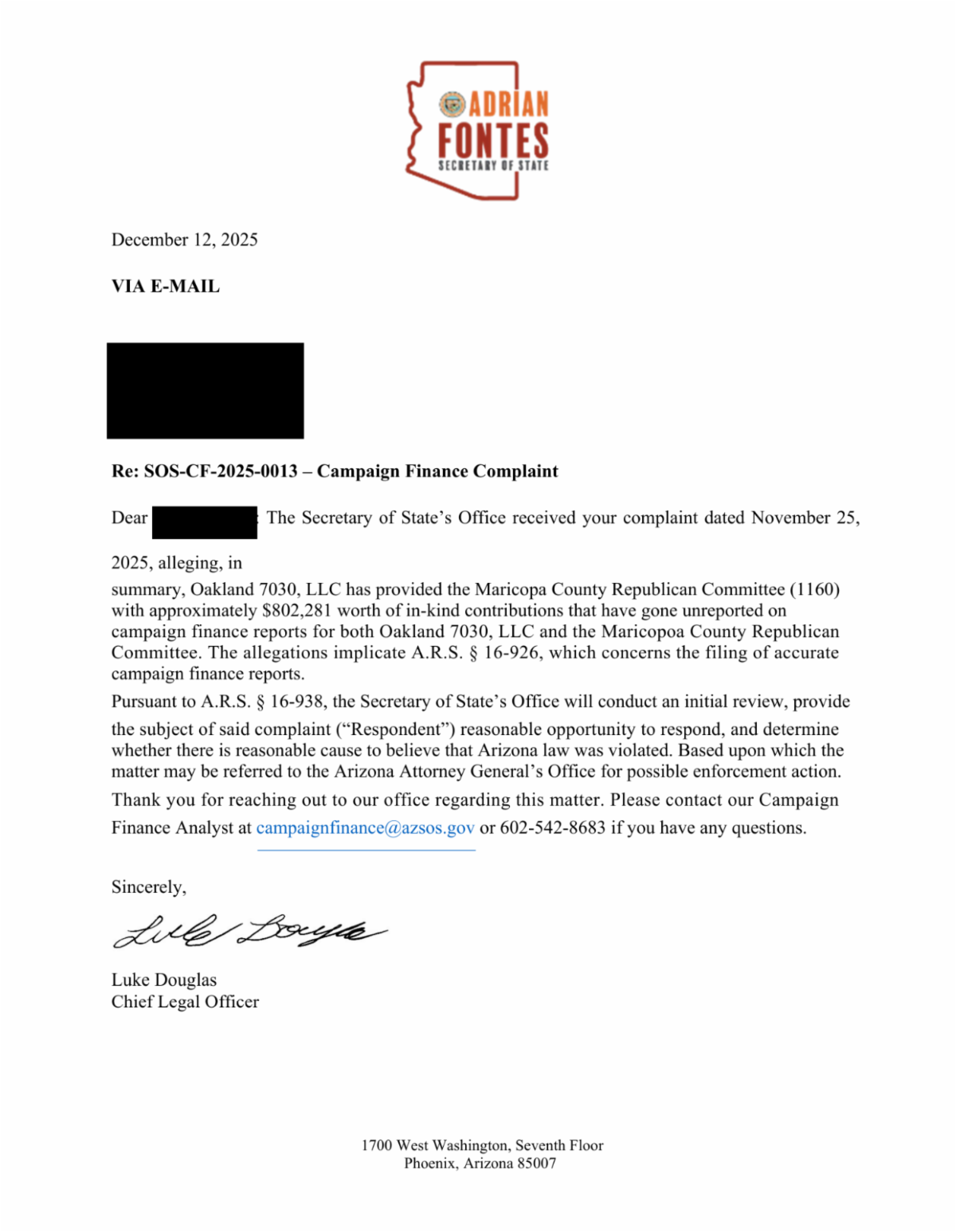
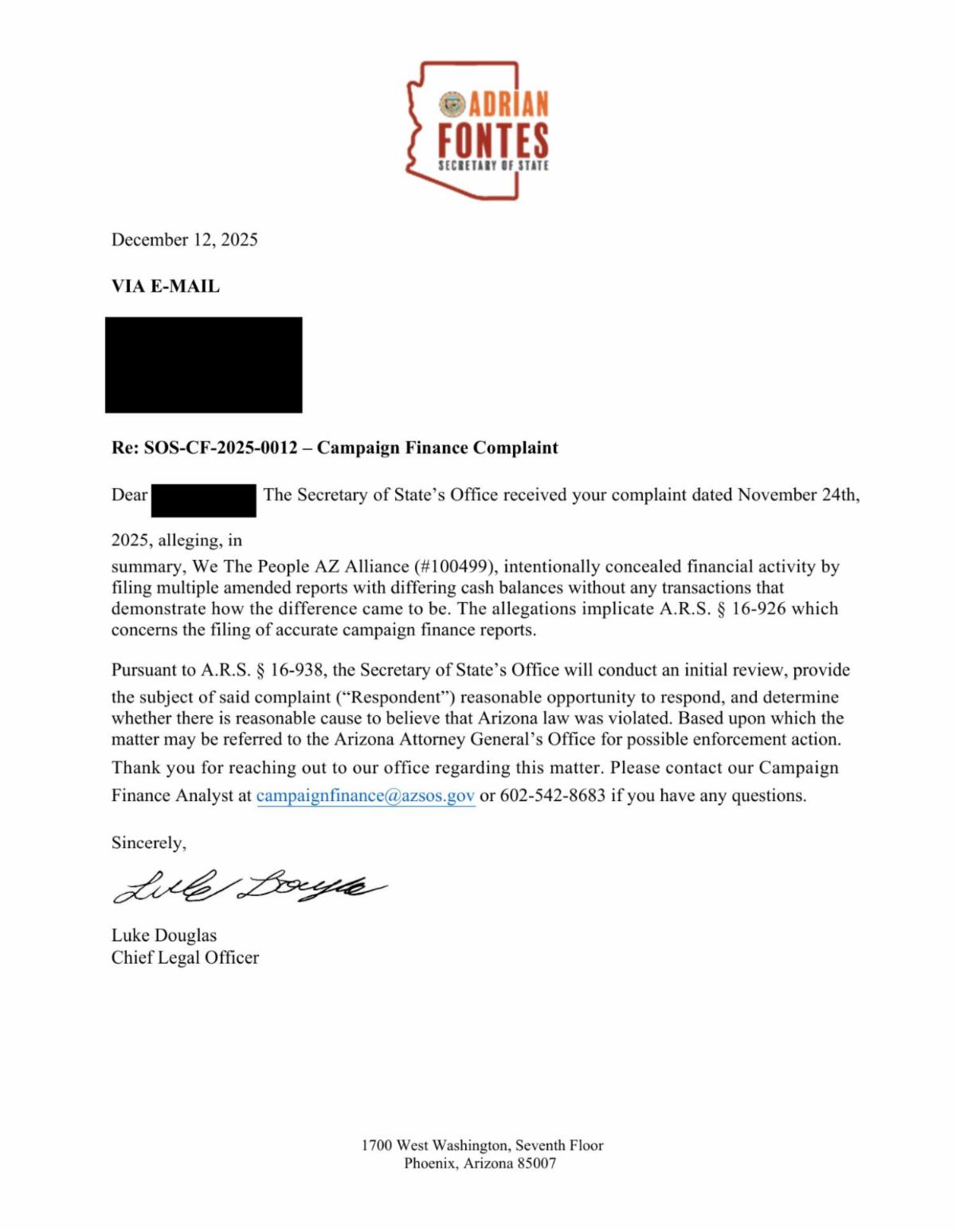
I am speculating, but it is worth asking whether Hudson’s resignation is connected to letters sent by Adrian Fontes’ office regarding campaign-finance investigations involving MCRC and We the People Alliance, associated with Shelby Busch.


These are questions PCs deserve answers to.


Bylaw Amendments: Soundly Rejected

Eight bylaw amendments were debated—most recycled from prior years and heavily supported by current or former MCRC board members. Julie McIlwain, a member of the bylaws committee and former MCRC II Vice Chair, spoke in favor of several.


The amendments included:

  • PC Active Status penalties
  • Easier removal of District Chairs
  • PC injunction and lawfare restrictions
  • LD proxy limits
  • Mandatory resignations for paid affiliations
  • Defined MAL duties
  • No proxies at MCRC meetings
  • Restrictions on endorsing right-leaning independents


Every single bylaw amendment failed.


PCs overwhelmingly rejected a top-down, power-consolidating structure. They made it clear they want MCRC to remain bottom-up, accountable to PCs.


Where Do We Go From Here?

Quorum was never called again during resolutions, despite likely being lost after the second round of MAL voting.


Maricopa County Republicans now face a choice.


Do we accept this partial victory, or do we prepare—starting now—to replace the Chairman, First Vice Chair, Second Vice Chair, Secretary, and Treasurer next January?


We cannot wait until Thanksgiving to act.


Because of Franklin, Maxwell, O’Neill, and Van Dan Elzen, we have a real opportunity to reclaim our county party from the ultra-right faction that has driven away PCs and registered Republicans alike.


Independents are growing—not because they love Democrats, but because they are exhausted by infighting and extremism. The average Republican raising kids, working full-time, and trying to live their life does not identify with the ultra-grassroots agenda being pushed by MCRC leadership.


Before this meeting, I believed Maricopa County was lost.


I was wrong—and I am grateful to be wrong.


We must pray for these four new MALs. We must support them. And we must stand firm against those who believe power belongs to the board instead of the PCs.


The PCs spoke. Now the board must decide whether it is listening.

BNSF Derailment on Grand Avenue Renews West Valley Safety Concerns


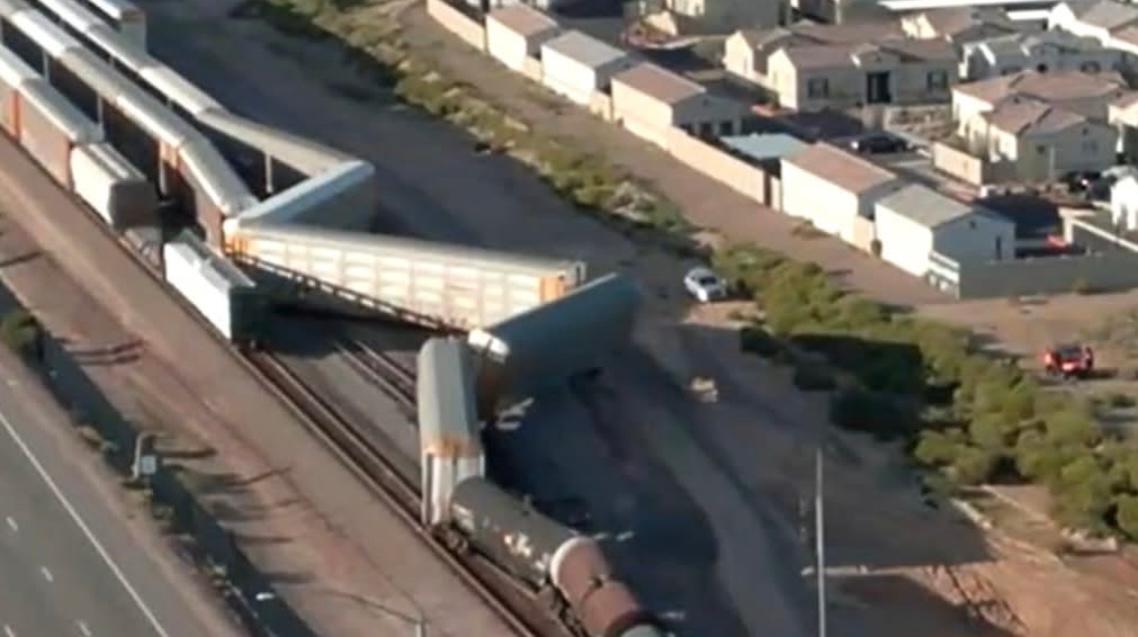
On January 6, 2026 at approximately 2:30 p.m., a BNSF freight train derailed near Grand Avenue and Thompson Ranch Road in El Mirage, AZ. A total of 16 cars were involved in the incident. The City of Surprise immediately sent mutual aid crews to assist El Mirage police and fire personnel. Grand Avenue was closed for several hours while first responders secured the scene and redirected traffic.


Officials reported that one of the railcars was carrying an unidentified hazardous substance. Out of an abundance of caution, public safety agencies began diverting westbound vehicles at Grand Avenue and 111th Avenue to keep families and commuters away from the area until more information was available. BNSF spokesperson Lena Kent stated that there was no immediate threat to the public." There were no injuries to residents, rail employees, or BNSF staff. The cause of the derailment remains under investigation.


As fate would have it, I was driving on Grand Avenue through El Mirage when the derailment occurred. The sound was like nothing I have ever heard in my life—loud, violent metal, the kind of noise that stops you in your tracks. Within moments police and fire crews were on site, doing exactly what we expect them to do: protecting the community without hesitation. My phone, of course, began going off on repeat as neighbors, friends, and coalition members shared updates and concerns .


The team I have been working with to oppose BNSF’s proposed 4,400-acre intermodal hub in Wittmann issued a press release shortly after the accident. Many of us have been warning about these very risks for years. When you run trains carrying unknown or hazardous materials through the heart of the West Valley, it is not a matter of if a serious accident will happen, but when. A hub of the size BNSF desires could place thousands of citizens in danger and potentially result in injuries, long-term environmental damage, or even death. If the hub were to be built the risk would increase as the number of trains will increase.


West Valley residents made their voices heard on November 5 when the Maricopa County Board of Supervisors voted against the comprehensive plan amendment requested by BNSF. That vote was a victory for rural families and suburban neighborhoods alike, but the fight is far from over. Later this year BNSF is expected to return before the Board seeking a zoning change and yet another attempt to alter the comprehensive plan. I am continuing to gather signatures and letters of opposition so we are ready when that hearing comes.


Raoul Sada of the Northwest Valley Chamber of Commerce and Danny Seiden of the Arizona Chamber of Commerce have shown little regard for the everyday citizens of the West Valley, for preserving our rural lifestyle, or for the very real traffic and safety challenges our communities face. Their support for BNSF has been transparent from the start, and they appear willing to disregard the will of the people that was clearly expressed on November 5th. This derailment should serve as a warning to those voices in the business establishment that minimize neighborhood concerns. The incident vindicates the Board of Supervisors’ vote on November 5th to reject BNSF’s comprehensive plan amendment and confirms what many families have been saying—protecting public safety must come before corporate ambition.


I believe in solving problems instead of complaining about them. Our community values family, roots, and the right to live without unnecessary corporate threats hanging over our children’s future. The derailment on Grand Avenue is a reminder that vigilance matters. We must continue to stand together—not only to save Wittmann, but to protect the entire West Valley.


Call to Action:


If you care about traffic safety, clean water, and the quality of life we have built in Maricopa County, join us. Sign an opposition letter, follow @Patriotnheels on social media, go to Patriotnheels.com, and share my newsletter. Together we can ensure that community voices remain stronger that outside corporate interests.

Executive Orders Are Not Governing—and We’re Running Out of Time


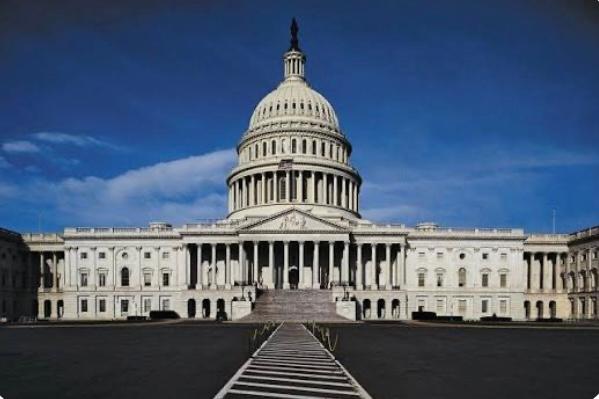
In 2025, Republicans held a rare and powerful position: a Republican president and a Republican-led House and Senate. With that kind of unified control, Americans reasonably expected meaningful, lasting legislation to be passed—laws that would secure the future for our children and grandchildren.


That’s not what happened.


Instead, Donald Trump relied heavily on executive action. By year’s end, he had signed 225 executive orders, while Congress sent only 38 bills to his desk to be signed into law. Even accounting for the 35-day government shutdown, those numbers are abysmal. Executive orders may grab headlines, but they are temporary by design, easily reversed by the next administration. Laws are supposed to be the work of Congress—and Congress largely failed to do its job.


Now we are down to one remaining year with a guaranteed Republican-led Congress. That clock is ticking loudly.


If Republicans are serious about governing, we must immediately shift from executive actions to codifying policy into law. Executive orders are not a substitute for legislation. Mandates are not leadership. And short-term wins are not victories if they disappear with the stroke of a pen by the next president.


We are fortunate to have Robert F. Kennedy Jr. serving in the cabinet and pushing for meaningful reforms. But again—those reforms must be codified in law. Without legislation, even the best policy changes are fragile and fleeting. We cannot build a stable future on executive orders alone.


This is not how a constitutional republic is supposed to function. Congress exists to debate, compromise, vote, and pass laws. Governing by executive order may feel efficient, but it is ultimately lazy and dangerous. It trains lawmakers to sit on their hands while presidents rule by decree—and that should alarm anyone who values separation of powers.


I am deeply disappointed in how Republicans squandered their advantage. We were handed an opportunity to lead, to protect future generations, and to deliver durable solutions. Instead, we accepted the “orders of the day” and called it governing.


That must change—now.


I encourage everyone reading this to contact your elected officials. Tell them you demand long-term solutions, not temporary victories. Tell them executive orders are not enough. Tell them to do the hard work of legislating.


Because if we don’t insist on real governance while we still have the chance, we will have no one to blame but ourselves when it’s gone.

Follow the Money: How Federal Oversight Became a Cash Cow in Maricopa County


For years, corporate media has framed federal oversight of the Maricopa County Sheriff’s Office (MCSO) as a necessary safeguard against racial profiling tied to the long-running Melendres v. Arpaio case. But missing from much of that coverage is a critical question taxpayers deserve answered: who is financially benefiting from keeping oversight alive—and by how much?


Recently, ABC15 aired a segment criticizing a court filing that seeks to end this decades-long federal intervention. The report implied the sheriff’s office itself pushed the filing. That was incorrect. The filing was submitted by the Maricopa County Board of Supervisors (MCBOS)—the body with constitutional authority over the county’s purse strings.


$300+ Million—and Counting

According to the Board’s filing, Maricopa County has spent more than $300 million over 14 years complying with federal oversight requirements. County leaders argue that MCSO reached 100 percent compliance years ago, and that continuing the oversight now diverts scarce resources away from public safety and into administrative enforcement that no longer addresses discriminatory policing.


Thomas Galvin, Chairman of the Board of Supervisors, put it plainly:

“After 14 years, four sheriffs, and hundreds of millions of spent tax dollars, it is essential to defend taxpayer money if federal oversight is no longer warranted.”

The Monitor’s Cut: Tens of Millions

Roughly 10 percent of the county’s oversight spending has gone to the federal court monitor: Robert Warshaw.


Since taking over monitoring duties in January 2014, Warshaw has earned over $30 million from Maricopa County alone—about $3 million per year. That figure does not include his income from other jurisdictions.


Warshaw has also been paid more than $1 million annually for monitoring the Oakland Police Department in California, a role he has held for more than 15 years. Additional monitoring assignments in New York, Michigan, and Louisiana have reportedly earned him millions more.


Before becoming a professional federal monitor, Warshaw served as deputy drug czar for the White House Office of National Drug Control Policy under President Bill Clinton. Today, critics argue his career has evolved into something very different: a permanent, taxpayer-funded oversight industry with little incentive to declare success and walk away.


“No Incentive to Wrap This Up”

Concerns about Warshaw’s financial incentive are not new. Nearly a decade ago, Judicial Watch reported allegations that his tactics distracted from core law-enforcement duties rather than improving them.


More recently, Rachel Mitchell, Maricopa County Attorney, has been one of the most outspoken critics of Warshaw’s continued presence.

“There is no defense for this ‘federal monitor,’” Mitchell said, adding that Maricopa taxpayers should be outraged by the ballooning costs.

In a May post, she sharpened the point:

“It’s time we stop talking about Joe Arpaio—he is long gone and has been replaced by three different sheriffs from both political parties—and start talking about why the federal monitor, Robert Warshaw, is dragging this on and on. … Warshaw has no incentive to wrap this up.”

Pushback

The call to end oversight is not coming from one corner of county government. In October, Andy Biggs formally asked Attorney General Pam Bondi to lift the federal oversight of MCSO. That request was supported by Supervisors Mark Stewart and Debbie Lesko, along with County Attorney Mitchell.


Their argument is straightforward: oversight tied to a former sheriff who left office years ago should not be a permanent revenue stream for an unelected monitor—especially when compliance has already been achieved.


The Real Question for Taxpayers

Corporate media may continue to frame this debate as a matter of ideology or history. But strip away the talking points and the issue becomes far simpler:


  • Hundreds of millions paid by Maricopa taxpayers
  • Tens of millions earned by a single federal monitor
  • Four sheriffs later, with full compliance documented


At some point, oversight stops being accountability and starts looking like a business model. For Maricopa Coounty residents, the question is no lonnger whether reform happened-it's why the meter is still running, and who profits from keeping it that way.


How Accidents at Hwy 60 and Loop 303 in Surprise Influence Arizona Car Insurance Rates


Arizona drivers often wonder why their car insurance premiums feel higher than expected. The truth is that insurance companies look far beyond an individual driving record—they study the risk tied to where you live and where you drive. In the West Valley, no location illustrates this more clearly than the intersection of Hwy 60 and Loop 303 in the City of Surprise.


To better understand the answer, I spoke with my friend Raymond Grim of the Raymond E. Grim Agency LLC with American Family Insurance in Surprise. He explained that insurance rates are definitely influenced by the accidents in the area—not just by incidents caused by an individual driver. The higher the accident rates around a location, the higher the premiums insurers must charge to cover that shared exposure. I saw a real-life example of this when another friend recently moved from Chandler to Surprise; she told me her policy increased $32 a month even though her car, coverage, and driving history stayed exactly the same—only her address changed. That conversation gave me pause and brought new meaning to the idea of “shared risk,” a reminder that we all carry the cost of dangerous corridors like Hwy 60 and Loop 303 together.


A West Valley Hot Spot for Collisions

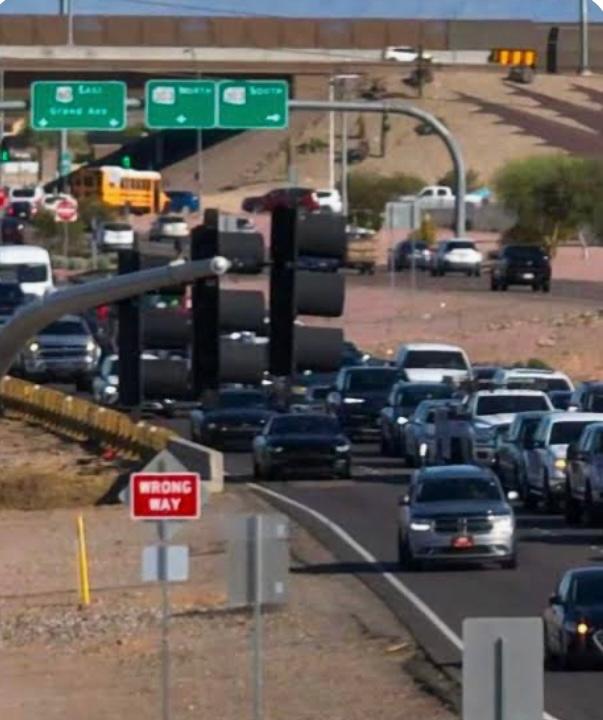
Hwy 60, known locally as Grand Avenue, is one of the busiest arterial routes connecting northwestern suburbs to Phoenix. When it meets Loop 303, traffic from commuter vehicles, commercial trucks, and regional travelers converges into a fast-moving corridor. Residents see it every day: sudden lane changes, backed-up off-ramps, and the steady hum of emergency sirens responding to yet another crash.


Local officials have acknowledged for years that this area experiences frequent and sometimes fatal accidents. The combination of heavy congestion and aging road wear creates the perfect environment for rear-end collisions and side-impact crashes. Each of those incidents becomes part of the data models insurers use to set rates for surrounding zip codes.


How Location Drives the Price You Pay

Insurance companies assess premiums based on several location-based factors:


  • Population and traffic density
  • Accident and claim frequency
  • Crime risks such as vandalism or theft
  • Local repair and medical costs
  • Road conditions and weather hazards
  • State coverage mandates


For Surprise families who regularly navigate Hwy 60 and Loop 303, the most significant element is clearly the accident rate. When an intersection produces an above-average number of claims, insurers classify nearby neighborhoods as higher risk. That means even safe drivers can pay more simply because they share the road with a problematic corridor.


The Hidden Costs After Every Wreck

Accidents affect premiums because of what happens next. After a collision, insurance pays for:


  • Vehicle repairs at Arizona labor rates
  • Medical bills from hospitals and urgent care
  • Rental cars while families wait for service
  • Liability payouts when fault is disputed


The West Valley has grown so quickly that repair shops are busier and parts more expensive. Add repeated multi-car crashes from Hwy 60/303, and the total cost of claims climbs into the millions. Insurers spread those losses across policyholders in the region.


Arizona Weather and Commuter Patterns

While Arizona is not a snowy state, monsoon storms and dust events contribute to weather-related crashes statewide. Commuters heading home through the Hwy 60/303 corridor during a monsoon face slick surfaces and limited visibility. Those incidents further reinforce the risk profile attached to Surprise zip codes.


Community Action Can Help

The encouraeing news is that the City of Surprise has taking the citizen's concerns very seriously. Councilman Nick Haney has been very responsive. But it is going to take action from our State and federal officials to move up the planned inprovements from a start date of 2028 to sooner. This impacts us all. If you would like to make your voice heard please sign the petition below.


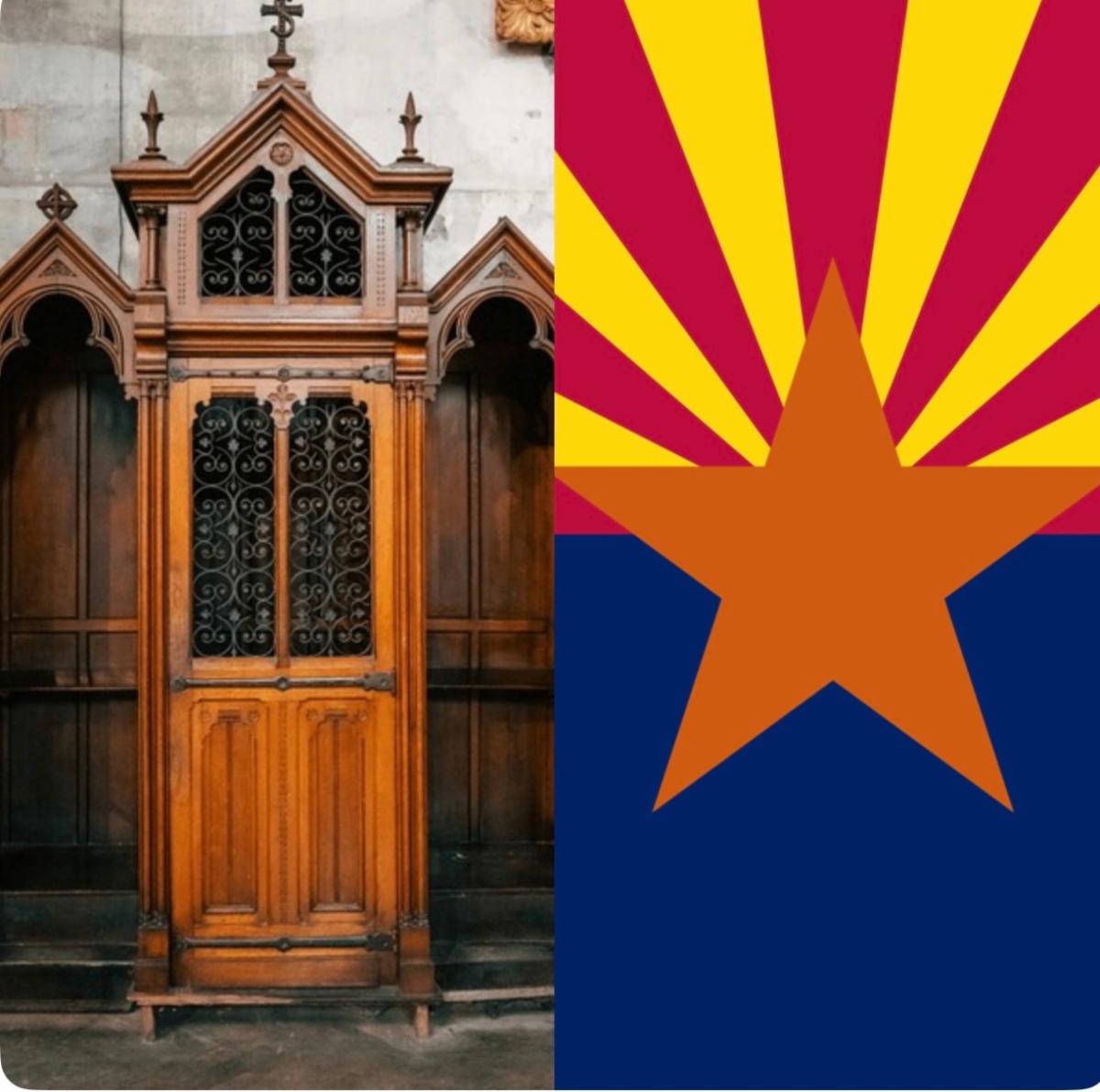
HB 2039: Arizona Bill Raises Alarms Over Religious Freedom and the Seal of Confession


A proposed piece of legislation at the Arizona Legislature is igniting serious concern among faith leaders, constitutional scholars, and civil-liberties advocates. HB 2039, introduced in December 2025, would fundamentally alter the long-standing relationship between church and state by compelling priests to violate one of the most sacred obligations in Christianity: the seal of confession.


The bill was introduced by state Rep. Anastasia Travers and prefiled on December 4, 2025. It is currently awaiting action in the Arizona House. If passed, HB 2039 would amend state law to require priests to report information learned during the sacrament of confession if they have “reasonable suspicion” that child abuse is ongoing, will continue, or could pose a threat to other minors.


Failure to comply would carry severe consequences. Under the bill, a priest who refuses to disclose what is heard in confession could face a Class 6 felony, punishable in Arizona by up to $150,000 in fines and as much as two years in prison.


A Direct Conflict With Church Doctrine

For Catholics and many other Christians, confession is not a counseling session or informal conversation—it is a sacrament governed by absolute confidentiality. Church canon law is explicit:

“It is absolutely forbidden for a confessor to betray in any way a penitent in words or in any manner and for any reason.”

Priests are bound to this obligation on pain of automatic excommunication, and history records multiple instances where clergy were imprisoned or executed for refusing to break the seal of confession. For the Church, this is not policy—it is doctrine.


Constitutional Concerns and Legal Precedent

Arizona is not alone in exploring this issue, but history suggests such efforts face steep constitutional hurdles. In Washington state, a similar law was blocked by a federal court in July 2025 on First Amendment grounds. That proposal drew opposition from U.S. Catholic bishops, Orthodox church leaders, civil-liberties organizations, and even criticism from across the political spectrum. The state ultimately abandoned the effort in October 2025.


Other states—including Delaware, Vermont, Wisconsin, and Montana—have floated comparable legislation in recent years, none of which has survived. California lawmakers proposed and then withdrew a similar bill in 2019. Even internationally, a comparable proposal introduced in Hungary in October 2025 sparked swift backlash.


These repeated failures point to a consistent legal reality: forcing clergy to violate religious sacraments places governments on dangerous constitutional ground.


Protecting Children Without Eroding the First Amendment

Supporters of HB 2039 argue that protecting children must be paramount—and on that point, there is broad agreement. Child abuse is a horrific crime, and mandatory reporting laws already exist for teachers, doctors, counselors, and others. However, critics of HB 2039 argue that compelling priests to violate confession does not enhance child safety and instead erodes religious liberty, setting a precedent that the government can redefine religious doctrine by statute.


Priests cannot comply with such a law without violating their faith, and the state cannot constitutionally compel them to do so. The result would be litigation, taxpayer expense, and a chilling effect on the free exercise of religion.


A Line Arizona Should Not Cross

HB 2039 raises a profound question: Should the state have the power to criminalize adherence to religious belief? For many Arizonans, the answer is clearly no.


As lawmakers consider this bill, they must weigh not only the stated intent but the broader consequences. The First Amendment exists precisely to prevent government intrusion into matters of faith. Once that line is crossed, it becomes difficult—if not impossible—to redraw.

Arizona legislators would be wise to learn from other states that have already tested this path and retreated. Protecting children and protecting constitutional freedoms are not mutually exclusive—but HB 2039 risks sacrificing one of America’s most fundamental liberties in the process.


Turning CItizens Against Each Other

Beyond the legal and religious implications, HB 2039 fits into a troubling and growing pattern of government behavior—encouraging citizens to report on one another. We saw this mindset during COVID, when people were urged to turn in neighbors for violating mandates. We see it today in immigration enforcement efforts that rely on citizen tip lines, and in attempts to pressure homeowners into handing over private Ring camera footage to authorities. Forcing priests to violate an oath of sacred confidentiality is simply another step down this path. Each of these efforts chips away at trust within communities and replaces it with suspicion, pitting neighbor against neighbor. A free society depends on voluntary cooperation and mutual respect, not government-compelled informants.

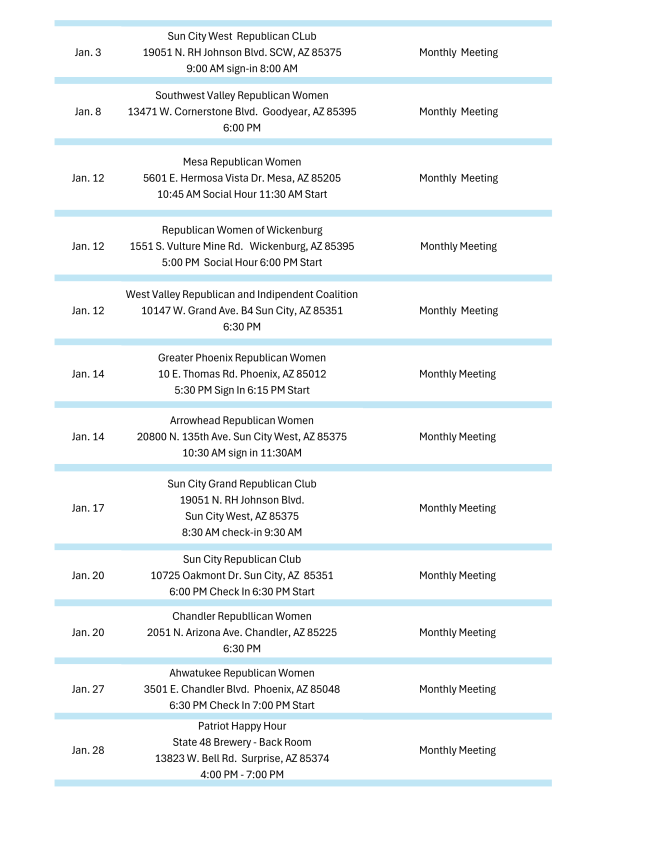
PATRIOT HAPPY HOUR WITH FELLOW REPUBLICANS!


Join Us for Another Great Evening!


Due to overwhelming demand, we’re bringing back our Patriot Happy Hour at State 48 in Surprise! Last month’s gathering was a fantastic success, with great food, drinks, and, most importantly, meaningful conversations with fellow conservatives. Let’s do it again!


 Where: State 48 Brewery - 13823 West Bell Road, Surprise, AZ 85374

 When: Wednesday,

 Time: 4:00 PM – 7:00 PM


This is the perfect opportunity to connect with like-minded individuals, get to know fellow PATRIOTS, and strengthen our local Republican community. Whether you're new to pollitics or simply want to make new friends everyone is welcome!


Bring a friend and join us for an evening of camaraderie, networking, and fun. Let’s keep the momentum going!


Patriot Happy Hour is always the last Wednesday of the month.

IF YOU WOULD LIKE YOUR CLUB LISTED PLEASE CONTACT ME

Thank you,

Lisa Everett


www.patriotnheels.com


Follow me on:

X - @patriotnheels

Facebook - @patriotnheels

Instagram - @patriotnheels