Mission statement:The CORaL Network empowers our region by collaborating, learning from one another, and sharing scientific, cultural, and traditional knowledge. We foster community co-creation and responsiveness to meet the needs of our partners and their service communities.
We respectfully acknowledge that the land on which we gather and work is the ancestral territory of the Alutiiq/Sugpiaq, Eyak, and Dena’ina peoples. We want to take a moment to also acknowledge our elders/mentors, folks from research, your hard work, and your willingness to work together!
In this Issue
2026 Collective Alaska Native Perspectives I Researcher Highlight: Dr. Henry P. Huntington I Upcoming Programs & Events I Qutekcak Traditional Native Games I
Jobs & Internships I Featured Resources
Spotlight Stories
2026 Collective Alaska Native Perspectives (CANP)
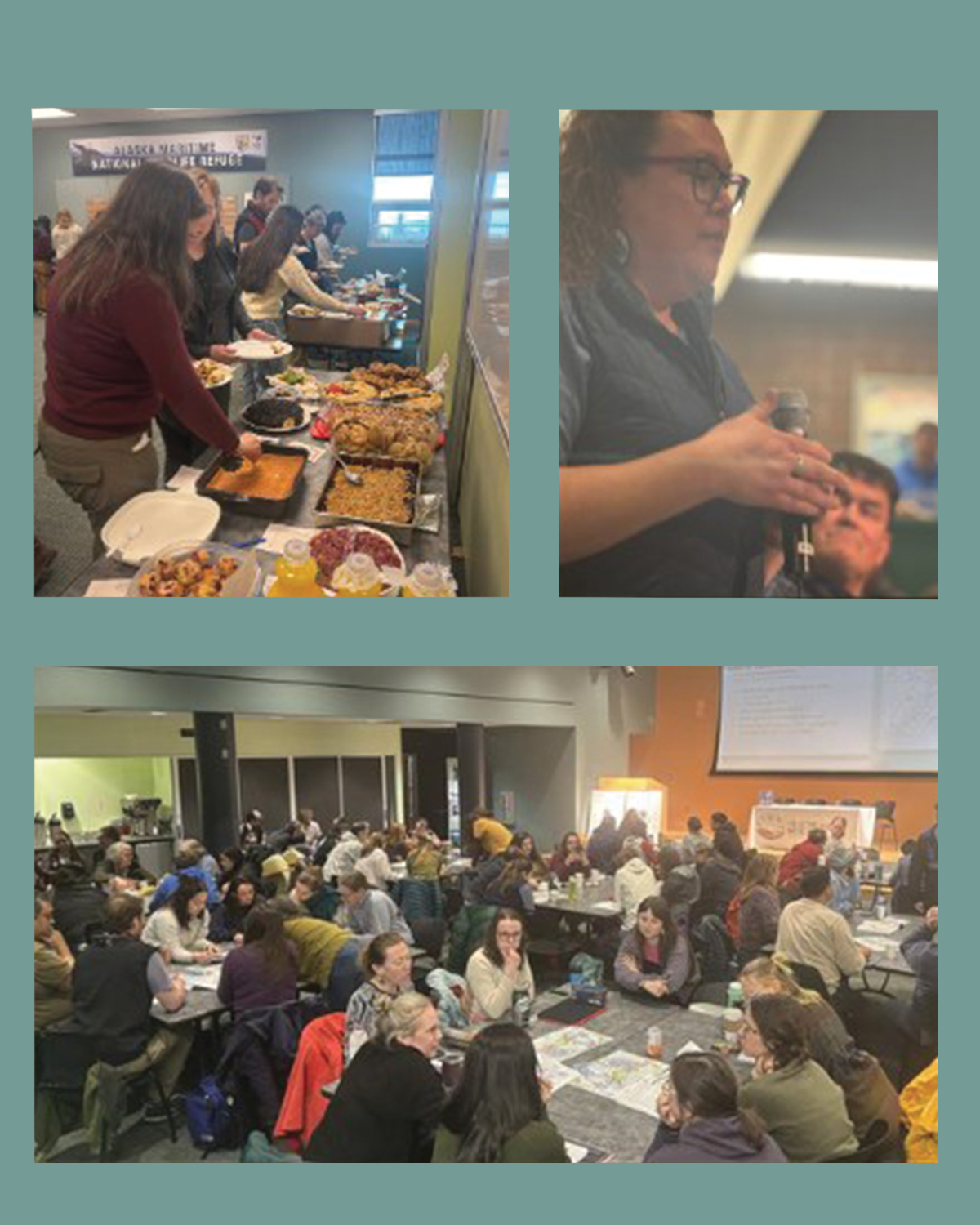
Last month, CORaL Network member Chugach Regional Resources Commission (CRRC) hosted the 4th annual in-person CANP training at the Alaska Maritime National Wildlife Refuge Visitor Center in Homer. CRRC developed CANP to build an understanding of Alaska Native true history, legal complexities, cultural practices, and the way of life from the perspective of Alaska Native People.
The CANP 3-day series provides opportunities for many stakeholders in the Exxon Valdez Oil Spill (EVOS) region to learn and collaborate through workshops, lectures, crafting, traditional foods, and Native dancers. Our network alongside educators, researchers, scientists, federal/local government agencies engaged in discussion and storytelling directly with Tribal Elders and Alaska Native mentors and speakers.
CANP’s learning format and delivery is modeling & knowledge sharing (stories) of the importance of effective communication in our Alaskan communities and with Alaska Native People.
This year presented a diverse group of speakers and presenters. Dustin Carl, Tribal Fish and Wildlife Director (CRRC) and Native Village of Kipnuk Tribal member spoke on subsistence and Alaskan Native ways of living as well as village protocols and best practices for visiting rural communities. President of Ninilchik Traditional Council, Greg Encelewski shared his knowledge in Alaskan Native governance and inter-governmental relations. Michael Opheim, Tribal Fish and Wildlife Liaison (CRRC) and Native Village of Ouzinkie Tribal member, discussed co-stewardship and collaborative resource management. The final day featured traditional foods and potluck celebration and a learning and reflection circle for all attendees.
Our network is thankful to all Tribal Elders and Alaskan Native mentors for their time, knowledge and dedication in making CANP such a meaningful experience. Quyana!
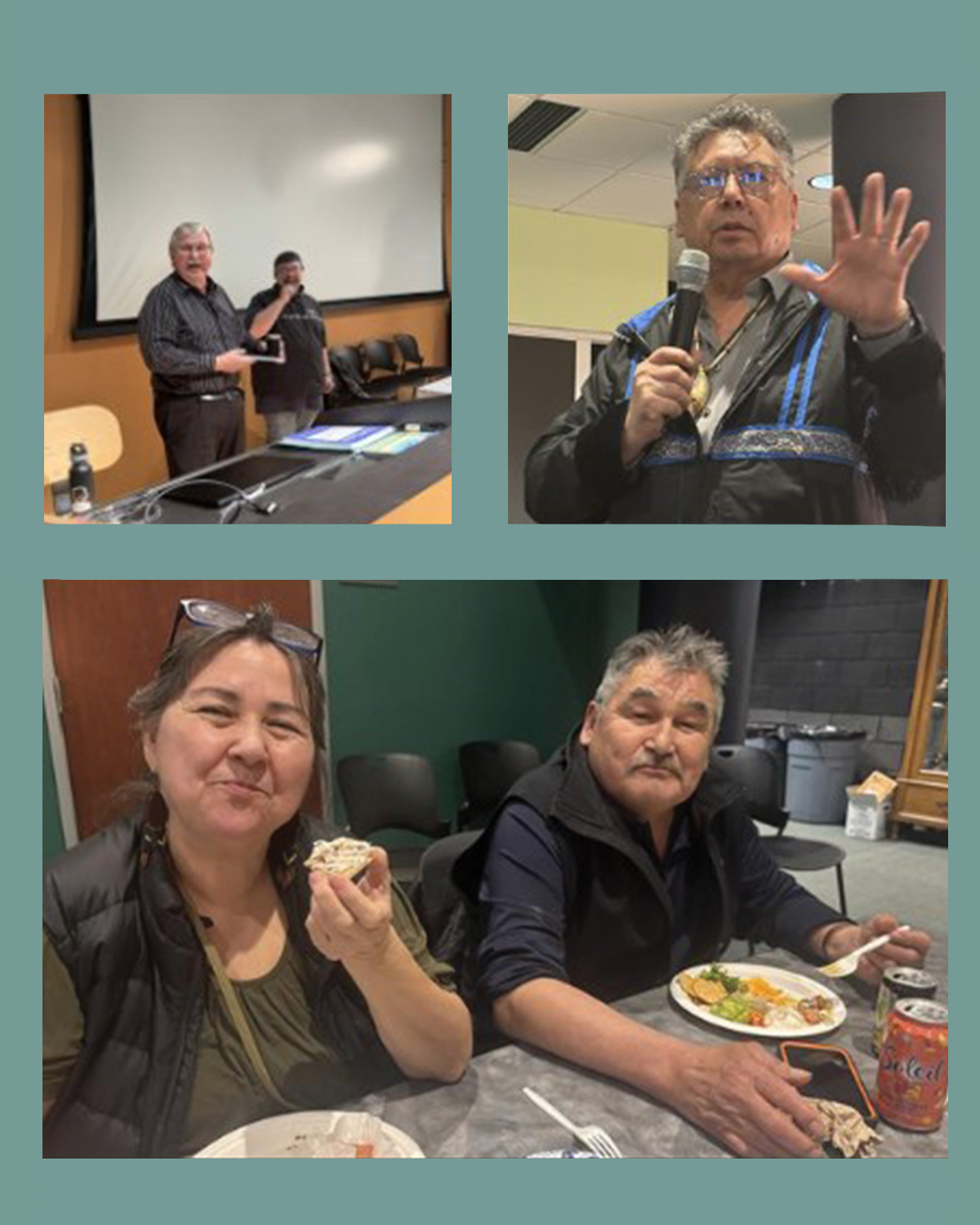
Photos from Collective Alaska Native Perspectives provided by Chugach Regional Resources Commission
Researcher Highlight: Dr. Henry Huntington (UAF)
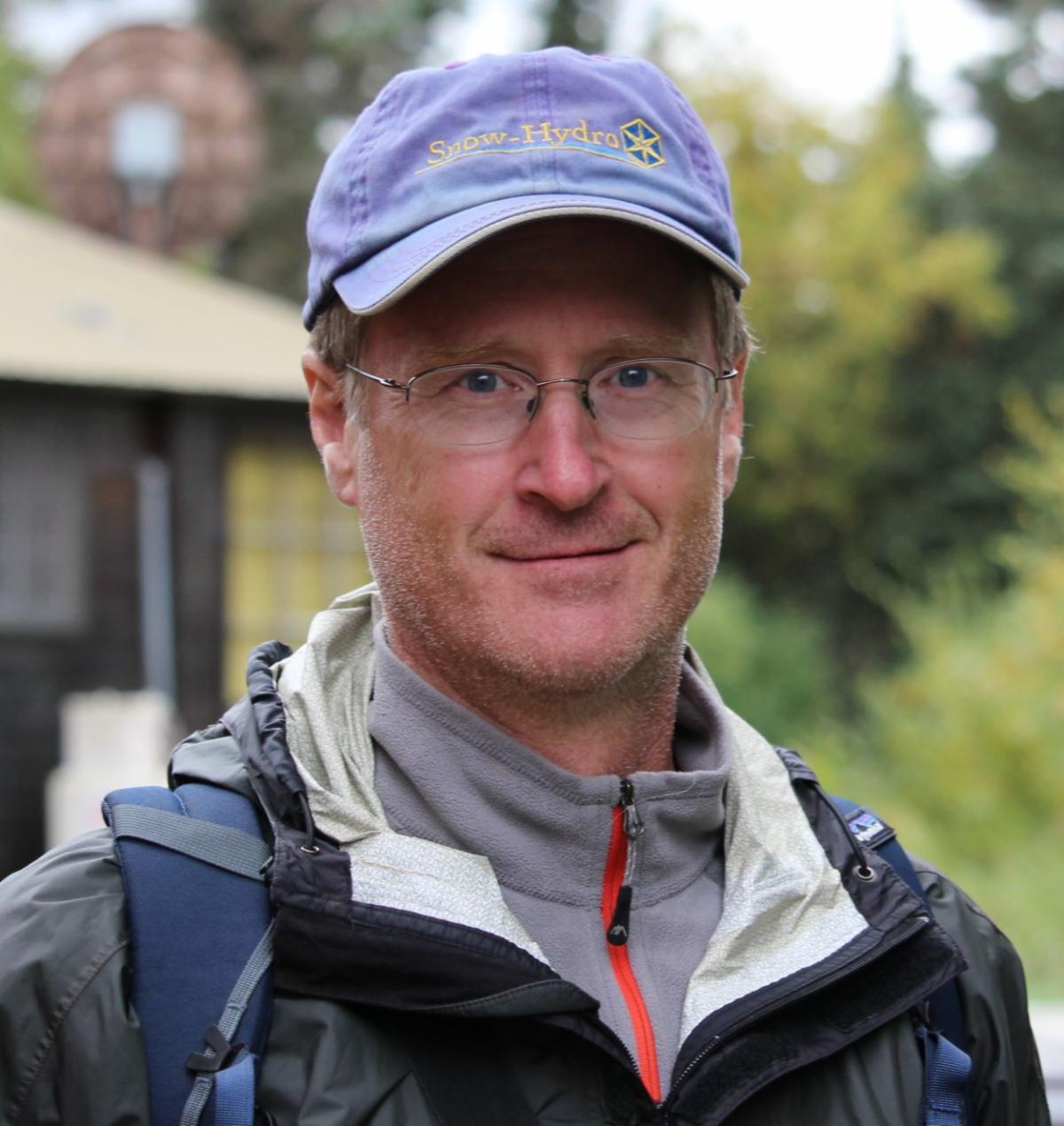
Dr. Henry P. Huntington
Center for Cross-Cultural Studies, University of Alaska Fairbanks (UAF)
On the final morning of CANP 2026, Dr. Huntington presented on applied Traditional Knowledge (TK) and Indigenous-led science. Drawing on decades of field experience in Southcentral and Northern Alaska, Dr. Huntington shared his research collaborating with remote Alaskan Native villages and working with Tribal Elders, Tribal entities and governments, tackling complex issues, such as climate change and sea ice loss, food security, and increasing human disruption of natural resources. Dr. Huntington highlighted the importance of applying TK into all facets of social-ecological research as a vital means of measuring and interpreting systemic changes over time.
TK is the accumulated wealth of knowledge, usually possessed by Tribal Elders which are informed by long-term observations and personal experience and shared by stories and examples. This information is usually passed down through generations, resulting in a deep awareness and understanding of the environment and the relationship between people and nature. Western science places emphasis on measurable phenomena, while indigenous knowledge is rooted in experiences and relationships, sometimes spiritual, between people and living and non-living entities.
Dr. Huntington shared his research projects studying beluga whales in Cook Inlet and Pacific walruses and ice seals in the Bering Sea, and the role that community workshops, one-on-one discussions, field trips, and potluck meals play in information gathering. According to Dr. Huntington, the goal of these workshops was to engage local Elders and others knowledgeable in various subjects in a collaborative, interactive, mutual-learning process. But co-creation can only work with trust, integrity, relationship-building, and commitment to respecting one another.
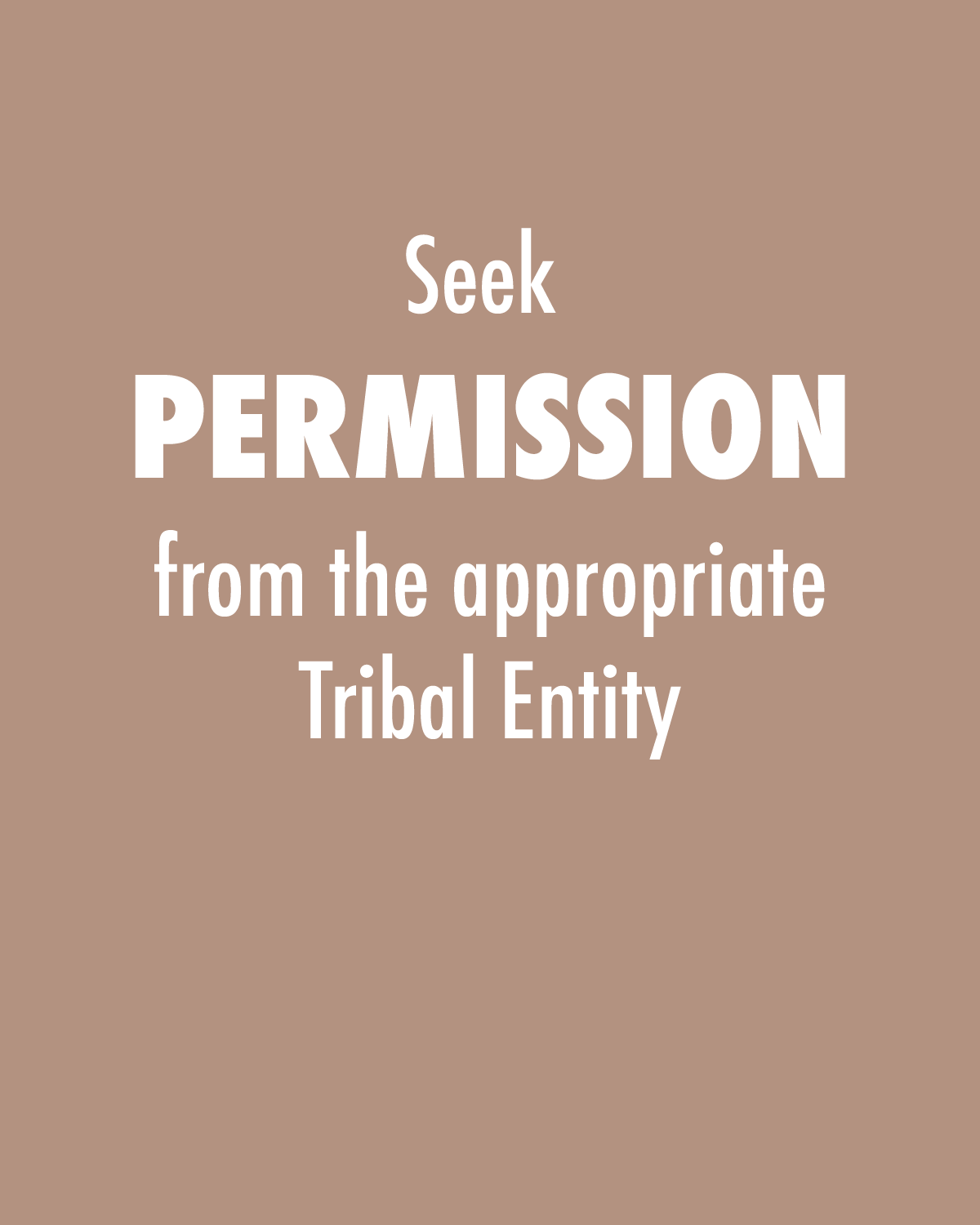
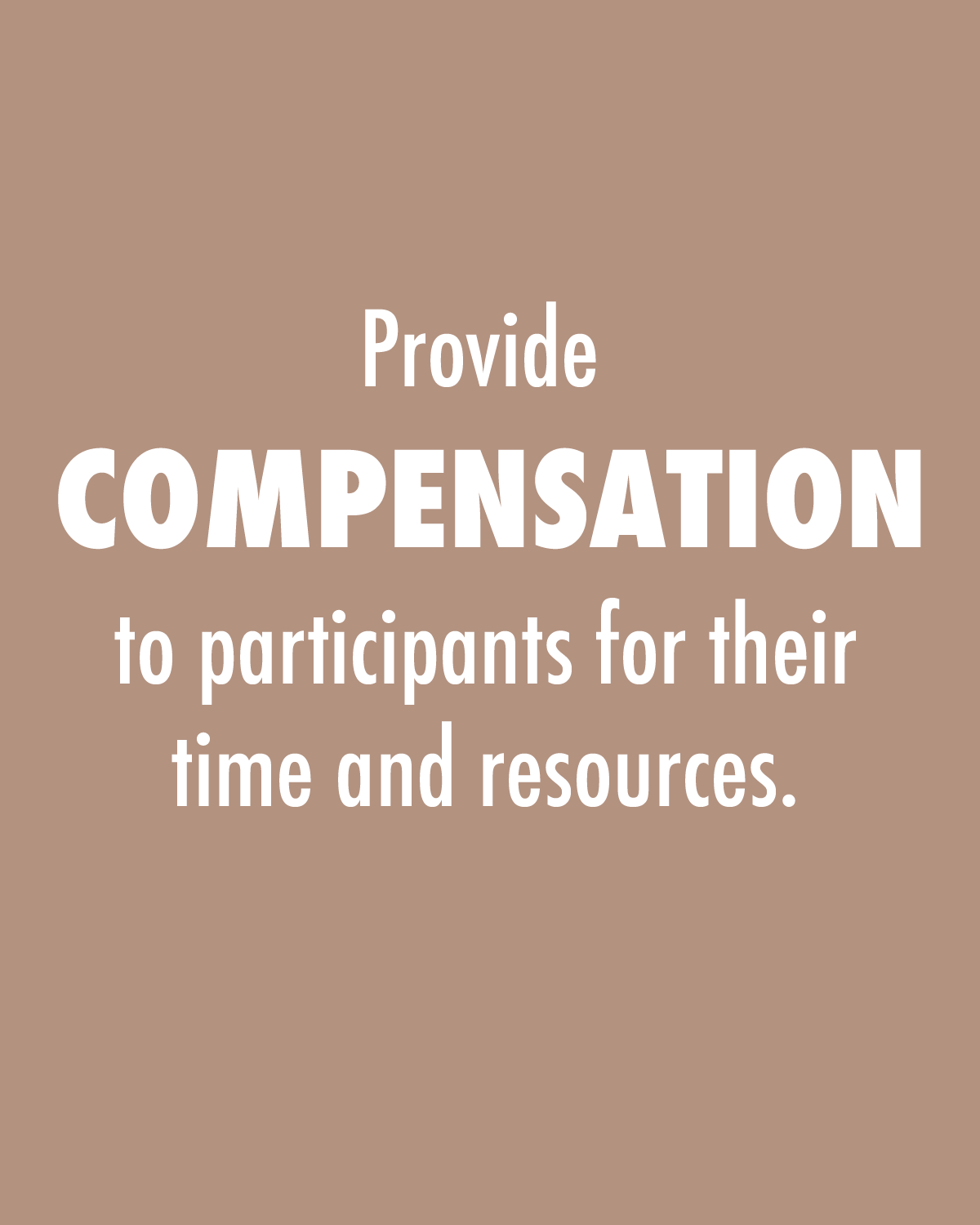
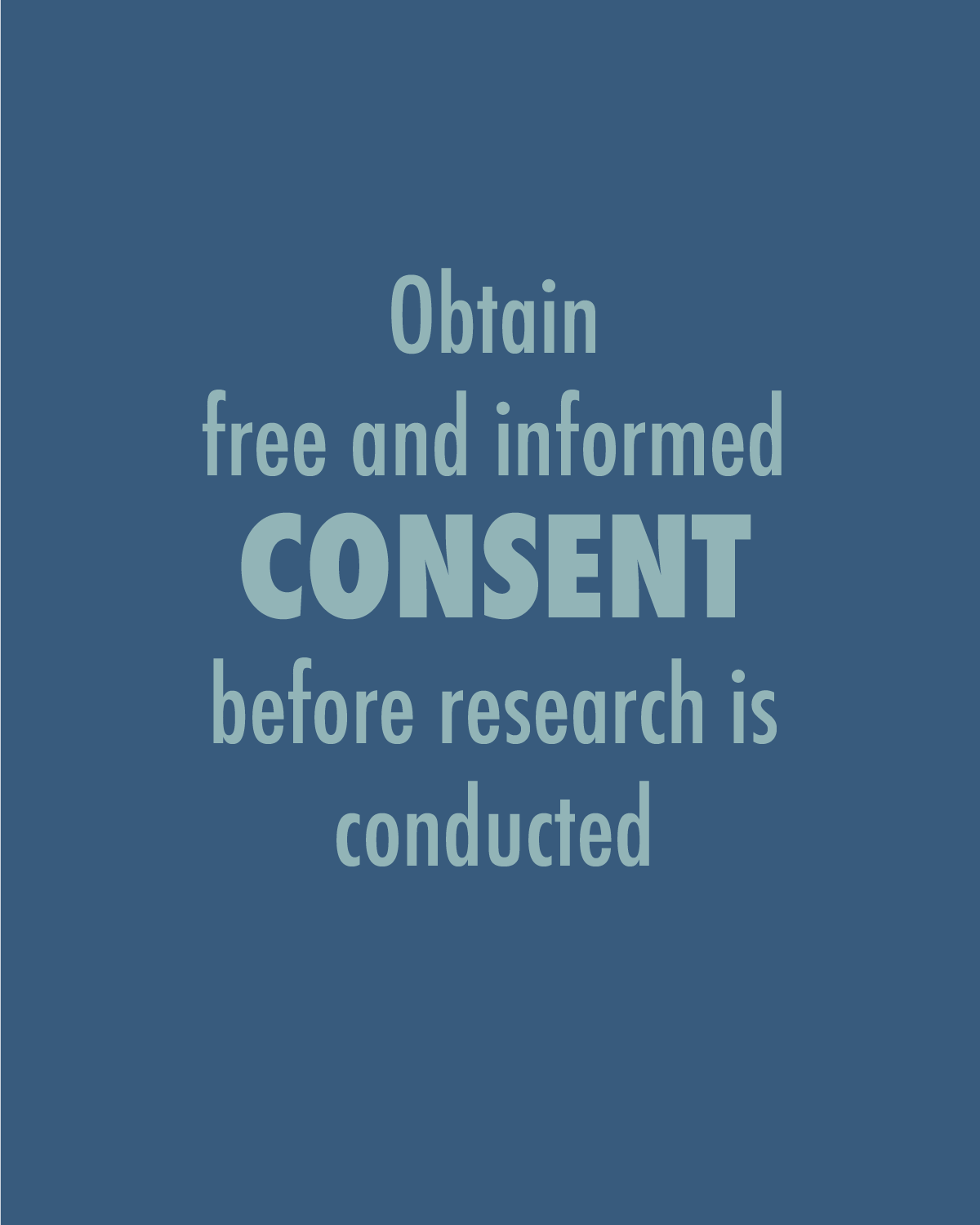
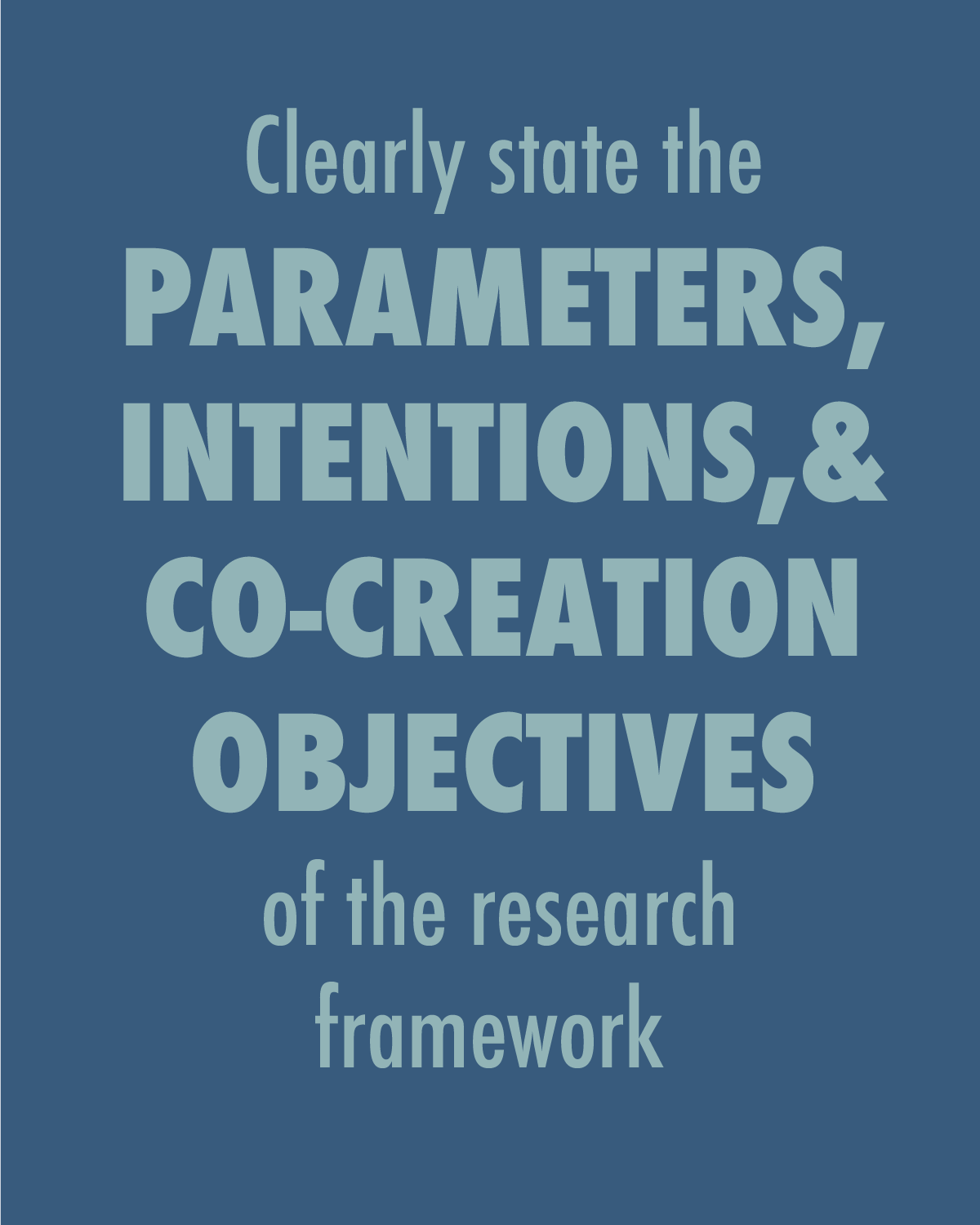
Preceding any research findings, Dr Huntington cautions when approaching TK with Tribal Elders and entities: (1) seek permission from the appropriate Tribal Entity or governing body/community BEFORE approaching individuals, (2) obtain free, prior, and informed consent BEFORE any research is conducted (3) establish intellectual property rights with any or all interview participants and provide fair compensation for time and resources, and (4) clearly state the scope, parameters, and intentions of the research framework and the co-creation objectives to Tribal Elders, entities and governing bodies.
Western science and TK together blend diverse world views and beliefs about how we acquire and develop knowledge about the natural world. Co-creation can provide a rich understanding of the implications of climate and ecological changes in the EVOS region and beyond.
A big thank you to Dr. Huntington for providing his time and expertise at CANP!
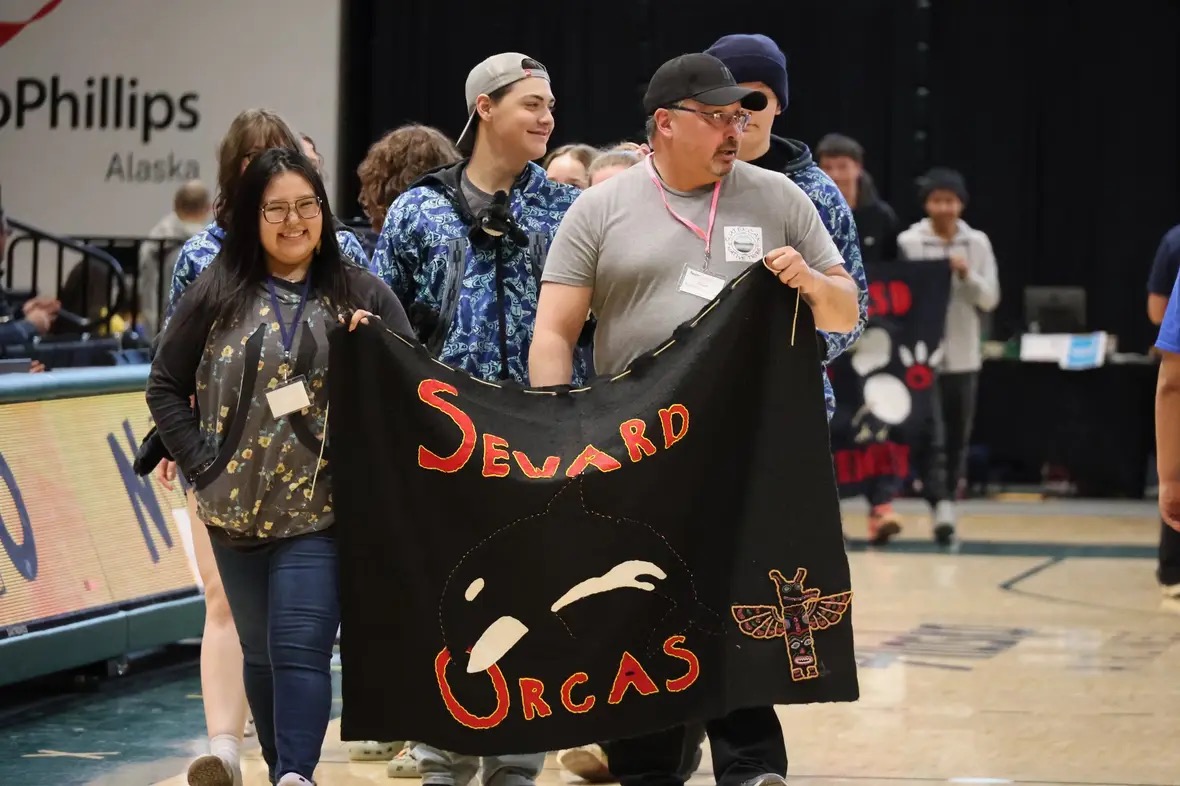
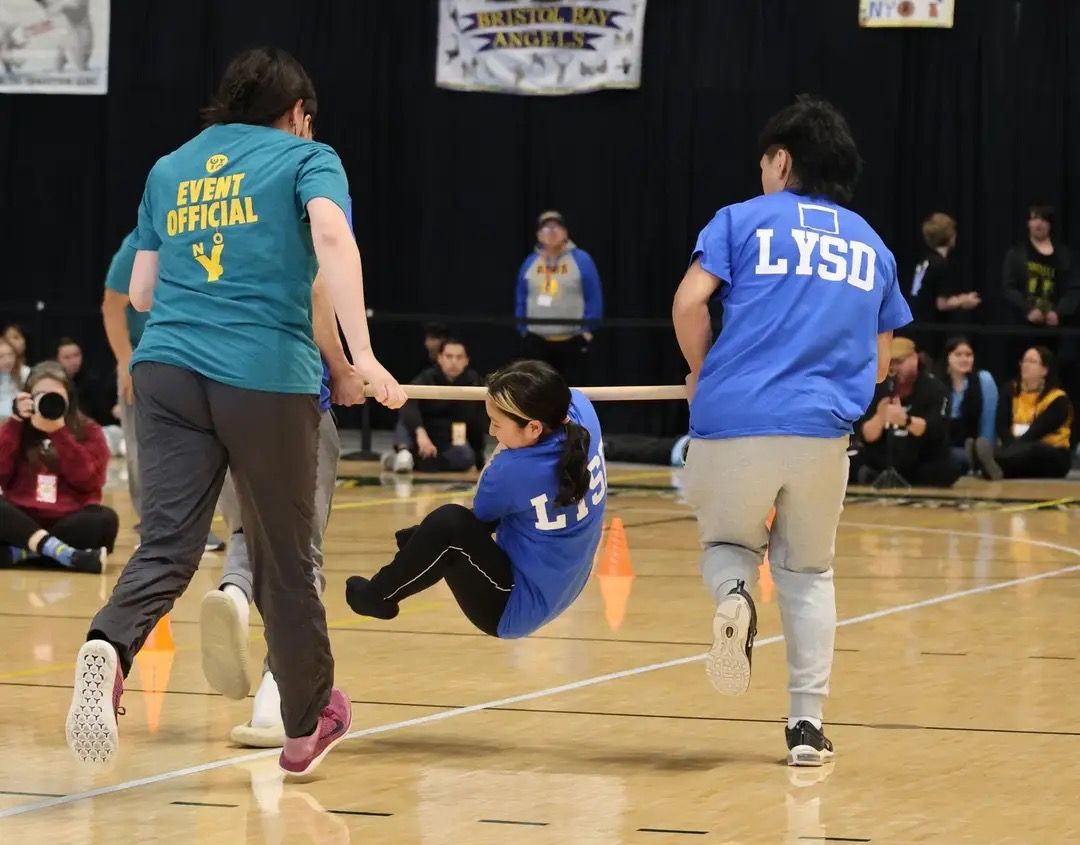
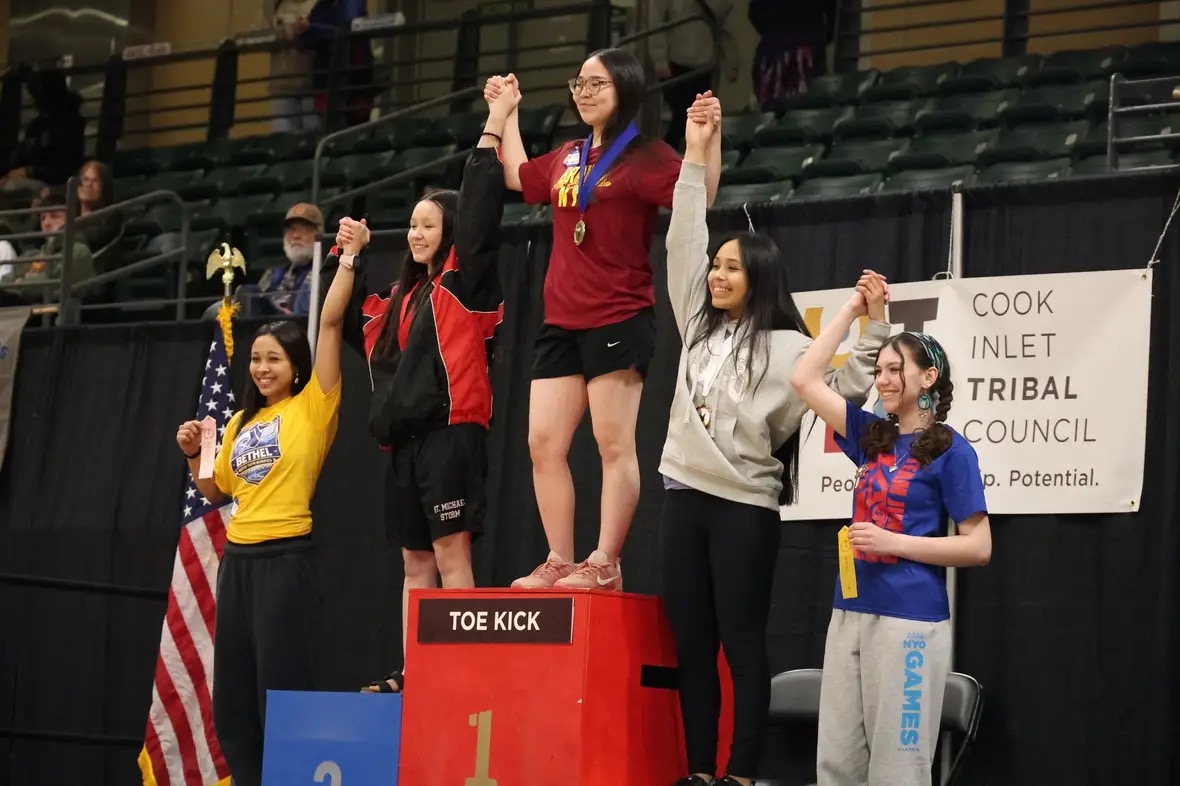
Over Easter weekend, Qutekcak Native Tribe (QNT) hosted the 2nd annual NYO Qutekcak Traditional Native Games Invitational at the Seward High school. Over 200 athletes, coaches, officials, and community members were in attendance with over 11 school districts, Tribes, and Tribal organizations represented, including Port Graham, Tatitlek, Chenega, Cordova (Eyak), Barrow, Bethel, Kenaitze, and Chickaloon.
Alaska Native ancestors created traditional games to build important skills for everyday life. Physical endurance helped strengthen abilities required for hunting and fishing and other subsistence practices throughout Alaska. In 1971, students from the Boarding Home Program School in Anchorage put together the first NYO competition to honor traditional games. Nearly 60 years later, hundreds of athletes compete at statewide junior- and senior-level events, supporting one another and developing skills for life.
Events include, but are not limited to: Scissor Broad Jump, Seal Hop Inuit Stick Pull, Dene Stick Pull, One-foot High Kick, Two-foot High Kick, Wrist Carry, Alaskan High Kick, Kneel Jump, Toe Kick, and One-hand Reach.
Dancers from Tatitlek opened and closed the ceremony following a daily prayer. Volunteers and community partners in Seward and beyond helped make the event a success, coordinating security, registration, hospitality, snack shack, and setup/clean up. Also included over the weekend was a QNT silent auction, featuring Alaskan Native jewelry, crafts, animal skins, apparel, and traditional foods and more!
Thank you to Krisnan Weston and QNT for hosting this incredible event!
Photos from 2nd Annual Qutekack Traditonal Native Games Invitational at the Seward Highschool
Bring Alaska’s marine wildlife to life for guests at ASLC! In this dynamic role, you’ll engage visitors on the exhibit floor, lead interactive marine science programs, and create meaningful connections between people, animals, and conservation. If you’re energetic, this is the job for you!Positions open as early as May 1 - Sept. 30. Apply!
This position is responsible for assisting with operations, maintenance,and repair of the life support, building, and mechanical systems at the Alaska SeaLife Center. Apply!
(Seward, AK - seasonal) Aquarist 1- Alaska SeaLife Center (ASLC)
Provide basic support to the Aquarium division for daily husbandry and related duties for aquatic fishes, invertebrates, and plants; and their exhibit and holding aquariums under the direct supervision of the Aquarium Curator. May 1, 2026 - August 30, 2026. Apply!
We are a growing network of community leaders responding to the challenges and opportunities of the Alutiiq and Eyak homeland. Informed by indigenous values, we’re inviting passionate, community-rooted individuals to step into the role of Community Catalyst. Apply!
Gain valuable hands-on experience in retail, tourism, and cultural education. Support local artists, connect with visitors, and share Alutiiq heritage. 25 – 30 hours a week, starting fall 2026 at $18 an hour. Apply!
(Fairbanks, AK) Student Assistant - Alaska Sea Grant (ASG)
Is recruiting candidates for a position located on the University of Alaska campus in Fairbanks. This will be a part-time, student assistant position. Once hired, the successful candidates will be placed on the UA student salary schedule, based on education and experience. Contact Ashley Lindsoe.
Coordinate a variety of environmental monitoring projects designed to improve knowledge and understanding of the actual and potential environmental impacts from the operation of the Valdez Marine Terminal and associated crude oil tankers in Prince William Sound, Alaska. First review will occur on May 11, 2026. Apply!
Serve as a technician on research cruises involving sampling fishes, plankton, and oceanographic conditions in PWS and be responsible for processing samples in the lab. Experience performing scientific work at sea (required), the willingness and ability to work under challenging weather conditions. Beginning May - Sept 2026.Apply!
Featured Resources
CRRC Tribal Fish and Wildlife Monthly Report - May 2026