"Seeing the Prairies Bloom"
Field stories and fond farewells from IAE staff Peter and Stacy Moore
|
|
Our vision is a world where all people and wildlands are healthy and interact positively, biological diversity flourishes, and environmental challenges are met with a social commitment to solving problems with scientific principles. |
|
"We must be free not because we claim freedom, but because we practice it." - William Faulkner |
|
A Season in the Snake River Plain: Tracking the Status of Rare and Endangered Plants |
By Vero Tessier and Chris Donovan, Conservation Research Program Seasonals
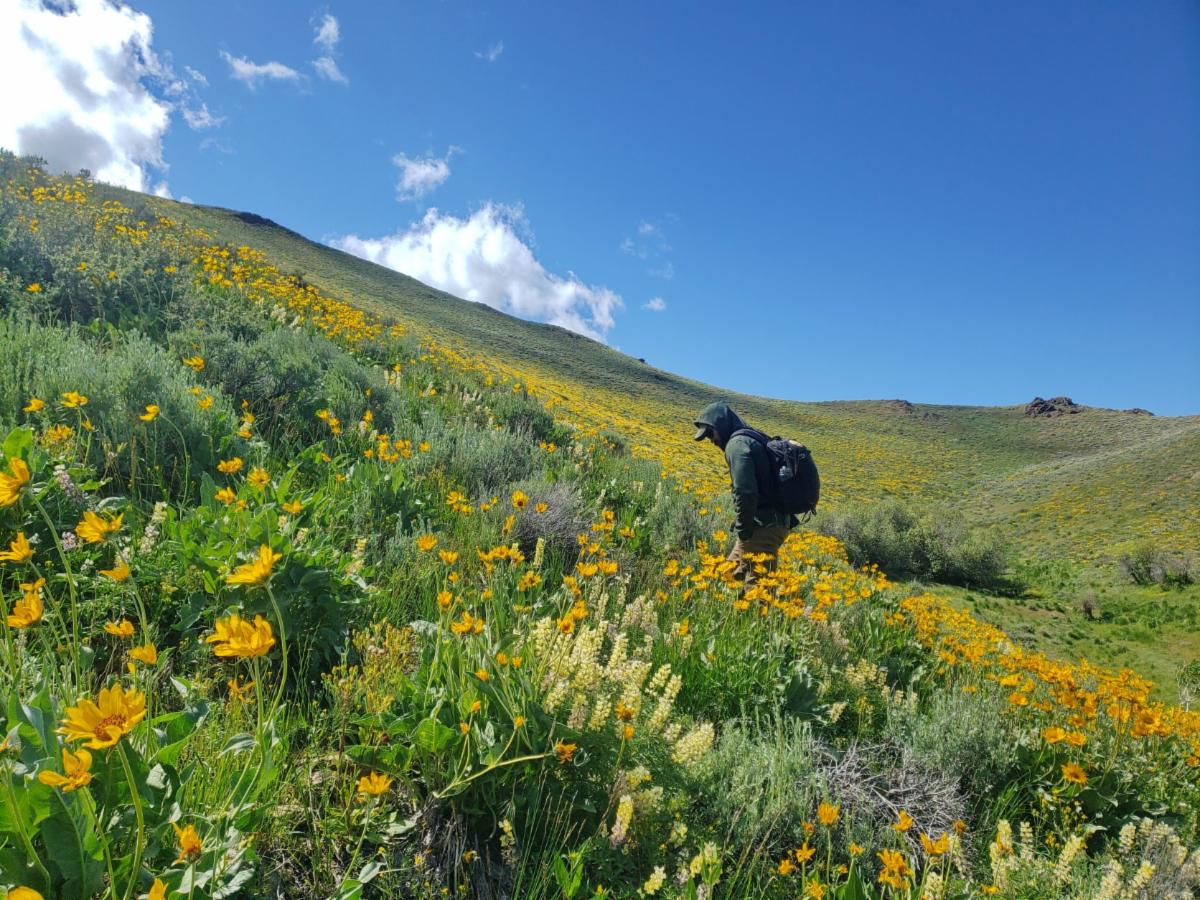
The Institute for Applied Ecology finished another successful field season surveying rare plants in Idaho for the Bureau of Land Management (BLM). The purpose of this project is to collect critical data that will help local BLM offices and the US Fish and Wildlife Service make future management decisions to conserve these species. We experienced a wide range of Idaho’s weather, waking up to two inches of snow (and waiting for it to melt so we could see our plants again) early in the season and braving scorching heat in the remote reaches of the Diamond A Desert in June.
|
|
|
Forest Learning with Santa Fe and Pueblo Youth |
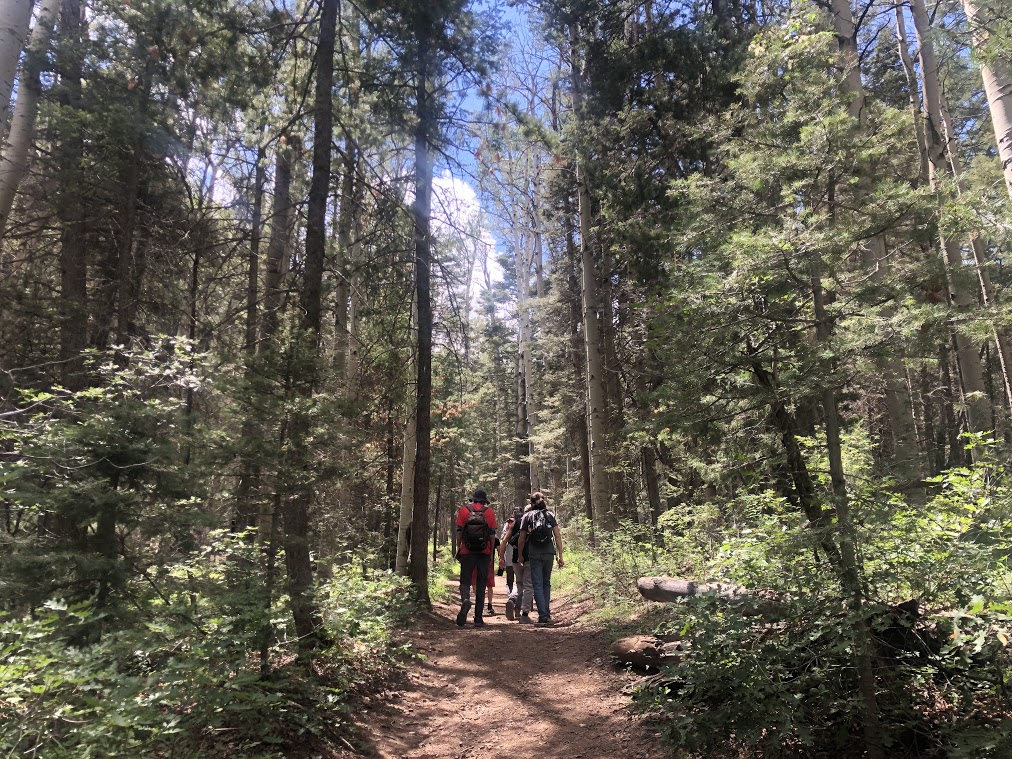
Nothing gets me more excited than loading students and gear in a 15-passenger van and heading into the forest. Through my work in outdoor education, I have grown passionate about facilitating experiences where people can connect with nature and each other. These experiences can build a strong sense of ownership and community that supports environmental stewardship. I was eager to continue facilitating such experiences through Forest Bound in my new role as the Southwest Education and Outreach Coordinator.
|
|
|
Uphill Both Ways: The Search for Prairie-Oak Ecosystems |
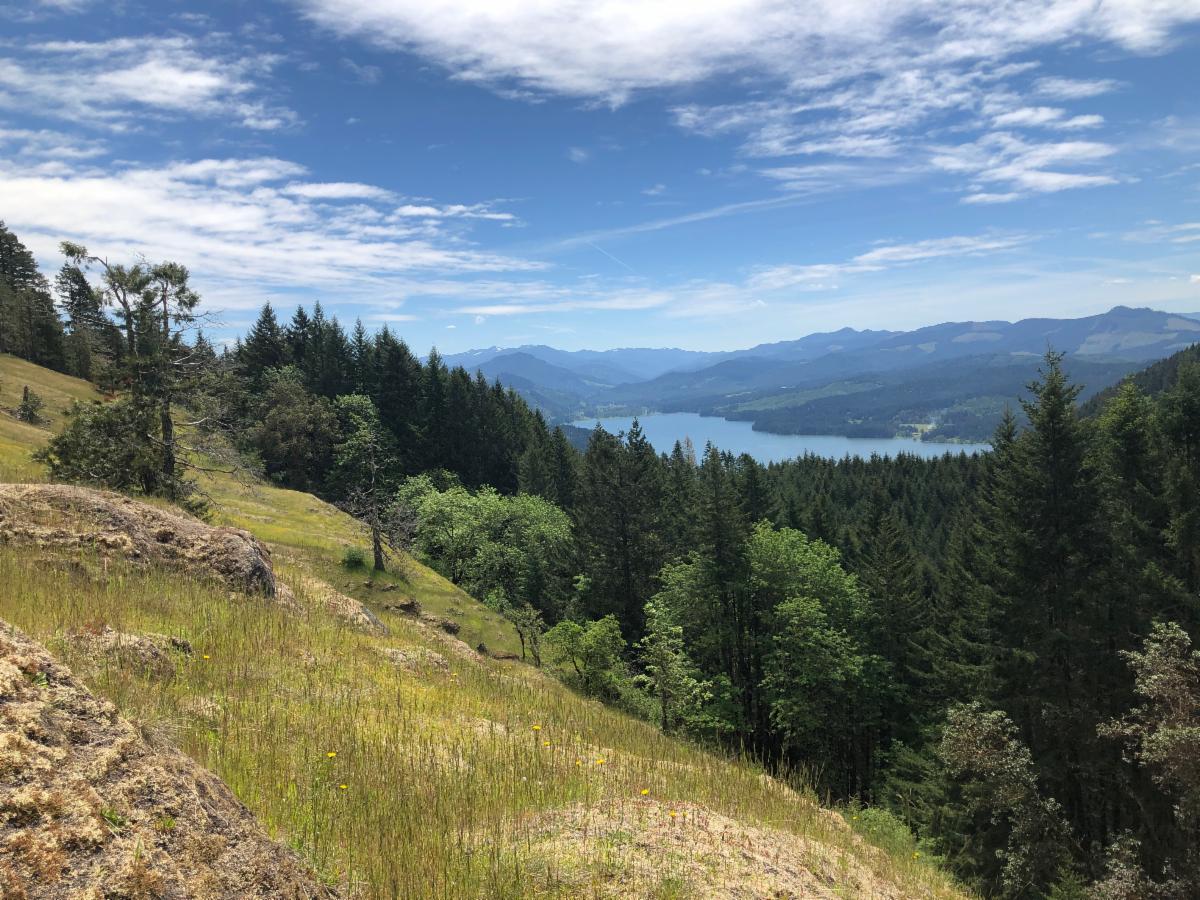
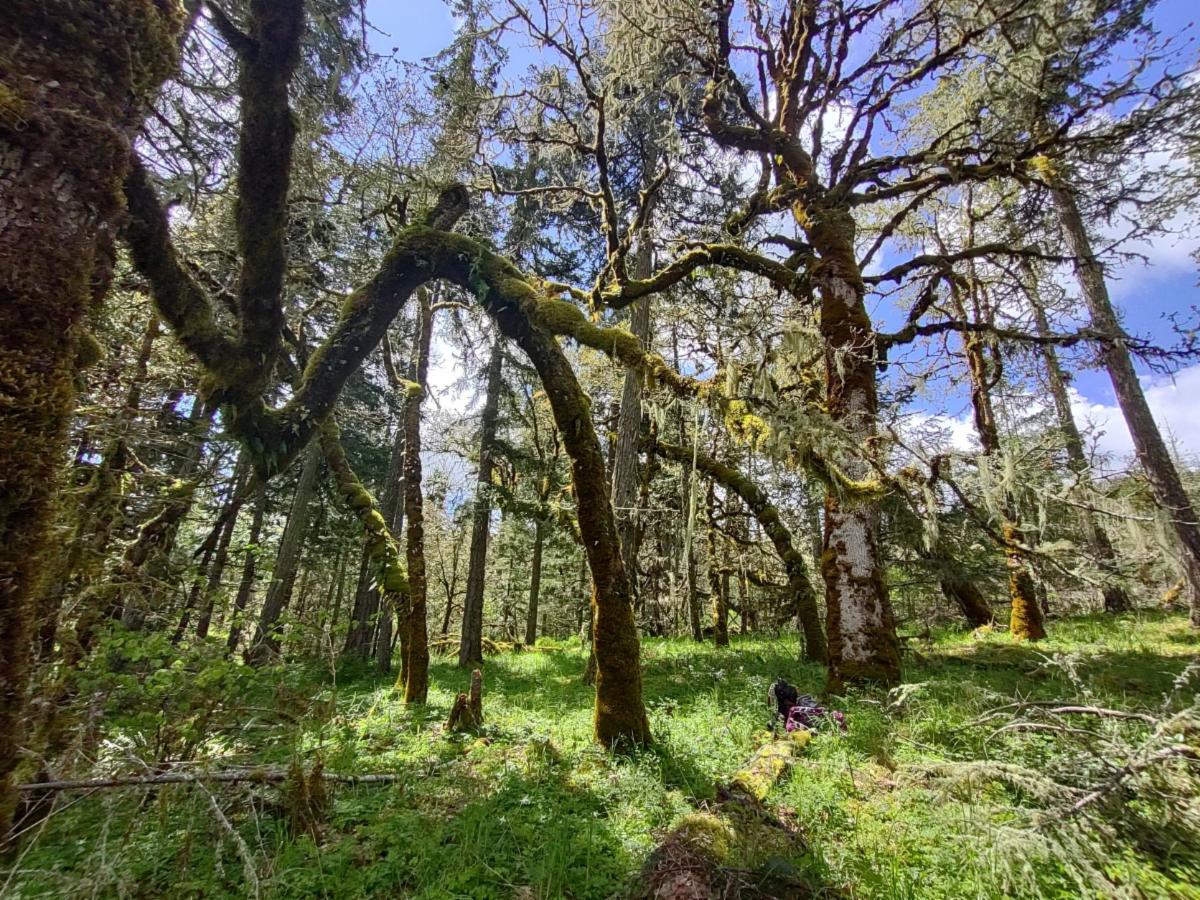
Imagine hiking up a steep slope through dense Douglas-fir forest, trees growing tall above thickets of thorny shrubs and vining plants. Suddenly, you emerge from the forest into a sunny opening with a carpet of lush green grass, swaths of flowering forbs, and large, majestic oaks. At last, the prairie-oak ecosystem you were hoping to find. As you take in the landscape, it seems you may be the first human to set foot there in many decades, maybe longer. It’s just another day in the office for the Prairie-Oak Inventory (POI) Crew.
Prairie-oak ecosystems are a threatened habitat type. Current studies estimate only 1% of the historical habitat area remains in the Willamette Valley ecoregion of Oregon. This habitat loss is largely driven by fire suppression, land-use change, and the presence and persistence of non-native weeds.
|
|
|
Hot takes from the Invasive Species Cookoff 2022! |
Well over one hundred billion dollars are spent annually in the U.S. to combat invasive species, a problem so great that it rivals many other ecological catastrophes. But on a recent Saturday evening 150 people came to the table to discuss this issue and dine upon some of the worst offenders.
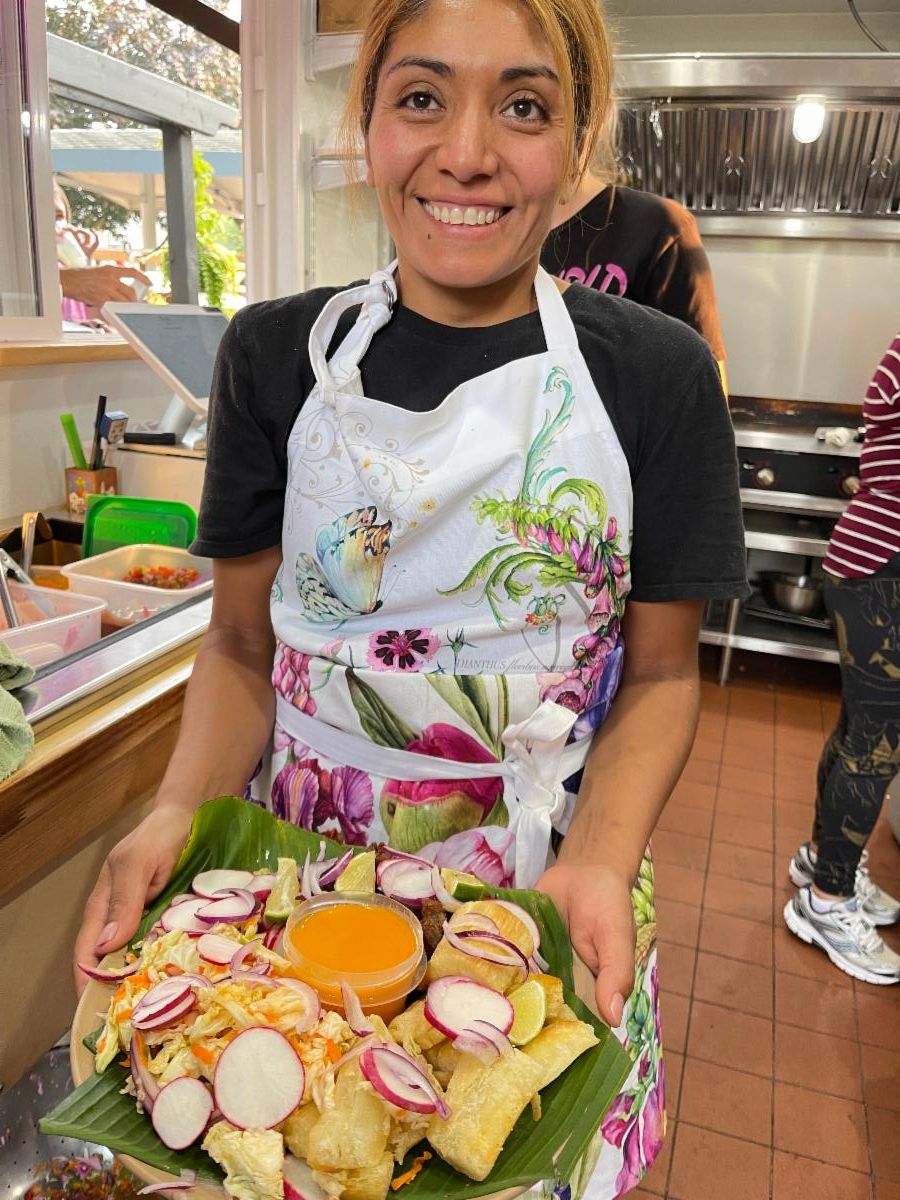
The Institute for Applied Ecology held its first Invasive Species Cookoff since the beginning of the Covid-19 pandemic in Corvallis, Oregon on September 12, 2022, at Common Fields, a food cart haven with remarkably delicious offerings that on this unique evening included a menu more adventuresome than ever.
|
|
|
Announcements & Brief Updates |
|
|
|
Best Wishes to Peter Moore in Retirement! |
What has been your favorite thing about working at IAE?
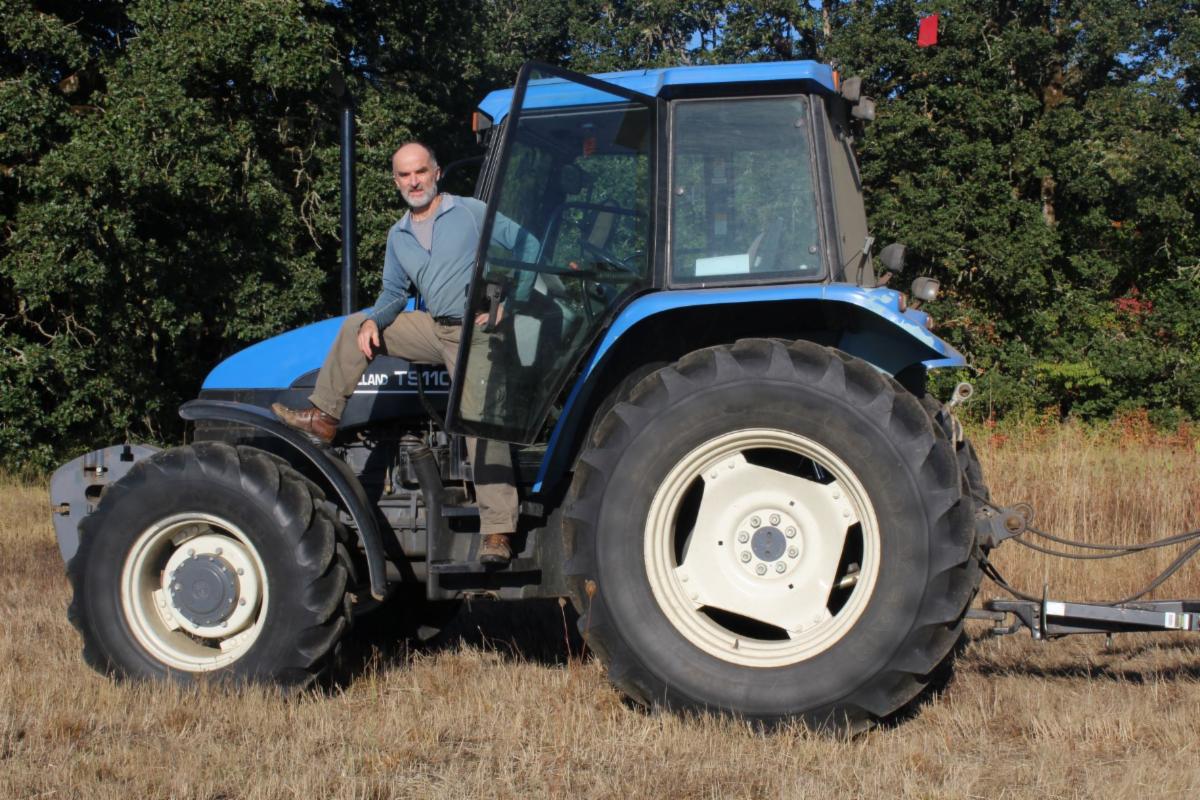
It's hard to pick one particular favorite thing about my time at IAE as there have been a great many varied experiences over the last 10 years helping to restore prairie, oak savanna and riparian habitats. I have enjoyed working with a lot of great IAE staff, as well as colleagues in other partner organizations, private landowners, contractors, growers, AmeriCorps teams and volunteers. Restoration is a team effort!
I have been involved with some great projects, some of which have had ongoing themes at multiple sites, such as Nelson's checkermallow recovery or the Plants for People projects, or multiple grants at single sites, such as Herbert Farm and Natural Area. I am particularly attached to this site, since the restoration has spanned my whole decade with IAE, and apart from those pesky weed issues that keep us humble, I am proud of the end result, and my contribution to the team effort.
Planting is perhaps my favorite time of year, as having done all the hard work planning and preparing the site, the fun part is getting the plants or seeds in the ground. Often this is the time when we get volunteers or crews involved which is a rewarding experience. Then of course, seeing the prairies bloom with the wildflowers that we have planted caps it all off.
I will miss the camaraderie of working with IAE staff - you have all been great to work with. --Peter Moore
|
|
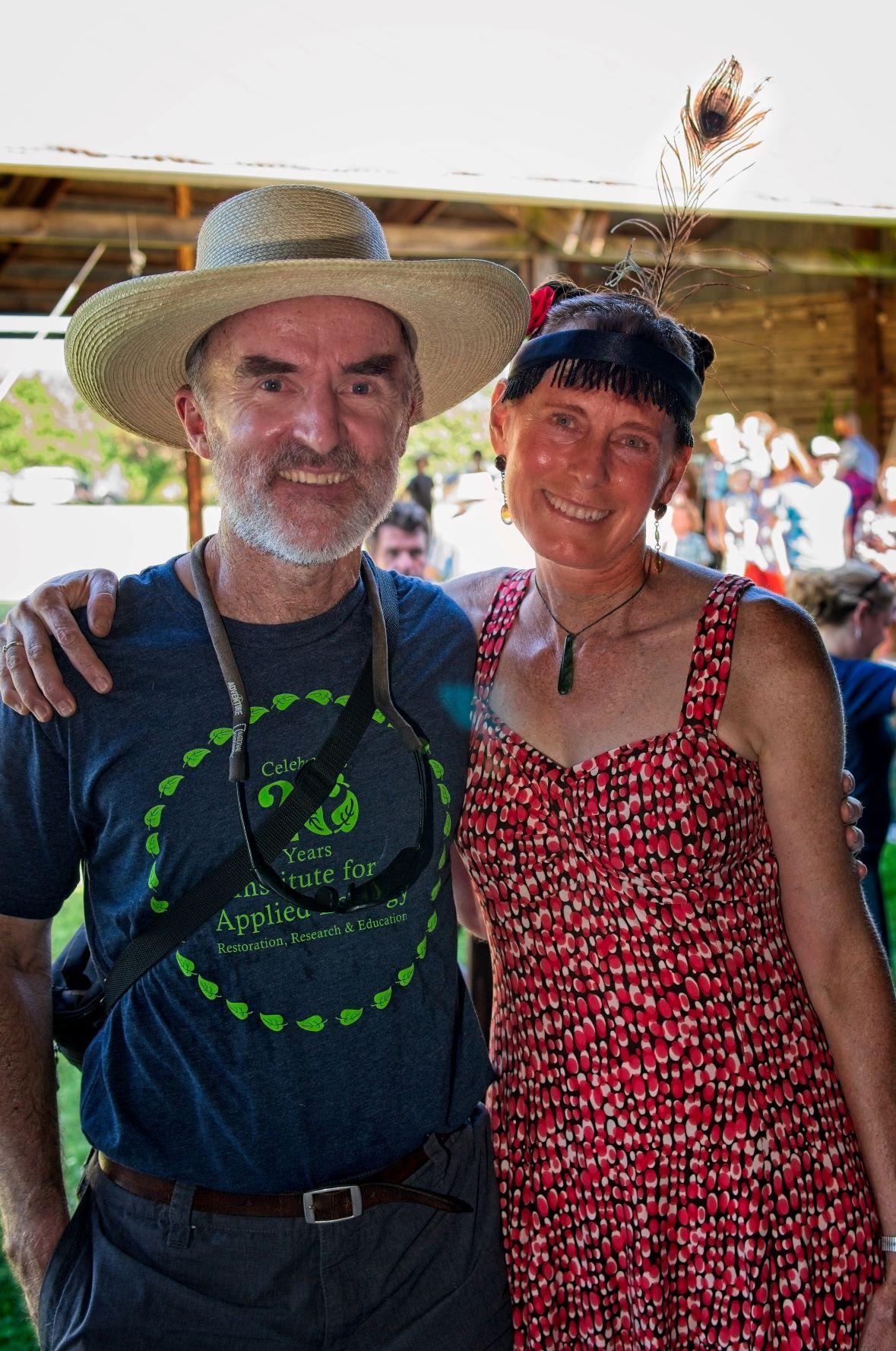
As I move into retirement from IAE, I reflect on my more than 10 wonderful years with the organization. Touching the lives of incarcerated individuals through the Sustainability in Prisons Project has been a highlight for me. I strive to see the truth in each individual - a person that is worthwhile and can make a positive difference to our communities and natural systems. I thank IAE staff, board, volunteers, partners and clients for many rewarding years. --Stacy Moore
|
|
Best wishes to Stacy Moore in Retirement! |
Tears streamed down “Spider’s,” face. “I just hate to say goodbye to my little babies,” he sobbed as he gently placed his sagebrush plug into the soil on a BLM fire burned area that is home to greater sage-grouse. Spider was finishing his last year of incarceration at Warner Creek Correctional Facility. He was overjoyed to be part of the sagebrush in prisons project team where he sowed thousands of native plant plugs and was later able to step outside the prison fence to plant his charges. Each day Spider felt the sun on his face and smelled sweet sagebrush aroma as he carefully watered and thinned the baby plants. ”To me the Sagebrush in Prisons Project means being able to make a difference on the outside while being incarcerated. The sagebrush program provides something that is scare in prison, opportunity. An opportunity to keep busy and avoid negative people and negative activities. A chance to apply oneself to a good cause and be a part of something larger than yourself. It instills within me a sense of pride as a human being knowing that I am acting and doing something to better not only my community but the planet as a whole,” commented Spider.
|
|
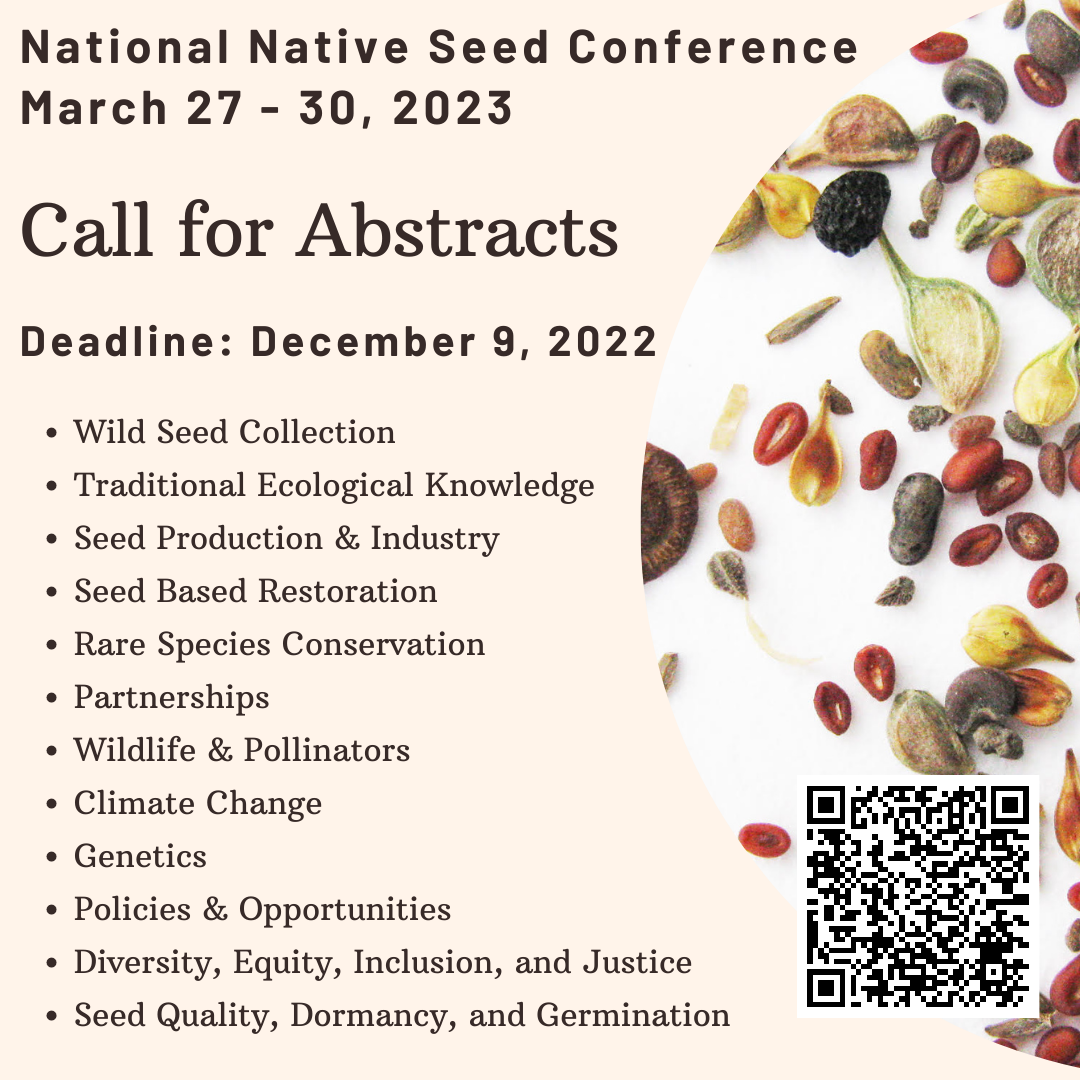
2023 National Native Seed Conference
March 27-30, 2023
Washington D.C. Metro Area
The National Native Seed Conference invites you to submit an abstract for oral and poster presentations for the 2023 conference. The NNSC is dedicated to the science, practice, and policy of producing and effectively using native seed. The conference supports the America the Beautiful Executive Order, National Seed Strategy for Rehabilitation and Restoration, and the U.N. Decade on Ecosystem Restoration.
The theme for the conference is Cultivating the Restoration Supply Chain. Please keep in mind the theme and session topics when submitting an abstract as you will be required to select at least one relevant session for your presentation. Oral presentations are typically 20 minutes (including 5 minutes for questions). Posters will be presented at the poster session on Tuesday, March 28th, 2023.
|
|
Early Bird Registration will be open through Dec 1, 2022. |
|
We hope to see you in March! Questions?
or call 541-753-3099
|
|
Volunteer, Become an IAE Member!
|
|
Thank you to recent IAE Business Sponsors! If you'd like to show your business's support for our work, please get in touch:
|
|
IAE Board of Directors:
Ken Bierly, President; Brandy Humphreys, Vice President; Cary Stephens, Secretary; Jack Halsey, Treasurer; Jason Bradford, Anne Bradley, Shinji Kawai, Judy Li, John Savage, Carol Savonen, Sunia Yang
|
|
|
|
|
|
|