|
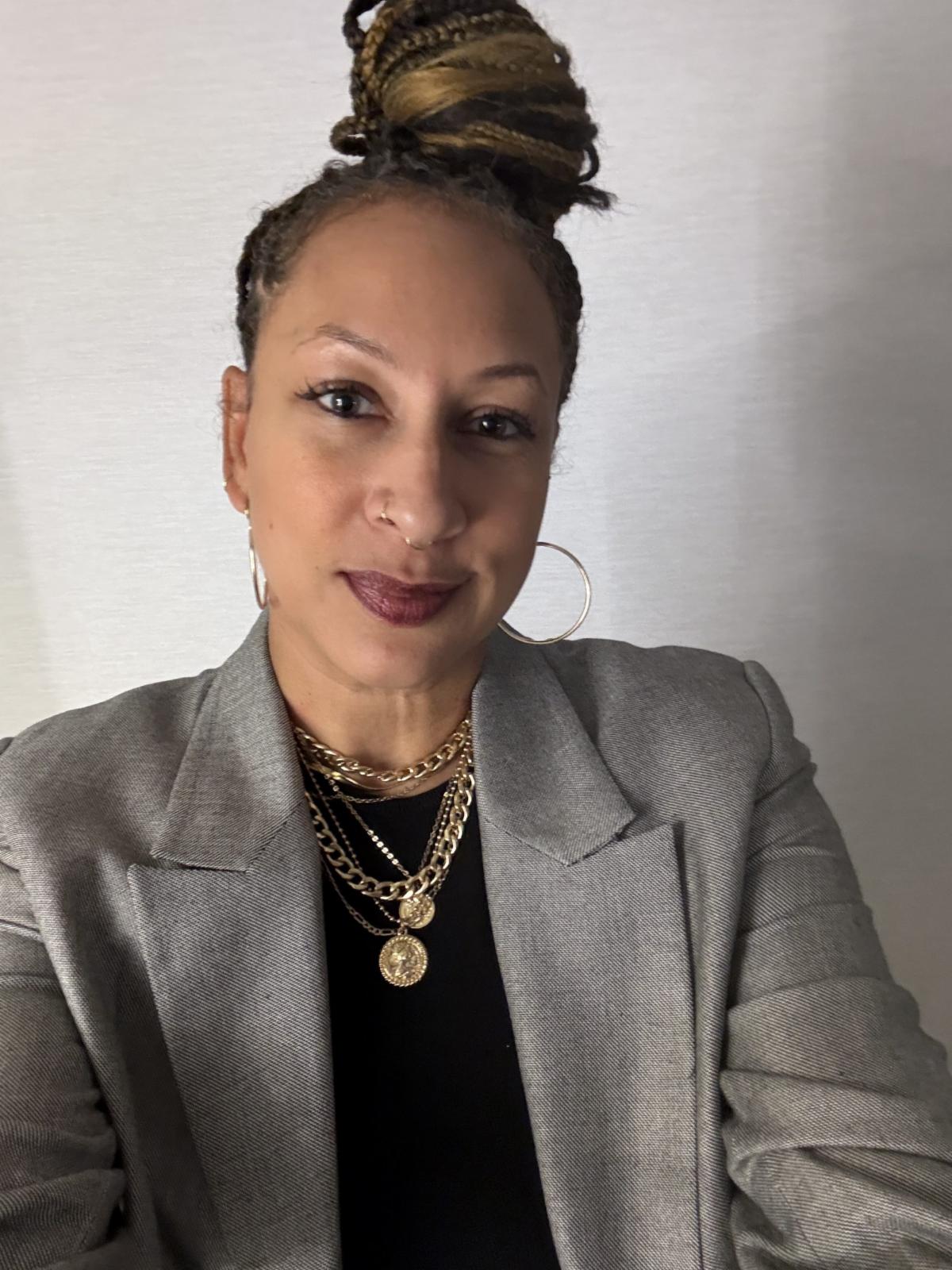
Pixley said that the app was inspired in part by the need for more accessible safety resources for freelance and independent journalists, though it is designed for all reporters working in challenging reporting environments.
The idea emerged from a gap she witnessed throughout more than two decades in journalism. “I had never really had anyone speak to me about my safety until 2020,” Pixley said, recalling an assignment for The Wall Street Journal documenting protests.
“That was the first time that any news organization I’d worked for had said, ‘We want to train you on safety practices.’”
That experience led her to question the inconsistent application of safety preparation across the media industry, especially for freelancers, independent journalists and students, who often lack the institutional support systems provided by larger news organizations.
While these journalists do not necessarily lack access to safety information, relevant information can be difficult to find quickly when it is needed the most, she said.
“There is so much information and so many resources available, but it’s all spread out,” she said. “The average journalist doesn’t have time to go through hundreds of reports and guides.”
The app is designed to address this challenge by organizing safety resources into an accessible, mobile-first experience, allowing journalists to quickly find information related to civil unrest, environmental disasters, psychological first aid and other reporting risks.
Centralizing journalism tools is another purpose behind the app. Pixley said journalists currently use a variety of tools for different purposes, such as relying on Signal for encrypted messaging, cloud-based platforms for file sharing and other services to communicate or track locations. The new app is intended to combine many of those functions.
“I wanted there to be a singular app where you can have end-to-end encrypted messaging, where you can speak to your colleagues, you can speak to sources,” Pixley said.
Tools include end-to-end encrypted messaging, safety briefings, gear lists, psychological first aid resources and a dedicated space where journalists can exchange advice and recommendations.
Assignment planning and crisis alerts
Pixley believes quick access to safety tools is increasingly important as journalists face heightened risks while covering civil unrest, demonstrations and natural disasters.
“We’re seeing more environmental disasters and more situations that place journalists in challenging reporting environments,” she said. “Many journalists are still not adequately prepared for those risks.”
To address this need, journalists will be able to create assignments within the app, identify collaborators and share risk assessments before heading into the field.
For example, a team consisting of a visual journalist, a reporter and an editor could use the platform to coordinate communication and safety planning and allow team members to establish check-in procedures before an assignment begins.
The app also contains a crisis alert feature, intended to provide support when journalists encounter emergencies in the field. The alert, accessible by a simple button in the app, will send a journalist’s location and notify designated contacts that assistance may be needed, then continue to share updated location information while team members coordinate a response.
“If something goes wrong while we’re on the assignment, say I am photographing a police officer and I get detained, I can hold down my crisis alert button to notify them,” Pixley said.
Building safety through community
Beyond emergency response, the app aims to foster connections among journalists. Community forums available in the app will allow journalists to exchange practical advice, discuss equipment recommendations and share lessons learned from the field.
For Pixley, that collaborative element is as important as the platform’s technical features. At a time when attacks, harassment and public distrust continue to challenge journalists worldwide, Pixley hopes the platform will help journalists feel more prepared, connected and supported.
“A safer future for journalists looks like us collaborating and communicating effectively about what we need in reporting environments,” she said. “We have to find safety and security in the community.”
Designed by journalists
One distinguishing feature of the platform is that it has been designed by journalists who understand newsroom workflows and field reporting challenges.
The team behind the app includes lead developer Kat Arias Contreras, Bangladeshi journalist and product engineer Farhad Sikdar, and software developers and safety specialists with expertise in digital security, mental health, first aid and disaster reporting.
“The features were inspired by journalists’ needs, experiences and feedback, pulled from conversations and surveys and studies. It was also informed by my five years working as a safety trainer and security advisor for journalists and 20-plus years as a visual journalist,” Pixley said.
“Having people who have actually been journalists helps shape how the technology is designed,” she said. “We know what it’s like to be on deadline, in the field trying to communicate with editors and colleagues while managing risk.”
Call for beta testers
Pixley is currently seeking journalists to participate in user surveys and beta testing as development continues. Feedback from reporters, editors, freelancers and journalism students will help shape the platform before its public release.
Interested journalists can participate through the project’s user research survey and beta testing program.
|