The Northwestern Simulation Quarterly

"Transforming healthcare with simulation-based education, research, and innovation." 


FEATURED CONTENT


Advances in Polypectomy Training: A Northwestern Simulation Study Worth Noting


During Colon Cancer Awareness Month in March, Northwestern Simulation faculty published a major study led by Dr. Jeffrey Barsuk, Executive Medical Director at Northwestern Simulation, and Dr. Sri Komanduri, Associate Chief of the Division of Gastroenterology and Hepatology at Northwestern University. The work was part of an NIH-funded initiative focused on improving polypectomy skills among gastroenterologists.


Colonoscopy with polypectomy is central to colorectal cancer prevention, but a lack of standardized training has led to variable performance across practitioners. To address this gap, the team developed a simulation-based mastery learning curriculum using an ex-vivo simulator, requiring participants to meet a high performance standard before completing simulation training.


Nineteen practicing gastroenterologists were assessed on real patient polypectomy performance before and after completing the curriculum. Researchers reviewed polypectomy videos over a two-year period to evaluate skill changes in clinical practice.


Key findings:

--The percentage of physicians performing to the highest standard increased from 36.9% before training to 73.6% after training.

--Average checklist scores improved from 78.8% to 91.51%.

--Participants showed strong gains across key skill areas, including polyp evaluation and technical approach.


This study reinforces the value of ongoing procedural education and demonstrates how simulation-based mastery learning can translate into measurable real-world clinical improvement. As colorectal cancer awareness continues to grow, this work highlights a promising path to better physician performance and better patient outcomes.

NEWS ACROSS NORTHWESTERN SIMULATION

Innovations Lab


How AI Is Changing Surgical Training Through Objective Feedback


Innovation has always been a key driver of improvements in medical education. As healthcare continues to evolve and becomes more complex, traditional teaching methods alone are no longer sufficient to prepare learners for real-world clinical challenges. Additionally, faculty don't always have enough time to manage a busy clinical schedule and teach fellows, residents, and students.


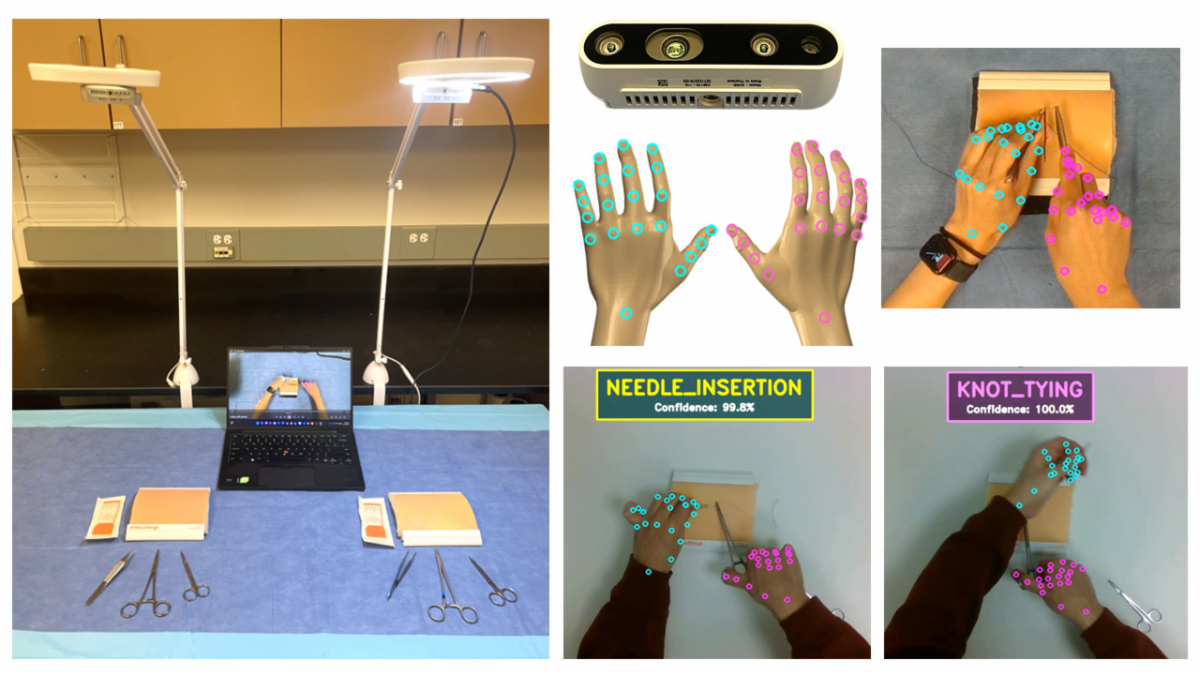
This is where the Innovations Lab at Northwestern Simulation can help. We connect clinical needs with engineering by working directly with healthcare professionals to create custom medical training devices for education and research. We are actively researching how artificial intelligence (AI) and computer vision can be used to train fellows, residents, and students without faculty supervision.


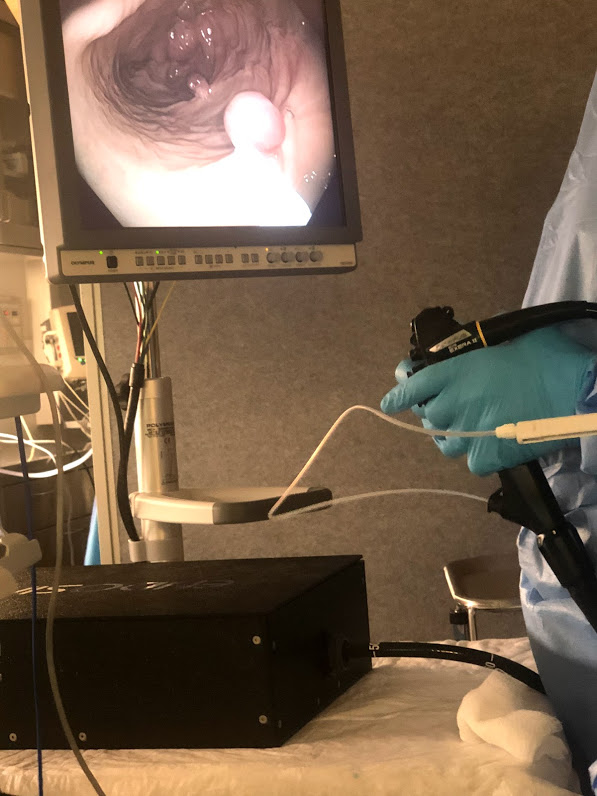
AI and computer vision are now increasingly integrated into simulation education. At Northwestern Simulation, we have been developing specific tools that use AI and computer vision to provide learners with feedback on skills such as suturing and endoscope handling.


These tools provide standardized feedback that does not vary as it does with human instructors. Trainees receive clear, data-driven insights into their performance—identifying unnecessary movements or inefficiencies and suggesting concrete improvements in precision and consistency. This immediate feedback, combined with high-fidelity physical models, helps fellows, residents, and students refine their skills more effectively.

simulation-healthcare-education-300x300.jpg

New Podcast


Simulation in Healthcare Education


Series 4, Chapter 7: AI-Driven Simulation with Dr. Jayfus Doswell

In this episode, Dr. Barsuk interviews Dr. Jayfus Doswell, who holds a PhD in Information Technology focused on artificial intelligence to improve human learning and performance. He began his career as the youngest senior software engineer at Lockheed Martin, and later founded and became president and CEO of Juxtopia, a biomedical company that has received several government grants to develop educational hardware and software using AI to improve medical training. Drs. Barsuk and Doswell discuss how AI and virtual simulation can be used for training and assessment.

Inpatient Simulation


Exciting Upgrades in Inpatient Simulation


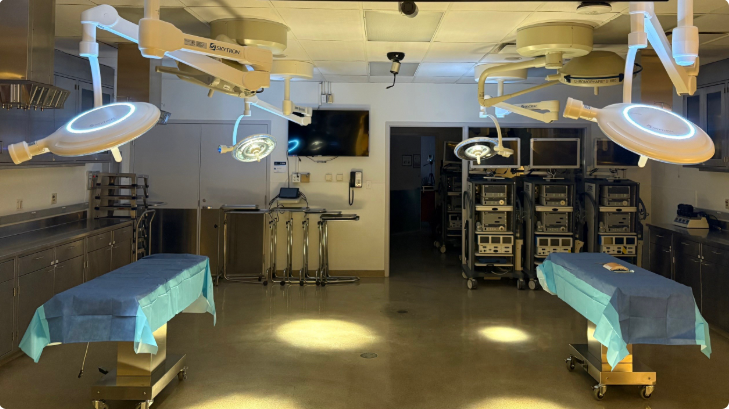
We are excited to share several major upgrades to our Inpatient Simulation spaces on both the north and south sides of the lab.


On the north, or surgical side, we have fully installed four new operating room lights, replacing fixtures that were over 20 years old. These new lights greatly enhance visibility and update the space to modern OR standards. 

Outpatient Simulation


How To Cast and Train Standardized Patients for OSCEs


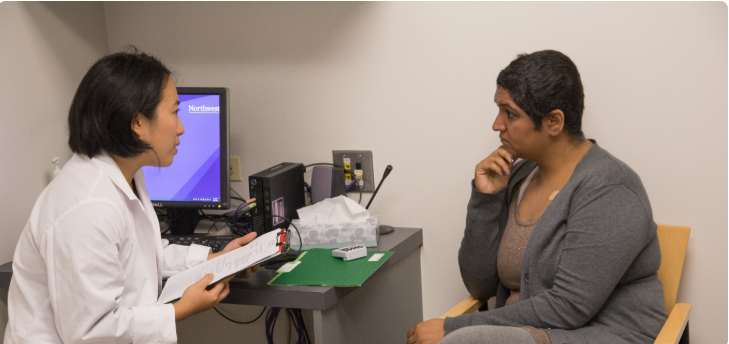
Behind every high-stakes clinical exam is a carefully rehearsed performance. Here is how Outpatient Simulation does it. What looks easy requires hours of preparation and training.


At Northwestern University Feinberg School of Medicine, home to the largest standardized patient (SP) program in the nation, casting and training SPs for Objective Structured Clinical Exams (OSCEs) is a disciplined, multi-stage process that blends theatrical rigor with clinical precision. 

Partnerships & Business Development


Building Our Brand


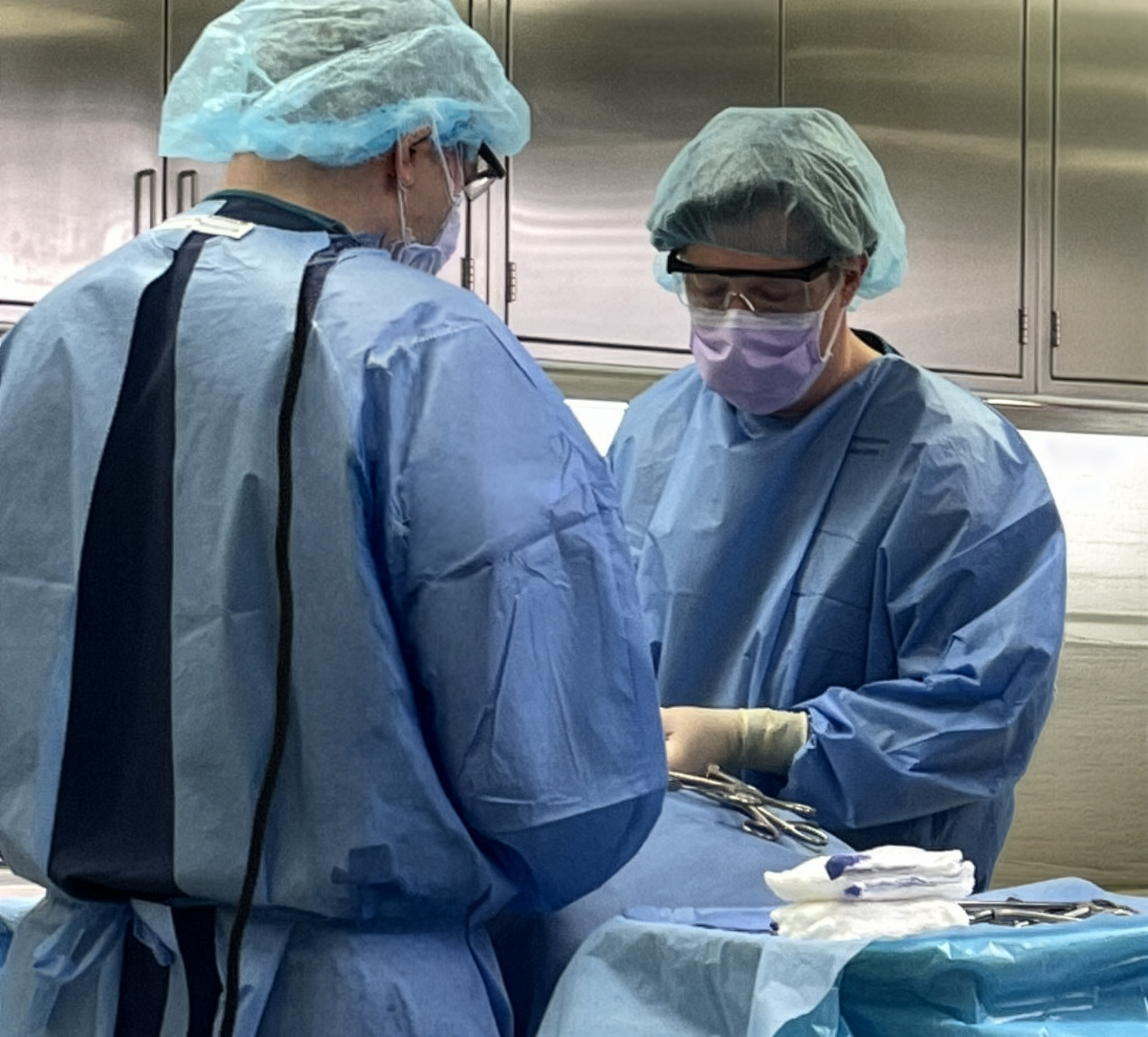
During early 2026, Northwestern Simulation's surgical lab continued to serve as a hub for innovation, collaboration, and hands-on development in the medical device and healthcare community. We were pleased to host several leading medical technology companies as they advanced research and development in our facilities.

McGaw Funding for GME Curricula


McGaw Simulation Funding: FY27 Application Cycle Update


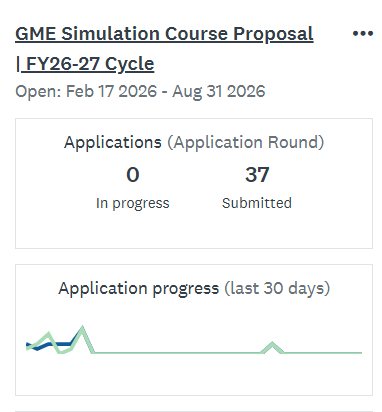
The application portal for the McGaw Course Proposal (MCP) funding officially closed on April 7, 2026. This competitive internal grant-making process is a key part of Graduate Medical Education at Northwestern Simulation, providing annual funding to support resident and fellow training.


Applications are assessed by a panel of simulation experts using the NIH grant-scoring rubric. This year also introduced a Short Renewal Form for established curricula—over two years old with no changes to scope or budget—reducing administrative burden while rewarding consistent, high-quality programs.


Faculty Scoring — Now Underway

  • Reviewers are assessing submissions and assigning priority ratings using 
    the NIH grant-scoring rubric.

Funding Decisions — Late June 2026

  • Applicants will receive official notification of final funding decision.

FY27 Scheduling — By August 15, 2026

  • Once notifications are sent, all FY27 events must be scheduled ahead of the September 1 fiscal year start.


For questions about the status of a submission or future curriculum design help, please email simed@northwestern.edu.

Education & Training


Mastery Learning Course: Setting the Standard for Simulation-Based Curricula


We just completed another session of Designing and Implementing Simulation-based Mastery Learning Curricula this March.


So, what is Mastery Learning? It flips the traditional model of competency-based education. In a traditional setting, everyone spends the same amount of time in training, yet they often leave with different skill levels. In mastery learning, we fix the outcome instead—expecting excellence from every learner in areas like resuscitation, communication, and procedural skills.

Led by Northwestern experts, the course focuses on practical frameworks for educators and program developers. Past participants have called the experience "thorough and engaging," noting that it "provides the actual tools needed to transform training programs."


If you are ready to move toward excellence in your curriculum, join us for our next session in Chicago, September 24-26, 2026.


THE TEAM AT WORK


Faculty Spotlight: Leadership in the Field

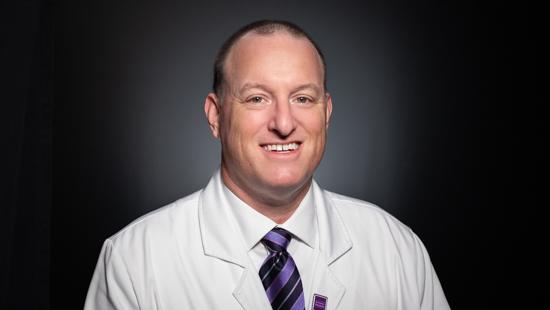
Eric Hungness, Director of Surgical Simulation


Dr. Hungness was interviewed by ABC7 Chicago about his work in bariatric surgery, discussing how surgical intervention helped a patient overcome life-threatening health conditions to start a new chapter of wellness.

Dr. Jeffrey Barsuk, Executive Medical Director


In an inspiring collaboration, Dr. Jeffrey Barsuk, Executive Medical Director of Northwestern Simulation, and Dr. Eric Hungness, Director of Surgical Simulation at Northwestern Simulation, recently traveled to Recife, Brazil.


Dr. Jafar Arash Mehr, Director, Innovations Lab


Dr. Mehr presented his work on markerless AI-driven assessment at the American College of Surgeons' Simulation Summit in Chicago. His paper on AI-driven 3D movement analysis for objective assessment of surgical expertise was accepted by the Journal of Surgical Education.

That's a wrap on Q2! We're back to work. We'll see you again in Q3!


Northwestern Simulation

240 E. Huron St.

Chicago, IL 60611

simed@northwestern.edu


Facebook  Instagram  LinkedIn  X