|
Since my last enews the campaign season concluded and my staff and I wrapped up work on a bundle of bills. In November I was re-elected to serve another term, honoring me as the senior Democrat in the House and Senator Floyd Prozanski's years of service makes him the senior Senator. This enews will include notes about the work I'll be doing in the next session and selections from lots of local meetings and site visits.
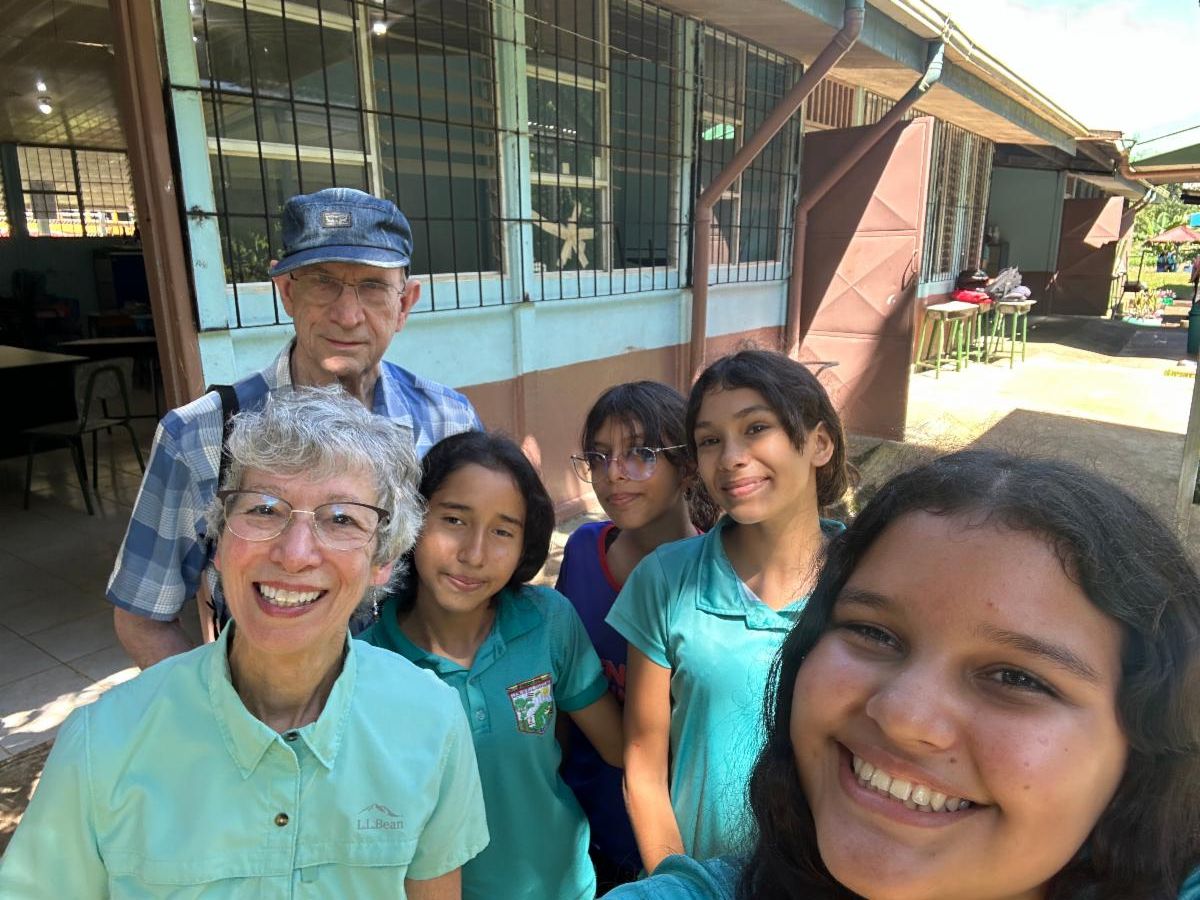
My husband and I traveled in Costa Rica for a couple of weeks, spending several days in rain forest and several at about 7,200' elevation to experience the cloud forest. We visited with students at a small rural high school and made tortillas with a women’s co-op preparing lunch for us. We enjoyed visits at three very small farms which help sustain their organic, hands-on, family-owned growing and processing by hosting visitors for tours or meals. At a spice plantation using biodynamic farming techniques we saw vanilla bean vines, ginger, cardamom, pepper, turmeric, and cinnamon trees. We saw crocodiles, sloths, iguanas, green basilisk, and howler monkeys (voice can carry 3 miles!). On a rain forest night walk, we saw vine snakes, a poison dart frog and a giant praying mantis. And birds! Nearly 90 types, including quetzal, purple throated mountain gem hummingbird, black necked stilt, great kiskadee, roseate spoonbill, northern jacana, anhinga, great currassow, and slaty flowerpiercer.
I'll send a short enews update in January. The 83rd Legislative Assembly will convene on Monday, January 13 and Olivia, Spencer, and I will welcome three new interns to help during the legislative session.
| |
If you missed my latest e-news, here's the link to Fall 2024. | |
Legislative work at the Capitol this Fall | |
|
Economic and Revenue Forecast
The most recent quarterly Economic and Revenue forecast, in November, was noteworthy. Most news stories and legislative interest focuses on the short term: whether revenue is up or down compared to the previous forecast, and how much will be available for Oregon's budget. From my point of view, the more interesting points are in the economic forecast. A couple of the main takeaways from November's report are these:
First, Oregon's new chief economist, Carl Riccadonna, explained a significant methodological change in the forecast that will make it more accurate. The kicker law sets up an almost impossible challenge, predicting more than two years in advance what Oregon's economy and revenue will be even though events completely outside of the state's influence could make a major impact on revenue, such as federal tax law that changes taxpayer decisions, global and national events such as pandemics, trade wars, military conflicts, and natural disasters. Since "the kicker" refund to taxpayers comes into play when the forecast is more than 2% under the actual, the likelihood or size of a possible kicker may be affected.
Second, the economists predicted a "soft landing" for inflation reduction, described manufacturing sector stagnation, noted national housing affordability which is the worst it's been since the 1980's, and pointed out that even through feds are cutting the base interest rate, mortgage rates are increasing, continuing to affect housing starts.
Here's the link to the Executive Summary from the Office of Economic Analysis.
| |
|
Legislative Days: committee meetings
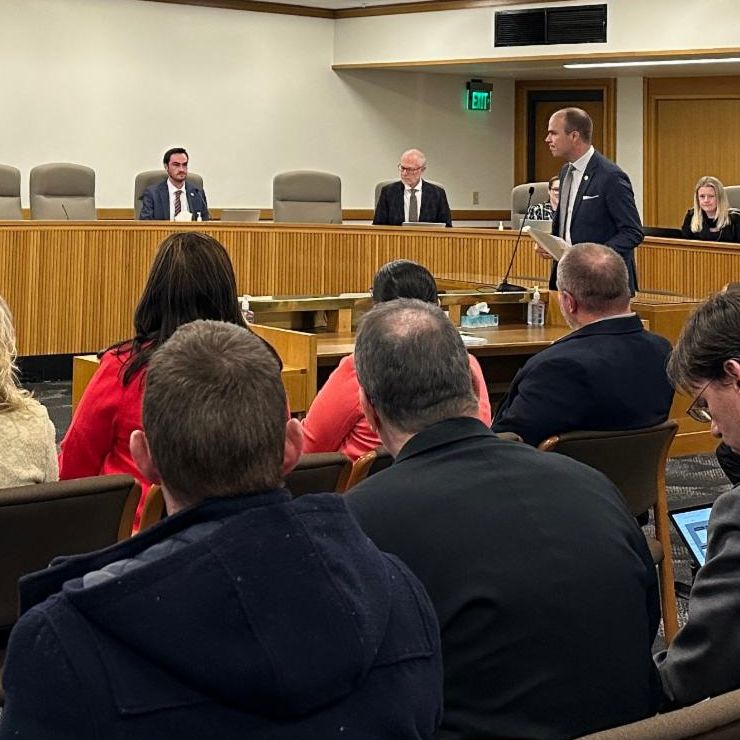
The legislature was back in the Capitol for committee meetings in December. The building renovation is still not finished, with major sections still closed off (the House and Senate chambers, the rotunda, all of the basement, and more). Nevertheless, the building was bustling with advocates, interest groups, lobbyists, and agency staff. My office and I were swamped with visitors and juggling meetings while finalizing our bill drafts and collecting signatures for bill sponsorships. I chaired meetings for my interim committees House Revenue and Joint IT, and Joint Transportation met to hear reports on bridge maintenance, wildlife crossing corridors, and more.
| | |
|
Special procedures for the
special session | |
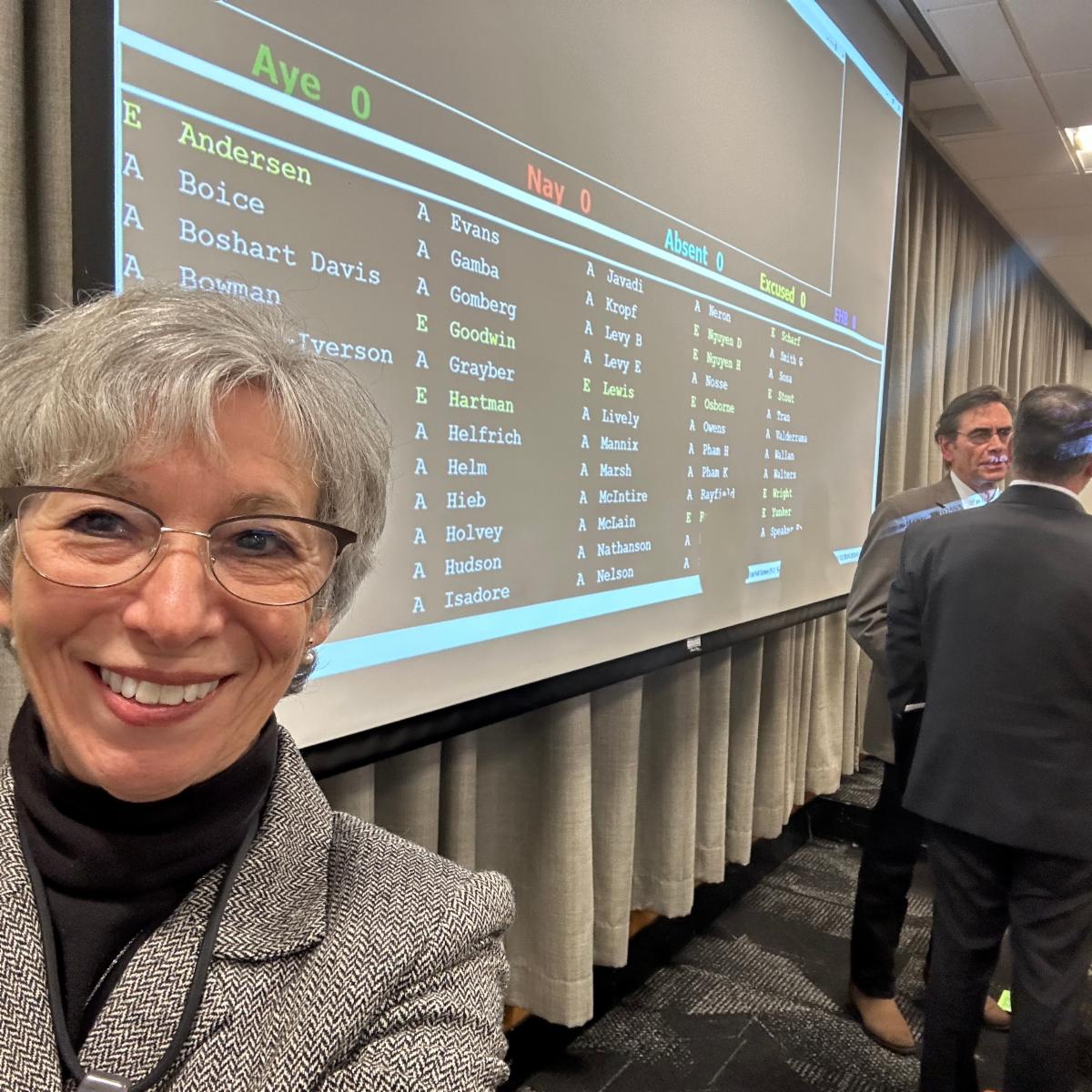
Members gather for speaking and voting in Hearing Room F | |
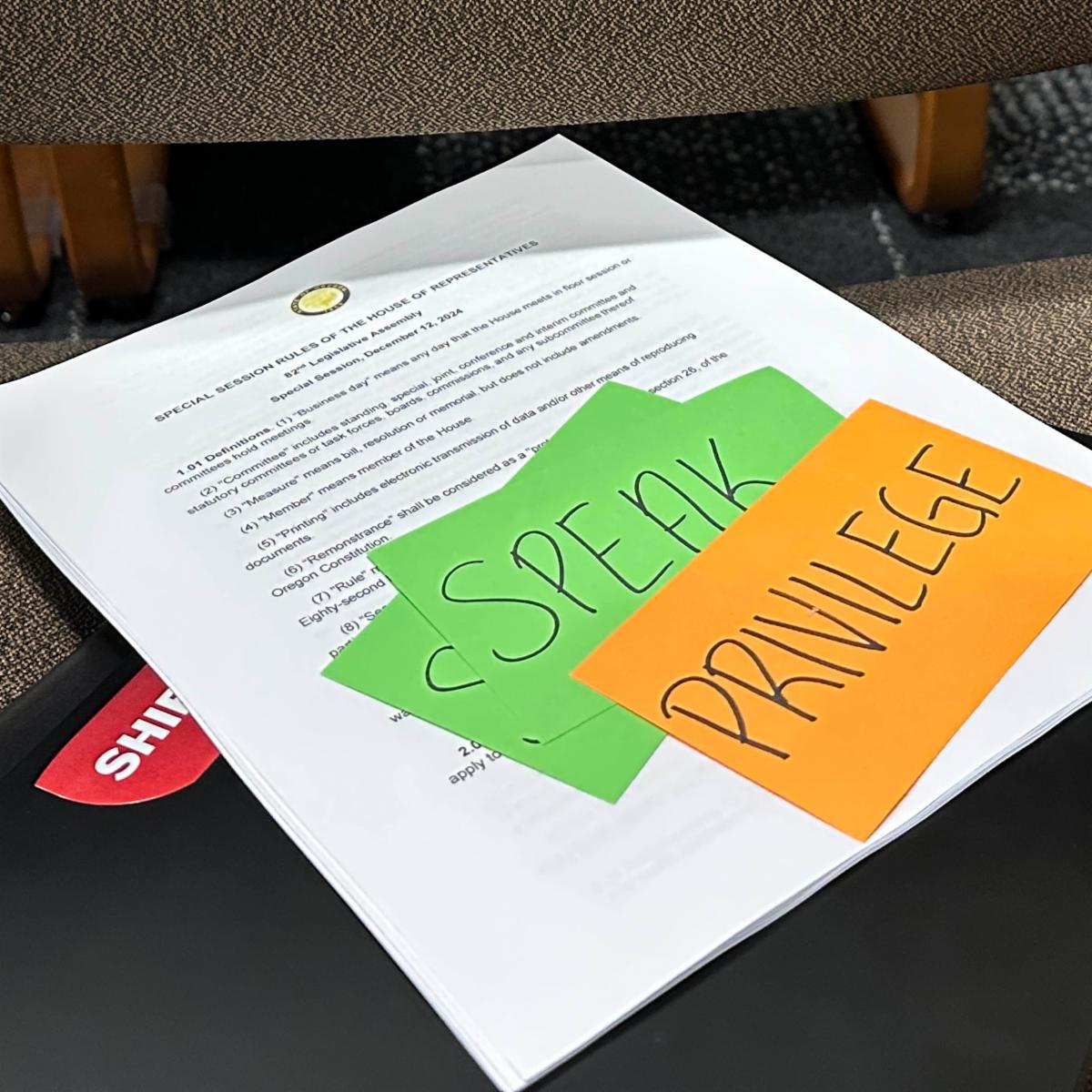
Governor Kotek called for a special session of the legislature to authorize funding for costs related to the 2024 wildfire season. The session was scheduled to meet on December 12 when legislators would already be in the Capitol for Legislative Days. But this was a session like no others, since neither the House nor Senate chamber was available for convening. The House and Senate convened in separate committee hearing rooms, with temporary procedures for requesting to speak and vote and ad-hoc voting board display, and live broadcast for public to watch on large screens in other hearing rooms. We voted with bipartisan support to appropriate $191.5 million to the Oregon Department of Forestry and $26.6 million for the State Fire Marshal, allowing the agencies to pay the wide range of contractors who provided firefighting and related support services. The 2024 wildfire season ended up costing more than double the previous most expensive fire season, which was in 2020. | |
|
Filing bills for the 2025 session
Members can request drafting of bills in the fall. Members who will serve in the session can “pre-session” file their bill drafts so that they will be introduced on the first day of the session and assigned to a committee. This gives the chief sponsor and the bill an advantage over bills that are written and filed after the session begins, allowing the chief sponsor to advocate with committee chairs to schedule the bill for a public hearing. The Chief Clerk reported processing 1,218 bills for the House so far, compared to 1,043 in 2023, 949 in 2021, and 718 in 2019.
By the December 13 deadline, my office filed 20 bills, with about half aiming to improve access to health care, prescription drugs, and behavioral and mental health services. I spent the Fall reaching out to fellow legislators about my proposals and securing co-sponsorships.
My bills. Here's a preview of some of the bills showing the variety of topics:
- Tackle corporate practice of medicine and the "noncompete clauses" that prevented doctors who left Oregon Medical Group (OMG) from seeing patients at other practices in the local area.
- Ensure a public health official be on the governing board of the regional coordinated care organizations (CCOs) that manage budgets and health care for the 33% of Oregon adults and children insured through the Oregon Health Plan.
- Add flexibility to rules prescribing fixed student:teacher in nurse training to help get more nurses into the pipeline to take care of patients in Oregon.
- Protect pharmacies from Pharmacy Benefit Manager (PBM) business practices even when contracting through third-party pharmacy service organizations and bring light to problems with mail order prescriptions.
- Help human service providers such as counselors and therapists get to work more quickly so they can start seeing clients who are seeking help (I worked most closely with Relief Nursery, Looking Glass, Pearl Buck, Options Counseling and Oregon Community Programs on this one)
- Streamline background checks.
- Push for a coordinated approach to improving passenger rail in the Cascadia corridor, Eugene to Vancouver, B.C.
- Define urgent care so people know what services will be available.
- Maintain or increase access to low-income and affordable housing; I worked with East Blair Housing Co-op in Eugene, Dev NW and Network for Affordable Housing.
- Reduce testing in K-12 classrooms that doesn't help improve student success.
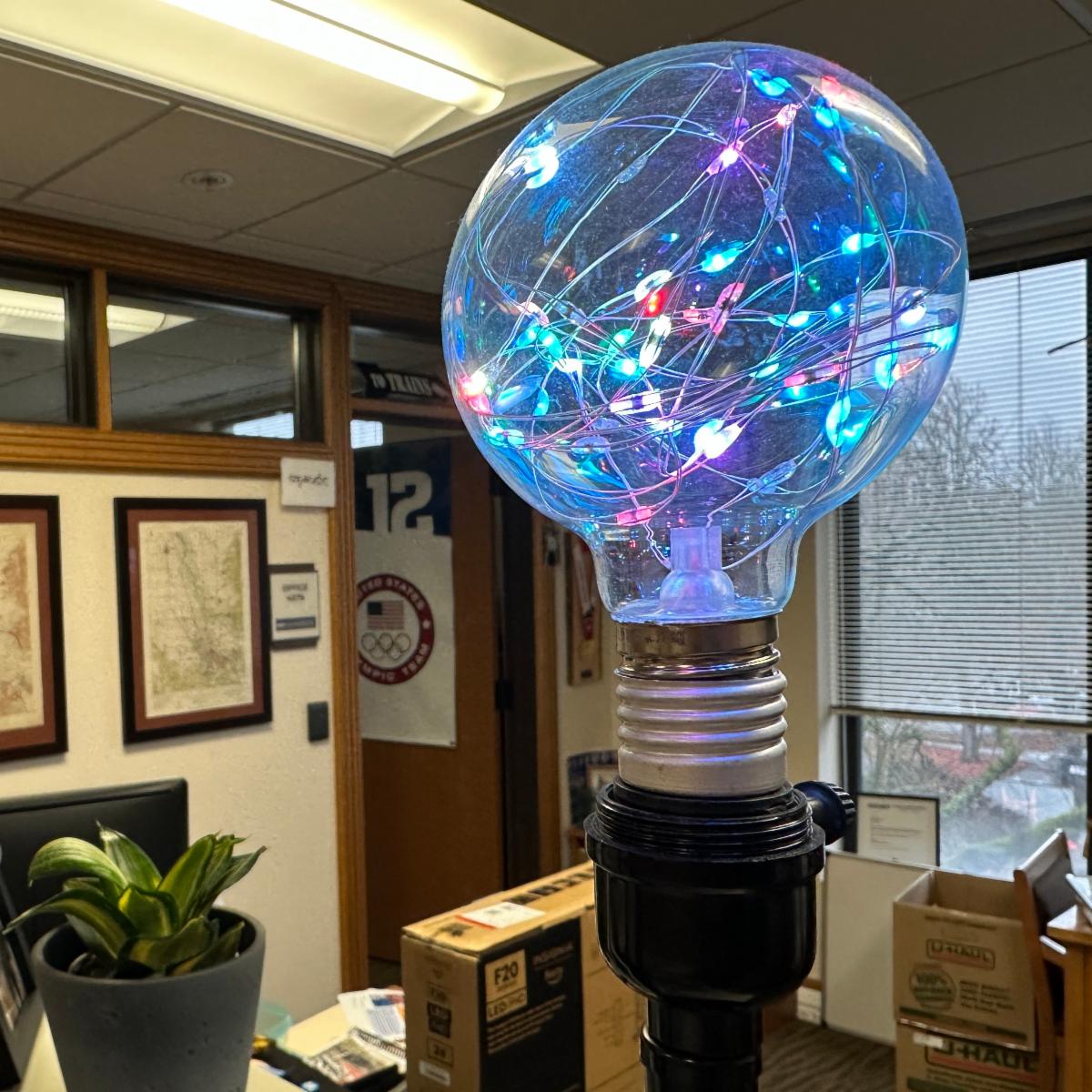
(photo: the light bulb we turn on for special occasions in my office at end of hall. We filed our bills!)
| |
The next legislative session: Jan.-June 2025 | |
This will be the fourth year of major disruption at the Capitol. See my February enews for some photos and description of the seismic work and renovation. We should be able to conduct business in the House and Senate Chambers, but areas to sit, work, or get a refreshment are very limited, and the entire 1938 building (the old center) including the rotunda is still off limits. Hallways and offices in the House wing will sometimes be crowded and noisy. | |
Committees: where the action starts
Speaker of the House Julie Fahey announced House committees and committee assignments last week. House Committees will be: Agriculture, Land Use, Natural Resources, and Water; Behavioral Health and Health Care; Climate, Energy, and Environment; Commerce and Consumer Protection; Early Childhood and Human Services; Economic Development, Small Business, and Trade; Education; Emergency Management, General Government, and Veterans; Higher Education and Workforce Development; Housing and Homelessness; Judiciary; Labor and Workplace Standards; Revenue; Rules.
My committee assignments are largely the same as in the previous session. I'll have a gavel (chair, or co-chair a joint House-Senate committee) for House Revenue and Joint Information Management and Technology and serve on Joint Transportation and Joint Ways and Means-Capital Construction (project funding, not capitol with an "o".)
| |
What's on the agenda?
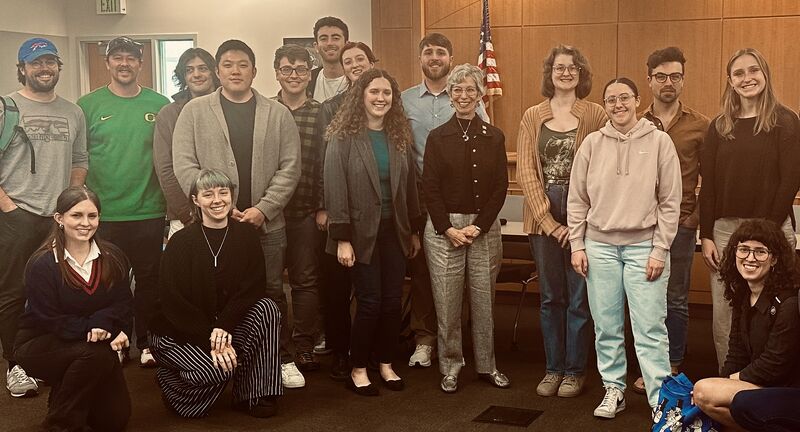
More than a dozen House committees will hold hearings on hundreds of different topics. When I spoke to a group of UO Law students last fall, here's what I said I would expect:
Several very big, important, persistent problems will be the subject of continued efforts, including housing and homelessness, mental and behavioral health, and health care. A change of federal administration means we may be looking to shore up Oregon’s values, from women’s health and reproductive rights to voting methods and ease of access to voting. Since Oregon tax law is tied to federal tax law we'll watch for federal actions that may send more dollars to the wealthiest people or largest corporations and automatically reduce taxes in Oregon as well. Tariffs and trade policy and reductions to IRS staffing could also impact Oregon's economy.
Developing a transportation package will be a huge effort. See my July and September enews describing the challenge and work so far to maintain our state and local transportation systems. We need to improve roads and bridges, buses and bike paths, and stabilize the way we fund and maintain them. (recap: Oregon was the first state in the country to pass a gas tax, way back in 1919 – for many decades, it worked well as a tool to fund the maintenance and operation of our transportation system. But in recent years, vehicles have become more fuel-efficient and electric vehicles are an increasing share of the automobiles on the road. Those developments are great news, but present a challenge for a transportation system that relies heavily on fuel taxes to fund the basics--especially as the costs to maintain our roads and bridges have increased.)
| |
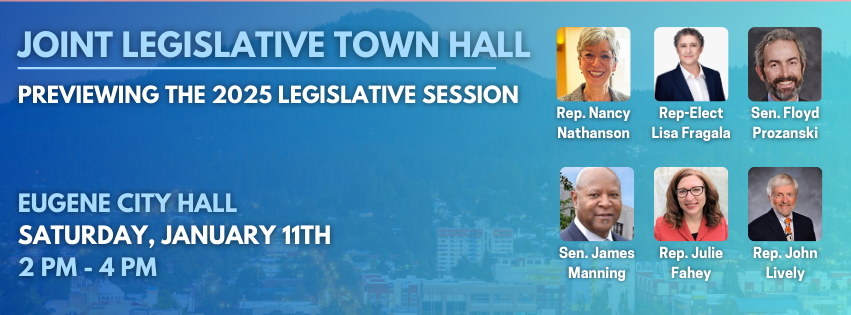
Town Hall meeting Saturday, Jan. 11, 2-4 PM
Join us for a preview of the upcoming session, discuss local and state issues,
and answer your questions.
Here's a link to submit a question
| | |
Around Eugene-Springfield | |
|
Innovation in urgent and same-day health care in Eugene
In my July newsletter I discussed successful efforts to support innovative approaches to deliver health care. We pitched the ideas in February and the legislature passed HB 4136 in March. Since then, progress has been at something like lightning speed for government. Lane County designed a fair, open process, wrote the RFP, received proposals, and selected programs for funding by end of June. The program sponsors went to work immediately.
Now, just a few months later, the shape of health care in our area is already changing; the health care Innovation Fund programs are already at work! A November town hall meeting provided an opportunity for the five programs to showcase their efforts to improve access to same-day healthcare, decrease overall system costs, and reduce pressure on ambulances and hospital emergency rooms.
- Eugene Springfield Fire: alternative medical response
- PeaceHealth: alternative response unit
- White Bird Clinic: receive patients from mobile crisis intervention teams
- BestMed: urgent care clinic expanded hours and staffing
- Cascade Medical: expanded telemedicine
Hear them talk about their programs in this recording of the town hall meeting.
| |
|
Fine-tuning Measure 110: Deflection
Deflection is a strategy for moving people out of the criminal justice system into treatment and supervision. In a recent meeting, Parole and Probation officers were eager to share experiences helping people overcome personal challenges and make permanent, positive change for themselves and their families. These are all good news stories that involve personal courage and a lot of grit to overcome personal problems with substance abuse or mental health. Opioid addiction treatment is available as an alternative to incarceration. Willamette Family talked about their medical detox and sobering services and interventions.
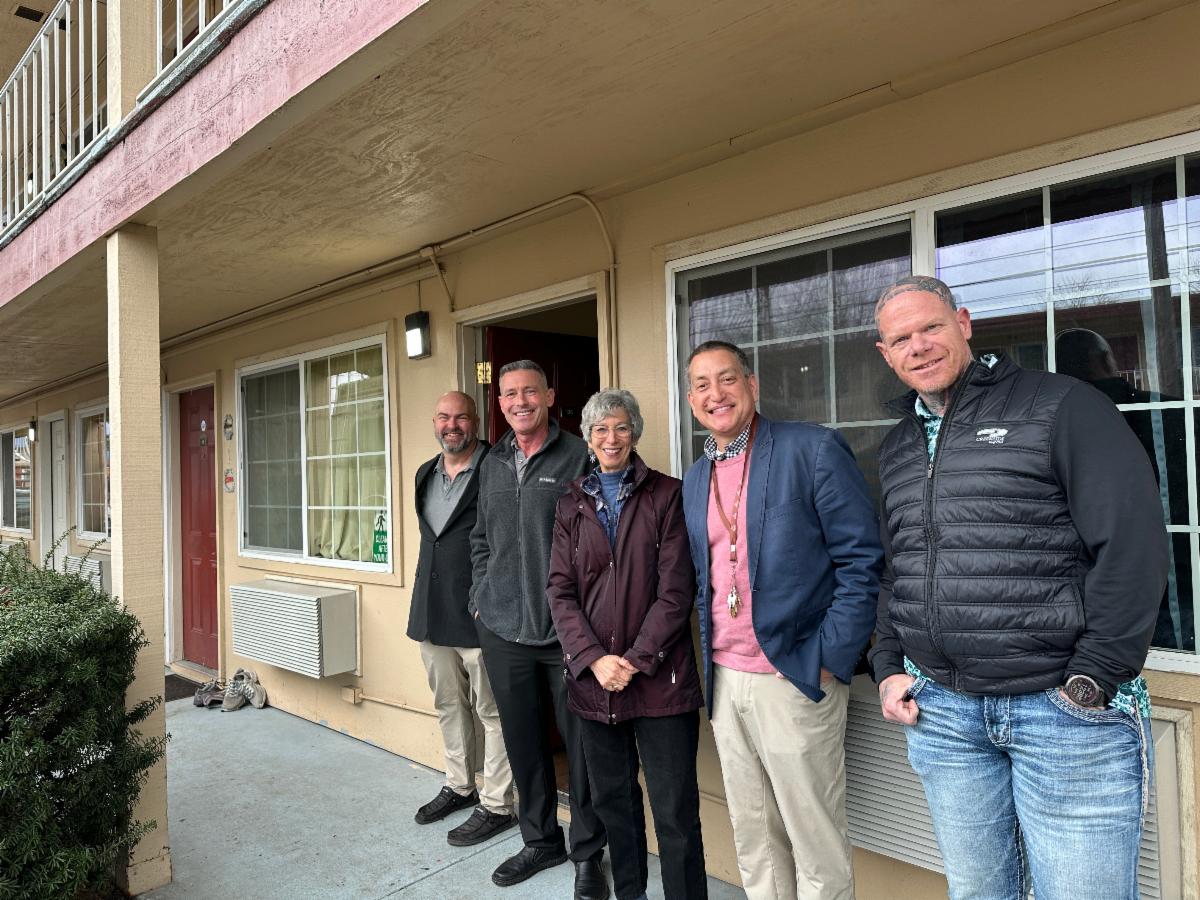
Temporary safe harbor: I visited a Reveille Foundation program that spends a few hours or days to connect people with the right services. Navigators help with evaluation, peer supports, mental health treatment, housing wait lists, etc. from whatever organizations or agencies are best for that person. We also saw a former downtown motel renovated by Reveille House for short-term housing while people connect with services and get back on their feet to transition to permanent housing.
| |
|
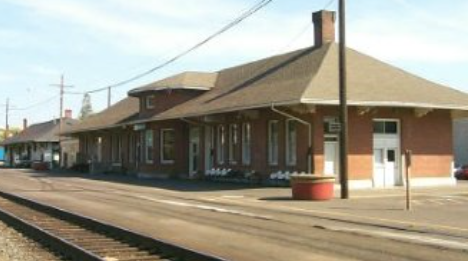
Improving train service in and out of Eugene? In a letter this Fall, I urged ODOT to pursue federal grant funding for the "Eugene layover facility" at Eugene Depot. The project would include a new stub-end track where Amtrak Cascades trains can layover overnight, improving on-time performance by eliminating the need for Amtrak to use lengthy "deadhead" maneuvers from the Eugene Station to the Union Pacific Eugene Yard, 1.7 miles from the station. The project would also provide access to electric power to eliminate unnecessary idling of diesel engines and improve air quality. The Federal Rail Administration could make decisions on grants by April 2025. This is an example, however, of one of many specific programs that might be affected by the change in federal administration.
| |
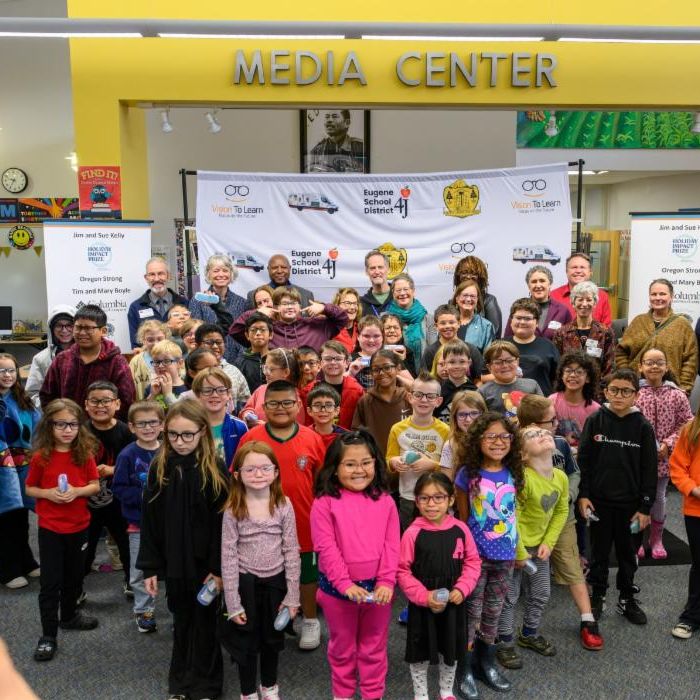
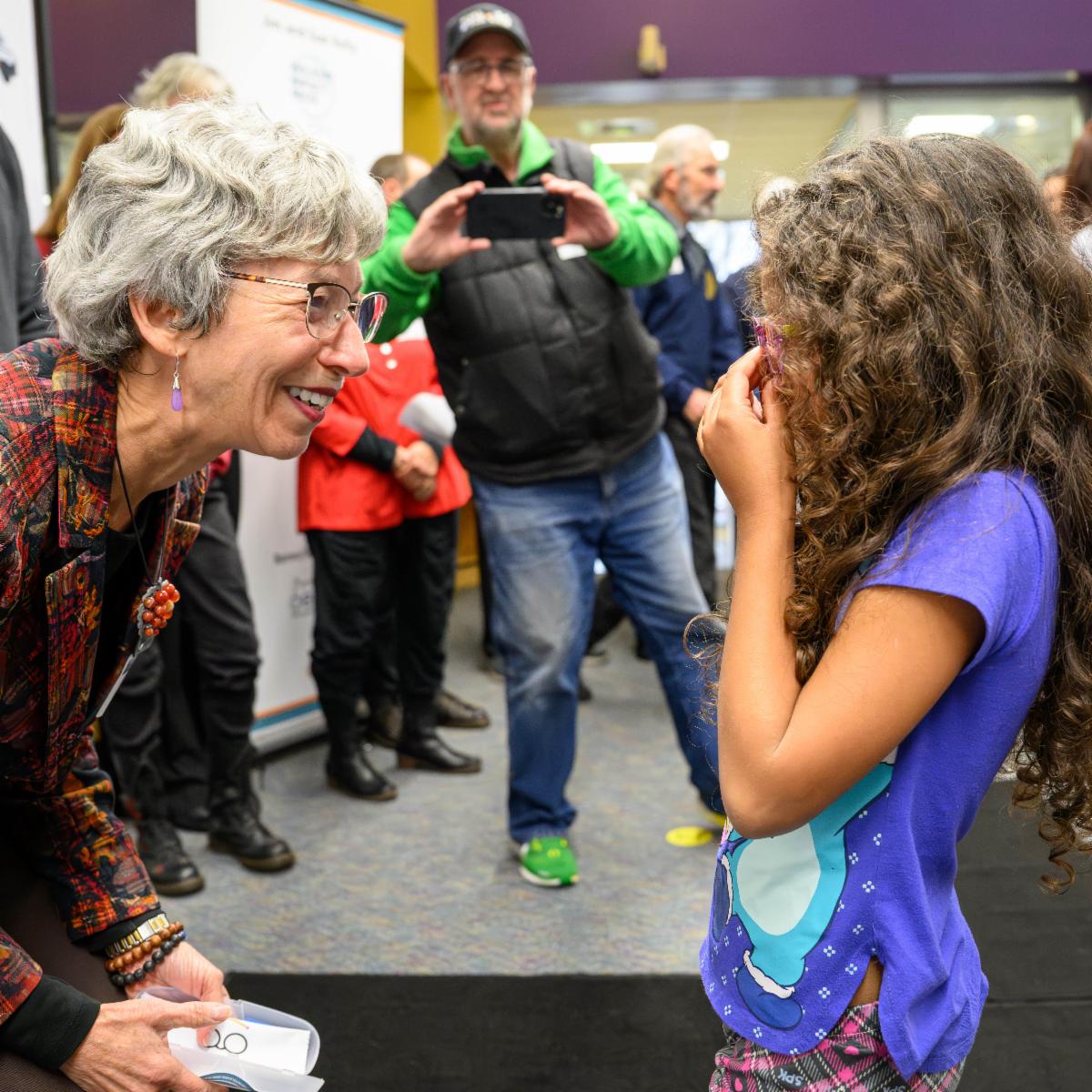
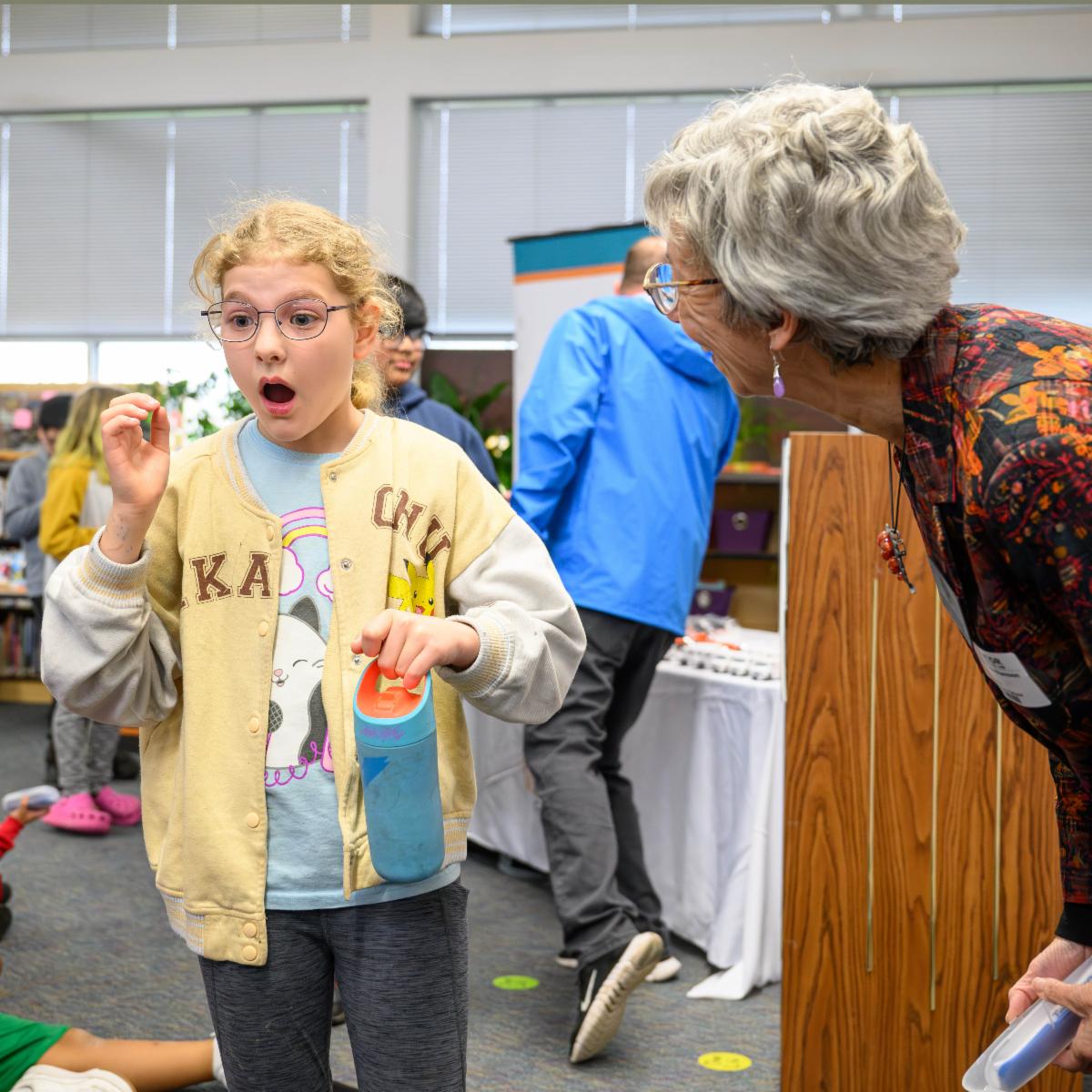
Vision to Learn:
Glasses for Kids! | |
Chavez Elementary School students got eye exams and new glasses if needed at no cost. | |
Vision to Learn also collaborates with Oregon Lions Sight and Hearing Foundation. | |
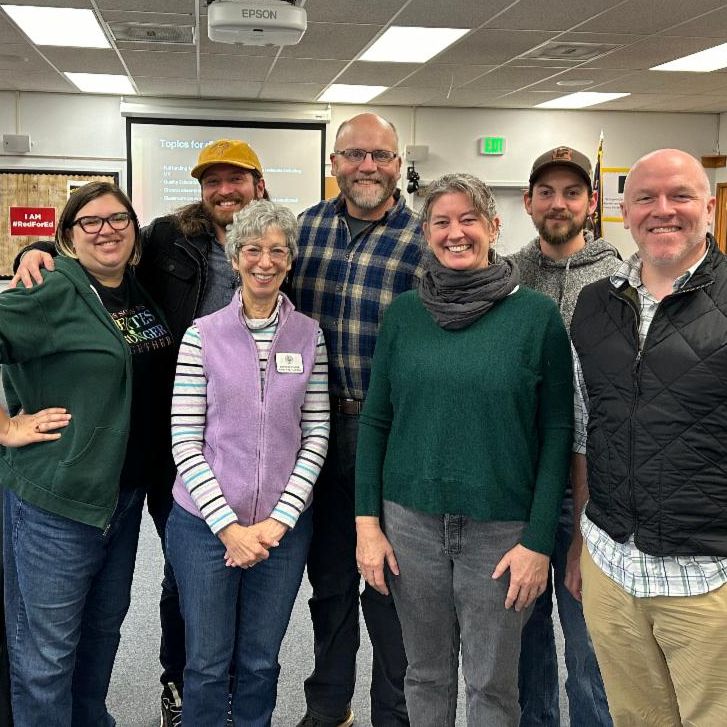
Saturday breakfast with 4J, Springfield, and Bethel educators | |
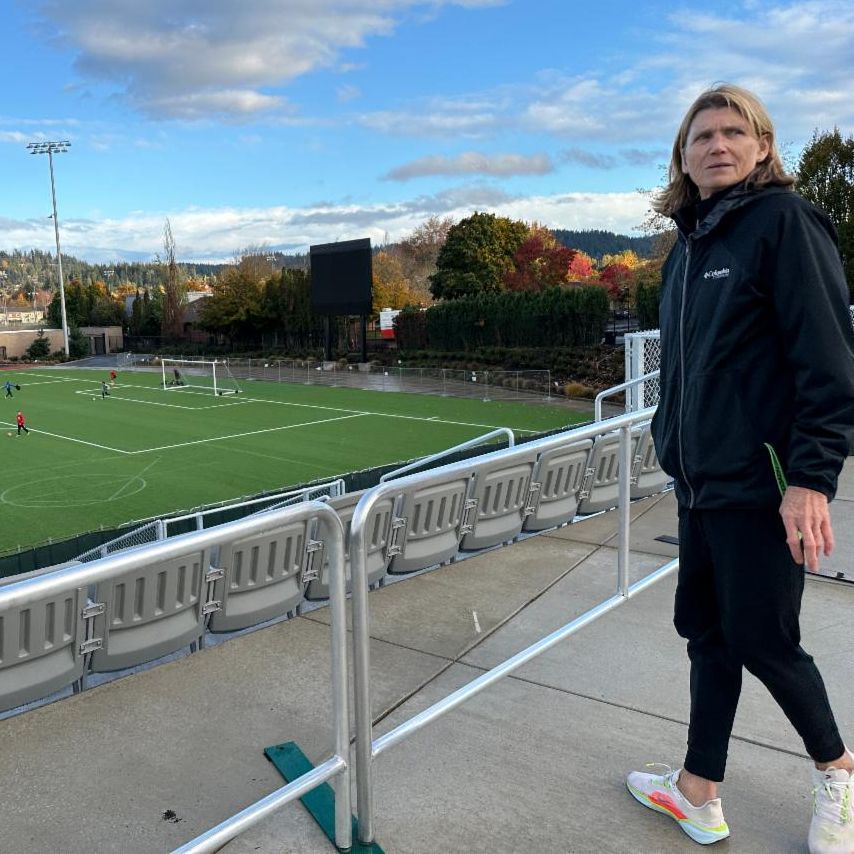
Bev Smith leading a preview of the new stadium and concourse at Civic Park. The FIFA-regulation field is synthetic turf. | |
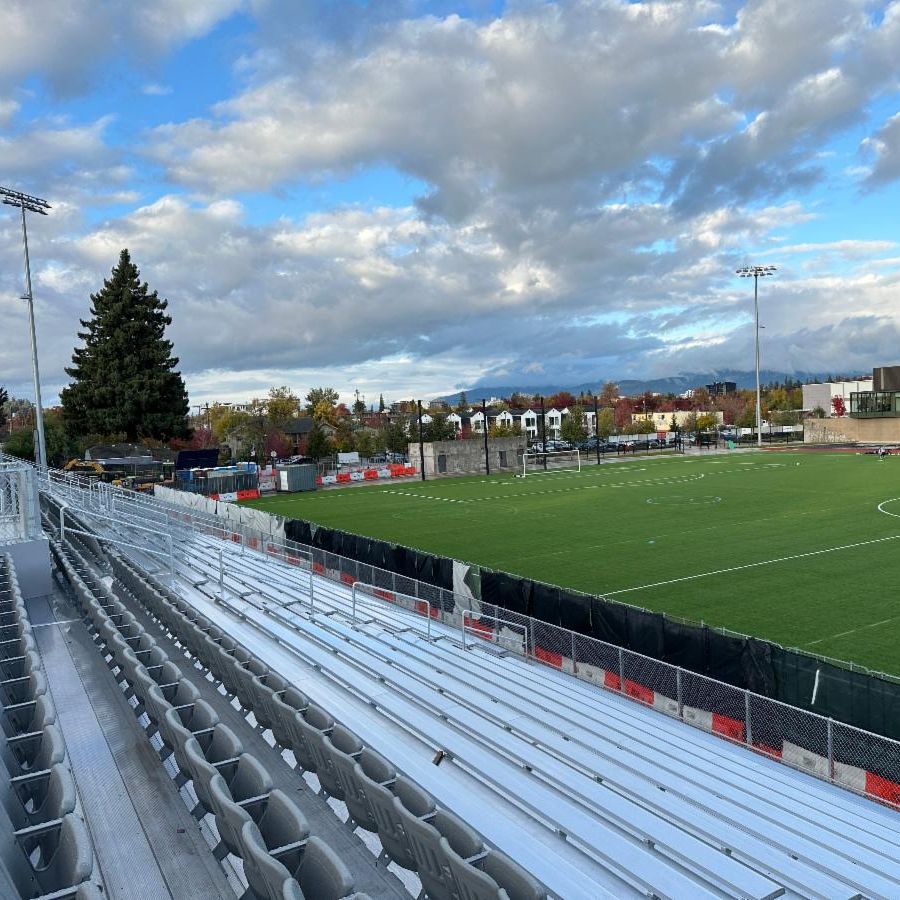
The 2,500 seat grandstand for soccer, football, kickball, ultimate Frisbee, lacrosse, rugby, and community events. | |
A terrific conversation with second year law students in UO's Public Law & Policy Program. They asked very good questions, showing insight and keeping me on my toes! | |  |
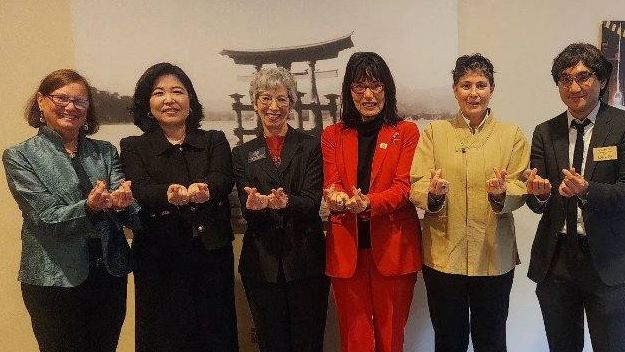
Korean Consul General Seo Eunji visiting UO students and Jordan Schnitzer Museum of Art, with Mayor Lucy Vinis and Korean Oregon Honorary Consul in Eugene Susan Cox. | |
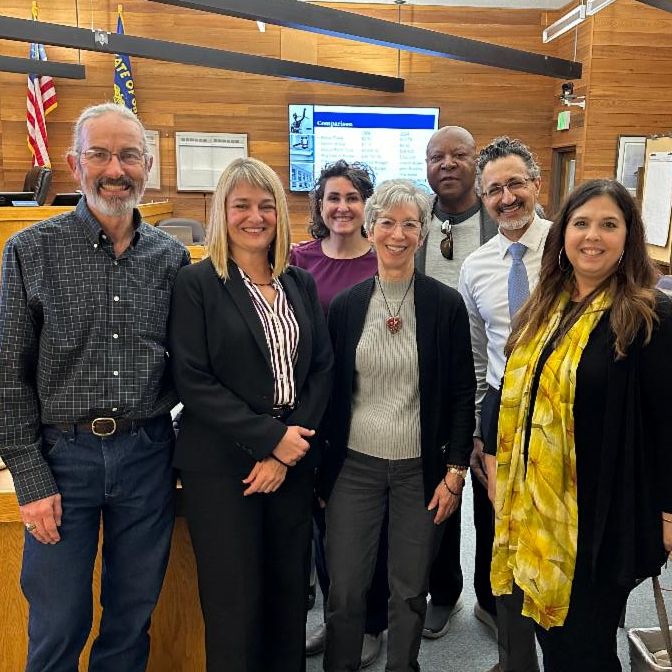
A few Lane County Circuit Court judges we met with, hearing about court caseload foster care, and helping people | |
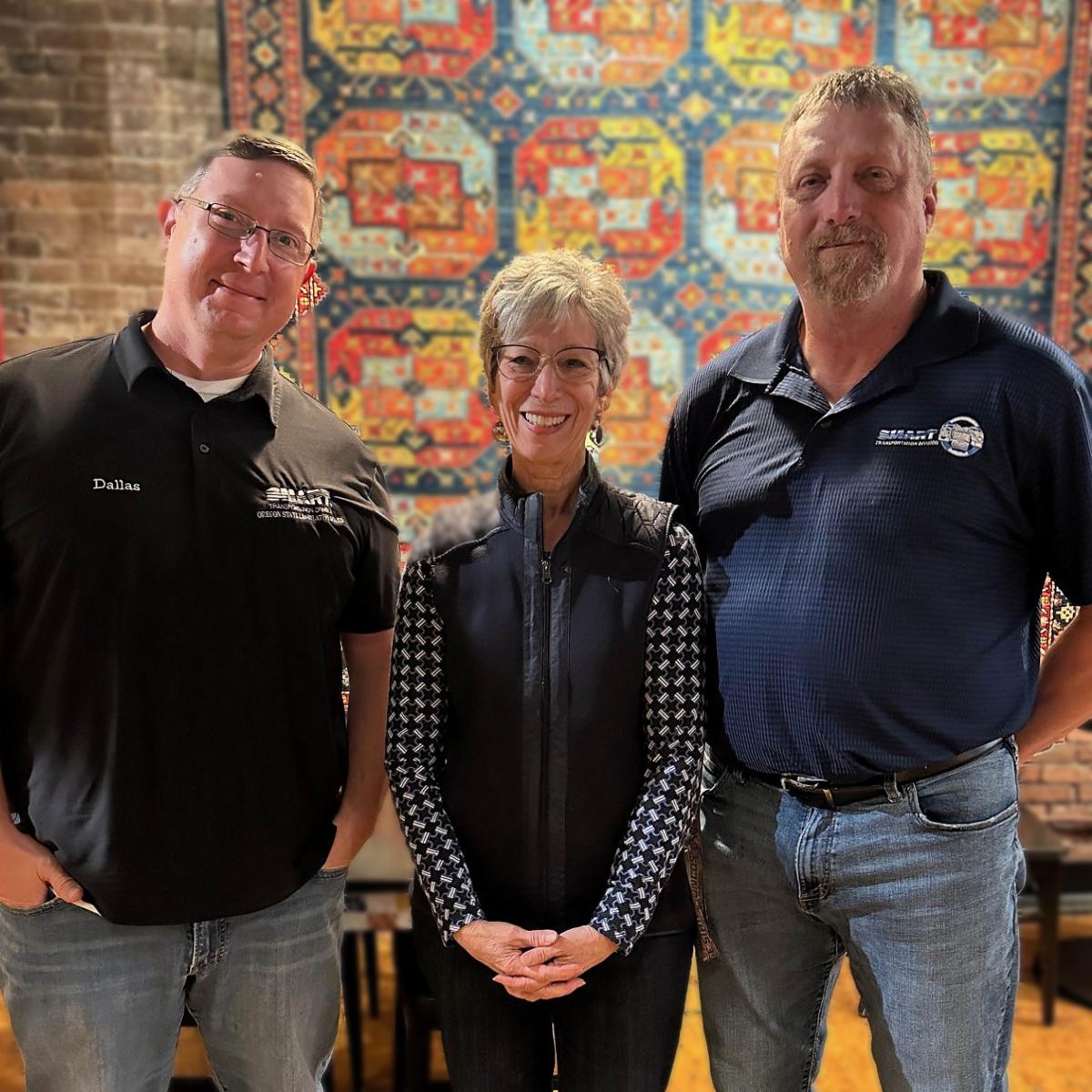
Talking with train engineer and conductor reps about rail safety and improving rail for passengers and freight | |
Heard from Arts and Business of Eugene leaders and UO faculty about local arts and UO's downtown Center for Art Research | | | | |