Newsletter | November 2025
| |
| |
Peer Group Events
Peer groups provide an organized environment for people to encourage, advocate and educate one another. Peer Group events are being held both in-person and virtually.
| | | |
National Family Caregivers Month
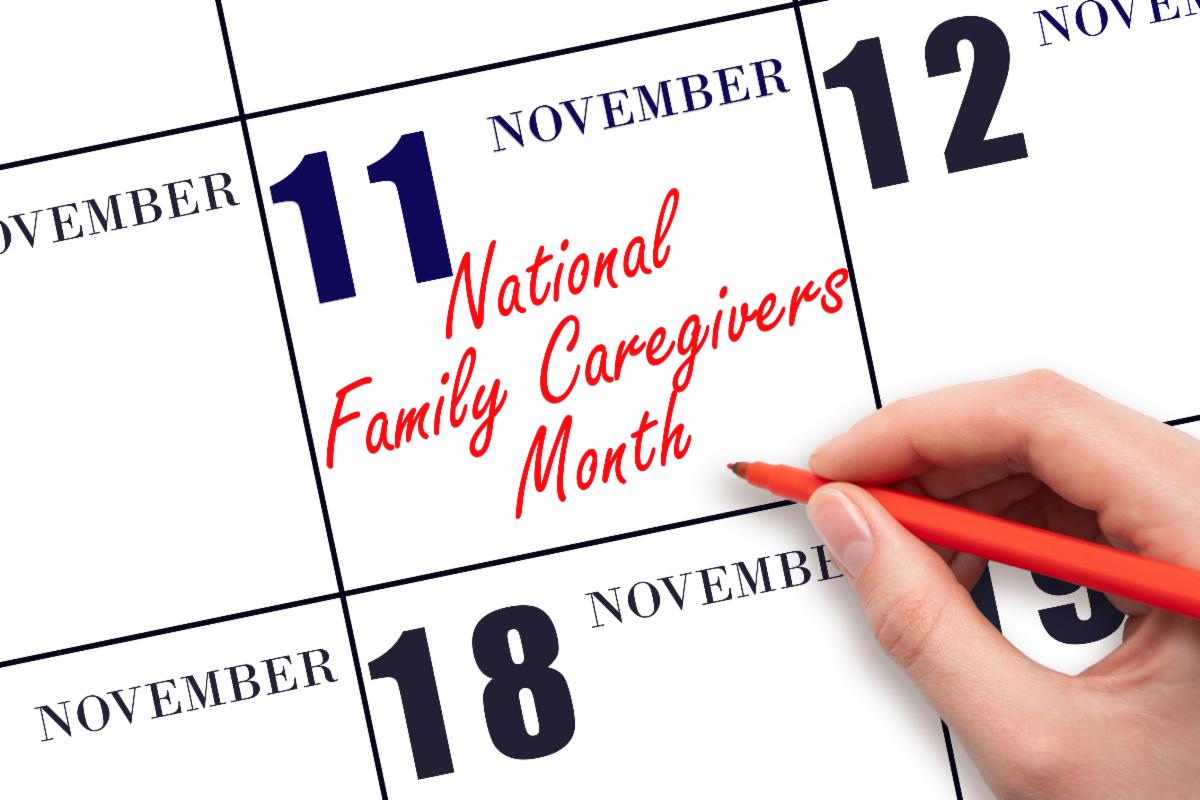
Every day, tens of millions of Americans step into the role of caregiver—managing medications, driving to appointments, balancing budgets, cooking meals, and offering steady love to parents, partners, children, and friends. November is National Family Caregivers Month, a time to recognize their resilience, raise awareness of their needs, and connect caregivers with practical support.
Why it matters
Family caregivers are the invisible backbone of our care system. They often juggle full-time jobs and family responsibilities while coordinating complex medical decisions—all with little time to recharge. Honoring caregivers isn’t just about gratitude; it’s about ensuring they have the information, respite, and community they need to keep going.
How you can support caregivers
- Say something specific. “I can bring dinner Wednesday” or “I can sit with your son Saturday 1–3 pm” is more helpful than “Let me know if you need anything.”
- Streamline the to-dos. Help set up shared calendars, medication lists, or delivery services (groceries, pharmacy, transportation).
- Listen without fixing. Sometimes the best support is a judgment-free check-in.
Caregiving is an act of courage and love. This November—and all year—let’s celebrate family caregivers, lighten their load, and make sure they’re seen, heard, and supported.
Disability Network Mid-Michigan would like to thank all the family caregivers who help support the people in our communities!
| |
Honoring Veterans
On Veterans Day, we pause to honor the courage and sacrifice of those who served—while recommitting to something just as important: ensuring veterans have the tools, access, and support to live the lives they choose. As an agency supporting people with disabilities, we see the strength of veterans every day, and we’re here to turn “thank you for your service” into practical, year-round action.
What Veterans Tell Us They Need
- Straightforward navigation. We offer a self-directed home care support program for Veterans – Veteran Directed Care (VDC). With VDC, the Veteran is approved for an annual budget that can be used to purchase personal care assistance and specific goods that can help them avoid nursing facility placement.
- Assistive technology. Whether it’s mobility equipment, hearing devices, low-vision aids, or smart-home tools, we match veterans with the right tech and train them to use it confidently.
- Peer and family support. Veterans often want someone who “gets it.” Our peer groups and referral services reduce isolation and strengthen resilience.
If You’re a Veteran or Caregiver
You’ve already done the hard part: you served. Let us serve you. Call us for a free, confidential conversation about benefits, accessibility, or assistive technology.
989-835-4041 | Email
| |
Season of Giving
As we enter the holiday season, we encourage our staff and supporters to think of others who may be struggling. Donating your time to local non-profits, such as soup kitchens or food banks, can make a huge difference in someone’s life.
In the spirit of giving, Disability Network Mid-Michigan will be an official collection point for Toys For Tots, whose objective is to help less fortunate children experience the joy of Christmas and unite all members of local communities in a common cause. We are collecting new, unwrapped toys at our Midland location until mid-December. Our office is located at 1705 S. Saginaw Road, and we are open Monday through Friday from 9am to 4:30pm
|
| |
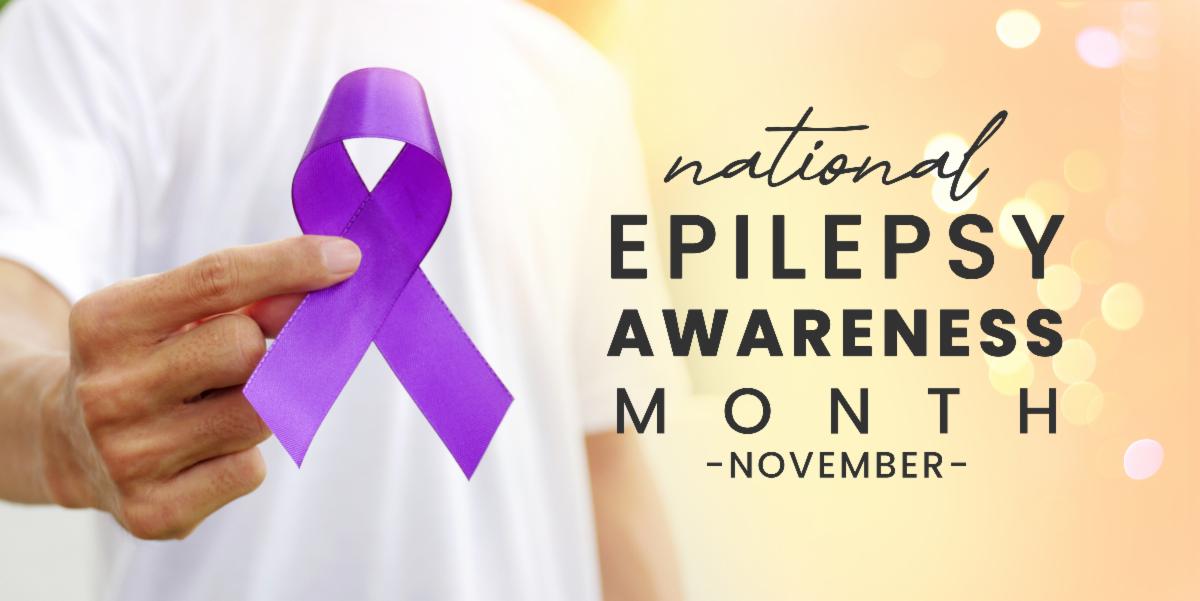
November is National Epilepsy Awareness Month—a chance to replace fear with facts and make our community more accessible for the 1 in 26 people who will develop epilepsy in their lifetime.
What we do
- Navigation & advocacy: Help you understand disability rights (ADA/504/IDEA), insurance, and benefits—and advocate at IEP/504 meetings.
- Assistive tech & safety: Connect you with medication reminders, wearables, seizure-detection tools, smart-home alerts, and travel training.
- Peer & caregiver support: Groups, skills training, and respite resources to reduce isolation and burnout.
Seizure first aid—simple and lifesaving
Remember: Stay. Safe. Side.
- Stay with the person; time the seizure.
- Safe: clear hazards, cushion the head, loosen tight clothing; don’t restrain and don’t put anything in the mouth.
- Side: when the shaking stops, roll onto their side to help breathing.
- Call 911 if a seizure lasts 5 minutes+, repeats without recovery, occurs in water, or the person is injured, pregnant, or has trouble breathing.
We’re here for you
If you or someone you support is living with epilepsy, contact us for support.
989-835-4041 | Email
| |
World Diabetes Day
Let's Do More at Work
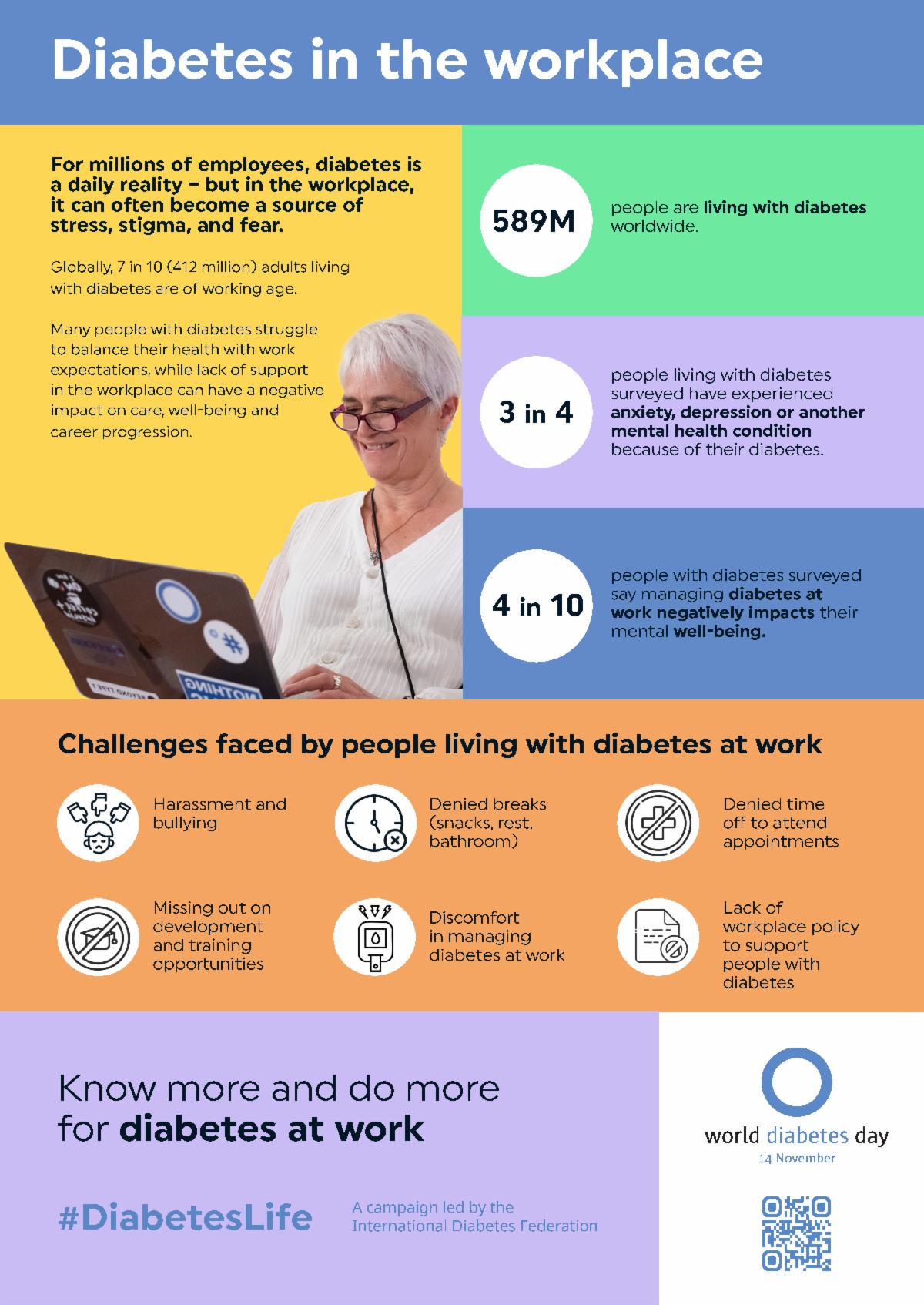
November 14 is World Diabetes Day, and this year’s theme is Diabetes and the workplace—encouraging everyone to know more and do more for diabetes at work.”
Nearly every organization employs or serves people living with diabetes. Work can support (or undermine) health—through schedules, access to care, and day-to-day culture. World Diabetes Day is a chance to turn awareness into practical steps that help employees feel safe, energized, and included.
What employers can do now
- Make space for care. Offer flexible scheduling for medical appointments and routine glucose checks; allow quick breaks for monitoring and treatment.
- Create a seizure/hypo-ready workplace. Stock fast-acting glucose in first-aid kits; train teams to recognize and respond to hypoglycemia.
- Support food & activity choices. Provide clear nutrition info at events, ensure water availability, and encourage movement breaks.
How diabetes-friendly is your workplace?
| |
Family Volunteer Day
Families that volunteer together don’t just give back—they model inclusion. This November 22, participate in Family Volunteer Day and help make our communities a better place to live. Whether you’ve got 30 minutes or three hours, there’s a way for every age and ability to pitch in.
Why it matters
When families show up, we see faster project finishes, kinder classrooms, and neighbors who look out for one another. Your time helps remove real barriers—so people with disabilities can work, learn, travel, and play with the same freedom as everyone else.
There are so many ways to give back to your community! You can choose from in-person or virtual volunteer opportunities. Take time out with your family to help others, and make a positive mark on the world. Here are 5 benefits of volunteering as a family:
- Teaches children your values as a family.
- Helps you spend quality time together.
- Helps children learn empathy.
- Teaches children that learning happens outside of school, too.
- Helps children develop important skills – hard skills like carpentry or yard work, and soft skills like social interaction and communication.
| |
Save the Date to Donate
Giving Tuesday is on December 2nd, and your gift to Disability Network Mid-Michigan helps people with disabilities live, work, learn, and move through our community with dignity and choice. We turn donations into practical support—the kind that removes barriers.
What your gift makes possible
- Independent Living
- Assistive Technology
- Employment Readiness
- Advocacy
- Peer Support
- Information & Referral
Give with impact
- $10 provides one month of one-on-one life coaching for a student with a disability
- $250 offers students with disabilities post-secondary training facilities tours
- $500 transitions a person from a nursing home or institution into their own home
- Supplies to assist with personal and home maintenance (laundry detergent, cleaning supplies, pet food)
- Gift cards or tickets to community events
- New, unwrapped toys for the Toys for Tots program
This Giving Tuesday, help us say yes more often—to someone wanting to continue living independently, to a device that gives someone a voice, to a job that restores purpose.
| |
Statement of Inclusion
Inclusion is a universal human right for all people, regardless of race, age, gender, religion, disability, sexual orientation, or any other discernible quality. To be inclusive is to promote a sense of belonging, respect, and value for who you are as a person. It is about equal access and opportunities for everyone. Inclusion is an integral part of our Independent Living philosophy and of our agency's vision of accessible and inclusive communities.
DNMM offices have been, and continue to be, places of solace, understanding, and information for all. We are committed to promoting and protecting diversity and inclusion, within our offices, among our community partners, and throughout the 15 Centers for Independent Living in Michigan.
| |
Accessibility Statement
DNMM advocates for the removal of barriers to independence and full inclusion of people with disabilities throughout the Mid-Michigan area. DNMM pledges to ensure accessibility. Each year, DNMM conducts a review of its own architectural, environmental, attitudinal, employment, communication, transportation, and other barriers that may exist that prohibit full access to our services.
If you have any issues of concern regarding the accessibility of DNMM services and facilities, we encourage you to share that information with us.
| | | | |