By Jacqueline Pike
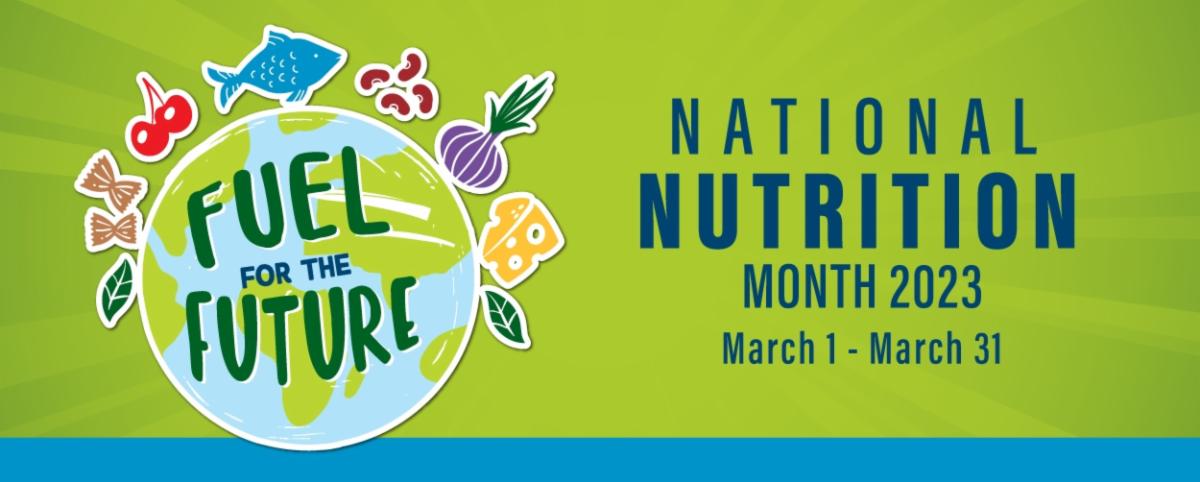
March is National Nutrition Month, an ideal time to re-assess our daily food intake and learn more about healthy eating habits as we age.
The body changes with aging. As we age, we require fewer calories and there’s a loss of muscle mass. The skin gets thinner and the body’s ability to absorb nutrients lessens. Even though fewer calories are required, older adults need higher levels of protein, fiber, Vitamin D, calcium, and Vitamin B12, compared to younger people. One study reported that some seniors simply may not be aware that malnutrition could be a problem or a risk if these deficiencies exist long term.
Some factors that commonly affect healthy nutrition in older adults are
· limited mobility
· poor vision
· lack of transportation
· recuperating from illness or surgery
· poor appetite
· medication side effects
· financial strain
If financial strain is one of the factors negatively impacting your food choices, please make use of this guide. It contains a list of pantries and other free food resources in our area, many of which offer a variety of unprocessed foods.
If you are over 60 years of age and your ability to plan and prepare meals is compromised by impaired vision, mobility, or some of those other common factors, you are likely eligible