Hello CocoTherapy family
Thanks for signing up to receive news and updates from CocoTherapy, and welcome to the April edition of our monthly e-newsletter. We hope you and your loved ones are keeping safe and well in these difficult times.
Here's what's inside this month's e-newsletter:
- April 1-7 is National Raw Feeding Week. In this month's mini-article, Raw Feeding for Beginners, we show you how to start feeding your dog a healthy raw food diet.
- Our top article picks from around the web – why pets are unlikely to get or give coronavirus, and 5 things that can help to boost your immune system during the outbreak.
|
|
|
|
Blog: Does Coconut Oil Cause Metabolic Endotoxemia in Dogs?
|
If you’re concerned about leaky gut, and endotoxins, and are confused about whether or not coconut oil can cause metabolic endotoxemia in your dogs, check out our latest blog,
Does Coconut Oil Cause Metabolic Endotoxemia in Dogs?
Dive in and look at what lipid experts and science say about coconut oil and this condition.
|
|
|
Raw Feeding for Beginners
|
|
April 1-7 is
National Raw Feeding Week
, a virtual event created by Kimberly Gauthier, owner of the fantastic
Keep the Tail Wagging
blog. So, what exactly is National Raw Feeding Week? According to the website, it's all about: "Raw feeders sharing their experiences through social media posts, blog posts, videos, and more.” This informative website shares new recipes, discusses real-life experiences, and enables you to connect with others passionate about providing the best life for their dogs.
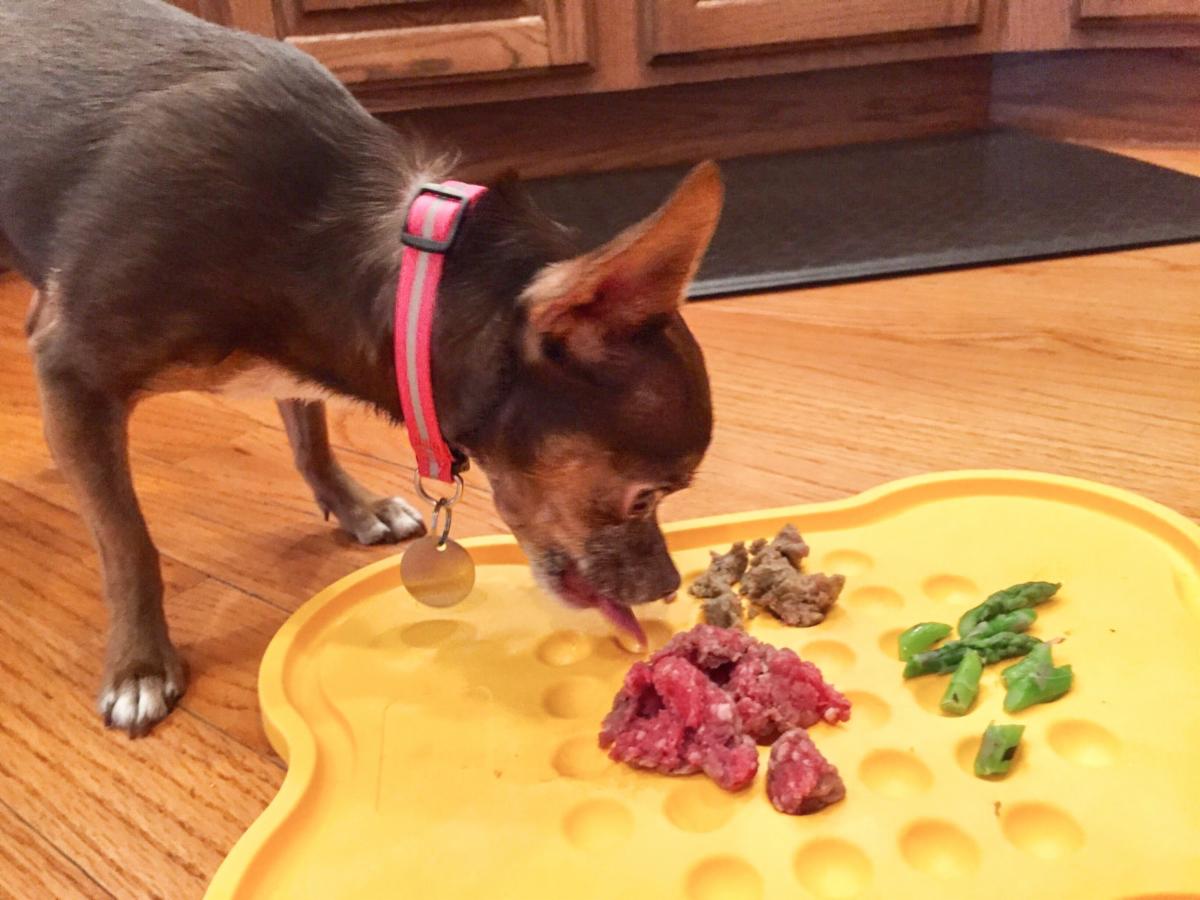
Here at CocoTherapy, we're huge advocates for raw feeding. So, to show our support for National Raw Feeding Week, in this mini-article, we'll explain how to make the switch to raw feeding. Keep reading to learn about the benefits of raw feeding, 3 popular types of raw food diets, and how to transition your dog to raw.
The Benefits of Raw Feeding
The best foods to feed your dog are
living, raw, fresh and
species-appropriate
. These foods support your pet's health throughout their lifetime, and protect them from illness and disease. Here are just a few of the benefits of feeding raw:
- Improved digestion
- Healthier skin and coat
- Strengthened immune system
- Reduced allergy symptoms
- Better oral health
- Higher energy levels
3 Popular Types of Raw Food Diets for Dogs
Let's face it. Raw feeding can be confusing! A quick Google search will reveal dozens of raw food diets for dogs. What's more, there are various differing opinions within the raw feeding community. To keep things simple, let's take a brief look at 3 of the most popular types of
raw food diet models
.
1. Biologically Appropriate Raw Foods (BARF)
The BARF diet is the most popular and widely-known raw diet for dogs. Here's what it consists of:
- Muscle meat
- Raw meaty bones
- Organ meat
- Fruits and vegetables
- Seeds and nuts
According to popular raw feeding blog
Perfectly Rawsome
, the BARF diet should be based on the following ratios:
- 70% muscle meat
- 10% raw edible bone
- 7% vegetables
- 5% liver
- 5% other secreting organs
- 2% seeds or nuts
- 1% fruit
Many pet owners choose to feed their dogs the BARF diet as it consists of a wide variety of healthy raw ingredients. This helps ensure that dogs get all the vital nutrients they need.
2. Prey Model Raw (PMR)
The PMR diet is based on whole, wild prey animals. Unlike the BARF diet, it does not include plant ingredients. Pet owners who choose this diet feed their dogs animals such as rabbits, ducks, and quail. The PMR diet is certainly not for the squeamish! It involves feeding the
whole animal
– with internal organs, fur or feathers, glands, blood, and intestinal tract intact.
Perfectly Rawsome
recommends the following ratios:
- 75-80% muscle meat
- 10% raw edible bone
- 5% liver
- 5% other secreting organs
- 0-5% animal-based fiber
If you decide to feed the PMR diet, we strongly recommend consulting with a veterinary nutritionist who will review the diet to make sure it meets your dog's dietary needs.
3. Ketogenic Raw Diet
While the ketogenic raw diet is not considered a typical raw feeding model, it is a raw diet primarily fed to dogs that have been diagnosed with
cancer
. It is high in fat, moderate in protein, and low in carbohydrates.
The diet causes a dog's body to switch its primary source of fuel from carbohydrates to fat. When this happens, the liver breaks down stored fat into
ketones
to use as fuel. For more information on ketogenic raw diets, check out
this article from Perfectly Rawsome
.
When CocoTherapy’s co-founder, Charisa Antigua’s 13-year old yorkie Camille developed thyroid cancer, on top of kidney disease
and
Protein Losing Enteropathy
(PLE), she
rotated
between a raw diet and a ketogenic raw diet in order to allow Camilley’s body to go into a healthy state of
ketosis
for energy support, brain health, and over-all cellular health and function.
Making the Switch to Raw
Before making the switch to raw, we recommend consulting with your holistic veterinarian or certified animal nutritionist. This will ensure that the diet you choose is appropriate for your dog's specific nutritional needs. It's also important to transition your dog to raw food slowly to prevent digestive issues. While some dogs transition almost instantly without any problems, few dogs, particularly those with GI issues, may need a slower transition with additional support (for example, pro-/prebiotic/digestive enzyme supplements).
Variety is the Spice of Life
It's also worth noting that raw feeding doesn't need to be complicated. In fact, rather than sticking strictly to any one type of raw food diet model, we recommend feeding a wide variety of raw foods and find out which
raw food ratio
best fits your dog. For example, try feeding a combination of both raw food models and slowly adjust the diet to suit your dog’s individual needs.
Keep the Tail Wagging
’s, Kimberly Gauthier shares
her valuable experience
on finding the best way to feed her dogs and what worked for her.
Are Supplements Necessary?
What about supplements? Doesn’t feeding whole, fresh foods already provide the vital nutrients your dog needs? Well, generally, that is the goal of feeding whole, living foods – to provide your dogs with bioavailable nutrients he needs to thrive and be healthy. However, sometimes supplements are needed for various reasons: first to supply additional nutrients that fresh foods don’t always offer, and second, to
supply additional support for dogs
who have specific health issues.
There are many, excellent supplements that offer wonderful support for dogs with bone/muscular, heart, digestive, and cognitive issues, to name a few. In addition, there are wonderful whole foods you can add for dogs with mal-digestive disorders, for example, dogs with
pancreatitis
, lymphangiectasia, and
PLE
where it is recommended that they eat a low-fat diet.
Regardless of conditions, all dogs need some form of
fat to survive
: for basic cellular energy, to feed and nourish the brain, and for absorption of fat-soluble vitamins. For dogs with lipid disorders,
therapeutic-grade coconut oil
is recommended by many holistic veterinarians and health experts as
a highly digestible form of fat
. Therapeutic-grade virgin coconut oil is processed by the body differently and follows unique
metabolic pathways
without the need for pancreatic enzymes or biliary acids for digestion.
We mentioned Charisa’s yorkie above, Camille with her multiple health issues. Despite having thyroid cancer, kidney disease, and PLE, Charisa provided
much-needed lipid support
for Camille by giving her CocoTherapy virgin coconut oil daily. This enabled Camilley to thrive and enjoy an amazing additional three years after her initial cancer/PLE diagnosis!
|
|
Learn more from our blogs:
|
|
Do you have a small animal? Take a look at why coconut oil is beneficial for small animals such as rabbits, mice, and guinea pigs.
|
|
N
o doubt, you've wondered about this. Learn how
diet can help manage pancreatitis, and why coconut oil is the recommended fat for pets with pancreatitis.
|
|
Coconut oil is a unique medium chain saturated fat, which is broken down differently from long chain saturated fats. Learn why how this fat is different.
|
|
Story behind our Brand...
|
Ever wonder how and why we started CocoTherapy? It's more than just a brand. It's about our
three-generation family tradition
, our passion for this amazing food, and our love for animals.
Our story
.
|
|
|
As the nation grapples with the global coronavirus pandemic, it's becoming increasingly important to keep our loved ones safe. Thankfully, your furry family members are unlikely to contract or spread the virus. Find out why in
WebMD's
article,
Your Pets Unlikely to Get or Give Coronavirus
. (
Please note that this news changes daily. We will continue to provide information as needed on this topic.
)
|
|
Keep up to date with all things CocoTherapy! Click the buttons below to follow us on social media.
|
|
|
|
|
|
|