Seizing Freedom:
The Black Press
|
|
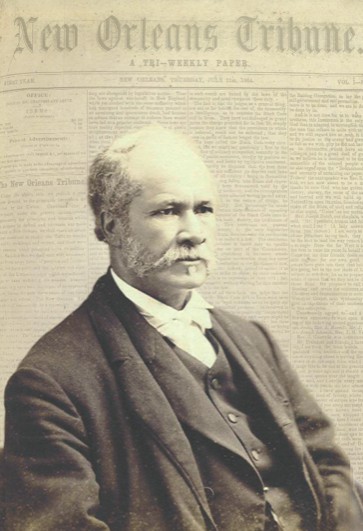
. . . the role of the Black press in the United States. They look at how conspiracy theories, misinformation, and slander have been used as a form of media propaganda since the formation of the Ku Klux Klan, and how pioneering journalists like Ida B. Wells-Barnett laid the groundwork for identifying and calling out these campaigns. |
|
|
|
|
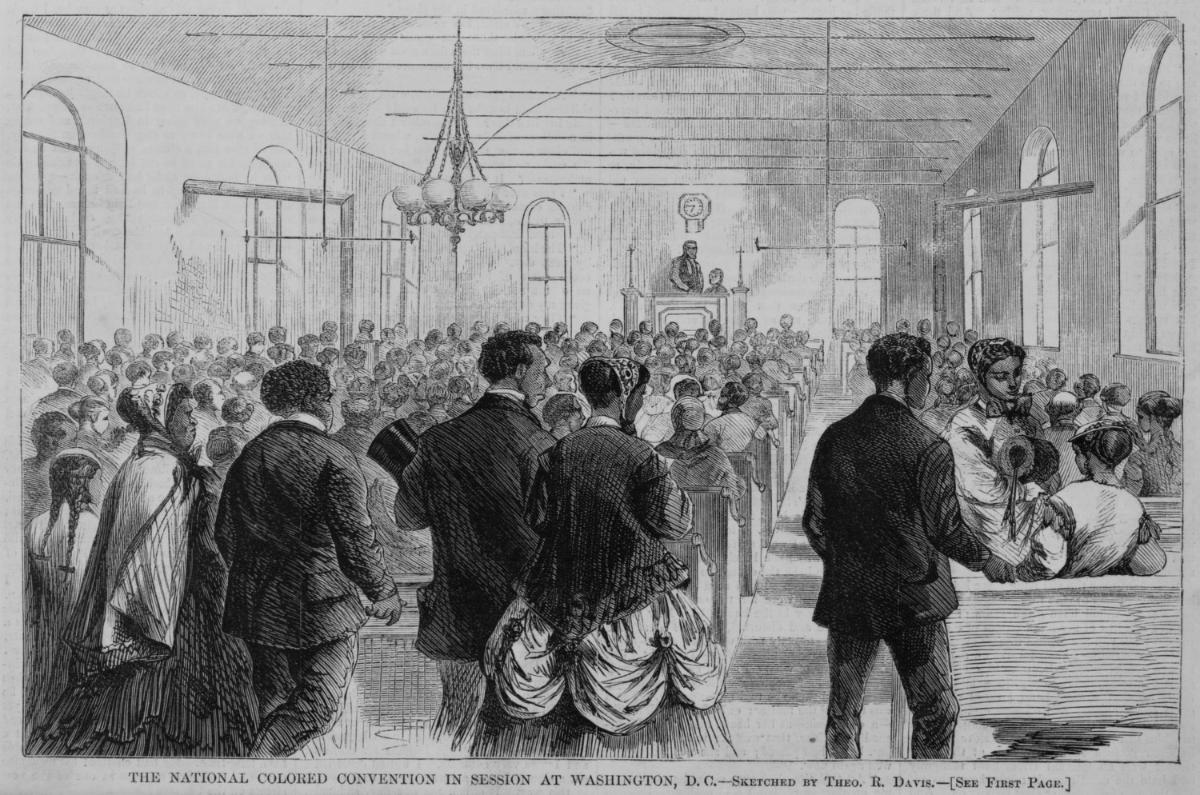
The meeting in D.C. built on decades of discussions in the Colored Conventions movement, formed in 1830. Women appear prominently in this sketch of the January 1869 convention. Despite their critical roles in these spaces and the wider Black freedom movement, they were often relegated to the margins of meeting minutes and proceedings. |
|
Vanguard: Black Women in the
Fight for Voting Rights
|
|
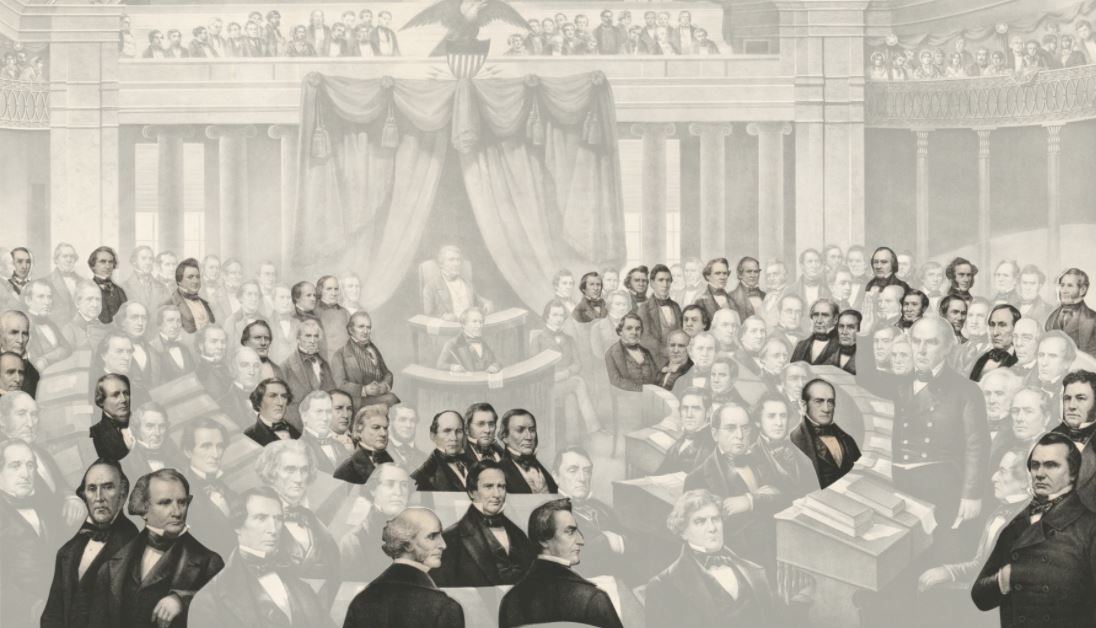
How Many Members of Congress Enslaved People? |
|
Thanks to a recently released two-year study by The Washington Post, we know the answer to the question is 1,700 Congresspeople, and that they held office and enacted legislation in the 18th, 19th, and 20th centuries. Check out the database of members of Congress who enslaved people. Let us know if you use this resource in your classrooms.
The research continues and your students can help. The Post offers a list of names of Congresspeople that still need to be researched. They are in Arizona, Idaho, Montana, Oregon, Utah, Wisconsin, Wyoming, and more states. See the names and a research guide.
In addition, o ne of the lead researchers, Post reporter Julie Zauzmer Weil, is offering to visit classrooms to talk with students about the report. Fill out this form if you would like to have Weil in dialogue with your students.
|
|
As author Clint Smith suggests, one cannot understand United States history without focusing on the centrality of slavery. This history is essential to help our students make sense of the world around them. The new Washington Post database will shed more light on that history.
|
|
Your support is needed to help more students learn people’s history. Most of the Zinn Education Project’s funding comes from individuals like you. |
|
|
|
PO BOX 73038, WASHINGTON, D.C. 20056
|
|
|
|
|
|
|