Rose Hill Center Entrance and Logo image
 

JUNE 2026

Rose Hill Center Newsletter

 
Smiling woman in woods photo
 

Structured Programs and Support Offer Hope and Healing

by Kelli Waite, LMSW, Director of Clinical Services, Rose Hill Center


At Rose Hill Center, we welcome people with a range of mental health conditions, but four of the most common challenges our residents experience are schizophrenia, schizoaffective disorder, bipolar disorder, and borderline personality disorder. We often care for people with dual diagnoses. For example, our residents may have borderline personality disorder and autism spectrum disorder, or bipolar disorder and post-traumatic stress disorder (PTSD).


Treating the whole person means understanding their unique condition and approaching treatment and recovery with structure and interventions in a supportive setting. Rose Hill’s structured residential care programs focus on the three Rs: Remediation, Restoration, and Reconnection.

Understanding Anxiety


Anxiety is a natural response to stress, but when it becomes persistent or overwhelming, it can impact daily life. It may show up as racing thoughts, physical tension, trouble sleeping, or a sense of unease. While anxiety can feel isolating, it is very common and highly treatable. At Rose Hill, we encourage awareness, coping strategies, and support. Techniques such as deep breathing, grounding exercises, structured routines, and professional therapy can help reduce symptoms. If you or a loved one are struggling, know that help is available, and recovery is possible with the right tools, guidance, and compassionate support.

 
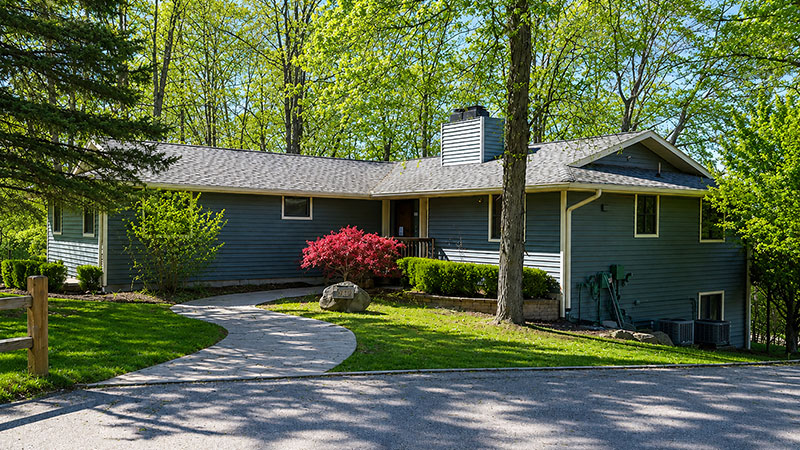
Rose Hill Center OCD Center Exterior Photo

Campus Life


This spring, Rose Hill Center proudly launched the OCD Recovery Center, a specialized 6-bed residential program on our Holly campus for individuals living with Obsessive-Compulsive Disorder and related anxiety disorders.


The program provides immersive, evidence-based care in a supportive residential environment. Clinical services include Exposure and Response Prevention (ERP), Cognitive Behavioral Therapy (CBT), group therapy, psychiatric support, life skills development, and individualized treatment planning. Residents also benefit from our therapeutic farming community, which fosters structure, connection, wellness, and meaningful daily engagement.


Program development was guided in collaboration with nationally recognized OCD expert Dr. Brad Riemann and Brenda Bailey, supporting staff training and implementation of best practices.


We are excited to continue growing this program and expanding access to specialized care for individuals and families seeking deeper support and recovery.


MENTAL HEALTH INSIGHTS

What is Obsessive-Compulsive Disorder (OCD)?


Obsessive-Compulsive Disorder (OCD) is a mental health condition characterized by intrusive thoughts (obsessions) and repetitive behaviors or mental rituals (compulsions) performed to reduce anxiety. OCD affects approximately 2–3 million adults in the United States each year.

Common symptoms may include:


  • Excessive checking
  • Fear of contamination
  • Intrusive unwanted thoughts
  • Repetitive counting or organizing rituals

Evidence-based treatment for OCD often includes:


  • Exposure and Response Prevention (ERP)
  • Cognitive Behavioral Therapy (CBT)
  • Medication management when appropriate
  • Structured residential or intensive treatment for severe symptoms
 

Events & Important Dates


  • PTSD Awareness Month
  • Men’s Mental Health Awareness Month
  • CMHA Summer Conference June 7-10th
  • Suncrest Counseling Conference June 25-26th
  • June 17: Michigan GCR Event – Sanford Behavioral Health
  • June 27: PTSD Awareness Day
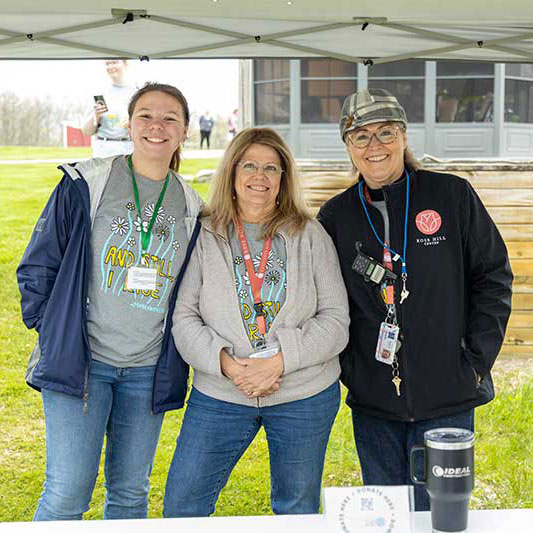
Rose Hill Center Flower Sale 2026 Photo

Connect with us

rosehillcenter.org

248-531-2405

admissions@rosehillcenter.org

Follow us

LinkedIn  Facebook  Instagram
Rose Hill Center Logo image